Chart your course
Sailboat Engine Repower Cost: Build the Quote

Quick answer
The short version
The engine price is only one part of a sailboat repower cost. A useful quote identifies the existing engine and the systems that make it useful: drivetrain, controls, cooling, exhaust, mounts, access, electrical integration, and fuel arrangement. The work becomes expensive when a proposal assumes those parts will fit together without checking. Start with evidence from the boat, then ask each installer to price the same boundary.
A repower is a system decision. It can be the right answer for a project boat, but a listing price cannot establish the condition of the installed propulsion system or the work needed to integrate a replacement. A general surveyor may recommend a trained engine mechanic for in-depth diagnostics. That assessment gives you a firmer place to begin than an advertised engine package.
Establish the Current System
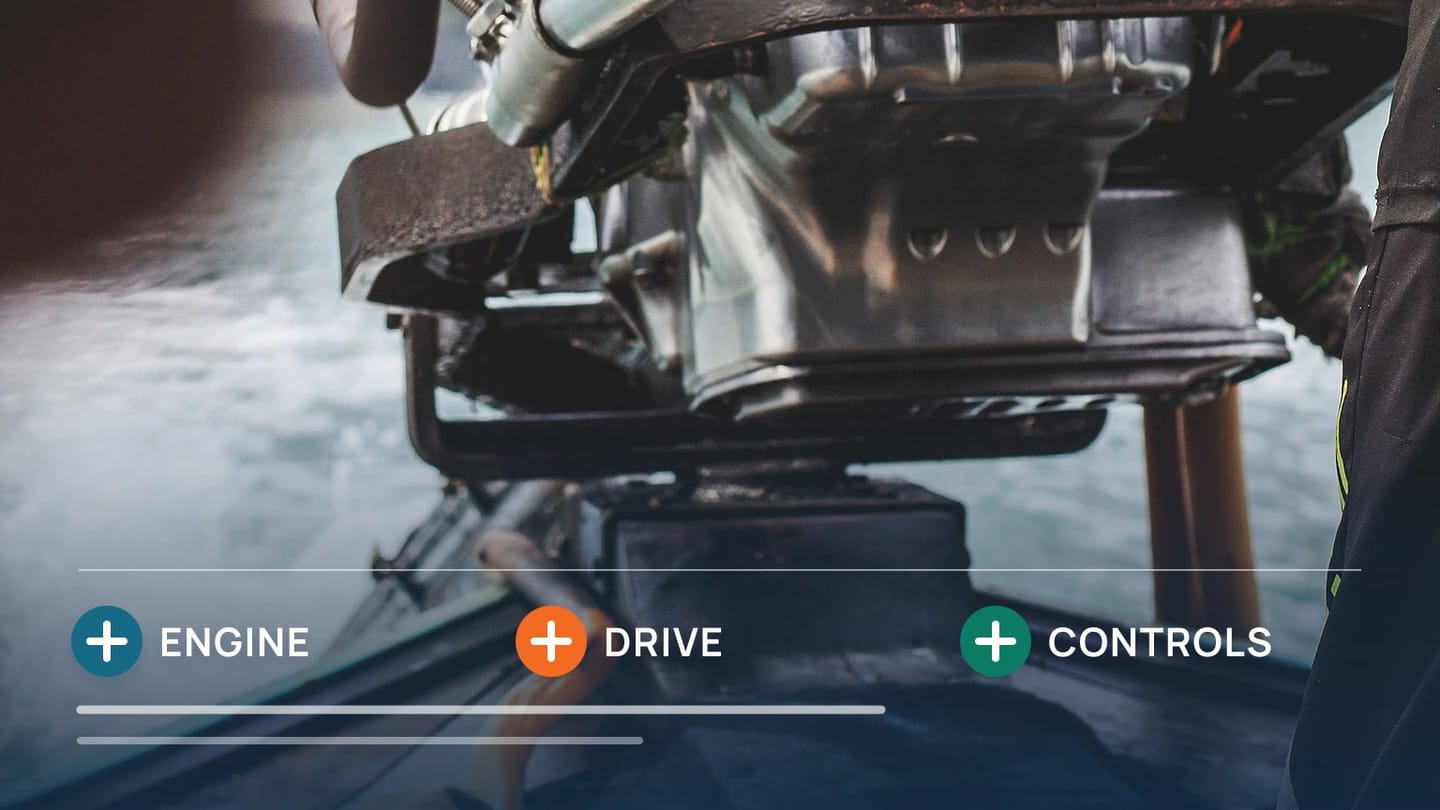
Record the engine model, serial information if available, drivetrain arrangement, controls, visible cooling and exhaust routing, mounts, fuel connection, wiring, and physical access. Take clear photographs before requesting estimates. A prospective installer needs to see the boat as installed, not as an abstract engine bay.
The aim is not to diagnose every fault yourself. It is to prevent a quote from quietly assuming that the existing shaft, propeller, controls, panels, cables, mounts, or exhaust can simply remain. Each of those connections belongs to the installed system. A replacement engine can require different interfaces even when its advertised output seems suitable.
Put uncertain items on the request rather than guessing. If a prior owner made changes, say what you know and what you do not. A careful provider can then specify inspection or measurement work before committing to an installation scope.
Include the boat’s normal use in this record. A motor used for marina manoeuvres has a different operating history from one relied on for frequent passages. That context does not replace diagnosis, yet it helps the mechanic and installer ask relevant questions. Bring service records when they exist. Record gaps honestly when they do not. The aim is a shared starting point, not a tidy story for the quote.
Get a Condition Baseline
A trial run observes engine and running-gear operation away from the dock, but it does not make hidden components visible. Treat it as one useful observation, not proof that every part is healthy. For deeper engine assessment, a trained mechanic may use computerized diagnostics, oil analysis, and compression testing.
Ask who will perform the inspection, what each test includes, and what it cannot establish. Keep the findings separate from the installation quote. That makes it easier to see whether the decision is driven by demonstrated condition, an intended upgrade, or a concern that still needs investigation.
A project boat buyer should include propulsion in the condition assessment and obtain repower quotes before treating the purchase as a bargain. The same reasoning helps an existing owner: determine what the current system is doing before choosing a replacement scope.
Ask the mechanic to explain the finding in terms you can reuse in a quote request. For example, separate a condition observation from an installation assumption. One may say a component needs further inspection; another may state that a new engine must connect to it. Keeping those categories separate prevents a sales conversation from silently turning an unknown into a fixed fact.

Define the Installation Boundary
Ask every installer to name the work on the engine itself and the work around it. A clear scope can address removal, access, mounts, drivetrain interface, controls, cooling, exhaust, fuel arrangement, electrical connections, commissioning, and testing. It can also state exclusions and work that remains subject to inspection.
Do not compare an engine-only figure with an installed-system figure. They describe different purchases. One quote might include the replacement unit and leave integration to another provider. Another may include labour and selected connections but exclude a problem discovered after removal. Put those boundaries side by side before discussing which quote is cheaper.
Access matters. An engine that can be removed through an existing opening presents a different job from one requiring more preparation or yard coordination. Give the installer the boat location and access constraints early.
Timing has a practical effect too. Yard availability, lifting arrangements, and access to the boat can shape when removal and installation are possible. Do not assume that an engine supplier’s delivery date is the completion date for the installed system. Ask the provider to identify the sequence it expects, including inspection points where a newly exposed component could change the scope.
Compare Compatible Proposals
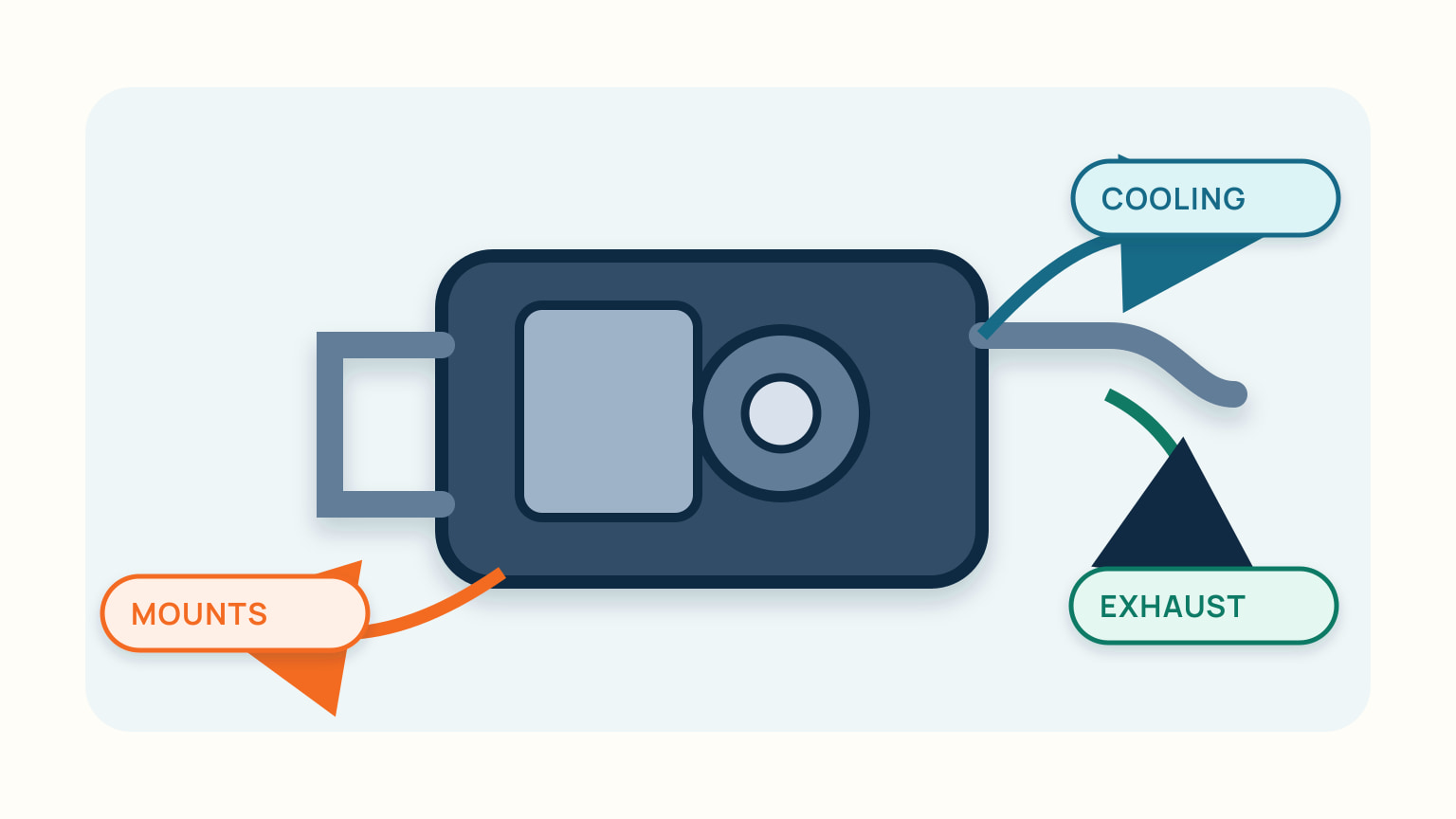
Use one comparison sheet. List the proposed engine, compatibility assumptions, drivetrain and propeller work, controls, cooling, exhaust, mounts, fuel, electrical integration, removal, installation, commissioning, travel, yard work, exclusions, currency, taxes, and validity date. A proposal that says “allowance” should name what can change it.
Compatibility is not a slogan. It is the installer’s practical plan for making the particular engine work with the particular boat. If one proposal assumes existing components will remain, ask how that assumption will be checked. If another replaces them, ask why. The answer may reveal a genuine difference in scope rather than an arbitrary price gap.
Avoid using a price from another boat as a benchmark unless the installed system is genuinely comparable. Similar hull length does not prove similar access, drivetrain, or electrical work.
Read exclusions as carefully as included work. They are often the most useful part of a quote because they show what must be confirmed, provided by another party, or priced separately. If an exclusion is unclear, ask the installer to state the next decision and the evidence needed to make it. This turns a vague allowance into a manageable question before work begins.
Keep emails and revised proposals together. A changed scope should be easy to trace back to the observation or measurement that prompted it.
Date each decision clearly.
Ask what information would cause the installer to revise the proposal. A discovered mount problem, restricted removal path, incompatible control, damaged hose, or uncertain drivetrain measurement can change the work without making the original conversation dishonest. What matters is whether the proposal says how those discoveries will be handled. A sensible answer names the inspection stage, who will approve an added item, and whether another written price is needed before proceeding. That gives you a decision point instead of an open-ended expectation.
It also helps to separate a decision to replace an engine from a decision to improve related equipment. A provider may reasonably recommend work that would be convenient while the engine is out. Put that work in its own line and mark whether it is required for the installation, recommended because access is available, or an optional improvement. This keeps the repower comparison honest. You can then decide whether to do a convenient extra job now without confusing it with the minimum work needed to commission a safe, compatible propulsion system.
Finally, name the person who can approve a changed scope. An installer should not need to infer that a seller, partner, yard, or broker has authority to make a cost decision on your behalf.
Plan the Decision Around Evidence
You may decide to repair, monitor, repower, or walk away from a purchase. The useful decision is the one that matches the verified condition and intended use. Do not let a dramatic engine price pull attention from the work that gives the engine a reliable place in the boat.
Keep the inspection report, final quote, and commissioning information with the boat records. They describe what was actually assessed and installed. They also give the next mechanic a starting point when the system needs service.
For a related overview of routine checks, see sailboat engine checks. It can help you recognise the accessible items that belong in an early conversation, while a repower decision still needs the appropriate specialist assessment.
Before authorising work, make one final pass through the proposal with the person who will use the boat. Check that the described result supports the boat’s real plan and that the commissioning boundary is clear. A signed quote is easier to manage when both sides can point to the same system description, test stage, and excluded work.

SailStarter’s engine lessons give you the vocabulary to follow an installer’s plan without pretending that a complex propulsion decision is a DIY diagnosis. Bring a documented system, an independent condition baseline, and a written installation boundary to every quote. That is how a repower price becomes a decision you can compare.
Try it from the lesson
Can you spot the next move?
The engine is idling, the boat is safely secured and the propeller area is clear. What should you confirm before departure?
Why you can trust this guide
. We build each guide from public seamanship and safety sources, then teach the universal principle before any local difference.