Chart your course
Sailboat Paperwork Checklist
Quick answer
The short version
A sailboat paperwork checklist has three separate jobs: prove the seller can transfer the boat, preserve the records needed to operate and maintain it, and satisfy the current rules for the flag, location, route, and use. There is no universal document bundle. Registration may not prove ownership in every system, and tax, insurance, radio, customs, design-compliance, and competency requirements vary. Build the file from the vessel's identity and ownership chain, then verify the exact local list with the relevant authorities, insurer, lender, marina, and professional adviser. Do this before money and responsibility change hands.
Paperwork is condition evidence as well as administration. An engine invoice, rig report, or equipment manual can explain what is installed and what comes due next. Missing records do not automatically condemn a boat, but they create questions that inspection may need to answer. Keep the document review beside your used-boat negotiation so the agreement never promises an inventory or status you have not confirmed.
Prove the boat you are buying
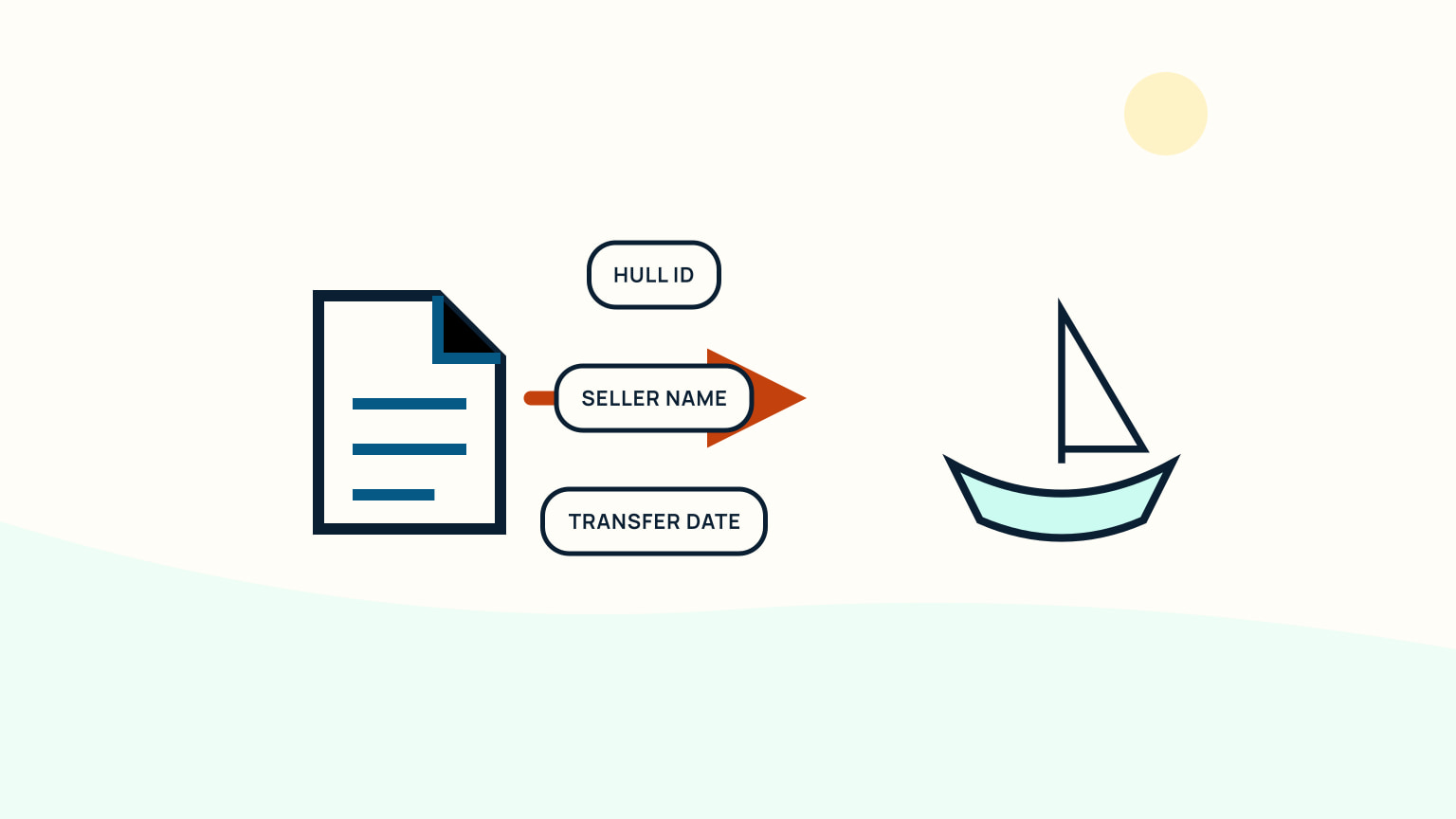
Begin with identifiers. Record vessel name, builder, model, build year as documented, hull or official number, engine and drive serial numbers, registration or flag details, and the seller's identity. Check that numbers on the boat match the documents. Explain any mismatch before closing.
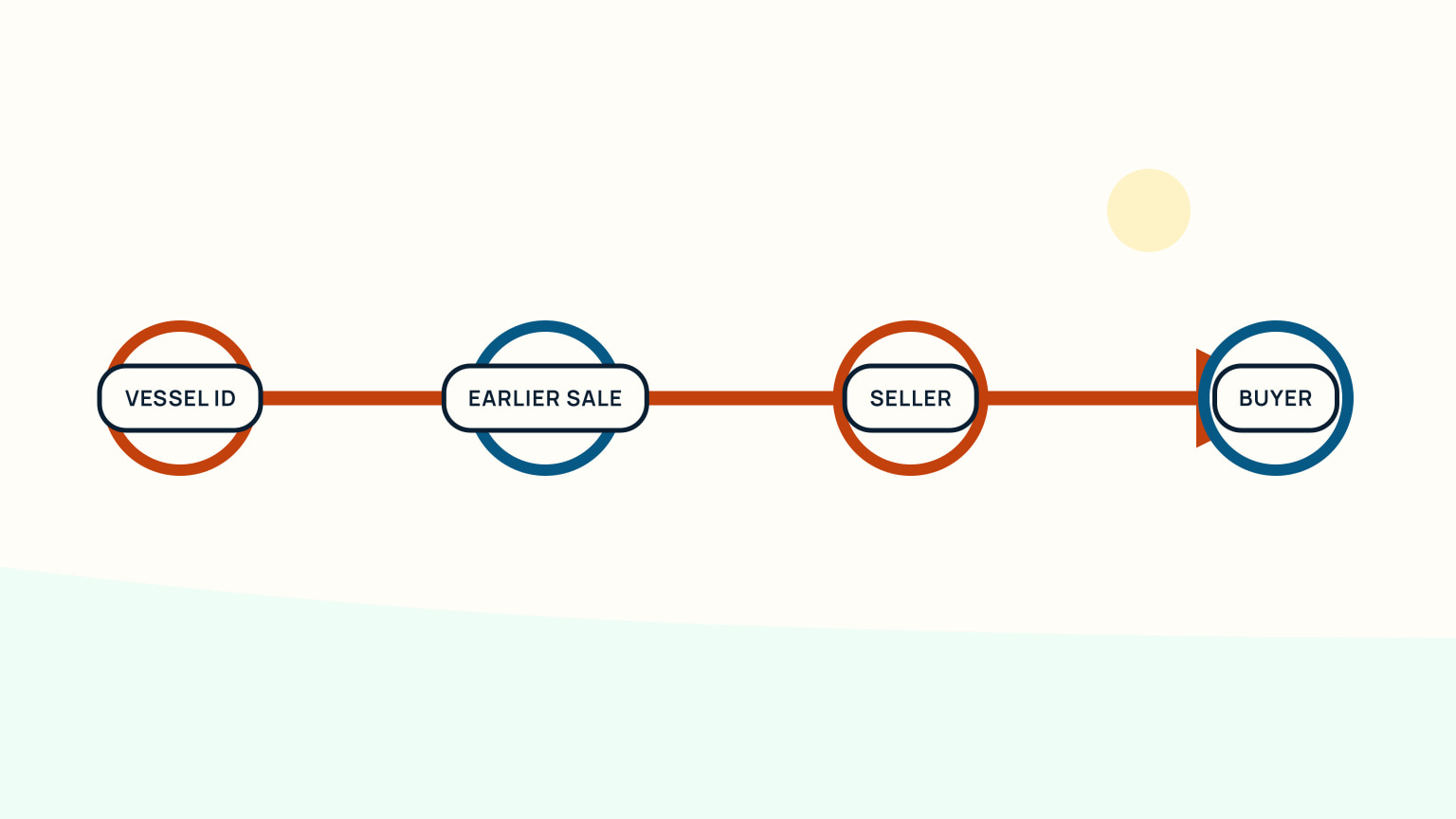
Build the ownership chain required in the relevant system. That may include earlier bills of sale, builder's certificate, title, registry extracts, probate or company authority, loan discharge, or other evidence. Do not assume a registration certificate alone proves the seller owns the boat. The legal effect differs by jurisdiction.
The signed agreement should identify the same vessel and list included equipment clearly. Confirm whether the tender, outboard, trailer, cradle, berth, electronics, sails, spares, and safety gear are part of the sale. Record excluded items too. Where the boat has finance or another recorded interest, obtain the appropriate local evidence that it can transfer as agreed.
Check authority when the named seller is a company, estate, partnership, or person acting for someone else. Ask what document lets that person sign and whether all required owners must participate. For a trailer, tender, or outboard with a separate identifier or registration system, verify its transfer independently. Keep personal identifiers out of casual email when a secure method is available. If the ownership chain cannot be explained to the standard required locally, do not solve it by adding a sentence to the bill of sale. Obtain professional advice before proceeding.
Collect operational records
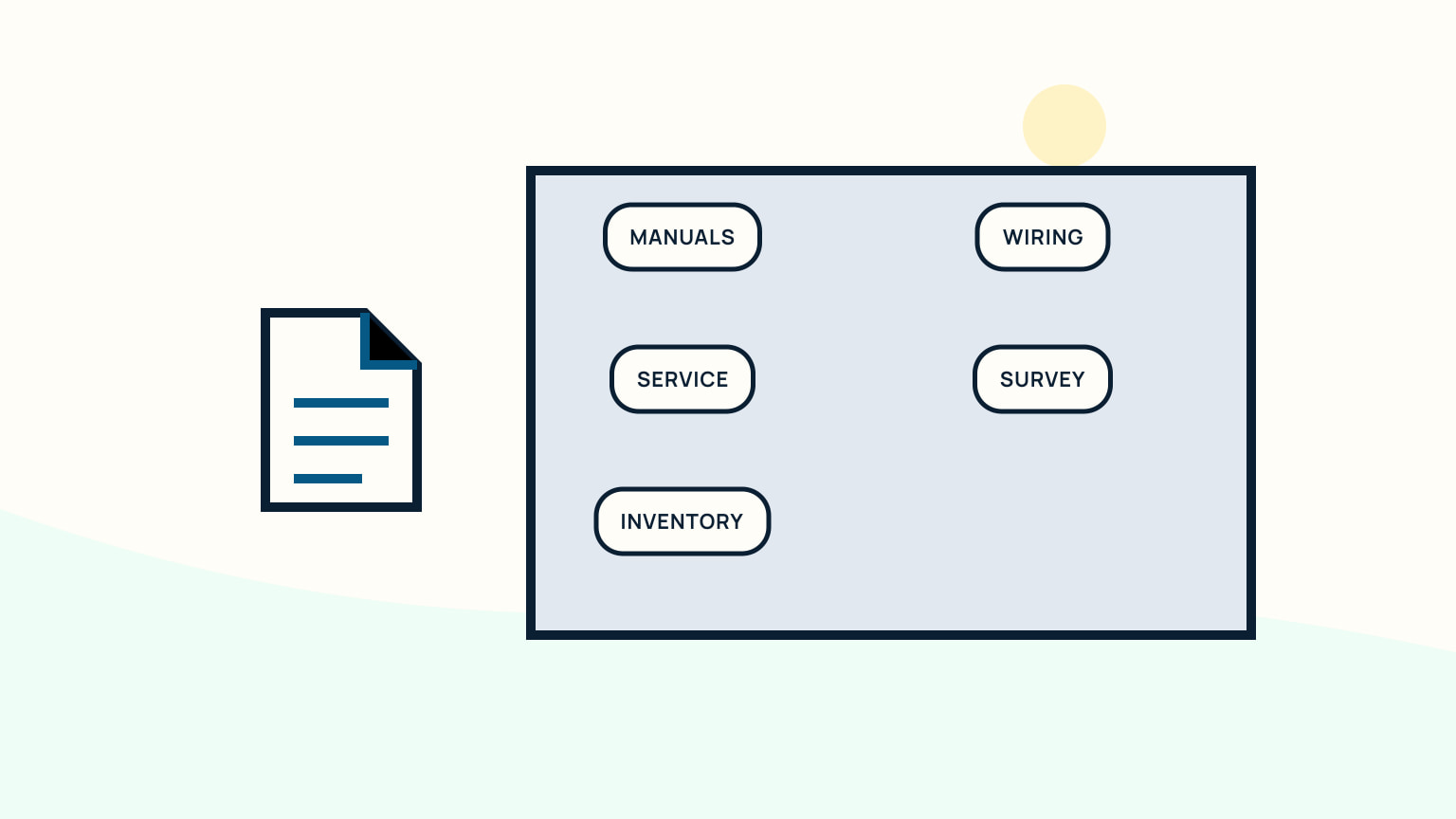
Gather manuals for the boat and every installed component you can identify. Save wiring, plumbing, rig, fuel, steering, and through-hull diagrams when available. Record model and serial numbers in an inventory so a future owner or technician can match a manual to the actual equipment.
Collect service invoices, engine-hour records, haulout history, rig reports, sail records, battery details, warranty documents, surveys, repair photographs, and commissioning notes. Arrange them by system and date. A receipt with no model or description may need clarification; a handwritten log can still be useful when it records specific work and observations.
Use the handover to locate controls, isolation points, emergency arrangements, spares, keys, and special tools. Record unresolved defects instead of letting them disappear into a box of papers. Those items feed the monthly maintenance schedule after closing.
Create a gap list while sorting. Missing engine manual, unknown battery age, unlabelled seacock, or absent rig report each gets a next action. Some gaps close with a download or photograph. Others need inspection, a specialist, or a conservative maintenance baseline. Preserve old versions of drawings when modifications are documented; they can explain abandoned cables or hose routes. Mark the current version clearly. Do not discard a survey because a newer one exists. The change between reports can show whether a recommendation was completed, monitored, or simply omitted from a different scope.
Check registration separately
Ownership, registration, tax, and permission to operate are related but distinct. Ask the authority responsible for the boat's intended flag or registration what evidence, forms, fees, markings, and timing apply. Confirm whether a change of ownership, name, home port, radio licence, or call sign requires a separate action.
Then check the places where the boat will be kept and used. Insurance, marina, lender, customs, trailer, waste, equipment, and competence requirements may add documents. A boat crossing borders can need evidence that a local day boat never carries. A borrowed or company-owned boat may need authority for the person operating it.
Write the source and verification date beside every local requirement. Rules and forms change. Advice from a seller or another owner is a useful prompt, but only the responsible current source closes the check.
Insurance often creates its own evidence list. The insurer may ask for a survey of a particular age or scope, proof that recommendations were completed, navigation limits, storage arrangements, or named operators. A lender or marina may ask for different documents. Put each request under the organization that made it. This prevents a survey accepted by one party from being assumed acceptable to another. Confirm the effective date and any condition that must be satisfied before moving or operating the boat. Keep policy wording with the certificate because the short certificate rarely contains every relevant term.

Store the evidence safely
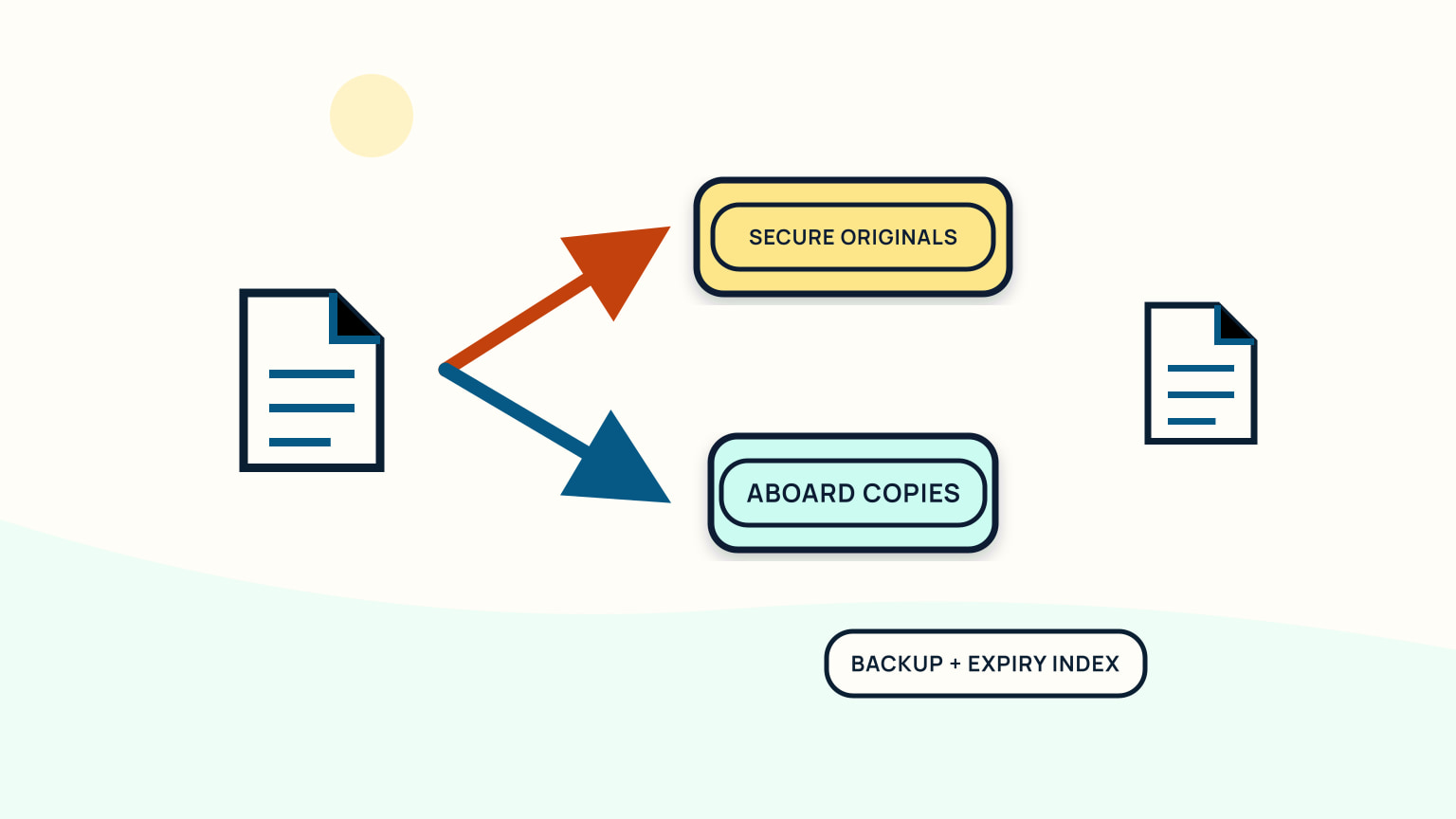
Decide which documents must travel on the boat and which originals are safer ashore. Carry protected working copies where accepted, and keep secure backups of the full file. A cloud copy helps after loss or damage, but it does not replace an original where the authority requires one.
Use consistent filenames with date, system, and document type. Keep a simple index that shows original location, renewal date, and who needs access. Protect personal, payment, identity, and security information; share only what a surveyor, broker, technician, insurer, or authority needs.
At handover, duplicate the inventory and photograph the document set received. Store signed agreements, transfer evidence, and proof of payment together. Keep editable maintenance notes separate from fixed legal records so a routine update cannot overwrite the document you may need later.
Plan for a person other than the owner to find urgent information. The aboard pack can include emergency contacts, insurer claim details, equipment manuals needed underway, and authority to operate when relevant. Keep private transaction records out of that quick-access pack unless required. Test the backup by opening files on a second device without the marina Wi-Fi. A scan that is blurred, cropped, password-locked without a shared key, or saved in an obsolete app is not a reliable backup. Review access when crew, ownership, insurer, or storage changes.
Verify local requirements
Make a final checklist for the actual transaction and route. Contact the registry or title authority, tax or customs body where relevant, insurer, lender, marina, and radio authority as applicable. Ask each one what it requires, in what form, by what date, and whether originals or certified copies are needed.
Resolve inconsistencies before closing. A different hull number, missing seller authority, unclear tax status, undisclosed finance, or inventory that does not match the agreement is not a filing task for later. It changes whether and how the transaction can proceed.
After transfer, update registrations, policies, emergency contacts, marina records, radio details, and maintenance ownership promptly under the applicable rules. Add renewal dates to the same calendar as equipment service. Verify current local rules again before international travel or a material change of use.
Record the exact page, form, office, or written response used for verification and the date you checked it. If advice conflicts, ask the responsible body to clarify in writing. Translate documents through an accepted process where required rather than relying on an informal summary. For international movement, confirm both departure and arrival needs and allow time for originals or appointments. The file should show that you possess each document and why you believe it is correct for this boat, use, and date.
Set a reminder to audit the entire file after the first season. Replace seller contact details with the current service contacts, close transfer tasks, archive expired temporary documents, and add the maintenance records created under your ownership. Check that vessel and equipment identifiers still match after replacements. A working file changes with the boat; the signed ownership chain does not. Keeping those two kinds of records distinct makes both easier to trust.
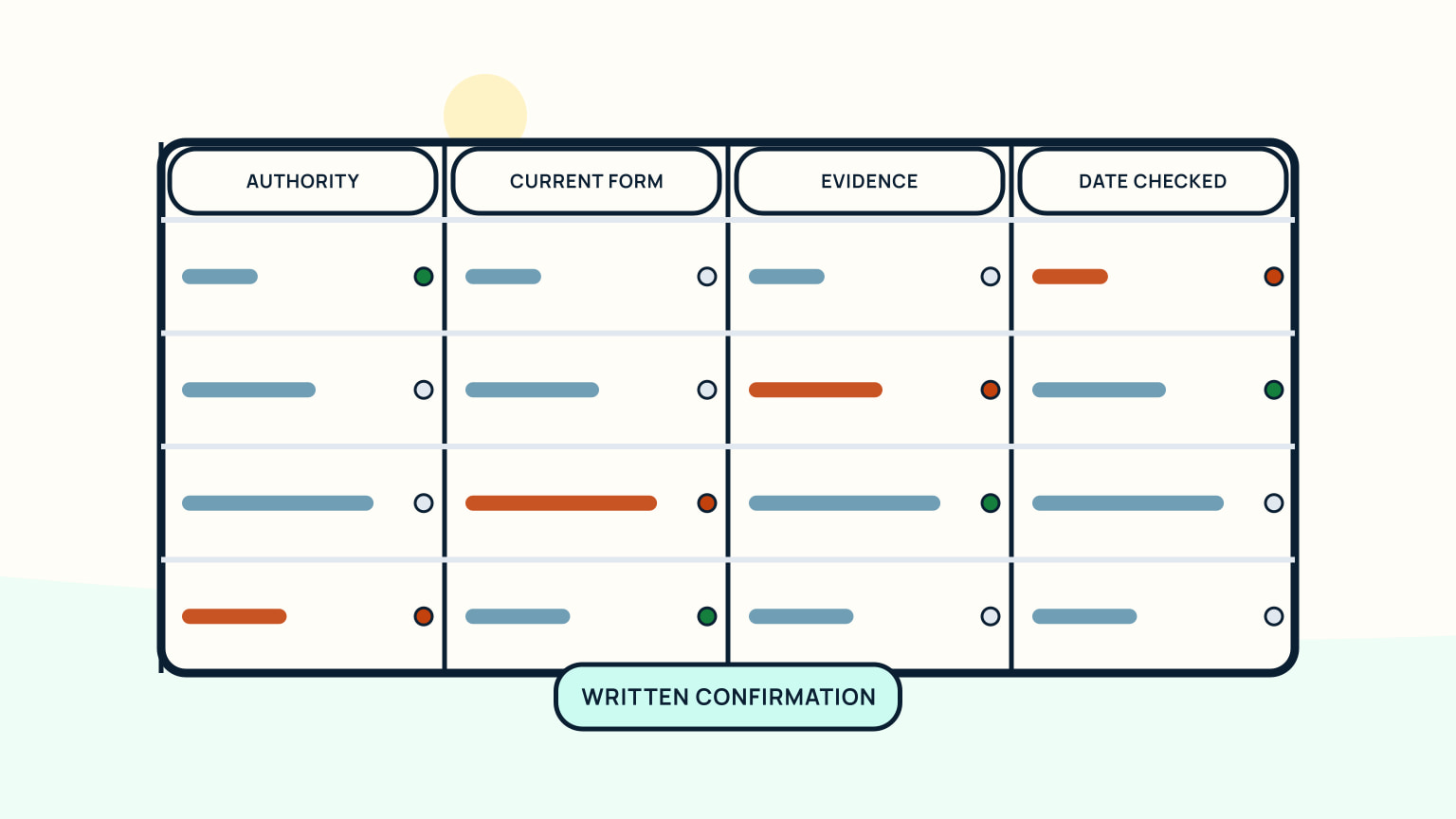
Start by matching the boat's physical identifiers to the seller's evidence, then build the operational file and local compliance list around that identity. Bring unresolved condition questions to the listing-reading guide and a surveyor. SailStarter can help you understand the systems named in records, while the responsible authorities and local advisers determine what documents have legal effect.
Try it from the lesson
Can you spot the next move?
A wide sailboat glides past on two side-by-side hulls, barely leaning at all. What type is it?
Why you can trust this guide
. We build each guide from public seamanship and safety sources, then teach the universal principle before any local difference.