Chart your course
Sailboat Financing and Boat Loans Explained
Quick answer
The short version
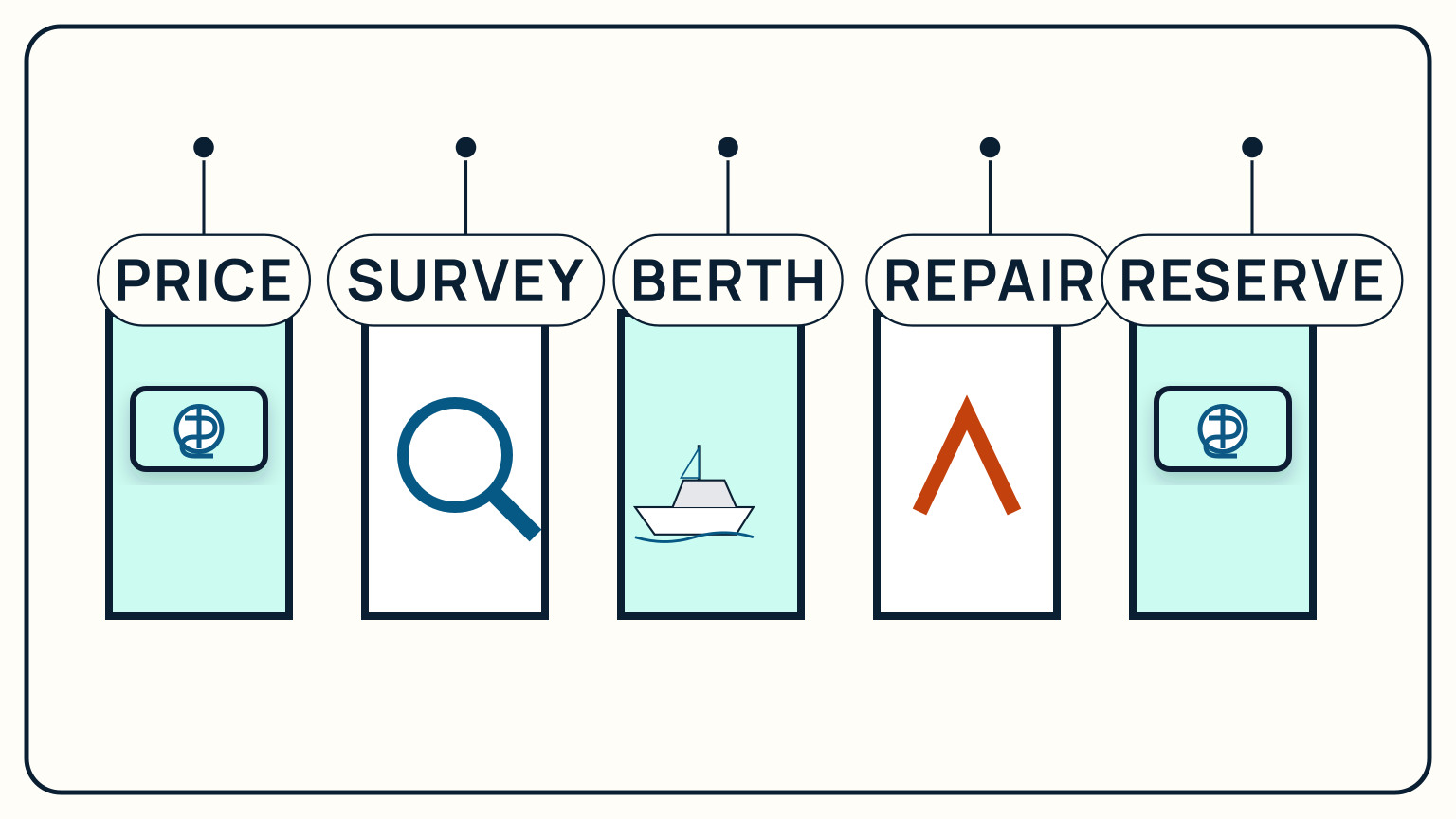
A sailboat loan finances part of a purchase; it does not establish whether the boat is affordable to own. First total the cash needed for the purchase, survey, insurance, berth, initial work, safety equipment, and a reserve. Then ask lenders what they require from both you and the particular boat. Compare rate, term, payment schedule, fees, security, insurance conditions, and total borrowing cost from the written offers. Keep final funds, signed documents, active insurance, and possession coordinated at closing.
Loan availability and terms vary with the applicant, lender, boat, and jurisdiction. A pre-approval can show that a lender is willing to consider you, yet it may not approve an older boat, a specific value, or your intended use. Treat every offer as conditional until the lender confirms its boat evidence and closing requirements. A smaller payment is not automatically the cheaper choice if it comes from a longer term or leaves too little cash for the costs that begin after closing.
Set A Full Ownership Budget
Start with the purchase money you must provide yourself. Add survey and haulout costs, insurance, berth or storage, closing expenses, transport, and any work needed before normal use. Ownership continues beyond the sale price, so include expected maintenance and a separate emergency reserve. If the reserve exists only because you expect to borrow it later, the plan is exposed to both a boat problem and another credit decision.
Place each amount in one of three groups: required before closing, required before the boat can be used as intended, and expected during ownership. This prevents an attractive purchase price from hiding a boat that needs substantial work before launch. Where condition is uncertain, use a scoped quote or leave the amount visibly unresolved. Do not fill the gap with the lowest number you hope to hear.
Test the budget against the payment rather than building it around the payment. Subtract the loan payment and routine ownership costs from the money available each month, then ask whether the repair reserve can still recover after it is used. Compare the finished cost with a ready-to-use alternative as well as with other project boats. A financed bargain that cannot be berthed, insured, repaired, or operated within the same plan is not yet an affordable boat.
Create a second version of the budget in which one uncertain repair moves into the first season and one regular cost rises at renewal. This is a sensitivity check, not a forecast. It shows which assumption controls the decision. If a modest change consumes every remaining margin, the useful response is to lower the purchase commitment or wait, rather than persuading yourself that two unfavorable events cannot coincide.
Prepare For Underwriting
Ask each lender for its current document list before making an offer. Lenders can request financial information, a sales contract, and a marine survey for a used boat. They may also set requirements for valuation, down payment, insurance, security, and closing. Obtain the answer for the boat type, age, value, and intended use you are considering instead of assuming a general loan advertisement applies.
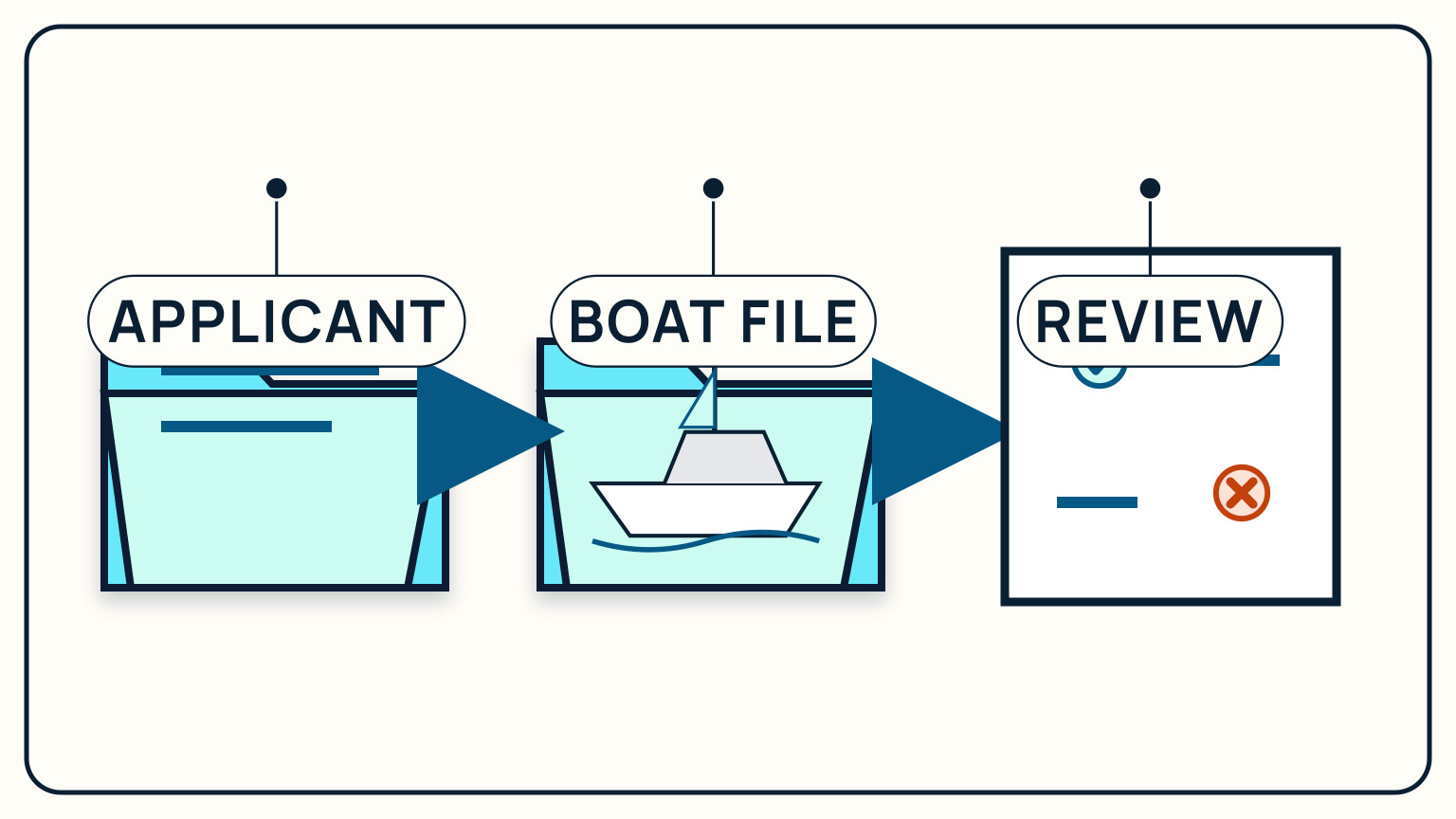
Build two files. The applicant file contains the financial information the lender requests. The boat file contains the contract, identifying details, survey or valuation material, insurance information, and any other evidence named by the lender. Keep copies of what you submit and record the date. If information changes, update it directly rather than hoping an earlier approval survives a different boat or price.
Read conditions as tasks with owners and deadlines. Decide who arranges the survey, who supplies ownership papers, when insurance must be active, and what must happen before funds can be released. If the lender declines the boat, separate that result from your feelings about the purchase. The refusal may concern its own security requirements rather than the boat's entire suitability, but it still means that financing route is closed unless the lender provides another acceptable option in writing.
Keep underwriting changes visible. If the price, boat, applicant information, intended use, or closing date changes, ask whether the lender needs a revised submission. Do not assume a conversation with one representative automatically updates every approval condition. Save the new answer beside the earlier one, with its date. The goal is a final file that matches the transaction being closed, not a collection of individually encouraging messages about earlier versions.
Compare The Loan
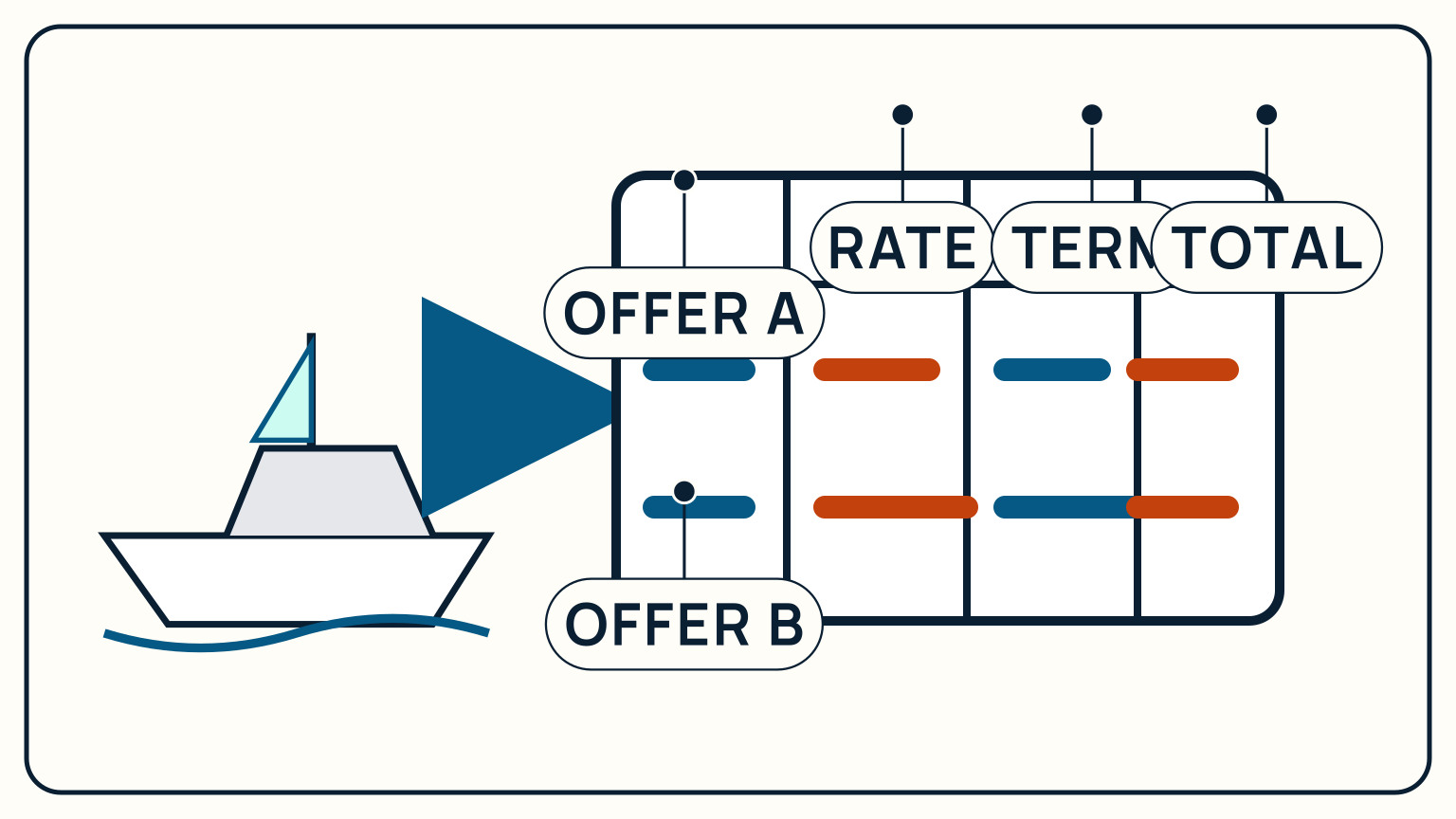
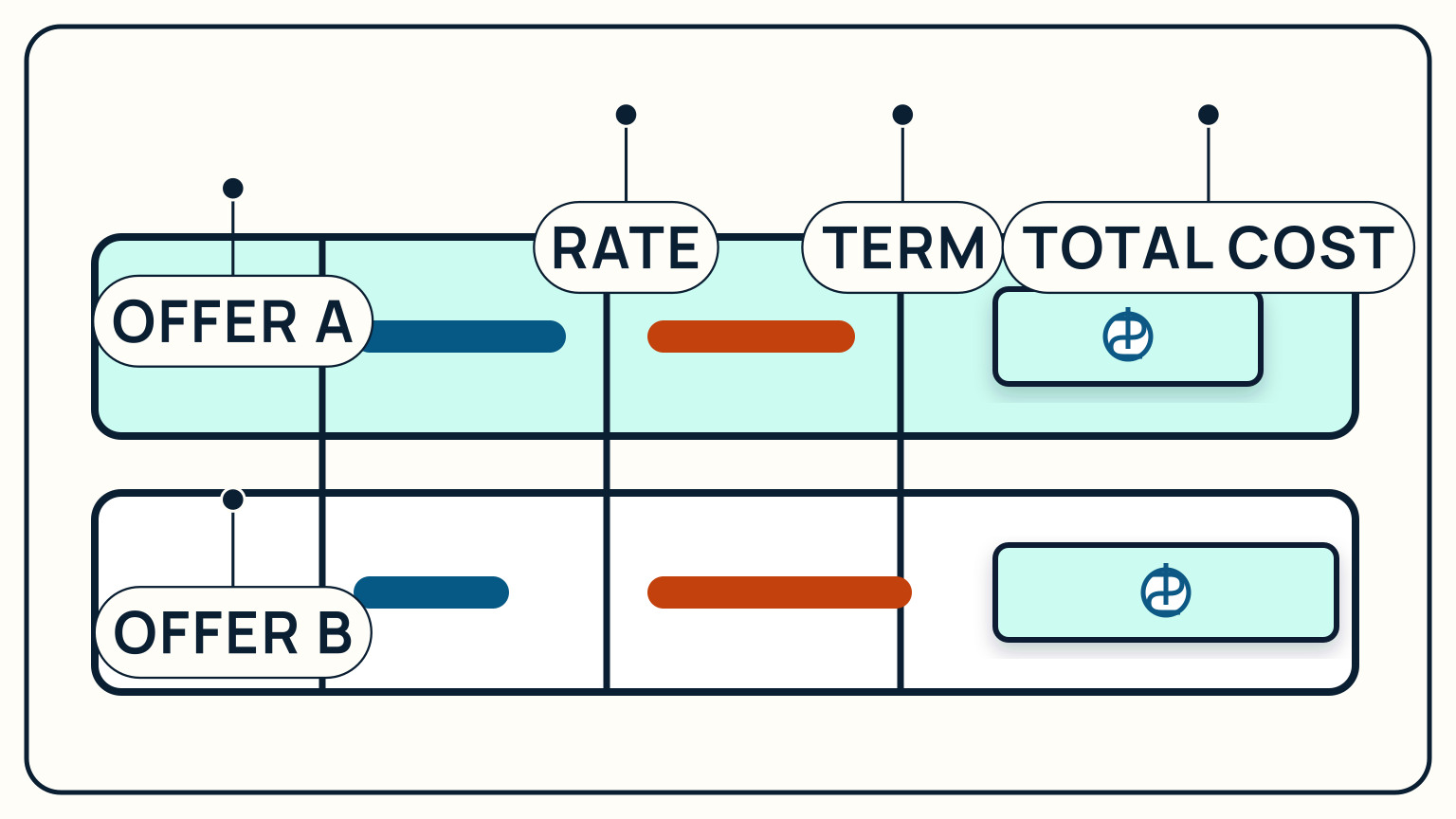
Put written offers into aligned rows. Record the amount financed, your cash contribution, interest rate, term, payment schedule, fees, total cost, security, insurance requirements, and any early-repayment terms. Use the lender's own documents for the comparison. A verbal summary may omit a fee or condition that appears clearly in the agreement.
Read rate, term, and total cost together. Extending a term can reduce the regular payment while increasing the time the debt remains and changing the total paid. A lower advertised rate can still accompany different fees or conditions. The comparison figure keeps the same criteria in each row so one appealing number cannot distract from the rest of the offer.
Then return both offers to the ownership budget. Ask how much cash remains after down payment and closing, whether the payment competes with the maintenance reserve, and what happens if the boat cannot be used for a period. Avoid treating borrowed capacity as permission to spend the maximum. Choose only after the loan and the non-loan costs fit together. If neither leaves a workable reserve, change the boat, price, cash contribution, or timing rather than forcing a winner.
Read the default, security, and insurance clauses with the same attention as the rate. You need to know what asset secures the agreement, what coverage must remain in force, and which events allow the lender to demand action. These terms vary, so summarize only the language in your offer and confirm unclear points with the lender or an appropriate adviser. A comparison sheet should link back to the exact clause rather than replace the agreement.
Close With The Boat Protected
Before closing, confirm that every lender condition has been completed and that the final documents match the agreed boat, price, and loan. Check when insurance becomes active and who bears responsibility before and after possession. Arrange the berth, storage, or delivery so the boat has a lawful and practical destination when ownership changes.
Keep the movement of funds controlled. Verify instructions through a trusted contact method, particularly after any change. Do not send money merely because a closing date is approaching. Signed papers, active insurance, approved funds, and a clear possession plan should converge before the handover. If one element is missing, identify who must resolve it and whether the contract permits more time.
Retain the signed agreement, loan documents, insurance confirmation, payment record, ownership papers, survey, and handover inventory. The first loan payment is only one future date. Add renewal and service dates from the boat plan to the same calendar, and review the ownership budget after the first real months of use. That comparison will show whether the estimate was sound or whether discretionary spending should wait while the reserve rebuilds.
Perform a closing-day reconciliation before accepting possession. The amount from the lender, your own contribution, deposits already paid, and authorized closing charges should explain the complete movement of money. Resolve an unexplained difference before release. Afterward, store proof of payment separately from login credentials and keep a second copy of the signed papers. Good records make later insurance, sale, or refinancing questions much easier to answer.
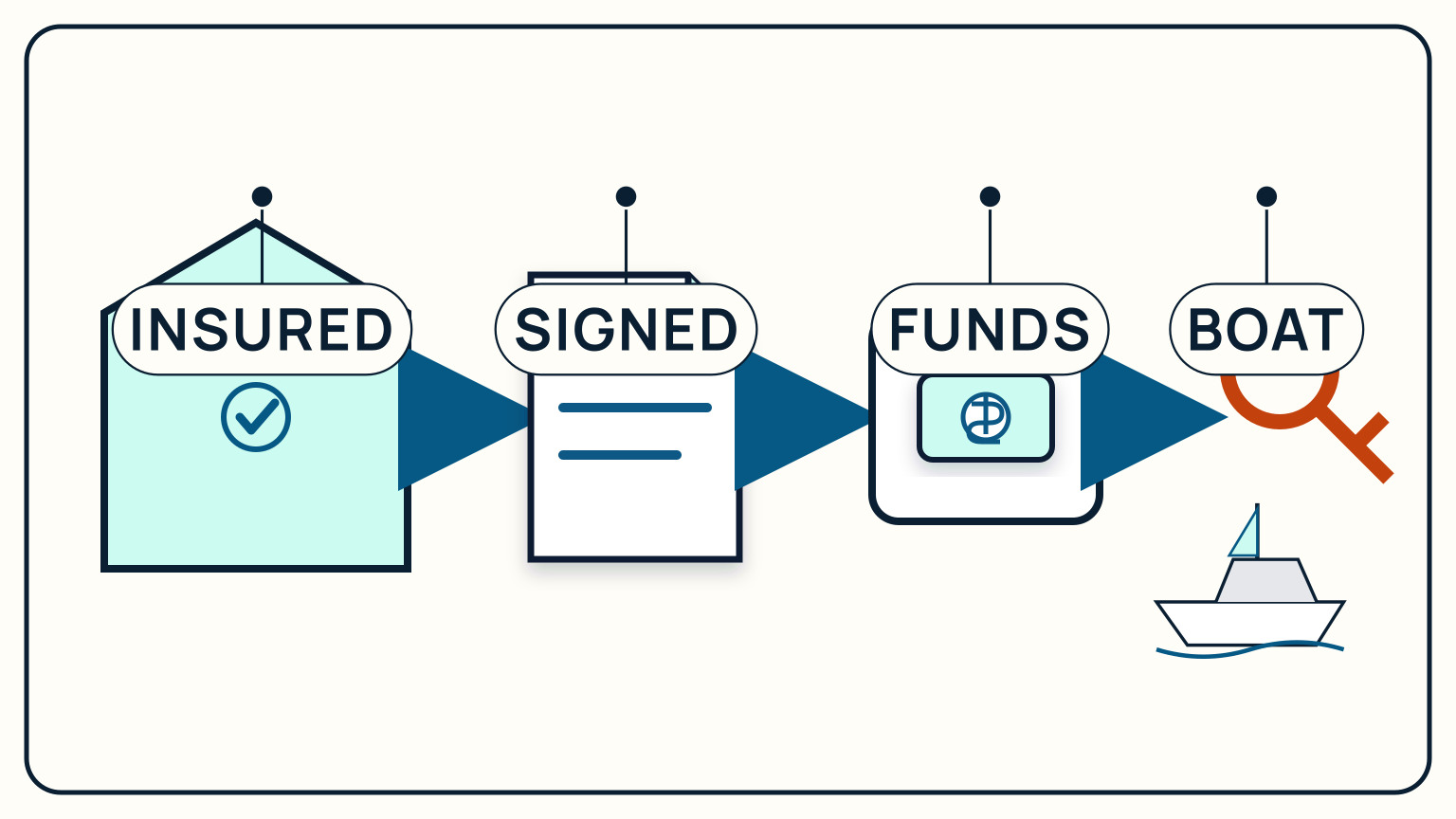
Financing can preserve cash for a sensible purchase, but it can also hide the gap between buying a hull and owning a usable boat. Keep the lender decision, condition evidence, and household budget separate enough to challenge one another. SailStarter's ownership lessons can help you review the boat-side plan. The lender, insurer, surveyor, and local closing professional remain responsible for the requirements and judgments within their own roles.
Set a date to review the decision before accepting an offer. Bring the current boat budget, both loan rows, survey findings, and remaining conditions to that review. If a number has no document behind it, mark it as uncertain. If a condition has no owner, assign one or pause. This quiet second pass catches more than another search for a marginally lower advertised rate.
Write the decision and its reasons on the comparison sheet. Later changes can then be measured against the assumptions that actually justified the loan.
Try it from the lesson
Can you spot the next move?
A wide sailboat glides past on two side-by-side hulls, barely leaning at all. What type is it?
Why you can trust this guide
. We build each guide from public seamanship and safety sources, then teach the universal principle before any local difference.