Chart your course
Saildrive vs Shaft Drive
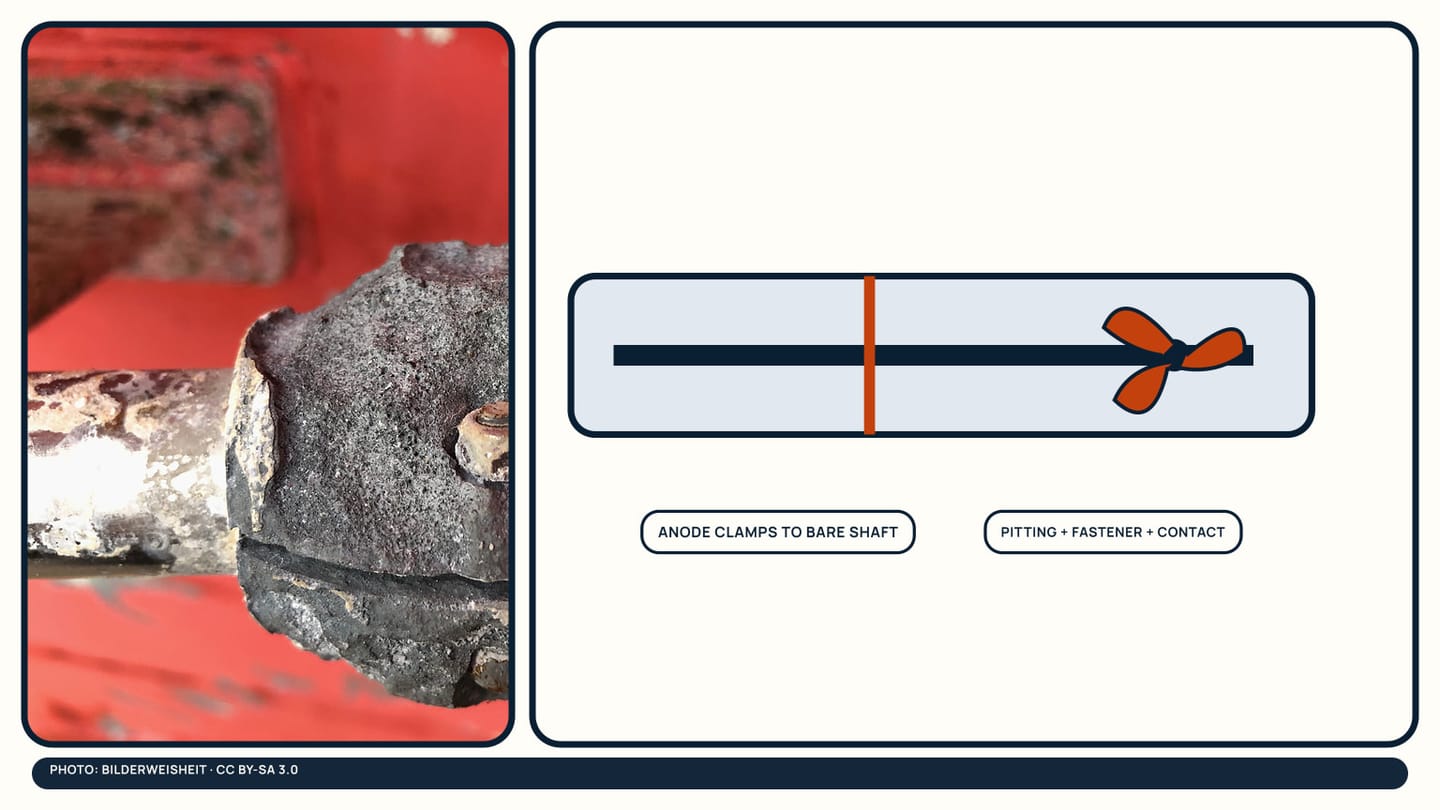
Quick answer
The short version
A saildrive sends power through a compact geared leg that passes through the hull. A shaft drive sends power from a gearbox through a coupling, shaft, hull seal, supports, and external propeller. Neither layout is automatically better. Compare the exact installation, service history, water seals, lubrication, corrosion protection, alignment, propeller compatibility, and access. A well-documented saildrive with current seal work may be a lower-risk purchase than a neglected shaft system, and the reverse can be true. Use the engine, drive, seal, and propeller manuals to price future work; generic replacement intervals and forum reputations are not evidence for the boat in front of you.
The layouts place components in different spaces and create different service paths. That affects cabin arrangement, engine position, underwater hardware, and the route a technician takes to inspect or replace parts. Begin with a physical map and the installed model numbers. If you are comparing listings, use the listing-reading guide to separate seller description from records.
The two layouts route power differently, which changes the seal, the service points, and the access needed to reach them.
| Dimension | Saildrive | Shaft drive |
|---|---|---|
| Power path | Compact geared leg through the hull | Gearbox to coupling, shaft, hull seal, supports, external propeller |
| Hull seal | Manufacturer-designed sealing arrangement (e.g. diaphragm) | Stuffing box or other shaft seal |
| Key service points | Gear oil, hull seal, seal sensor, flexible mounts, anodes, propeller hardware | Coupling and alignment, shaft seal, hoses/clamps, shaft and support condition, anodes |
| Access for major seal or shaft work | May need engine or drive movement | May be limited by rudder, skeg, or space behind the gearbox |
| What thrust transfers through | Drive mounts and housing | Shaft bearings, struts, and supports |
See the two layouts
In a saildrive, the engine connects to a drive unit whose vertical or angled leg carries gears through a hull opening to the propeller. The installation includes a manufacturer-designed water-sealing arrangement between drive and hull. Cooling-water openings, gearcase, anodes, coating, propeller, and oil service points may be part of the unit.
In a shaft system, the engine gearbox connects to a coupling and shaft. The shaft passes through a stuffing box or other shaft seal, then may run through a tube, bearing, strut, or other support before reaching the propeller. The particular seal and support have their own instructions.
Draw only what is fitted. Add engine, gearbox or saildrive, coupling, hull seal, supports, anodes, and propeller. Mark where each item can be reached inside and outside the boat.
Note how thrust reaches the hull. The drive or shaft system transfers propeller load through mounts, bearings, housings, or structural supports designed for that installation. Do not treat the visible propeller as an isolated accessory. During inspection, look for movement, damaged supports, cracked surrounding structure, loose fasteners, and modifications, then leave alignment and structural conclusions to the appropriate specialist. Add the exhaust and cooling-water arrangement to a separate engine diagram; they influence access but are not part of the mechanical power path shown here.
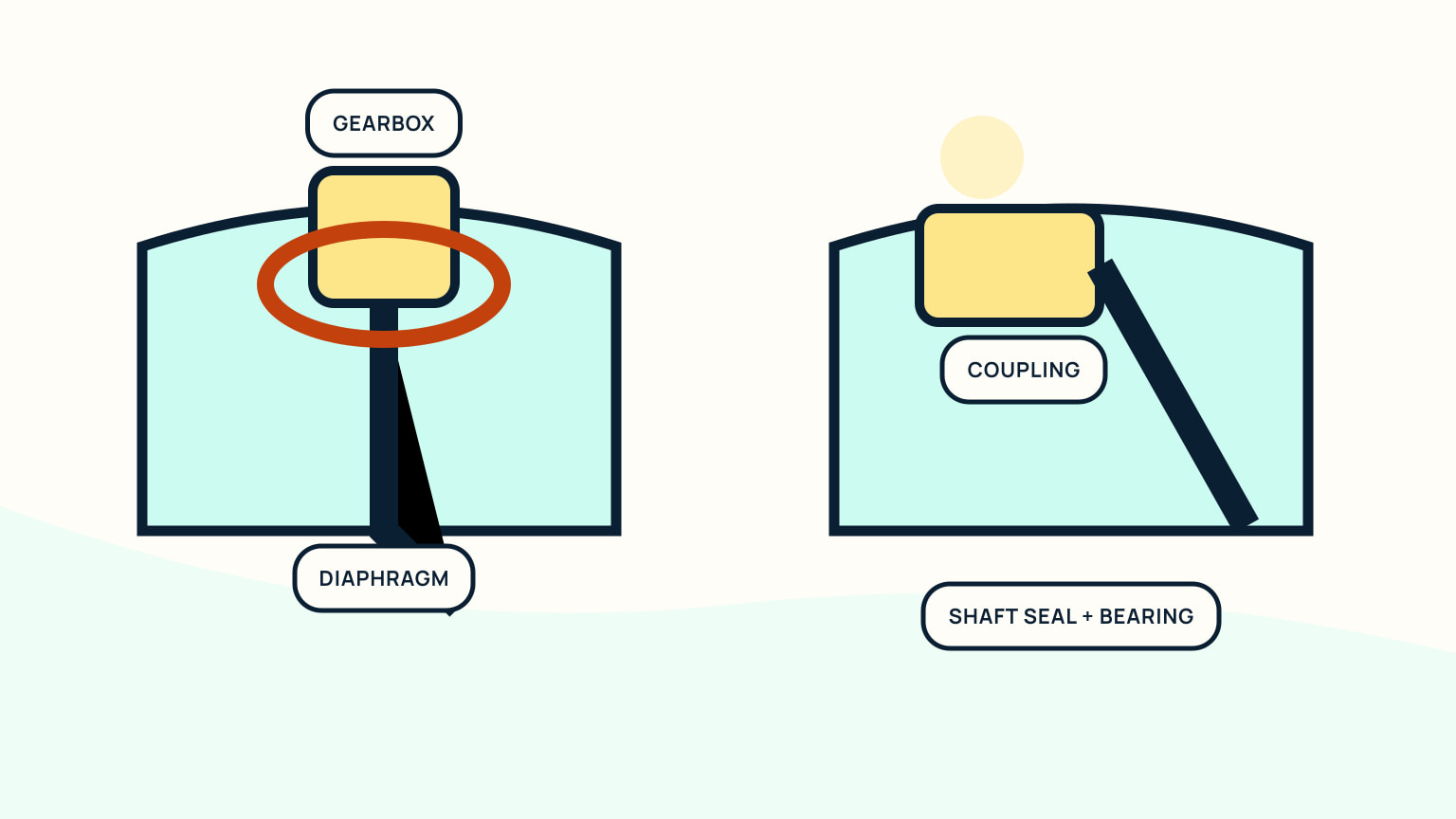
What are the service points?
For a saildrive, check the manual for gear oil, water ingress evidence, diaphragm or other hull seal, seal sensor where fitted, flexible mounts, cooling-water openings, coating repairs, anodes, propeller hardware, and shifting controls. The model schedule controls inspection and replacement. A seal warning or unexplained oil condition deserves prompt qualified assessment.
For a shaft drive, identify coupling fasteners and alignment procedure, shaft seal type, hose and clamps where used, lubrication or adjustment, shaft and support condition, anodes, propeller attachment, and any cutless or other bearing. Do not apply a stuffing-box procedure to a face seal or another design.
Both arrangements rely on engine mounts, controls, and a compatible propeller. Record every component model and the last known service, then build costs from those instructions rather than one label.
Make a haulout checklist before the boat leaves the water. Some evidence changes after pressure washing, oil draining, anode removal, or propeller work. Photograph growth, coating, leakage traces, fishing line, impact marks, and anode condition first. Ask the technician which samples or measurements they want preserved. For internal access, remove stored gear but do not dismantle covers the surveyor expects to see in place until agreed. A complete service map includes both what can be inspected afloat and what must wait for dry access.
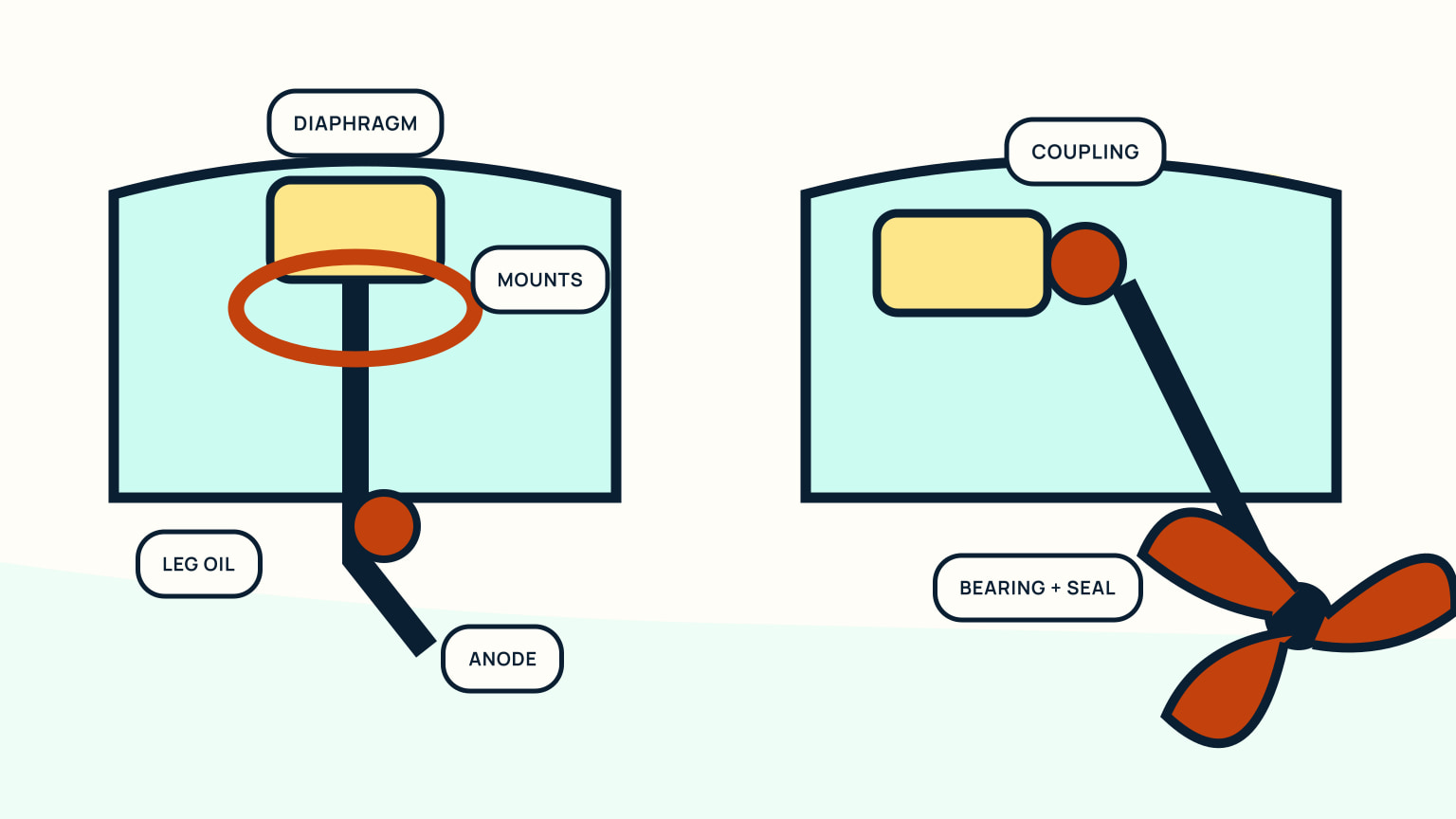
What should you ask about seals and access?
A saildrive's hull seal is a planned maintenance item with manufacturer-specific inspection and replacement instructions. Ask for invoices, dates, model, replaced hardware, and evidence that the work followed the relevant procedure. Inspect accessible areas for water, corrosion, damaged coating, or a triggered sensor without assuming the source.
A shaft installation also has a hull opening and seal. Ask which design is fitted, how it is cooled or lubricated, what normal leakage or dryness means for that exact model, and when hoses, clamps, bellows, packing, or faces were serviced. The answer “dripless” is a category, not a maintenance record.
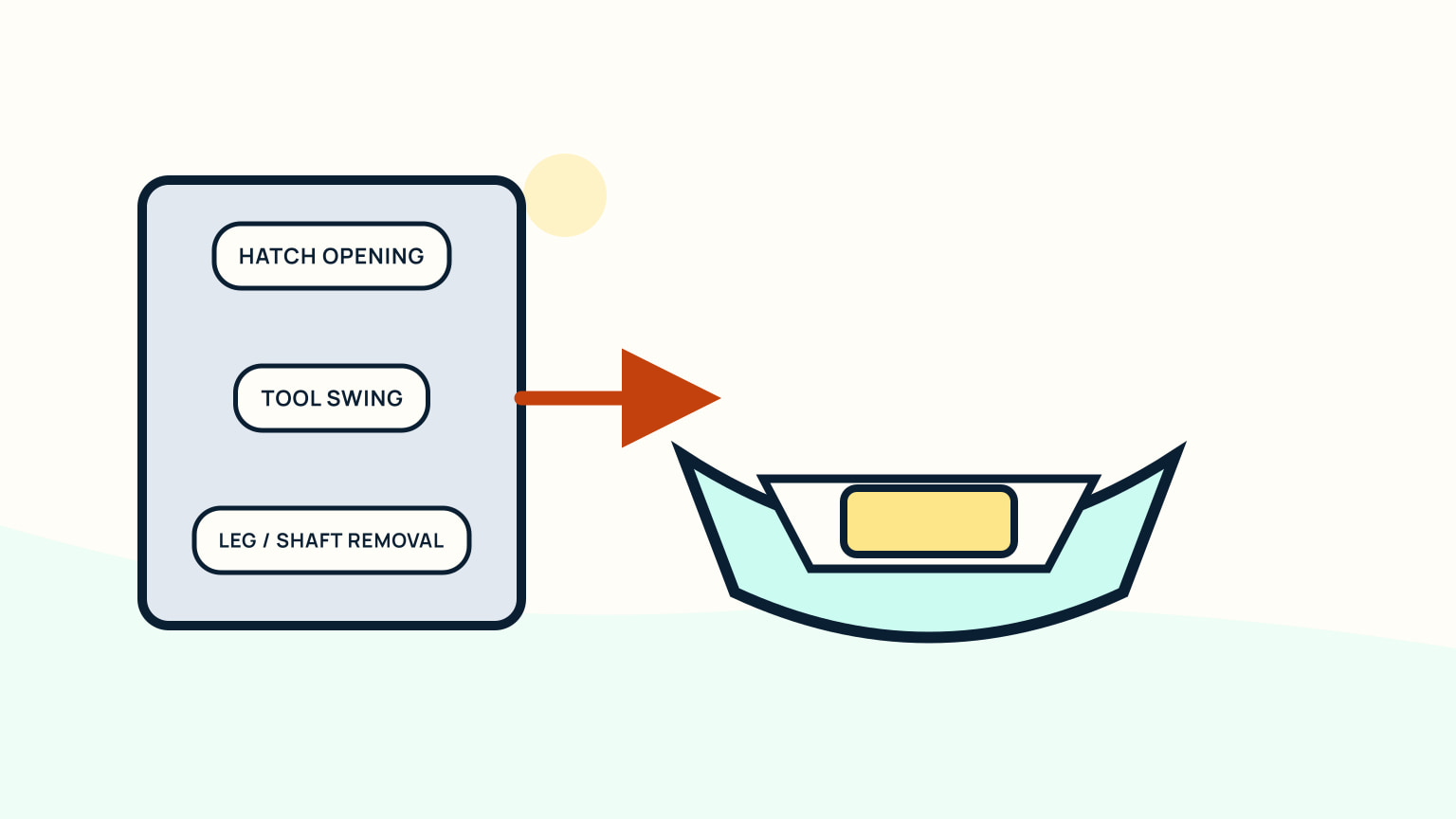
Test access. Can you see and reach the saildrive seal around its full perimeter? Can a technician reach the coupling and shaft seal with tools? What furniture, tank, or engine component must move for replacement? Price that path before choosing.
Ask what must be removed for the largest scheduled job. Saildrive seal work may need engine or drive movement, depending on the installation. Shaft removal may be limited by rudder, skeg, interior coupling access, or space behind the gearbox. Do not assume a visible seal is replaceable through the same opening used to inspect it. Obtain a method and quote from someone familiar with the model and boat. Record whether quoted work includes haulout, alignment, new clamps or hardware, coating repair, launch, and post-launch leak checks.
Match maintenance to the model
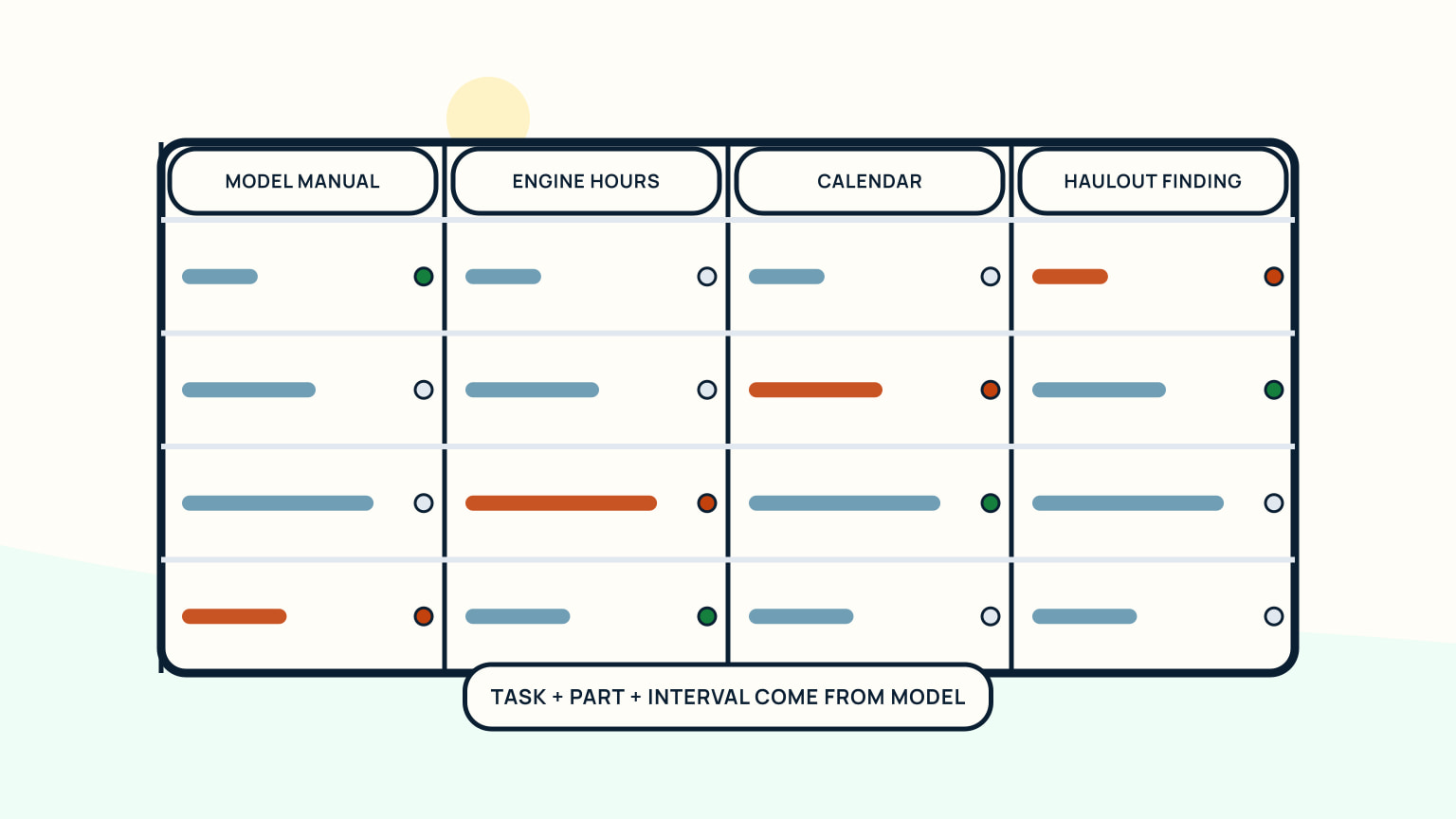
Collect the engine, gearbox or drive, seal, and propeller manuals. Build one timeline from their calendar and operating-hour intervals. Include haulout tasks because underwater coating, seals, anodes, propeller mechanisms, and water inlets may be visible only ashore.
Do not transfer sailing instructions between models. The correct gear-lever position with the engine stopped can differ between a fixed, folding, or feathering propeller and between drive models. Follow the combined engine, drive, and propeller guidance for the installed package.
Record oil appearance, leakage, vibration, shifting behaviour, propeller condition, anode loss, and changes after impact or grounding. A trend helps a technician; a generic statement that one drive type “always” has a problem does not. The maintenance calendar keeps model-led work visible.
Keep service evidence tied to the exact component. An invoice saying “drive service” should identify oil, seals, anodes, coating, propeller work, and observations if those were included. Ask whether replaced oil showed water or metal and whether a seal sensor was tested. On a shaft system, record coupling, alignment, seal, bearing, and propeller separately. Broad descriptions can create false continuity when only one part was touched. Photograph model plates and retain old part numbers so the next owner or yard does not rebuild the history from appearance.
Choose from evidence
For a used boat, compare condition and history on the same lines. Confirm installation model, age as documented, service records, seal history, oil or leakage evidence, corrosion, impact, propeller fit, access, and local specialist support. Obtain a qualified inspection when the history is incomplete or a finding is unclear.
Price the next known service and the largest named uncertainty. For a saildrive, that may involve seal access, haulout, coating, or gearcase work. For a shaft system, it may involve alignment, shaft removal, support, or seal access. The categories do not predict which quote will be larger on this boat.
Finally, weigh the whole vessel. A drive layout should not rescue a poor hull, rig, engine, or ownership fit. Choose the boat whose complete propulsion system you can inspect, understand, maintain, and support.
Use a specialist quote to resolve the expensive unknowns before purchase. Ask for current condition, next scheduled work, access assumptions, parts availability, and what evidence could change the scope. Compare the answer with storage and haulout timing. If a seal or shaft job is due soon, doing it during an already planned haulout may be efficient; postponing it to preserve the first season may conflict with the manual or inspection. The decision should show both cost and calendar, because a supported system you cannot book locally may still delay the boat.
Ask how a future owner will prove that the critical service happened. Photographs, oil observations, seal invoices, alignment readings, anode history, and launch checks can preserve far more than a line saying “drive serviced.” Keep records by component rather than under one propulsion heading. If a yard uses its own shorthand, request the scope and parts. This documentation helps a later surveyor distinguish completed model-led work from a routine haulout where the drive was merely visible.
Identify the actual drive and make a complete, model-specific service map before forming a preference or accepting a seller's description. If records or seal condition are uncertain, arrange the relevant inspection and quote. The propeller comparison explains the moving part at the end of either system. SailStarter lessons can build your systems vocabulary, while the installed manuals and qualified technicians determine the boat-specific work.
Keep the component record current.
Try it from the lesson
Can you spot the next move?
The engine is idling, the boat is safely secured and the propeller area is clear. What should you confirm before departure?
Why you can trust this guide
. We build each guide from public seamanship and safety sources, then teach the universal principle before any local difference.