Chart your course
Sailboat Maintenance Schedule by Month
Quick answer
The short version
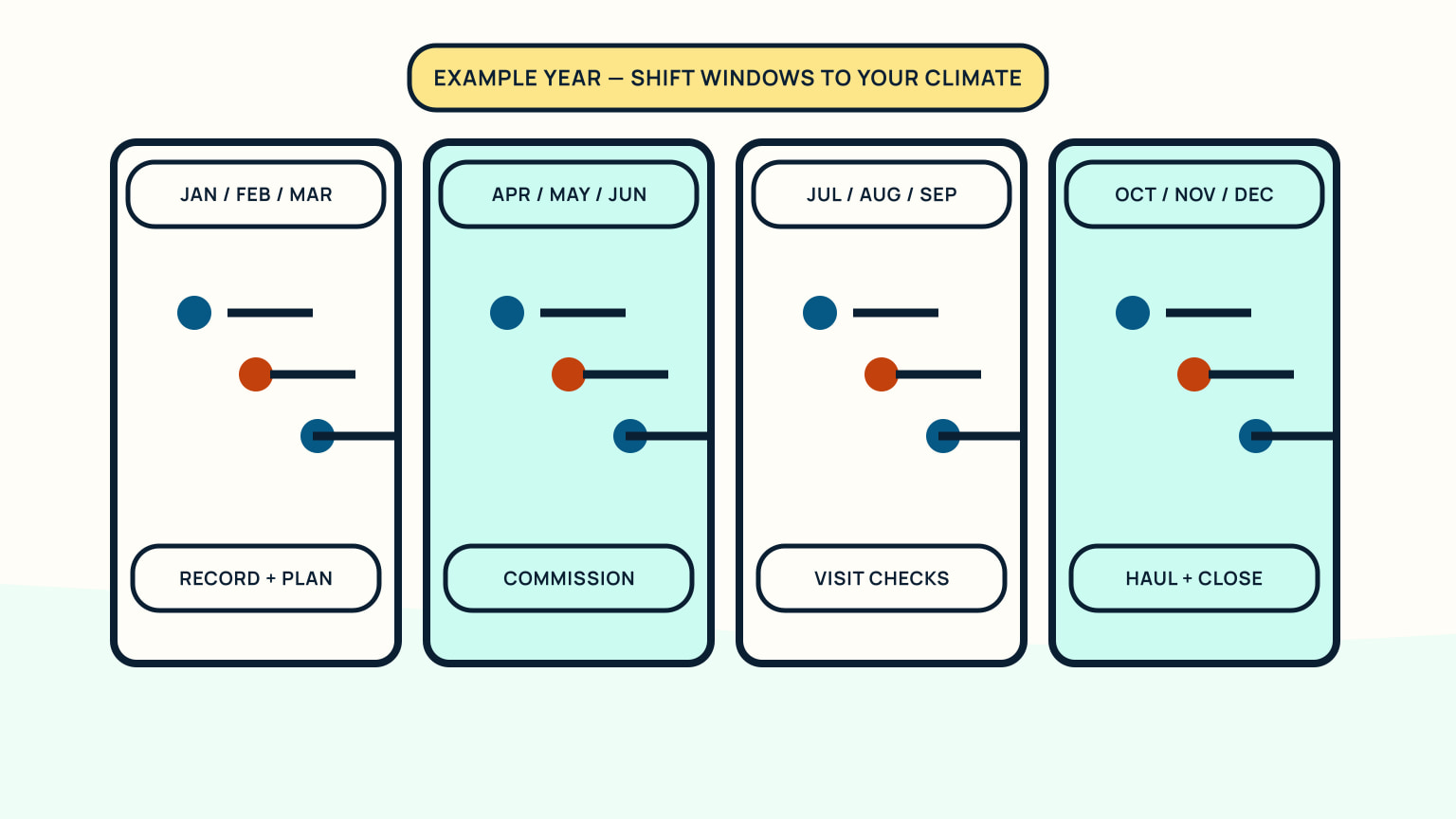
A sailboat maintenance schedule works best as a rolling twelve-month record, not a copied list of jobs assigned to fixed dates. Put the boat's manuals, service history, operating season, and haulout dates on one calendar. Add frequent visual checks, periodic system checks, and work that needs seasonal access. Each month, close completed items and carry unresolved defects forward with an owner and a date. The month names can move when climate or use changes. The important part is the cadence: notice changes early, reserve access before it is needed, and follow each installed component's own service interval.
January is not winter everywhere, and July is not every boat's busiest month. That is why a universal calendar should describe a rhythm rather than pretend that all boats share one season. Start wherever you are now. The first pass creates a baseline; later passes become easier because you can compare the boat with its own earlier condition. This method also keeps cosmetic jobs from crowding out leaks, steering, propulsion, rigging, or other work that affects a safe return to use. The general maintenance checklist can help you name systems, while the calendar below gives those checks a home.
Start with the boat record
Open a page for each major system and list the exact equipment fitted. Record maker, model, serial number, manual location, last known service, and the next interval stated by that manual. Add the boat's launch, haulout, storage, insurance, and yard dates. Unknown history is not a blank to fill with a guess. Mark it unknown and decide what inspection would establish a useful baseline.
Then walk the boat without tools. Photograph the machinery space, bilge, batteries, deck fittings, rig terminals, steering gear, seacocks, pumps, and underwater hardware when accessible. Note leaks, corrosion, staining, damaged hoses, loose fasteners, unusual smells, and changes from earlier photographs. A clean bilge and machinery space make later changes easier to see.
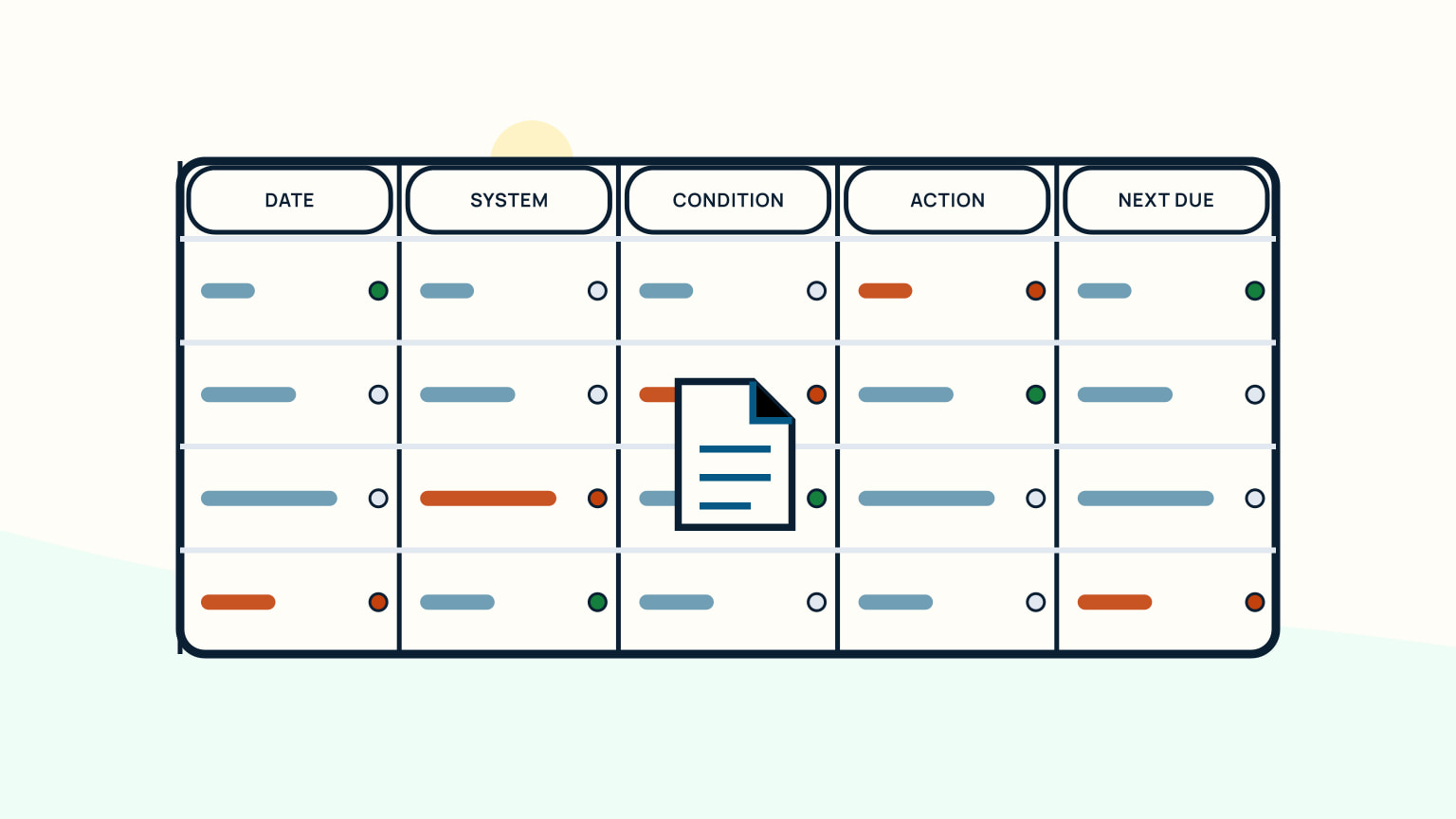
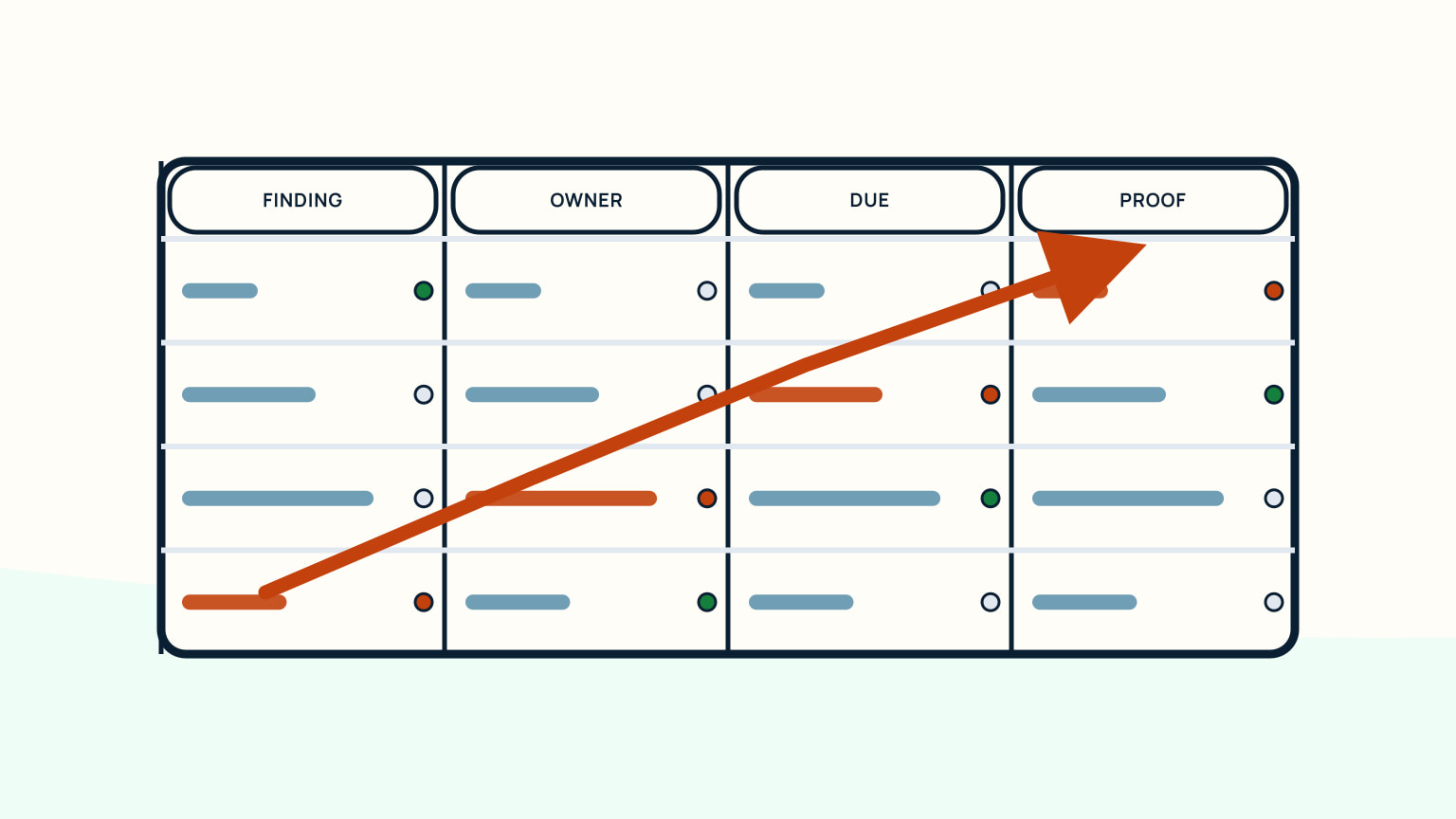
Use four simple statuses: observed, due by manual, booked, and complete. Keep unresolved findings separate from routine jobs. “Port locker damp after rain” is an observation. “Replace hatch seal” is a diagnosis that still needs evidence. That distinction stops a calendar from becoming a pile of confident but untested repairs.
Set up the record so another person can use it. Put manuals and drawings behind the equipment entry, keep invoices in date order, and link photographs to a location rather than a vague album. If a survey report recommended follow-up, copy the exact action and its priority into the open list. Add operating hours only for equipment whose schedule uses them. The record should also say where an item was inspected. “Steering checked” may mean only the cockpit was seen; “quadrant, cable ends, sheaves, and pedestal checked through listed access panels” preserves the scope. This precision prevents last year's partial look from becoming this year's assumed full inspection.
Build a month-by-month rhythm
Divide the year into repeating layers. Every visit can include a short visual round: bilge level, new leaks, line chafe, battery or panel warnings, fuel or burnt odours, cooling-water evidence after starting, and anything that changed since the previous trip. Periodic checks cover systems that need a closer look but not on every visit. Seasonal work captures jobs that need dry storage, mast access, a lift, or a quiet berth.
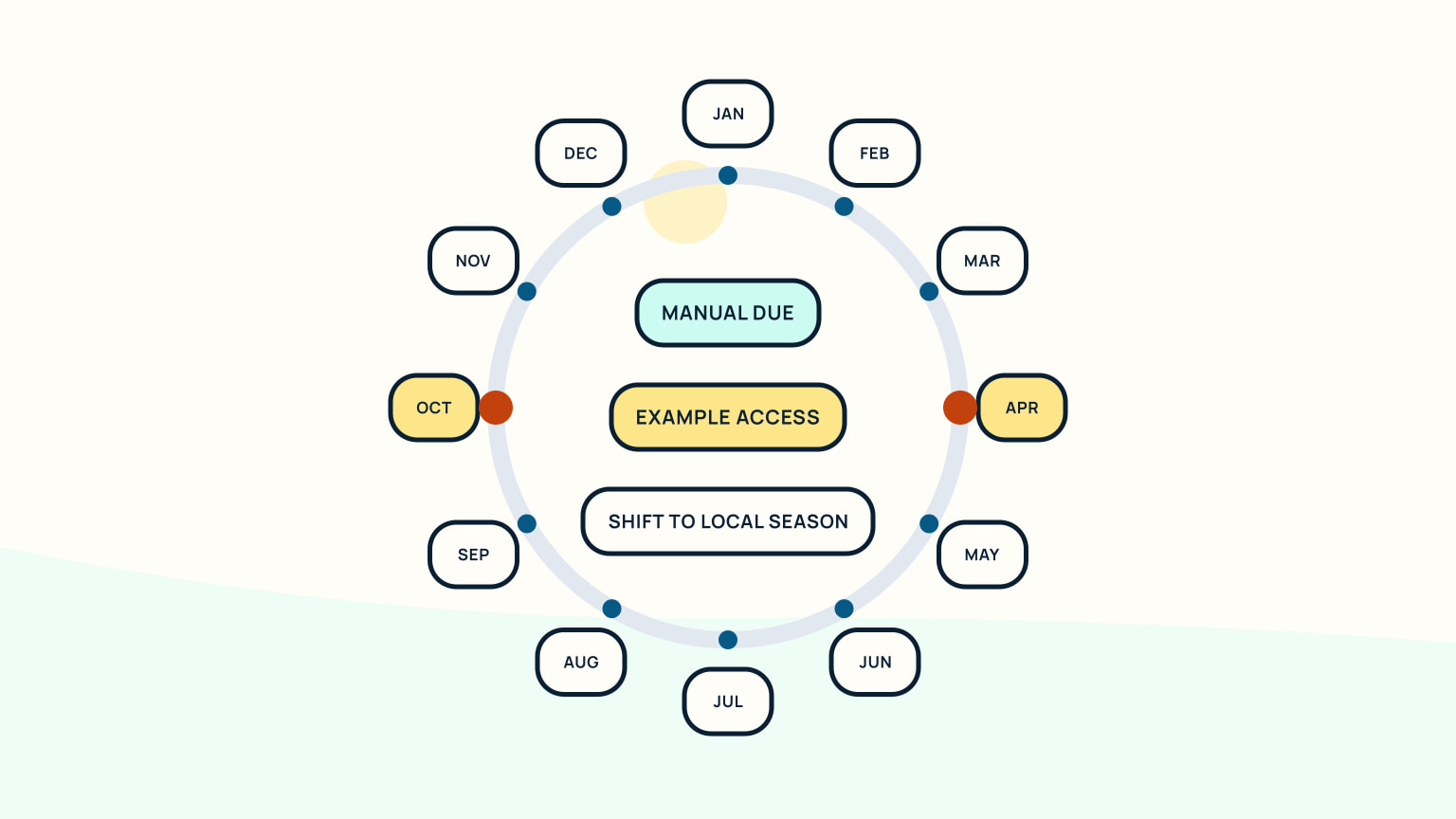
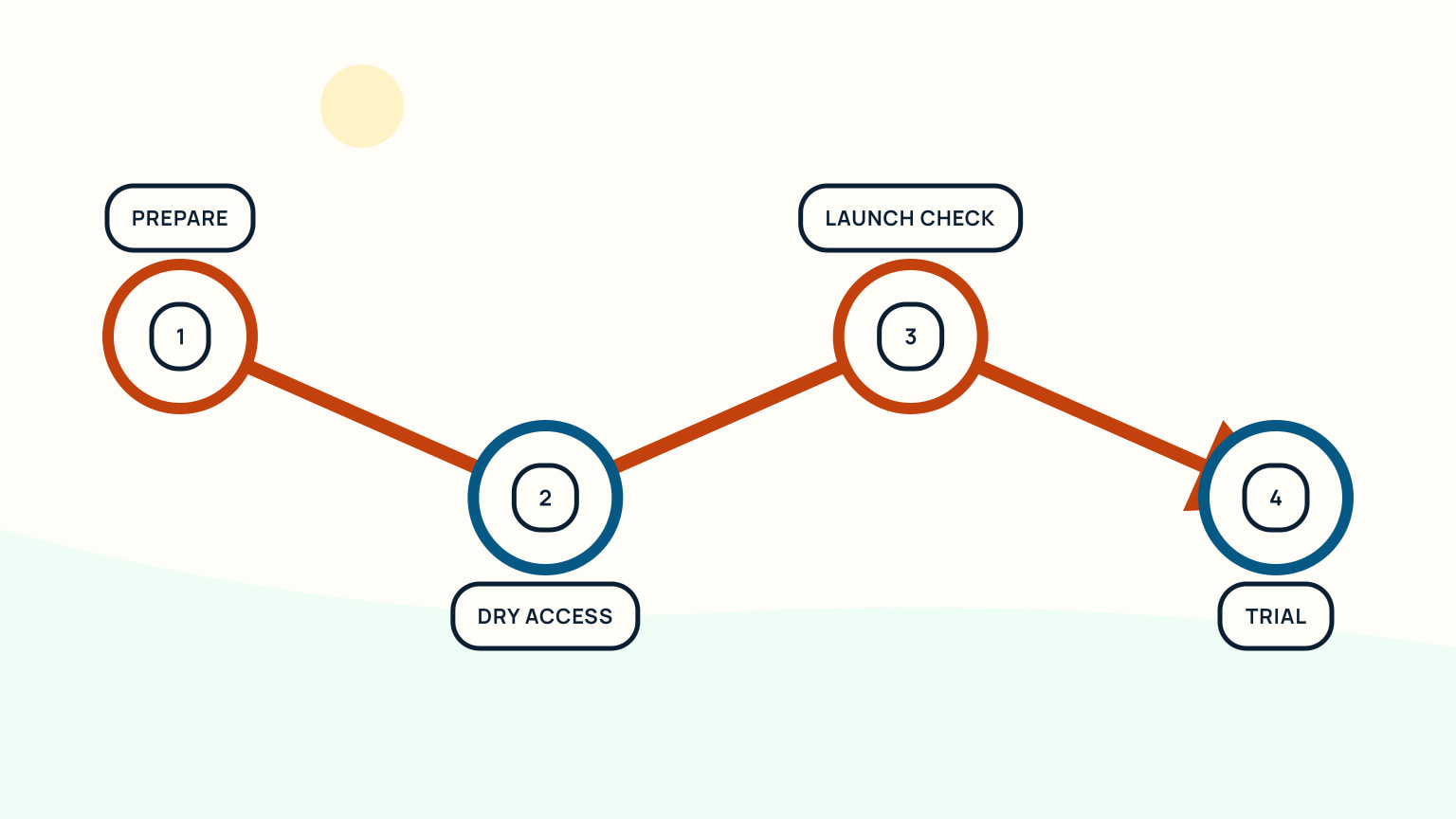
Instead of forcing a generic January-to-December list onto the boat, place six anchors on your actual calendar:
- the beginning and end of the main operating season;
- launch and haulout, if the boat has them;
- the earliest manual-led service due date for each installed system;
- rig, engine, electrical, or other specialist availability;
- policy, registration, storage, and berth renewal dates;
- one mid-season review for work that has drifted or grown.
Fill the spaces between those anchors with smaller checks. A boat used year-round still benefits from the same pattern. Its “seasonal” window may simply be a planned week with reduced use and secured yard access.
Give each recurring item a trigger and a fallback date. A manual may say calendar time or operating hours, whichever comes first. A visual check may follow every use, while a specialist inspection is booked before a known access window. The fallback keeps low-use boats from postponing calendar work indefinitely. Add enough lead time for parts and yard space. If a required component has a long delivery time, schedule identification and ordering separately from installation. Review the calendar whenever use changes. An unexpected long passage, dirty fuel, grounding, electrical modification, or extended lay-up can create an extra inspection without changing the rest of the year.
Watch the systems that change
The most useful calendar items describe an observable condition. “Inspect belt” is weak. “Compare belt condition and tension with the engine manual; record dust, glazing, cracks, or adjustment” tells you what evidence to collect. Apply the same idea to hoses, terminals, filters, rigging, deck hardware, steering, pumps, and safety equipment.
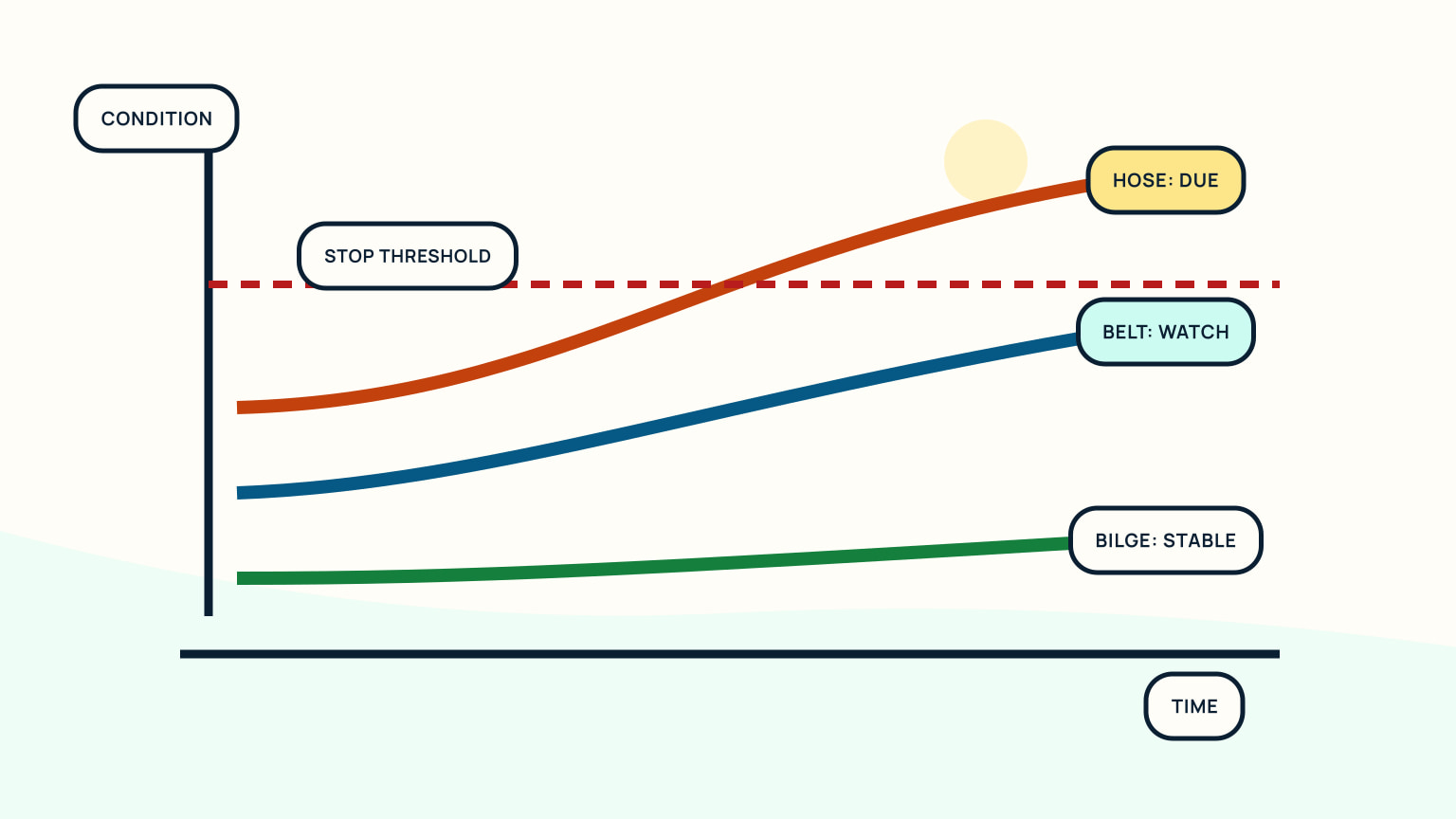
Look for trends rather than isolated snapshots. A tiny stain that stays dry across three checks is different from one that grows after each rain. A filter that reaches its normal interval is different from one that blocks soon after replacement. Battery behaviour, engine starting, pump cycling, steering feel, and fluid levels become more useful when recorded consistently.
Do not turn an observation log into remote diagnosis. If you find heat, smoke, arcing, fuel, unexplained water ingress, structural movement, or a system outside the manual's owner checks, stop and arrange qualified help. The calendar should shorten the path to a good decision, not encourage work beyond your tools and competence.
Use the same viewing conditions when comparison matters. Photograph a bilge from the same angle after it has been dried. Mark a fluid level only where the manual allows and with the system in the stated condition. Record a line's chafed location against a fitting so it can be found again. For corrosion, include a scale and the surrounding connection. These habits turn a phone full of pictures into evidence. They also reveal when a “new” concern was present months earlier but stable. If the trend accelerates, shorten the observation interval or refer it instead of waiting for the next convenient month.
Plan seasonal access
Some maintenance is cheap only when the boat is already in the right place. Underwater fittings, propeller, anodes, rudder, and hull need haulout access. Rig work may require the mast down or a rigger booked. Batteries and machinery need safe working room. A deck leak may require several dry days for investigation, preparation, cure, and testing.
Work backward from each access window. Before haulout, gather manuals, previous photographs, parts information, survey findings, and quotations. Decide which inspections happen first because their findings could change the rest of the job list. Leave room for cleaning and evidence gathering before parts are removed. After launch, promptly inspect through-hulls and other openings for leaks, then verify steering, propulsion, cooling flow, alarms, pumps, and essential navigation equipment before a longer trip.
Seasonal planning also prevents false efficiency. Combining unrelated jobs can overload one visit and hide incomplete checks. Group work only when it genuinely shares access, isolation, cure time, or a specialist.
Ask the yard what must be ready before the lift and what can be decided after cleaning. A propeller or rudder concern may be impossible to price accurately until marine growth is removed. A deck fitting may need dry weather and interior access that other stored gear blocks. Put these dependencies on the schedule. Photograph underwater parts as soon as the boat is clear and again after cleaning. If a specialist needs to inspect the untouched condition, arrange that before sanding, dismantling, or coating erases evidence. Reserve a final inspection window as well as time for the work itself.
Keep decisions visible
At the end of every month, review open items. Give each one a next action: monitor at a defined interval, obtain a quote, order the identified part, book a specialist, or complete the manual-led task. Add the evidence needed to close it. A photograph, invoice, test result, service entry, or signed report is more useful than a tick with no context.
Carry the cost beside the task, but keep estimates and paid amounts separate. Record access charges, materials, labour, disposal, and follow-up testing where they apply. This makes next year's plan more accurate and shows when several small findings belong in one yard visit. It also supports a realistic maintenance budget by boat size.
Finally, keep one short return-to-service list. Confirm that valves, guards, covers, battery switches, tools, rags, and moved gear are back in their intended state. If the work changed propulsion, steering, plumbing, or electrical systems, follow the installed procedure for testing before normal use.
A short monthly review can use five questions. What changed? What is due before the next review? Which task depends on access, parts, or another person? Which open finding has no owner? Which completed job still lacks a test or record? Answering them takes less time than reconstructing a forgotten problem later. Archive closed items instead of deleting them. A history of normal filter life, small leaks, battery changes, or repeated fastener movement can influence future diagnosis and a buyer's survey. If a job is postponed, record why and what condition would bring it forward. “Later” alone is not a maintenance decision.
Your calendar will become specific after one full cycle. Until then, keep the entries modest and evidence-led. Start with the boat record, add the next access window, and schedule the earliest manual requirement you can confirm. For deeper planning, compare the engine-check guide with the exact engine manual, then bring any unclear or high-risk item to the appropriate yard or technician. SailStarter lessons can help you recognize the systems and language you will meet, so your questions and records become more precise.
Try it from the lesson
Can you spot the next move?
The engine is idling, the boat is safely secured and the propeller area is clear. What should you confirm before departure?
Why you can trust this guide
. We build each guide from public seamanship and safety sources, then teach the universal principle before any local difference.