Chart your course
Bareboat vs Skippered Charter
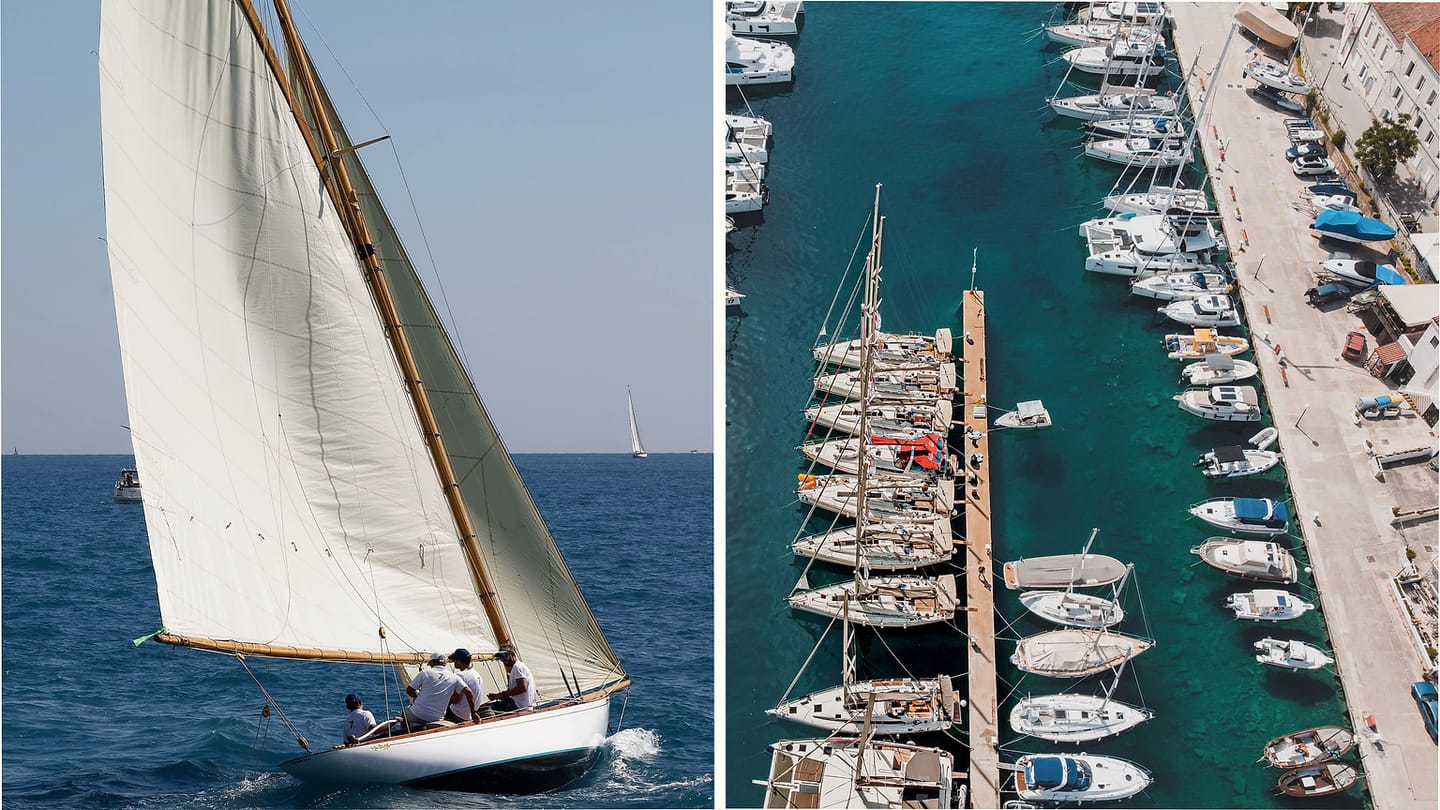
Quick answer
The short version
Choose a bareboat charter when someone in your party can satisfy the provider's competence check and genuinely wants command of the boat. Choose a skippered charter when you want a professional to take command, reduce the crew's operating burden, or help you learn the local area. Bareboat usually gives more privacy and control over the day, while also making your party responsible for navigation, manoeuvring, checks, and decisions. A skipper adds a fee and needs working and sleeping space. Contracts, qualifications, deposits, and operating rules vary, so verify the written terms and current local requirements.
The boat may be identical under either arrangement. The difference is who carries command and what your group wants from the time afloat. Make that decision before comparing headline prices.
Treat each label as the beginning of a contract question. For a skipper, confirm the working role, cabin, meals, and authority over the route. For bareboat, confirm who the provider recognises as skipper, what evidence they need, and what happens if that person does not pass the handover assessment.
Command, workload, privacy, and cost all shift depending on which model you book.
| Dimension | Bareboat | Skippered |
|---|---|---|
| Who commands | Your nominated skipper | A professional skipper |
| Competence check | Provider assesses your skipper's experience and credentials | Not required of guests |
| Workload | Crew handles navigation, manoeuvring, checks, and decisions | Professional carries the operating burden |
| Privacy | Boat is yours alone | Shared living space; the skipper needs a berth |
| Cost | Lower headline; add deposits, cleaning, fuel, berthing, provisioning | Headline plus a professional fee, food, and a cabin for the skipper |
| Local knowledge and instruction | None automatic — arrange it yourself | Skipper can share local knowledge and guide participation |
What are the two models?
Bareboat does not mean an empty boat. It means the charter company supplies the vessel without a professional skipper. Your nominated skipper operates it and the crew handles the daily work. The provider may review experience, credentials, and the proposed cruising area.
With a skippered charter, a professional commands the vessel. Guests may help steer, trim sails, or plan a route if the skipper agrees, but participation is not the same as taking command. Ask whether the arrangement includes only a skipper or additional crew.
This also differs from a formal training course. A helpful skipper may explain decisions and let guests participate, yet the charter does not automatically provide a syllabus, assessment, or credential. If instruction is a main goal, request it explicitly and confirm what the provider offers before booking.
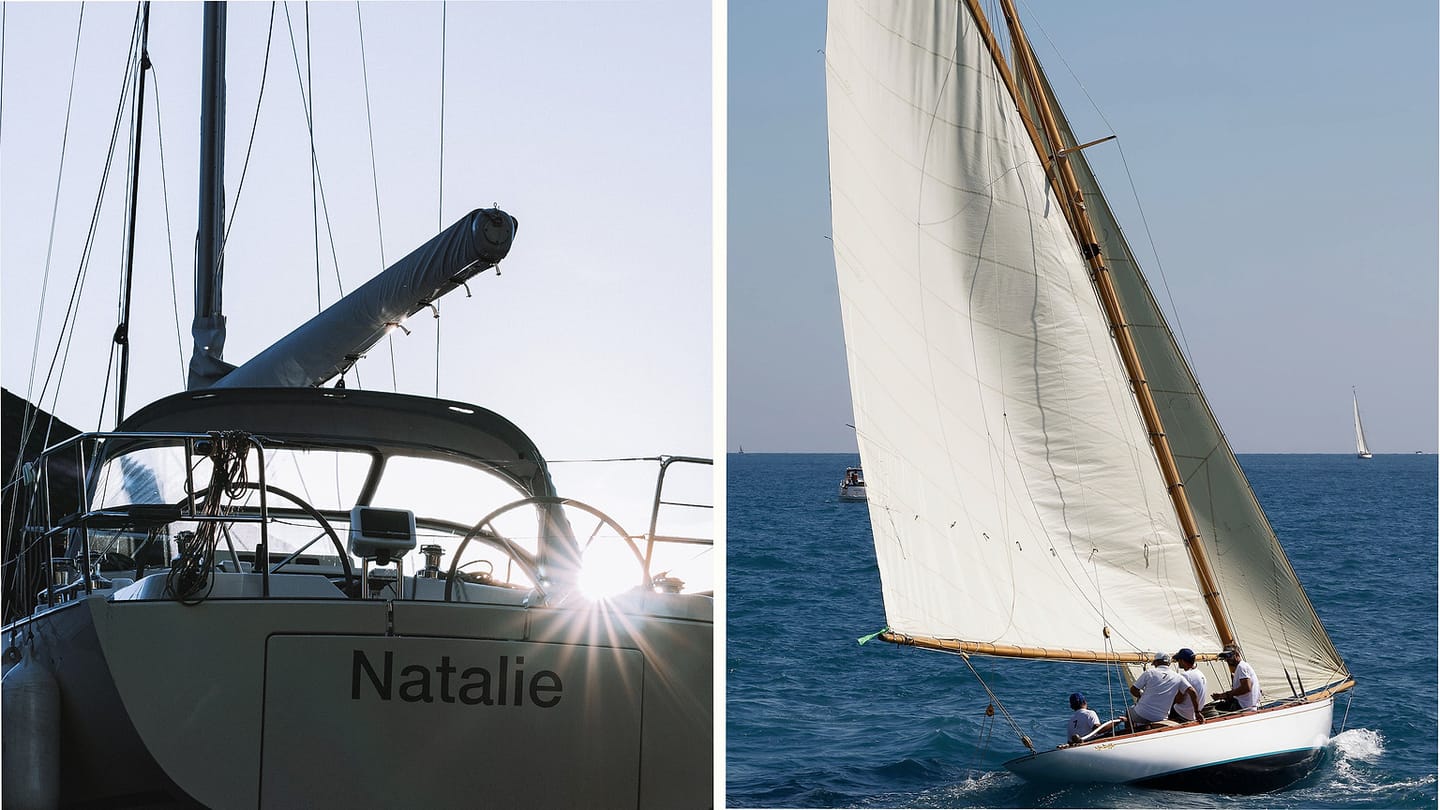
Compare Skill and Responsibility
Bareboat fits a skipper who can manage the specific boat, crew, weather, navigation, berthing, and local operating environment. A certificate alone may not show recent experience on a similar vessel. Answer the provider's experience questions accurately.
A professional skipper can remove much of that pressure, especially in an unfamiliar area. The skipper still needs cooperation, clear expectations, and safe conduct from guests. Discuss preferred routes, quiet time, participation, and decision-making before departure.
The wider crew still matters. Guests must follow safety instructions, disclose limitations that affect the plan, and avoid interfering with command. On a bareboat, identify who can assist with lines, lookout, and an emergency. A capable skipper without a workable crew may have less margin than their résumé suggests.
How do cost and privacy compare?
Bareboat quotes may look lower, but count deposits or waivers, cleaning, fuel, berthing, provisioning, transfers, and optional equipment. Skippered quotes add the professional fee and may require food and a cabin for the skipper. Ask which expenses are included.
Privacy also changes. A bareboat party has the boat to itself. A professional skipper shares the living space and must get proper rest. That can be a welcome source of local knowledge or an unwanted tradeoff, depending on the holiday.
Ask how the cabin plan works with the professional aboard. A nominal berth count can include shared saloon space or compact cabins your group would rather leave unused. Compare usable privacy as well as maximum capacity. The crew arrangement can also change provisioning, water use, and the practical route.
Choose With Honest Questions
Ask who wants command, who can manoeuvre the boat if the skipper is unavailable, and whether the crew wants instruction, independence, or rest. Consider the hardest likely task, not the easiest afternoon in the brochure. Unfamiliar stern-to berthing or a tired crew can expose an optimistic choice quickly.
If competence is close to the provider's minimum, a skipper may be the better holiday. You can ask for guided participation and build experience without pretending the charter is an assessment or certification.
If the bareboat choice feels close, ask the provider to assess the experience brief before taking payment. Compare a smaller boat, a simpler operating area, or a fully skippered booking. A different boat does not erase the need for competence, but it can expose which demands were making the original plan unrealistic.
Build the same trip under both options
Write one short trip brief before you ask for quotes. Name the cruising area, dates, likely route, number of guests, and the sailing each person hopes to do. Then ask each provider to price that same trip as a bareboat and as a skippered charter. This keeps the comparison focused on the command arrangement instead of letting two different boats or itineraries hide the real tradeoffs.
For the bareboat option, list the jobs your party must cover every day: departure checks, route planning, weather review, berthing, lookout, sail handling, and decisions when the plan changes. Put a name beside each job. If nearly every line points to one person, the holiday may give that person much less rest than the rest of the crew expects. A first charter checklist helps turn that workload into visible tasks.
For the skippered option, ask what guests may do and what the skipper must decide. Some groups want to steer and trim under guidance. Others want a quiet passage while the professional runs the boat. State that preference in writing. Also confirm where the skipper sleeps, which meals the party provides, and whether the quoted fee covers the whole booked period.
Compare competence with the hardest day
Do not base a bareboat decision on the easiest sailing you have done. Describe your recent experience on a similar boat, including starts and stops in a marina, sail changes, navigation, and handling with a tired crew. The provider can then judge whether that record fits its boat and operating area. Honest detail is more useful than a long list of courses with no context.
Run one difficult but plausible day through the plan. Imagine an unfamiliar berth at the end of a longer passage. Who reads the pilotage information? Who handles lines? Who takes the helm if the nominated skipper is unwell? What simpler destination is available if the approach no longer suits the crew? This is a planning exercise, not a prediction. It shows whether the bareboat group has enough depth to keep making calm decisions.
If the answer depends on everything going exactly right, compare a smaller boat, a shorter area, or the skippered option. You can still take an active role with a professional aboard. If independent command is the goal, use a beginner solo progression to identify the practical skills that need more supervised practice first.
Read the contract as an operating plan
Ask for the complete written terms before choosing. Mark every item that changes the total: deposit or waiver, fuel, cleaning, berthing, transfers, optional gear, and professional crew expenses. Then mark every operational condition, including experience evidence, handover assessment, cruising limits, and the process for reporting damage or a mechanical problem. Requirements vary by provider and location, so the signed contract has to answer these questions for your booking.
Finally, ask each adult what would make the trip feel successful. Privacy, instruction, independence, and rest can pull the decision in different directions. A bareboat is a poor bargain if the skipper spends the week carrying a workload they did not want. A skippered boat is a poor fit if the group expected private space or guaranteed instruction that was never agreed. The better choice is the arrangement whose written duties, living plan, and total cost match the holiday the whole party actually wants.
Use SailStarter's beginner boat-choice lesson to make a charter brief before contacting providers. Record the boat type you have actually handled, your recent manoeuvres, the regular crew, and the waters you know. Add what the group wants from the trip: full responsibility, guided learning, or time off. Send the same brief to each provider and ask for a written total with inclusions, exclusions, deposits, and crew arrangements. A clear comparison will usually reveal which model fits without relying on pride or a low headline price.
Include a conservative alternative in that brief. It might be a smaller boat, a shorter route, or a professional skipper. Compare how each option changes workload, cabin space, and total cost. Choosing support before departure is easier than trying to add it after a provider questions experience or the crew becomes uneasy.
Try it from the lesson
Can you spot the next move?
A wide sailboat glides past on two side-by-side hulls, barely leaning at all. What type is it?
Why you can trust this guide
. We build each guide from public seamanship and safety sources, then teach the universal principle before any local difference.