Chart your course
How to Choose a Charter Boat for Your Crew
Quick answer
The short version
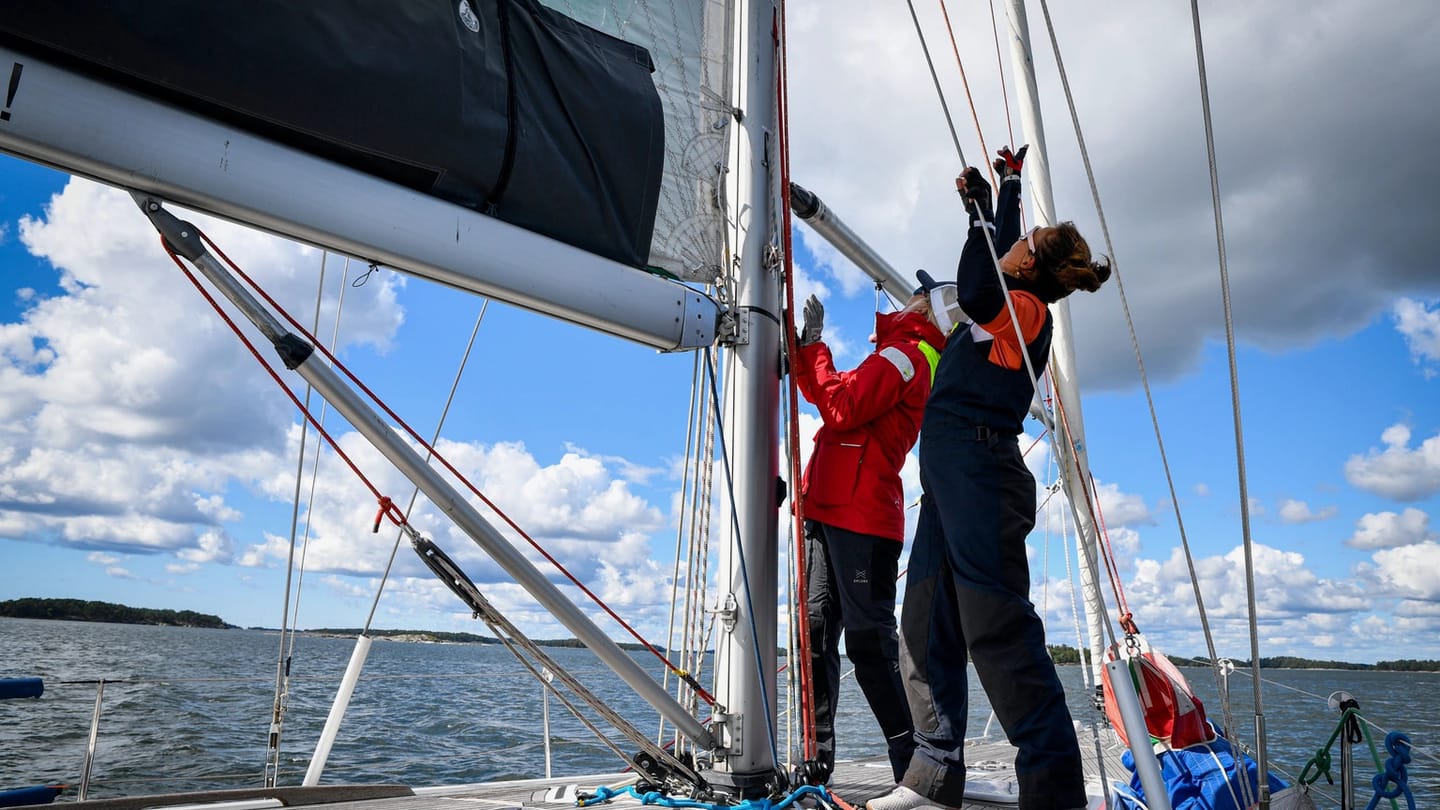
A charter boat fits your crew when everyone has a workable place to sleep, sit, and move; when the boat's handling matches who is actually available to sail it; and when the operator has signed off on you for that model and area. Start with real berths and honest crew comfort, not the brochure's maximum sleeping figure. Weigh a monohull's classic feel against a catamaran's stability and twin-engine maneuvering for your group's experience level. Confirm what sailing resume or logged hours the operator wants before you commit, since that requirement can rule out a boat faster than any layout preference. Then check the boat suits the wind, depth, and distances on the actual itinerary. Skip any one of these steps and the mismatch only becomes obvious once you are already aboard.
Charter catalogues sort boats by length and cabin count, but neither number tells you whether your crew will be comfortable or whether anyone aboard can handle the boat you book. A couple planning a relaxed week of short day sails and quiet anchorages might do best on a compact two-cabin monohull they can manage between the two of them. A family of six sharing one week wants separate cabins, a stable platform for kids to move around on, and enough willing hands to share watch and docking duties. Neither crew is better prepared than the other; they simply need different boats. What follows works through the five factors that decide the fit: sleeping and berth layout, handling complexity against your crew's experience, monohull-versus-catamaran trade-offs, what the operator requires before handing over the keys, and how well the boat suits the water you intend to sail.
How much sailing experience does a charter boat really need?
A charter operator wants to know who can actually sail the boat, not just who is willing to pay for it. Most bareboat operators ask for a sailing resume that lists logged days or miles as skipper on a similarly sized boat, and they use that record to decide which models and cruising grounds you can book. The qualifications most operators check before confirming a booking are worth reading before you fall for a specific boat's photos, because a striking 45-foot monohull is no use to a crew whose combined experience tops out on 30-footers.
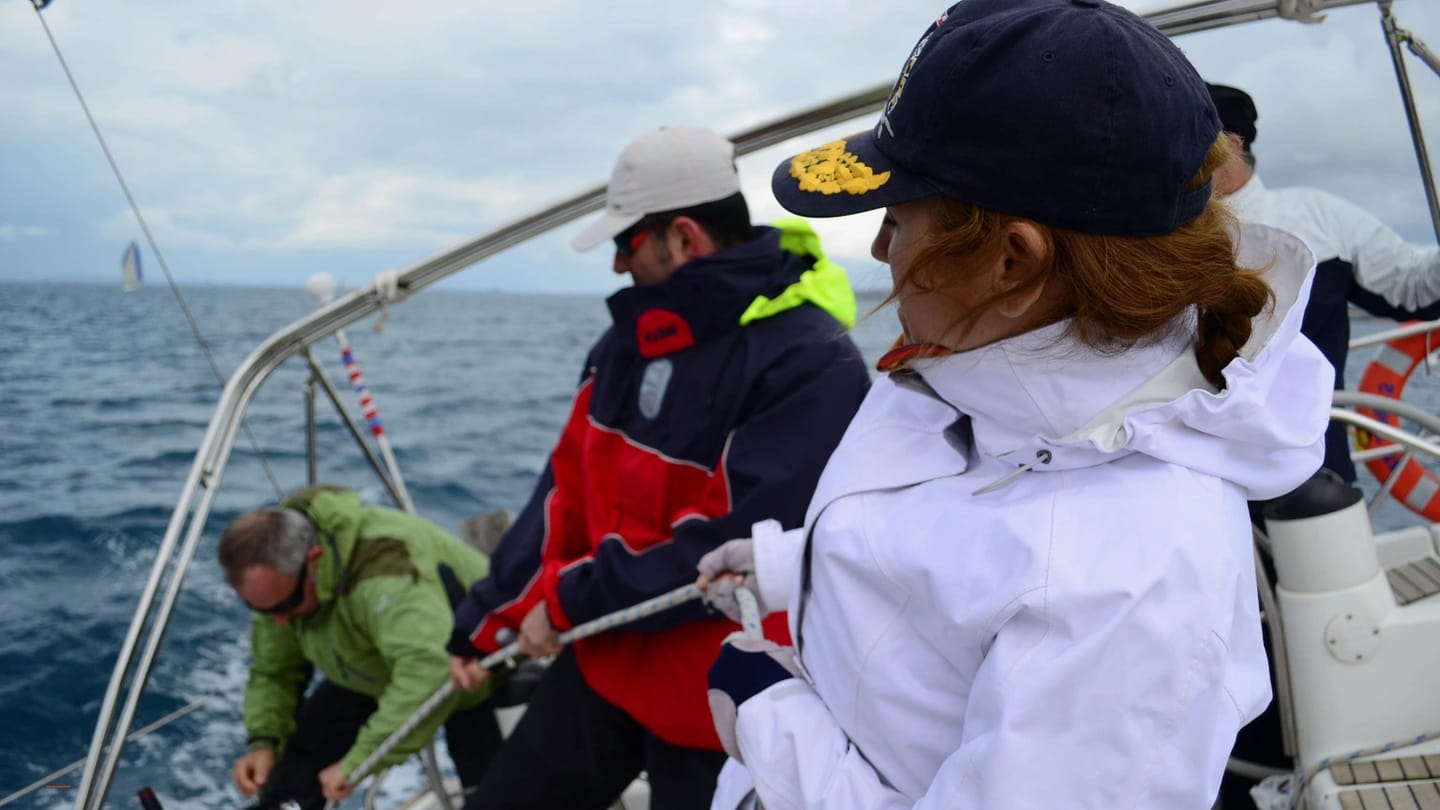
Match the boat's complexity to who is actually aboard and willing to work, not to who theoretically could help. A group of six adults who have all sailed before can share helm, line, and anchor duties on a boat with more sail area and more systems to manage. A crew of two, even if one holds an advanced certificate, needs a boat that one competent person can dock, reef, and anchor alone if the other is seasick or below deck. Ask what an ordinary maneuver (like coming alongside a fuel dock or picking up a mooring) actually requires, and count how many capable hands that maneuver needs. If the honest answer is more than you have, look at a smaller or simpler model, or add a skippered day at the start of the trip while the crew learns the boat.
Match the berths to how your crew actually sleeps
Start with where each person will sleep for the whole trip, not the number printed on the listing. A boat's stated sleeping capacity usually counts every space that could physically hold a body, including a saloon settee that converts into a berth by lowering the dining table. That arrangement suits one flexible adult on a short passage; it rarely suits a full week when someone wants privacy, a reading light, or a door that closes.
Walk the actual cabin count against your crew list. Two couples generally want two closed-off cabins with their own heads (the boat's toilet compartments) rather than sharing one across a saloon. A family with young children often values a cabin near the companionway so a parent can hear them at night, plus handholds and steps a child can manage without assistance. A larger group splitting into private cabins usually needs a boat with three or four dedicated cabins, not a two-cabin layout stretched with a saloon conversion. If anyone aboard has limited mobility, ask specifically about step height into each cabin and the head, since listing photos rarely show that detail. Where the printed layout and your crew's real needs disagree, trust the crew list and confirm the details with the operator before you book.

Should your crew charter a monohull or a catamaran?
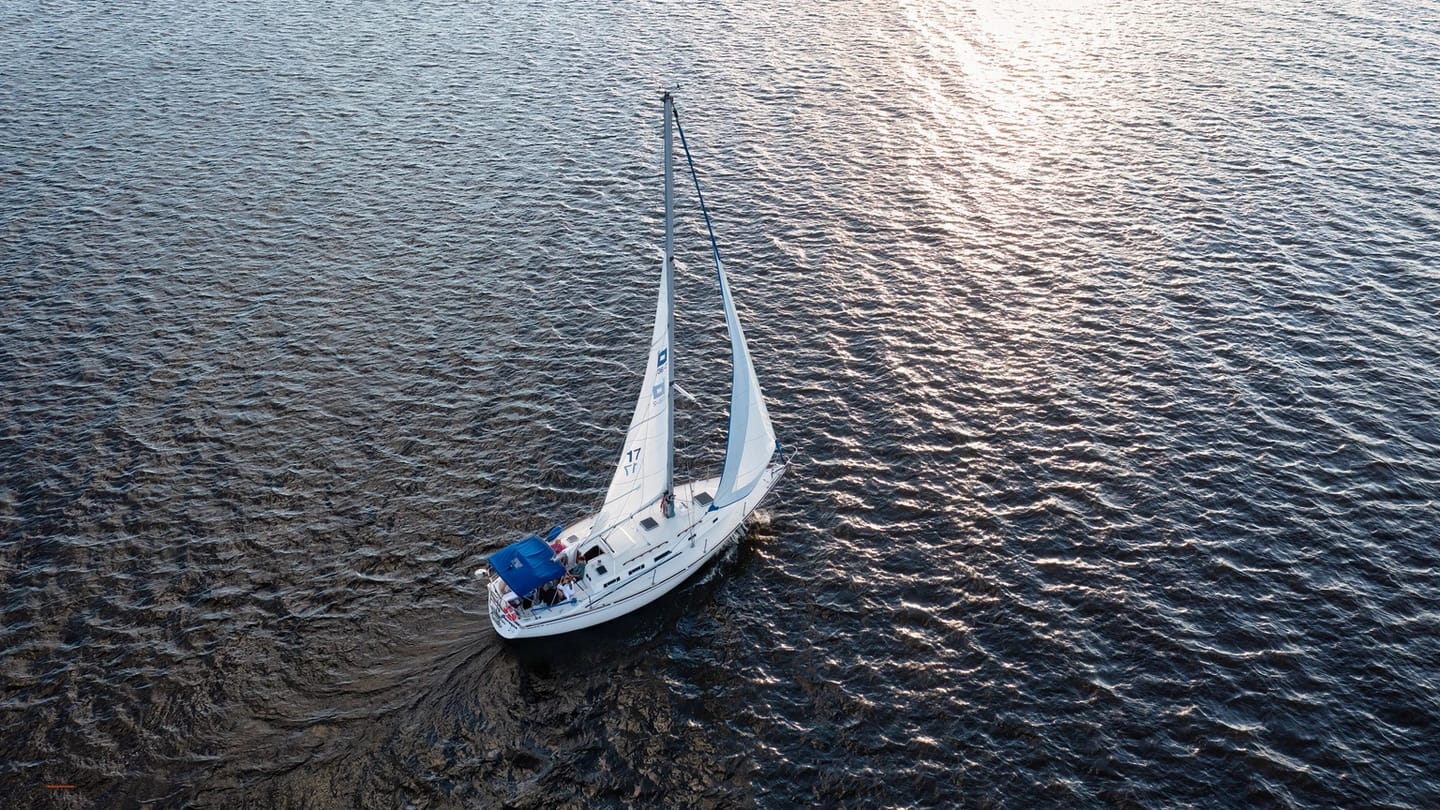
Both hull types can suit a well-matched crew, and the honest answer depends more on your group than on which boat looks faster in the marketing photos. A monohull heels under sail, which gives the crew a physical signal when the boat is overpowered and needs a reef. It typically points closer to the wind and sails faster upwind than a catamaran of similar length. Close-quarters handling relies on a single engine, prop walk, and rudder, which takes more practice to dock smoothly.
A catamaran sails flatter with far less heel, which suits crews who get seasick, have young children moving around belowdecks, or simply prefer a stable platform for meals and sleep. Twin engines let the boat maneuver by adjusting thrust on each side rather than relying on the rudder alone, so it can often turn in a tighter space, an advantage for less experienced hands docking in a crowded marina. Catamarans also tend to roll less at anchor and carry engine and steering redundancy a monohull's single system doesn't have. If nobody in your crew has sailed a catamaran before, most operators and brokers recommend chartering a monohull for that first trip or booking a catamaran checkout day rather than learning an unfamiliar hull and an unfamiliar cruising ground at once. Read the fuller side-by-side comparison of the two hull types before you shortlist specific boats.
What does a charter operator need to approve before handing over the boat?
Every bareboat operator reviews a charterer's documented experience before confirming which boat they will hand over, and that review is a real gate rather than a formality. Expect to submit a sailing resume covering recent time as skipper, the size and type of boats you have handled, and any certificates you hold. The skipper named on the booking is responsible for confirming that this experience genuinely matches the size and type of boat being requested, and operators will downgrade or refuse a booking when it doesn't.
Larger boats, unfamiliar hull types, and more remote cruising grounds usually raise the bar. A catamaran, a boat over roughly 40 feet, or a route through less-sheltered water can call for additional logged time or a documented checkout sail before the operator signs off. Expect a joint inspection of the boat's condition with base staff before and after the charter, and ask in advance what would delay departure, such as an unresolved equipment fault or missing paperwork. If your crew's experience sits below what a boat and route require, chartering with a skipper aboard satisfies what the operator requires while your crew builds the hours a future bareboat trip will need. Treat that review as useful information about the boat's real demands, not an obstacle to talk your way around.

Fit the boat to the waters you'll actually sail
The same model can be a good choice in one cruising ground and a poor one in another. Ask the base how the specific boat you're considering handles the wind strength, sea state, and distances typical of that itinerary during your travel dates; a boat that suits a sheltered lagoon can be underpowered or overcanvassed somewhere more exposed. A shallow-draft catamaran can reach anchorages a deeper-keeled monohull has to skip, while a monohull with more sail area can hold a schedule better on a route with longer open-water legs.
Check propulsion, tankage, and navigation equipment against the plan too. A route with several days between fuel and water stops needs enough tank capacity for the boat and crew size you're bringing, and a route through busier channels benefits from the radar or chartplotter that some models carry as standard and others charge extra for. Ask the base briefing to walk through how the specific assigned boat changes the sample itinerary they hand out, since a generic route sheet is written for an average boat, not necessarily yours. Once the boat and area are settled, building the day-by-day route is the next job, and it moves faster once the boat's real capabilities are confirmed.
Choosing a charter boat well means working through berths, handling, hull type, operator requirements, and sailing area with your actual crew, not with a brochure. None of that replaces the operator's current documents, local briefing, or your own judgment on the day. If your crew wants a shared vocabulary before you compare boats together, SailStarter's lessons walk through points of sail, docking under power, and the anchoring and line-handling skills that make a handover briefing easier to follow. Newer crewmates get a clearer sense of what a skipper is asking them to do, and more experienced sailors get a useful refresher before the trip. Try a lesson or two together before you shortlist boats; it costs little time and gives everyone aboard a shared starting vocabulary. Nothing here replaces training with a qualified instructor or the specific boat's own systems briefing at handover.
Try it from the lesson
Can you spot the next move?
A wide sailboat glides past on two side-by-side hulls, barely leaning at all. What type is it?
Why you can trust this guide
. We build each guide from public seamanship and safety sources, then teach the universal principle before any local difference.