Chart your course
Flotilla Sailing vs Bareboat Charter
Quick answer
The short version
Choose a flotilla when you want to skipper your own charter yacht but value a planned route, daily briefings, destination notes, arrival help, and a lead crew available by phone or radio. Choose an independent bareboat charter when you are ready to plan the itinerary, interpret local conditions, organize arrivals, and solve routine problems within the charter area's limits. In both cases, the customer skipper remains responsible for the yacht and crew. A flotilla is supported independent sailing, not a guided convoy with the lead skipper in command of your boat. Provider approval and destination documents can apply to either choice.
The better option depends less on pride than workload. A competent skipper can prefer a flotilla for a first visit, social holiday, or difficult mooring culture. Another crew may want the quiet and flexibility of an independent route. Compare the actual package and route because “flotilla” describes a format, not one universal level of support.
Route, support, preparation, and cost all shift depending on which format you choose.
| Dimension | Flotilla | Independent bareboat |
|---|---|---|
| Route | Planned route, daily briefings, destination notes | You plan the itinerary, pace, and stops |
| Support | Lead crew reachable by phone or radio, helps with arrivals and mooring | Base support exists, but is more distant and general — handover plus a technical contact |
| Preparation load | Boat prep, crew brief, navigation, and lookout stay yours; local info is supplied | You also research the cruising guide, charts, weather, and berthing options |
| Social contact | Shared evenings and organised social events | Quiet, private evenings |
| Command responsibility | Customer skipper remains responsible for yacht and crew | Customer skipper remains responsible for yacht and crew |
| Cost pattern | A premium for lead-crew support and events | Can look cheaper, but poor route planning can add expensive marinas or last-minute help |
Know What Flotilla Support Includes
Ask how the group handles change
Weather, technical delays, and crew fatigue can disrupt the planned sequence. Ask whether the lead crew changes the whole route, gives alternatives, or expects each skipper to decide independently. Find out how a yacht rejoins after taking a rest day and whether support remains available outside the planned harbour. The best answer is a clear operating process, not a promise that plans never change.
Briefings are useful only when your crew can apply them. Decide who attends, who records navigation notes, and how the information reaches the person steering and the people handling arrival lines. If a briefing is crowded or unclear, ask the lead crew to repeat the point before departure rather than filling the gap with an assumption.
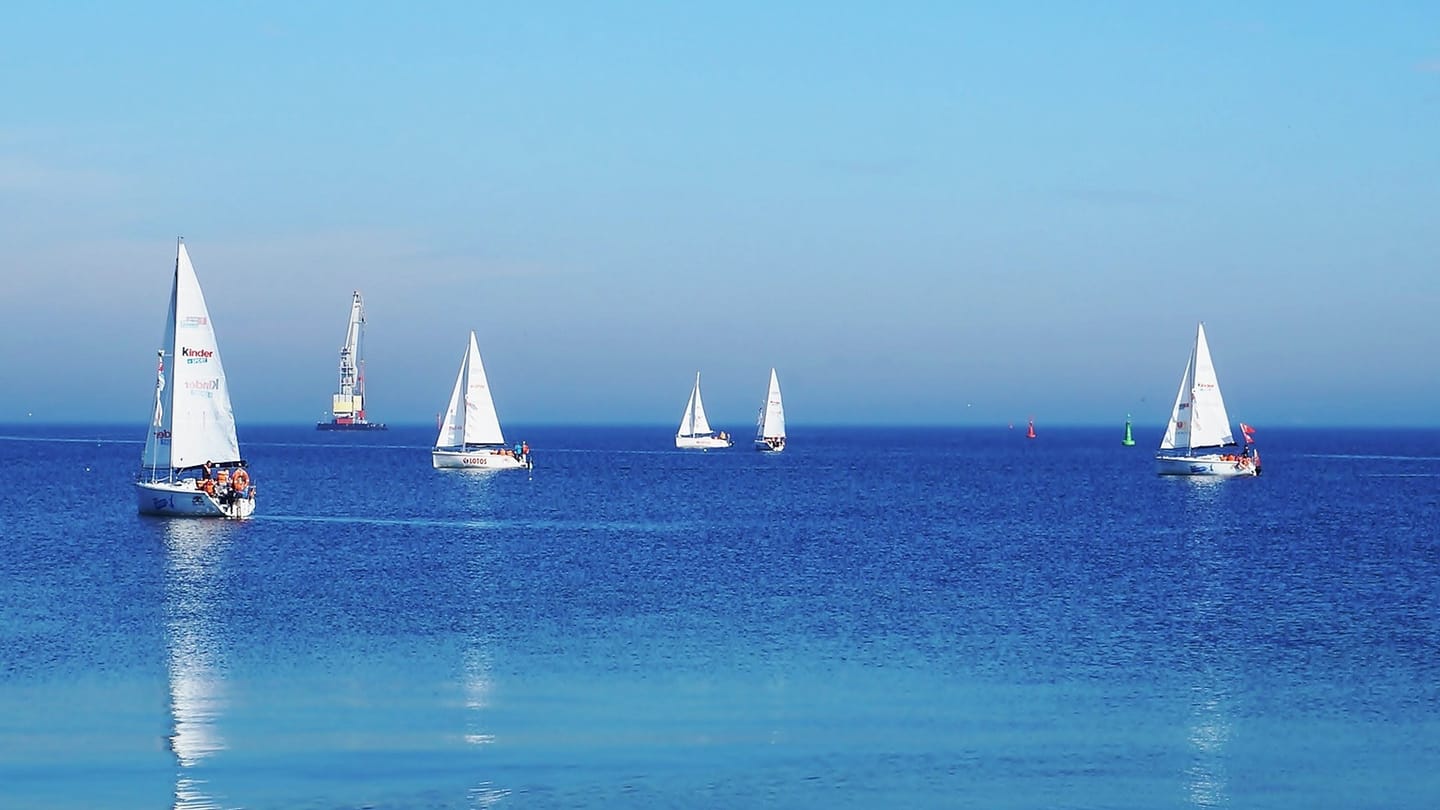
On a typical commercial flotilla, each yacht sails independently between planned destinations. The lead crew gives a morning briefing with weather, route, navigation notes, and information about the evening stop. It leaves ahead so it can be ready to help yachts arrive and moor. Assistance remains reachable during the day by the stated communications method.
That structure reduces some local research and arrival uncertainty. It can be especially helpful when a crew is new to a cruising ground, stern-to mooring, or a charter yacht. Social events and shared evenings also suit groups who want company without sharing one boat.
Support has limits. The lead crew is not standing watch on your yacht, trimming your sails, or making every go or no-go decision. You still prepare the boat, brief your crew, navigate, keep lookout, monitor conditions, and decide whether your yacht and people can safely complete the day. Ask what happens if you skip a planned destination, fall behind, or need technical help.
Read the route rather than assuming it is easy. Daily distances, exposed legs, prevailing wind, harbour crowding, and seasonal conditions matter. Ask what skipper experience and certificates the provider requires. A flotilla can lower local uncertainty without lowering the entry standard for command.
What does independent bareboat work involve?
An independent bareboat charter gives you more control of stops and pace within the contract, cruising area, and operational limits. You plan the itinerary and provisioning, choose when to move, and adapt the route. That freedom helps when your crew wants quiet anchorages, flexible rest days, or a goal outside a flotilla schedule.
It also places more preparation on the skipper. You study the cruising guide and charts, find current local information, interpret weather, identify safe alternatives, plan fuel and water, and arrange berthing or anchoring. When a harbour is crowded, no lead crew is necessarily waiting to take a line. Base support may exist, but its distance and response are different from daily flotilla presence.
Independent does not mean unsupported or unrestricted. Charter contracts define navigation limits, reporting, breakdown response, and return requirements. The base conducts a handover and remains a technical contact. You must understand when to call and what the company expects you to handle. The first-charter checklist covers the handover details that both formats require.
Choose this route when itinerary planning, local pilotage, ordinary troubleshooting, and crew management are already familiar enough that they will not consume the whole holiday. If they are new, hire a skipper, choose training, or use a suitable flotilla rather than relying on optimism.
Compare Route, Crew, and Total Price
Work through one sample day
Take a published leg and plan it as if no brochure existed. Identify departure preparation, distance, hazards, weather decision, safe alternatives, expected arrival method, and the crew jobs at each end. Then mark which pieces the flotilla supplies and which remain yours. Repeat the exercise for an independent itinerary. This exposes the real difference in workload more clearly than comparing words such as “freedom” and “support.”
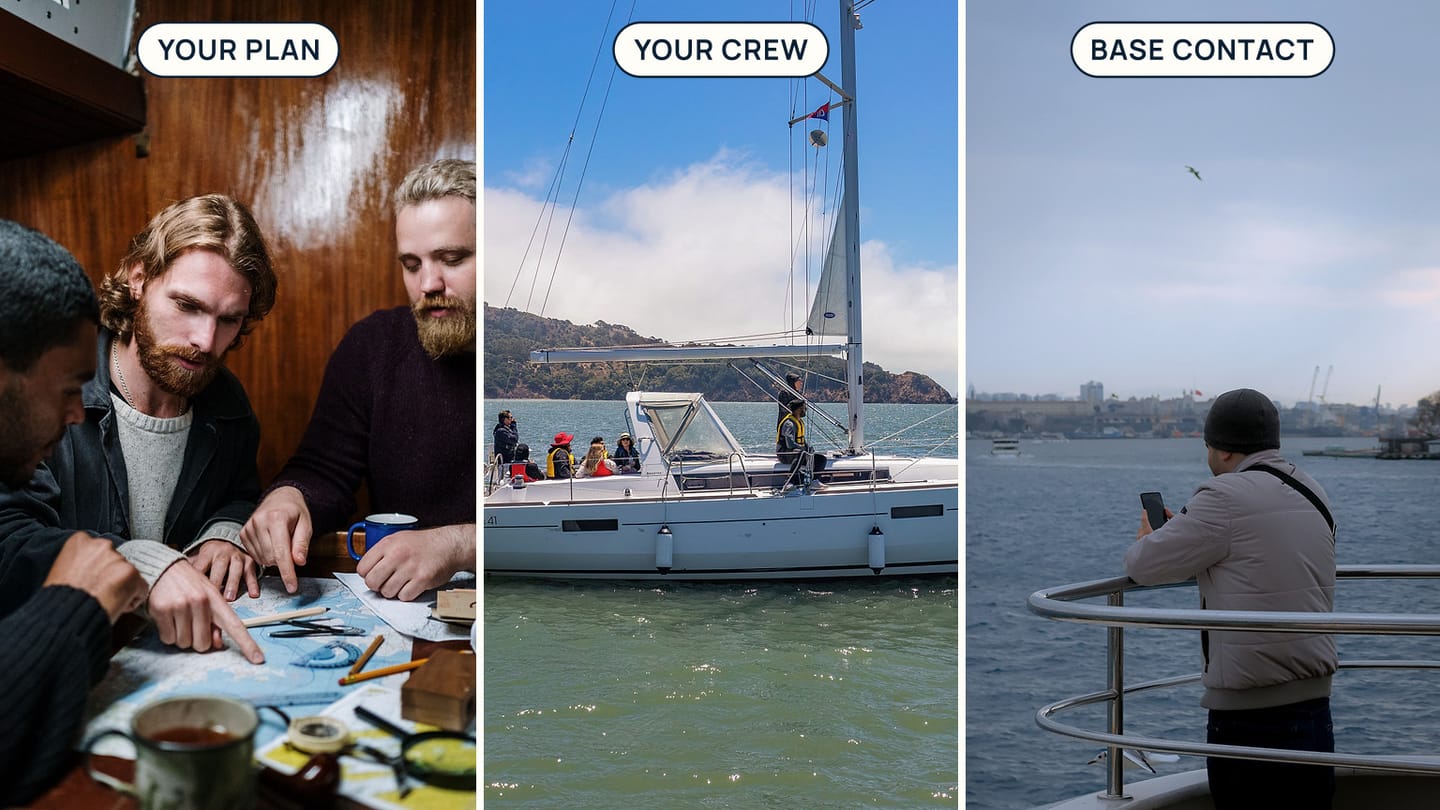
Begin with the people aboard. Does your crew want organized social contact or private evenings? Can everyone accept a planned sequence of stops, or are rest days and spontaneous changes important? Are children, mobility needs, seasickness, or mixed sailing interests likely to change daily plans? A format that fits the skipper but frustrates the crew is poor holiday design.
Then compare support precisely. Ask how many yachts share the lead team, which languages are used, how briefings are delivered, what arrival help means, and how after-hours technical calls work. Determine whether the flotilla fee includes lead-yacht costs, events, berthing assistance, or other items. Marketing phrases cannot replace an inclusions list.
For both options, build the total: yacht, mandatory fees, deposit or waiver, cleaning, fuel, water, berthing, cruising taxes, transfers, provisioning, optional equipment, and skipper or flotilla charges. Read charter insurance explained before treating a waiver as complete protection.
Compare the same yacht, week, and base where possible. A cheaper independent charter can cost more if poor route planning adds expensive marinas or if the crew hires last-minute help. A flotilla premium can be good value when the briefings and arrival support match real needs. It is wasted when the crew resents the route and never uses the social or support structure.
How do you make an honest readiness decision?
Fatigue deserves its own plan. A social evening, early briefing, hot weather, and repeated close-quarters arrivals can drain a crew over several days. Set a latest departure, a rest-day option, and a point when the skipper hands a suitable task to another trained person. Neither a lead yacht nor a flexible itinerary restores attention after the crew has spent it.
If partners disagree, choose the lower workload for the first trip. You can use the week to learn the area and then charter independently later. A holiday is a poor setting for proving that one person's confidence estimate was correct.
Write down five recent examples: skippering a comparable yacht, manoeuvring in close quarters, anchoring or mooring, planning a coastal day, and handling an unexpected change. If these examples are old, supervised, or on a much smaller boat, say so in the sailing resume. The provider decides approval, but the crew deserves your private honest assessment too.
For a first charter, reduce novelty. Choose a familiar boat type, moderate area, conservative season, and crew who understand their roles. If the location itself is new, a flotilla can remove some unknowns. If the boat and close-quarters work are new, a hired skipper or practical course may be the better tool because the lead flotilla crew cannot teach continuously from another yacht.
Ask the provider what documents are required for the destination and whether a flotilla changes any of them. Usually, support format does not erase legal or company qualification rules. Get skipper approval in writing before non-refundable travel purchases.
Finally, agree on a crew plan. Who can take the helm, handle lines, navigate, cook, and support a tired skipper? What conditions trigger a rest day? What does the crew do if the skipper is unwell? The can-beginners-sail-alone guide explains why nominal independence and practical readiness are not the same.
Choose the format that leaves enough attention for safe decisions and an enjoyable crew. Flotilla support is a resource, not a rescue from inadequate preparation. Independent bareboat freedom is rewarding, not proof of status.
Use SailStarter to refresh crew briefs, weather, navigation, anchoring, docking, and emergency fundamentals before the trip. Then practise on a real boat and complete the provider's own preparation. The lessons can expose areas that need a question or another session. Resume approval and local pilotage remain with the provider and skipper. Whether the lead yacht is nearby or the itinerary is entirely yours, the safest holiday begins with a skipper who knows what still needs checking.
Try it from the lesson
Can you spot the next move?
A wide sailboat glides past on two side-by-side hulls, barely leaning at all. What type is it?
Why you can trust this guide
. We build each guide from public seamanship and safety sources, then teach the universal principle before any local difference.