Chart your course
What Size Sailboat Is Best for a Beginner?
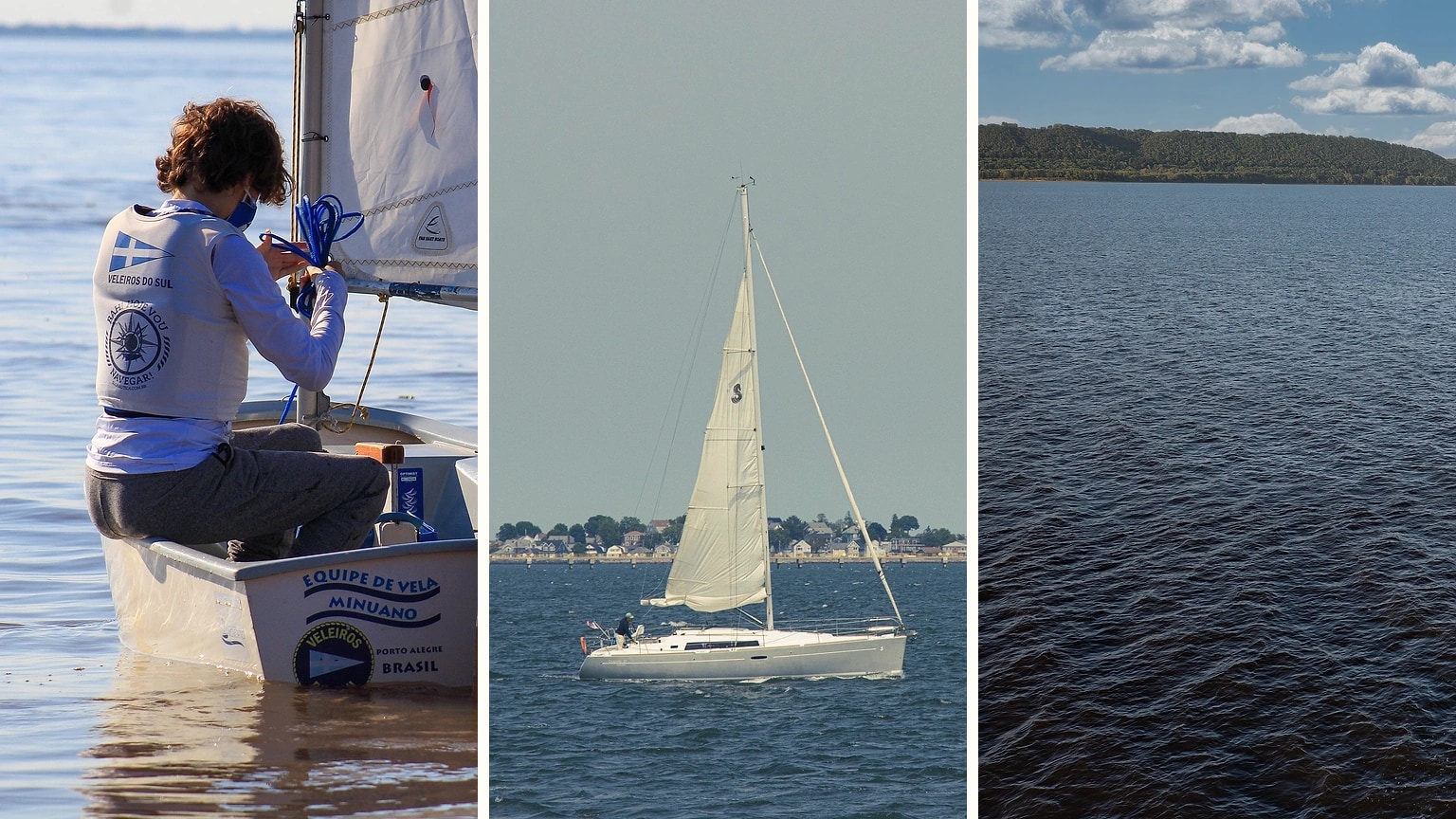
Quick answer
The short version
There is no single best sailboat length for every beginner. Choose the smallest practical boat that safely fits the job, crew, water, storage, and launch method you actually have. A light dinghy can give quick feedback and may be sailed alone or with one or two people, but it is more exposed and responsive. A keelboat is larger, steadier, and normally sailed with others, but it brings greater berthing, handling, and maintenance demands. Before choosing a size, define where you will sail, how many people normally come, whether you want day sailing or cruising, and where the boat will live. Take lessons on more than one suitable type before buying. Fit matters more than a magic number.
Length is easy to compare in listings, so it often gets more attention than the decisions that shape daily use. Yet two boats of similar length can have different weight, stability, layouts, rigs, equipment, and crew needs. A boat that feels manageable with an instructor and four classmates may be too demanding for the two people who will normally use it. A compact dinghy that stores neatly at a club may be impractical if your local launch is exposed. Treat size as one result of the plan, not the first input.
What Job Does the Boat Need to Do?
Write down the normal trip before comparing boats. Include the water, expected conditions, trip length, people aboard, equipment carried, and whether you plan to return the same day. A boat for sheltered club sailing has a different job from one intended for coastal passages or overnight stays.
Be honest about “normal.” Do not size every outing around guests who may come once a year, and do not choose for an ambitious future voyage when you are still learning locally. Extra space can be pleasant, but it also means more boat to berth, prepare, and maintain.
Once the job is clear, ask an instructor or experienced local sailor which training and club boats perform it well. Sailing a few candidates teaches you more than comparing length alone. Notice what it takes to rig, leave, steer, recover, and put the boat away.
Decide on intended use and total budget before you start comparing brand, finish, or advertised extras. It is easy to be drawn toward a boat with a nicer interior or a longer equipment list and only discover afterward that the total cost of keeping it, not the purchase price, is what strains the plan. Settle what you actually need the boat to do and what the whole picture (purchase, storage, and upkeep) will realistically cost before extras start shaping the decision. What it costs to own a sailboat is worth reading alongside this one for that part of the comparison.
Should a Beginner Choose a Dinghy or Keelboat?
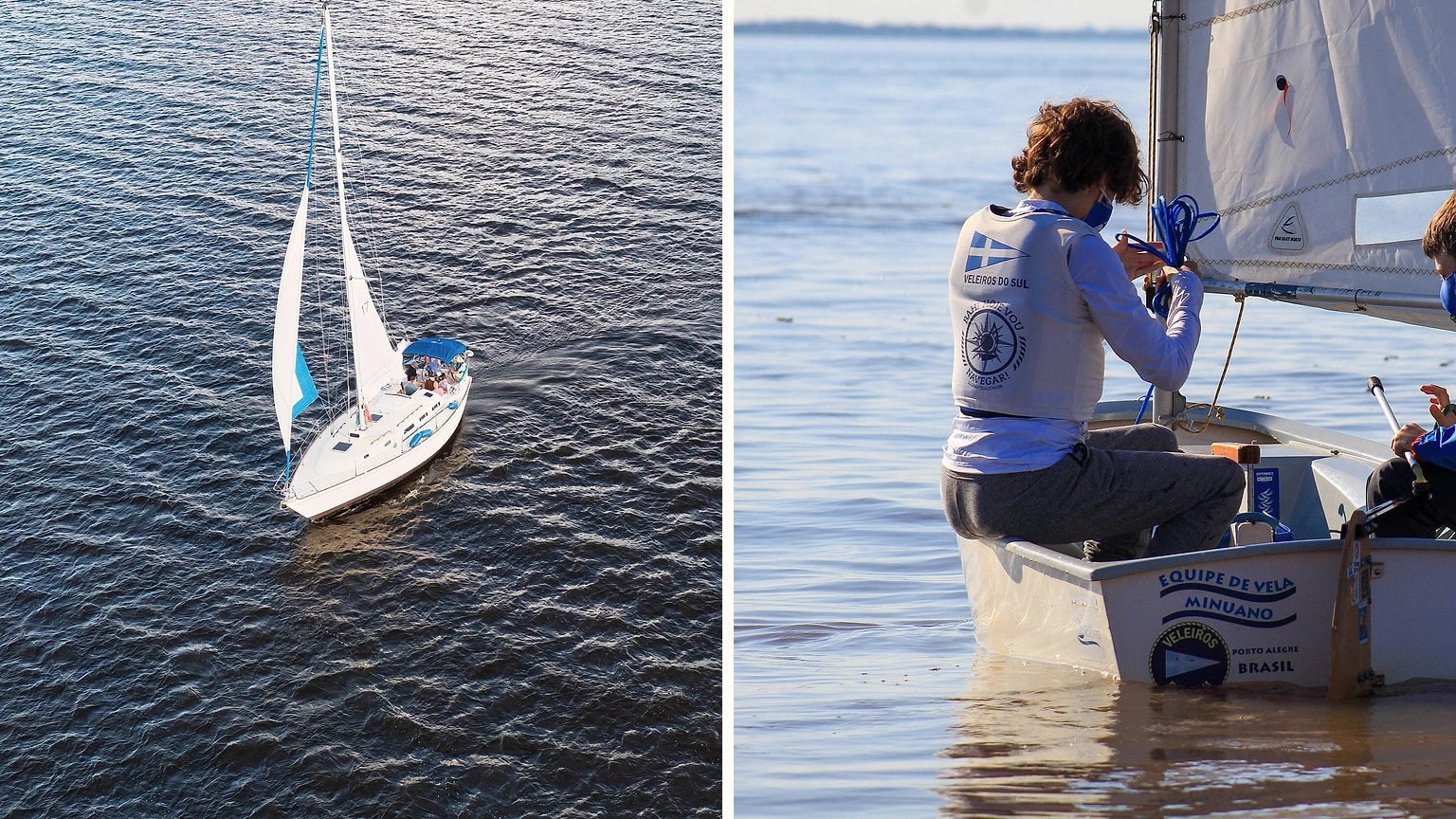
A dinghy is light and direct. Changes in steering, sail setting, and crew position produce clear feedback, which can make it an effective learning platform. A smaller dinghy is often light enough to sail alone, while a larger one is usually designed for two. The tradeoff is a more physical and exposed experience, and some training includes capsize recovery.
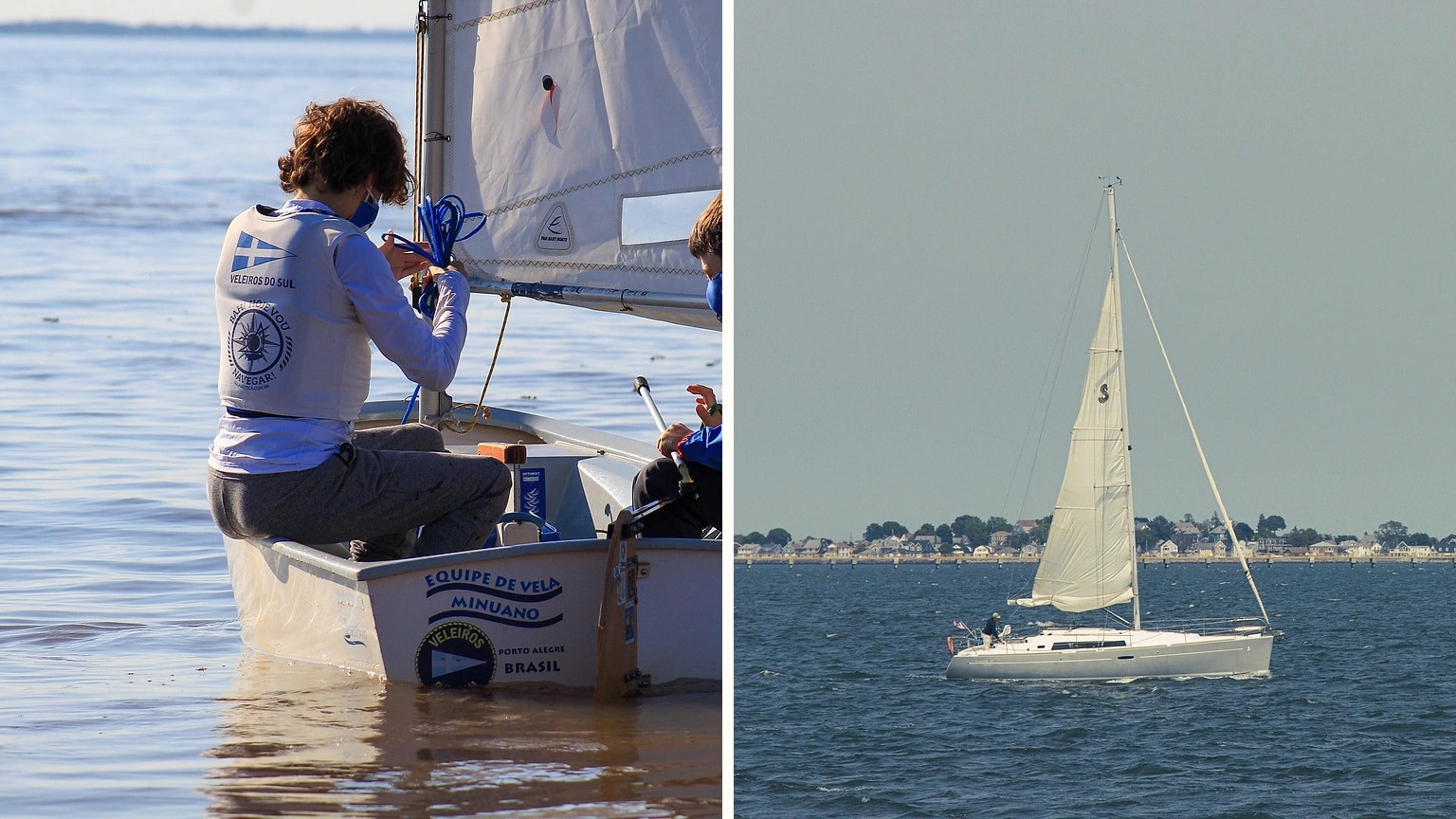
A keelboat is larger, has fixed ballast, and feels steadier. That difference comes from how each hull resists the sideways push of wind on the sails. A dinghy relies on a centreboard or daggerboard, plus crew weight leaning out over the side, to hold its line and resist tipping. A keelboat instead carries fixed ballast low in a proper keel, which counters that sideways force and resists heeling largely on its own. That is why a keelboat feels steadier and more forgiving when someone shifts position in the cockpit, and it is normally sailed by two or more people sharing the workload. It also adds systems, deeper draft, and shoreside arrangements that a simple dinghy may not need.
Neither route is automatically easier for everyone. Try both with qualified instruction if both match your goal. Comfort, mobility, venue, water conditions, and the route to regular practice are reasonable deciding factors. If you want the full comparison laid out feature by feature, dinghy vs. keelboat goes deeper into handling, cost, and typical use for each.
How Many People Will Usually Sail?
Count the regular crew, not the maximum capacity printed in a listing. If you expect to sail alone, each step from preparation to return must be manageable without assuming spare hands. If you will sail as a pair, both people should be able to understand the plan and handle their assigned jobs. A larger social crew changes the layout and task-sharing you may want.
Use a practical trial. With permission and supervision, prepare the boat, move aboard, reach the controls, handle the sails, and put everything away with the people who will normally join you. Notice where strength, balance, or communication becomes difficult.
Training matters here. A suitable boat can still feel overwhelming when the crew has not practised its sequences. Before buying more size to gain comfort, ask whether a better layout or more time on a familiar training boat would solve the problem.
Regular crew is only one of several practical constraints that decide whether a boat actually gets used, alongside launch method, berth or storage access, draft, and how much ongoing maintenance you can support. Weigh all of them together rather than optimizing crew comfort while ignoring the rest, since a boat that is easy to crew but hard to launch or store sees the same water either way: not much.

Where Will You Store and Launch It?
Storage can rule out a boat before its sailing qualities matter. Confirm the actual dimensions, weight, trailer needs, berth depth, and lifting arrangements with the relevant provider. Measure gates and storage spaces. Check the launch surface and the route from storage to water.
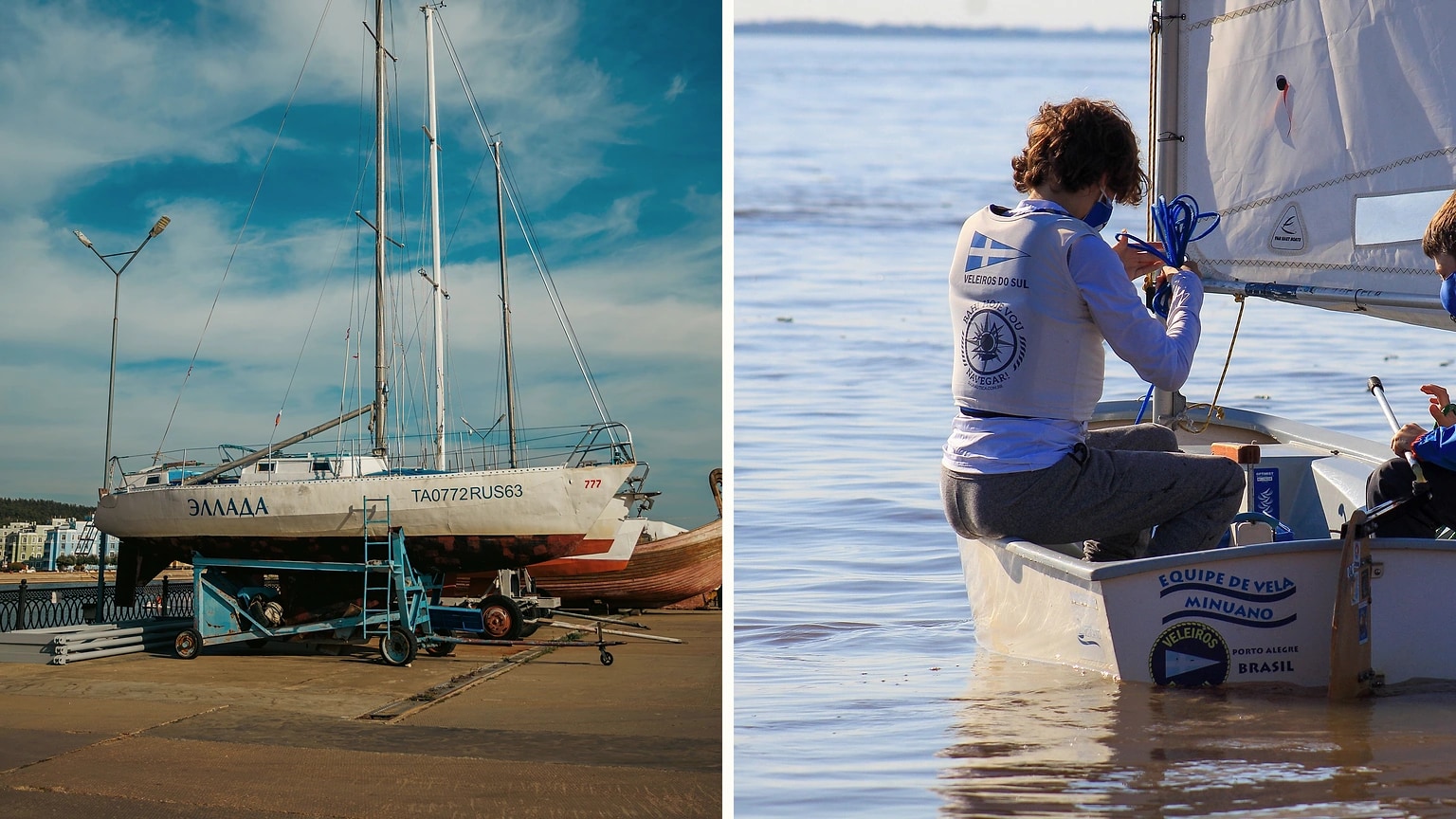
A small trailerable boat may avoid a permanent berth, but towing, rigging, launching, recovery, and secure storage become part of every trip. A boat kept afloat can be quicker to board, yet the berth and local services add recurring cost and care. A keelboat stored ashore usually depends on suitable lifting and yard facilities.
Draft, the depth a boat's keel needs under it, is a constraint that only shows up once you are on the water. A dinghy's centreboard or daggerboard lifts, so it can sail and be launched in very shallow water. A keelboat's fixed keel cannot lift, so its draft sets a hard limit on which berths, moorings, and shallow anchorages it can actually reach. Check the draft against the shallowest water on your normal route, not just the marina you plan to leave from.
Visit the site in person and ask how similar boats are handled there. Local knowledge can expose problems that a specification sheet cannot, including access limits and the practical effect of prevailing conditions. Choose a boat that you can get from storage to sailing and back without turning every outing into a major operation.
Two quick questions settle most stuck decisions. Will you sail mostly alone or usually with the same one or two people? Weight the dinghy-versus-keelboat comparison toward whichever crew size is realistic, not the occasional full boat of guests. And does the boat you are drawn to actually match the water, storage, and launch you have today, or the ones you hope to have later? Buy for today's constraints; you can size up once your actual sailing outgrows the boat, not before.
Work through SailStarter's beginner boat-choice lesson, then turn the decision into a testable shortlist. Give each candidate the same six checks: intended use and budget, normal crew, local water, storage and launch, draft, and the ongoing maintenance capacity you actually have (time, tools, and money for upkeep, not just the purchase). A boat that passes every handling check can still be the wrong choice if its maintenance load quietly stops it from getting used. Eliminate any boat that depends on facilities, crew, or experience you do not reliably have. Arrange supervised time on the remaining types and include setup and pack-away in the trial, not just the pleasant part under sail. Ask local instructors and owners what beginners usually underestimate about each choice. You may find that the best first “boat” is temporary access to several club boats while your preferences develop. That is useful, not indecisive. A first purchase should make regular practice easier. If a boat's size creates enough friction that you rarely launch or leave the berth, its other advantages will not help you learn. Once size and type feel settled, buying your first sailboat walks through the rest of the purchase itself: survey, sea trial, and closing the deal.
Try it from the lesson
Can you spot the next move?
A wide sailboat glides past on two side-by-side hulls, barely leaning at all. What type is it?
Why you can trust this guide
. We build each guide from public seamanship and safety sources, then teach the universal principle before any local difference.