Chart your course
How to Prioritize a Sailboat Refit

Quick answer
The short version
Prioritize a refit by the boat's intended use and observed condition. Define what must be true at launch, then place water intrusion, structural concerns, control, propulsion, rig, and relevant safety work ahead of comfort or appearance. Turn broad findings into scoped jobs before pricing them. Sequence work so access remains open until hidden systems are complete. When a new idea appears, record its effect on cost and schedule and approve it before anyone starts.
A survey can identify concerns involving water entry, structure, machinery, and rig condition, but a general finding may still need specialist inspection before it becomes a repair method. Avoid converting every note into a shopping list. Some findings require immediate stabilization, some need more evidence, and others can be monitored. Compare the estimated finished cost and time with a boat already suitable for the intended use. That comparison is useful even when you love the project.
Set The Finish Line
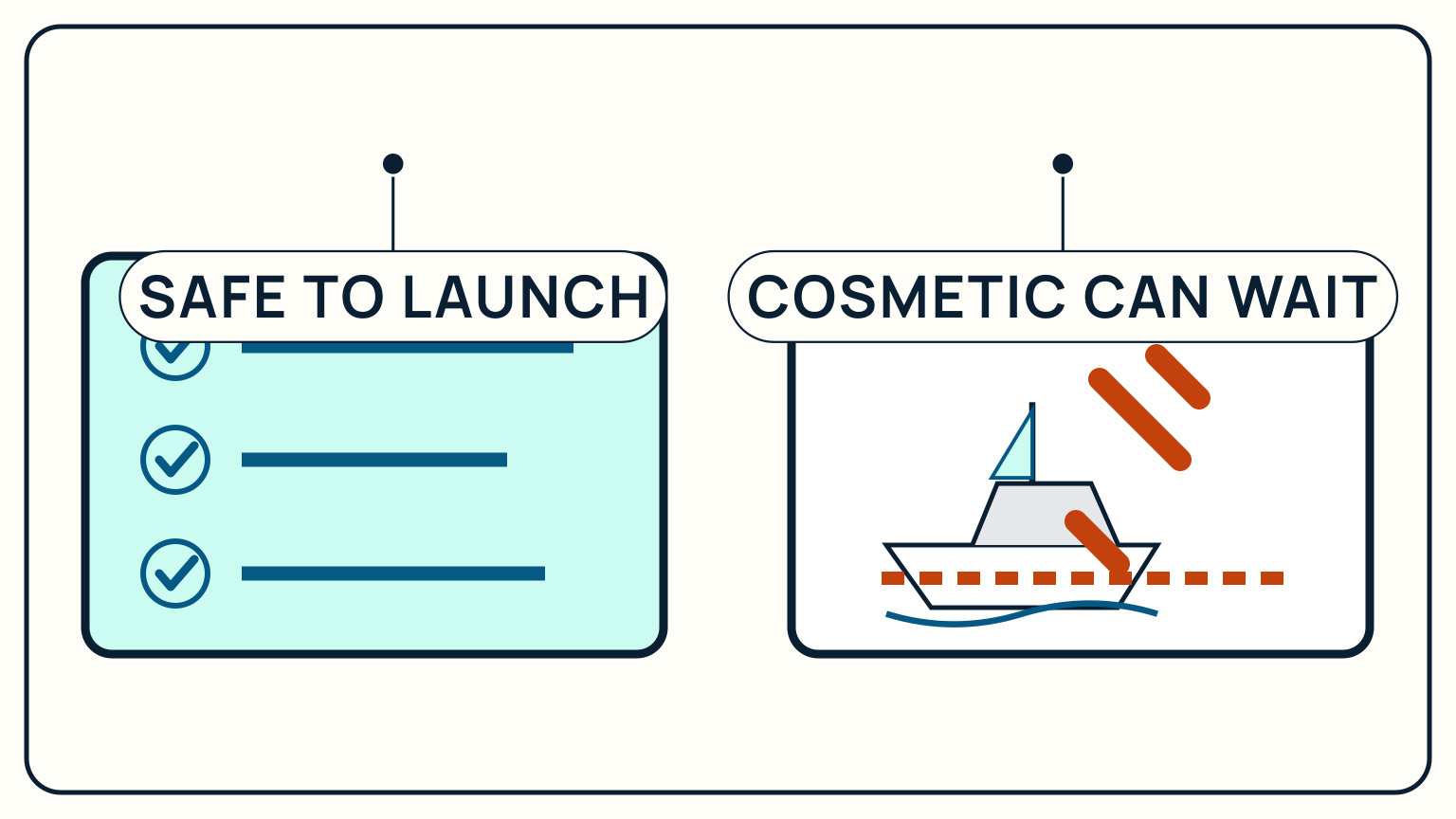
Write one sentence describing the first use after refit. A boat prepared for sheltered day sailing has a different finish line from one expected to make a long passage. Translate that use into observable completion checks. The checks should cover the systems and condition needed for that trip, along with any local equipment requirements you have verified. Keep cosmetic wishes in a separate list so they cannot quietly become launch blockers.
For every proposed job, ask which completion check it serves. A repair that stops water entry or restores reliable control belongs near the launch line. New upholstery may be worthwhile, yet it can usually wait if the existing interior is usable. This is not a universal order of named components. The order comes from condition evidence, intended use, access, and the consequences of failure.
Set budget and time boundaries beside the technical finish line. Include professional estimates, yard periods, parts lead time, and work you can responsibly complete yourself. Then compare the project with a ready-to-use alternative. If the estimated finished cost, uncertainty, or delay no longer fits, reducing scope may not be enough; selling or choosing another boat can be the controlled decision. Review the finish line whenever intended use changes.
Turn the launch checks into evidence before work begins. A vague item such as "electrical sorted" cannot guide a quote or prove completion. Name the system, the observed concern, who will assess it, and the result required for the intended use. Do the same for steering, propulsion, rig, watertightness, and other relevant areas. This makes it harder for a cosmetic improvement to appear complete while a critical uncertainty remains hidden behind a broad heading.
Stabilize Safety And Water Entry
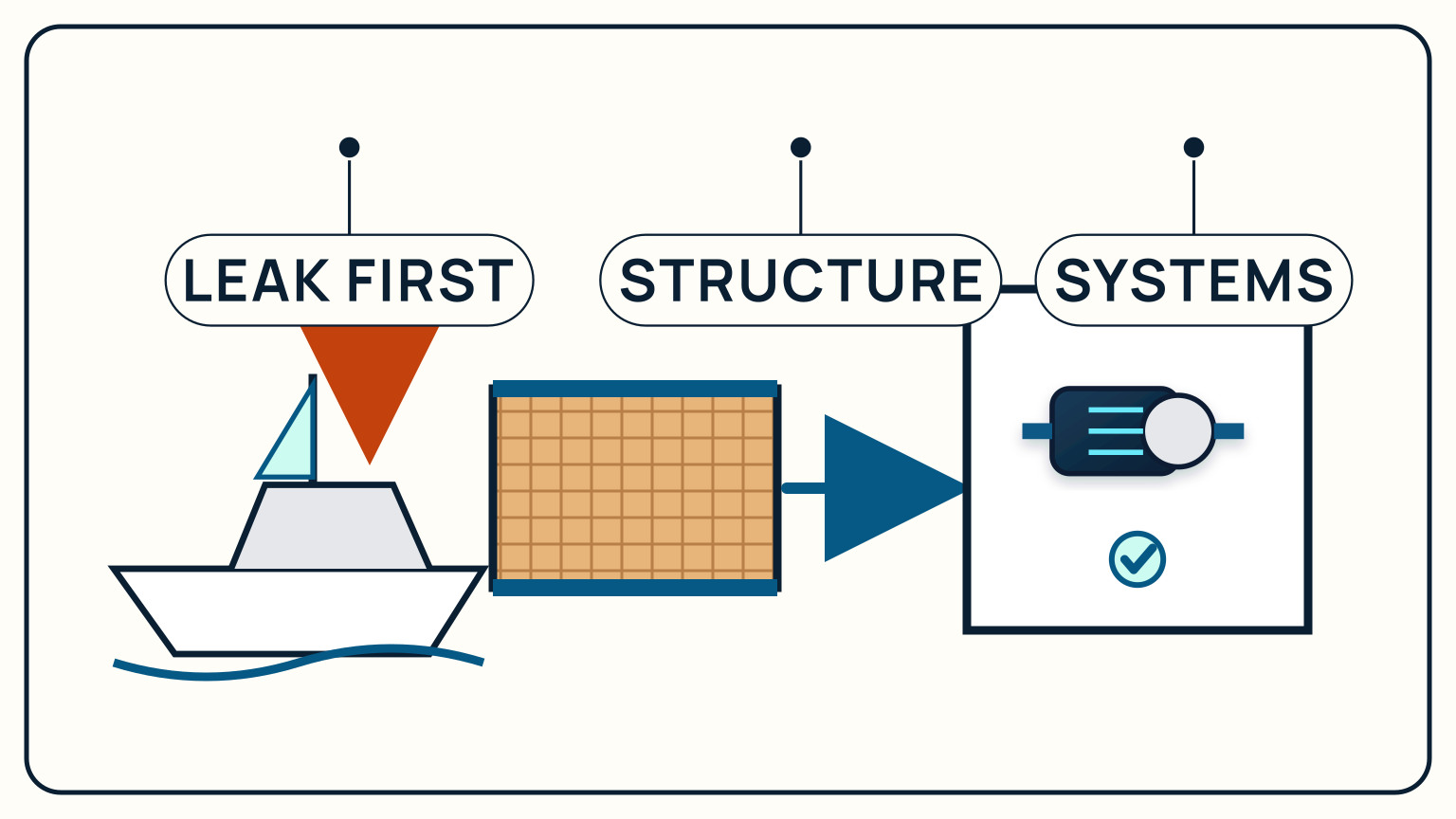
Begin with active water entry and findings that may affect structure or control. Identify the source as closely as the evidence permits, protect the boat from further exposure, and arrange the right inspection. A visible stain may show where water appears rather than where it entered. A survey note that names a structural concern is a reason to define the extent, not a complete repair instruction.
Separate stabilization from permanent repair. Covering an opening, isolating a leaking system, or keeping the boat ashore may prevent the condition from worsening while a specialist develops the scope. Record what was done and its limits. A temporary measure should not disappear into the project history and later be mistaken for completed work.
Once immediate exposure is controlled, decide what must be inspected before adjacent jobs begin. Structure can sit behind liners, machinery, or finish surfaces. Opening and closing those areas repeatedly wastes time and can hide evidence. Keep photographs and the survey finding with the final specification. Do not authorize decorative closure until the repairer has confirmed the completion test that matters for the underlying work.
Review the rest of the boat for consequences of the same entry path. Water seen below one fitting may have reached neighboring material, wiring, or finish, while the visible stain may sit away from the source. That does not justify declaring a larger defect without evidence. It just gives the surveyor a defined surrounding area to consider. Record dry and wet conditions so later inspection is not based on one ambiguous moment.
Sequence Linked Systems
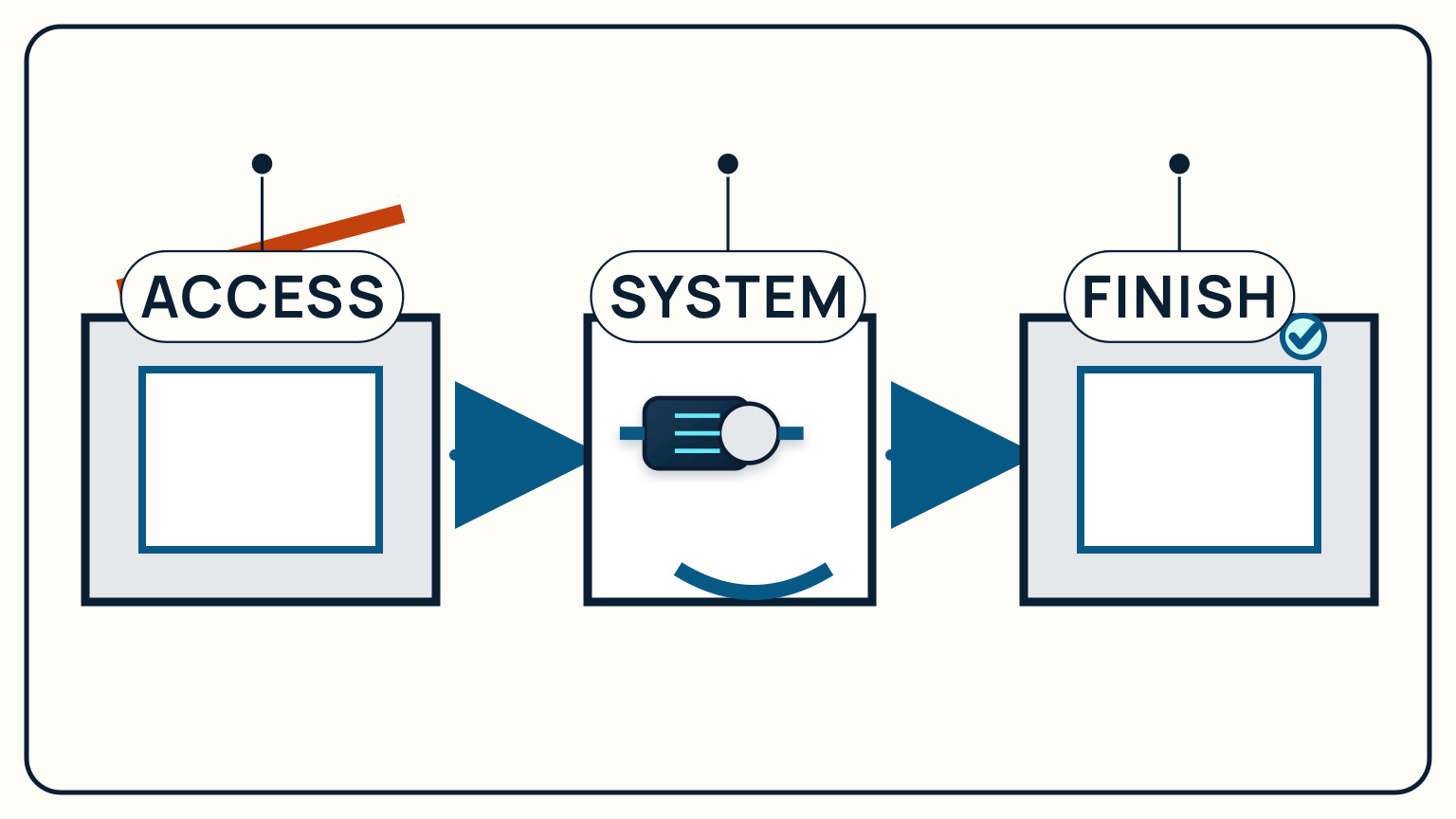
Draw a dependency map before booking jobs. Start with access: which panels, tanks, joinery, or deck fittings must move so the system can be reached? Put inspection and hidden repairs next. Testing follows installation, while insulation, trim, paint, and other finishes close the route only after the work passes its agreed check.
Use one area of the boat as a trial. Suppose a pump, hose route, and electrical supply share the same locker. Opening the locker for each trade on separate dates invites rework. A coordinated sequence can inspect the space, complete the hidden system tasks, test them, and restore the finish once. The exact trades and method depend on the boat, but the access-first logic is visible and easy to verify.
Mark dependencies that can stop the schedule. A general survey may call for specialist inspection before an estimate is credible. A repair may reveal a larger affected area. Parts may need confirmation against installed documentation. Place those uncertainties before jobs that would cover them. Update the sequence after each finding rather than protecting the original calendar. A changed plan is cheaper than repeating finished work to reach an overlooked system.
Add inspection hold points to the schedule. At each one, the relevant person reviews hidden work before the next layer closes it. A photograph is useful, but it should not become the only acceptance method when testing or professional inspection is required. The hold point also gives the budget owner a clean moment to compare the actual finding with the estimate and authorize any necessary scope change.
Hold The Change Control
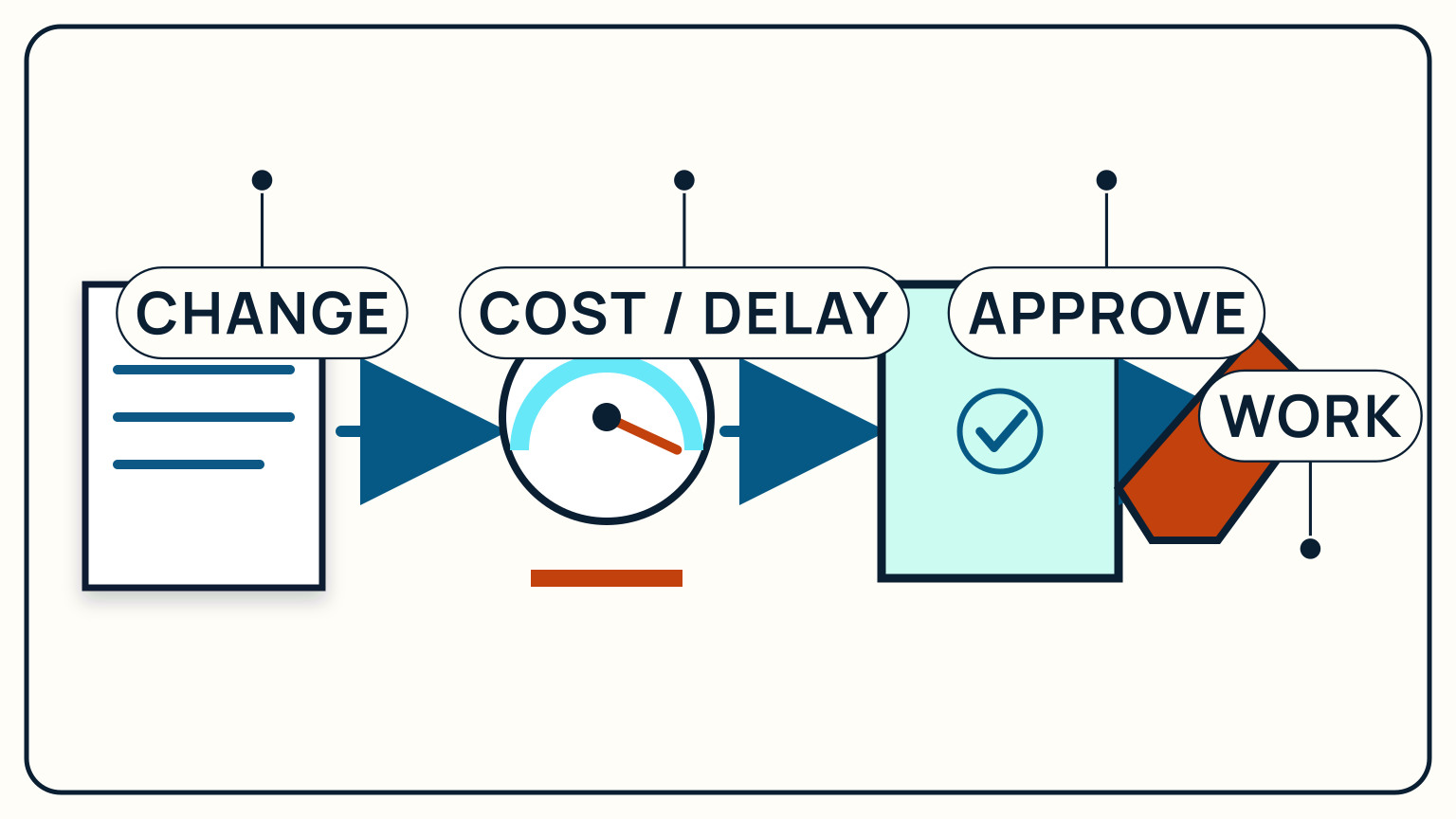
Refits invite additions because the boat is already apart. Give every new request a short change note: what is proposed, why it is needed, what existing scope it affects, the revised estimate, and any delay. No work starts until the person controlling the budget accepts those effects. This keeps an interesting improvement from borrowing money or time from a launch requirement without notice.
Distinguish discovery from preference. Hidden damage may force a change to achieve the original completion test. A different finish colour does not. Both can alter the quote, yet they deserve different decisions. Ask the repairer to show the new evidence and identify what part of the old scope no longer applies. Keep approvals with the job record so invoices can be compared with the work actually authorized.
Review the finish line after several changes, not only each change in isolation. Small additions can collectively move the project beyond its budget or season. If that happens, remove lower-priority work, change the launch plan, or stop and reassess the whole value proposition. Protecting the original goal is more important than finishing every idea generated while access is open.
Keep a change log with four totals: original approved scope, forced discoveries, elective additions, and work removed. This reveals whether the project is growing because the boat's condition was worse than known or because preferences expanded. The response may differ. Discoveries can require a new value decision; elective growth can often be deferred. Both still need an explicit approval before they consume the launch budget.
Close each approved change with a result, not only an invoice. Link it to the revised drawing or specification, photographs of hidden work, and the completion check. If a change removes another task, show that removal in the master list. This prevents the same deleted item from returning later as an apparent omission and keeps the current launch state understandable to a new yard or surveyor.
A controlled refit has visible evidence, an explicit launch state, and a current sequence. Keep survey findings, specialist scopes, estimates, approvals, photographs, and completion checks together. SailStarter's ownership lessons can help you organize the inspection and system map. Surveyors, repair specialists, and yards should define and verify the work that requires their expertise on the actual boat.
At every project review, ask whether the boat being built still matches the boat you intend to use. That question is the best defense against a technically busy refit that never reaches a practical launch.
Leave deferred work clearly visible with a reason and review date. Deferral is controlled only when the crew knows what remains and why it does not block the stated intended use.
Try it from the lesson
Can you spot the next move?
A wide sailboat glides past on two side-by-side hulls, barely leaning at all. What type is it?
Why you can trust this guide
. We build each guide from public seamanship and safety sources, then teach the universal principle before any local difference.