Chart your course
Sailboat vs Yacht vs Ship: What’s the Difference?
Quick answer
The short version
A sailboat is a boat driven mainly by sails. A yacht is generally a recreational craft, which may use sails or engines. Ship usually means a larger vessel built for commercial, naval, research, or transport work. These categories overlap. A sailing yacht is still a sailboat, and people may call a large private motor vessel a yacht even though it has no sails. There is no worldwide length at which every boat changes into a yacht or ship. When the distinction matters, describe the craft's propulsion, purpose, hull, and rig instead of relying on one label.
The three words often seem more precise than they are. Listings, marinas, news reports, and regulations use them for different jobs. That explains why two careful speakers can look at the same vessel and choose different words. You can still speak clearly by asking what information the listener actually needs.
Imagine someone asking whether a “yacht” can enter a shallow marina. The label does not answer them. Draft and local depth do. If they ask whether it can cross an ocean, design, equipment, condition, crew, and route matter. Useful boat language moves quickly from a broad category to the feature behind the question.
None of the three words has a worldwide size threshold; each is decided by a different question.
| Dimension | Sailboat | Yacht | Ship |
|---|---|---|---|
| Core meaning | A boat driven mainly by sails | A recreational craft, sail or engine-powered | A larger vessel built for commercial, naval, research, or transport work |
| What decides the label | Propulsion — sails provide the main drive | Recreational use and fit-out, not length alone | Working purpose and scale |
| Worldwide size threshold | None | None | None |
| Typical size context | Small open training boat to a large cruiser | Often used for a larger private cruising boat | Reserved for craft carrying cargo or passengers |
| Best used when | Propulsion is the point | Recreational use is relevant to the audience | Describing a large working vessel is the established term |
How do you define the craft by purpose?
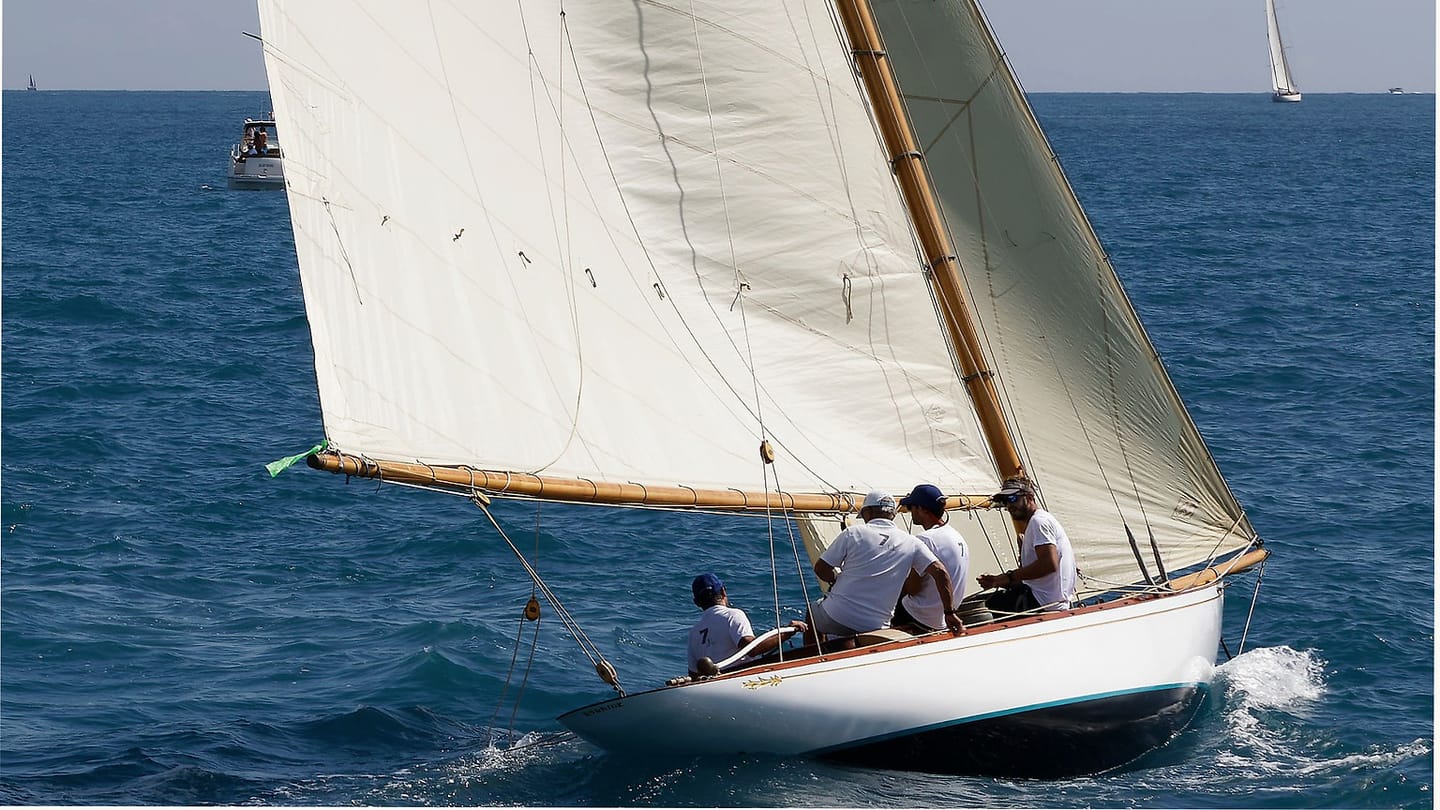
Start with the least ambiguous fact. If sails provide the main drive, sailboat is useful. Yacht adds a recreational context and often suggests a craft equipped for leisure, sport, or cruising. Ship usually points toward a larger working role. None of those descriptions tells you everything about size, capability, or legal status.
A single craft can therefore be a monohull, sloop, sailboat, cruising yacht, and pleasure vessel at the same time. Each term answers a different question. Count hulls for the hull type, inspect the rig for the sailing type, and ask how the craft is used for its broader category.
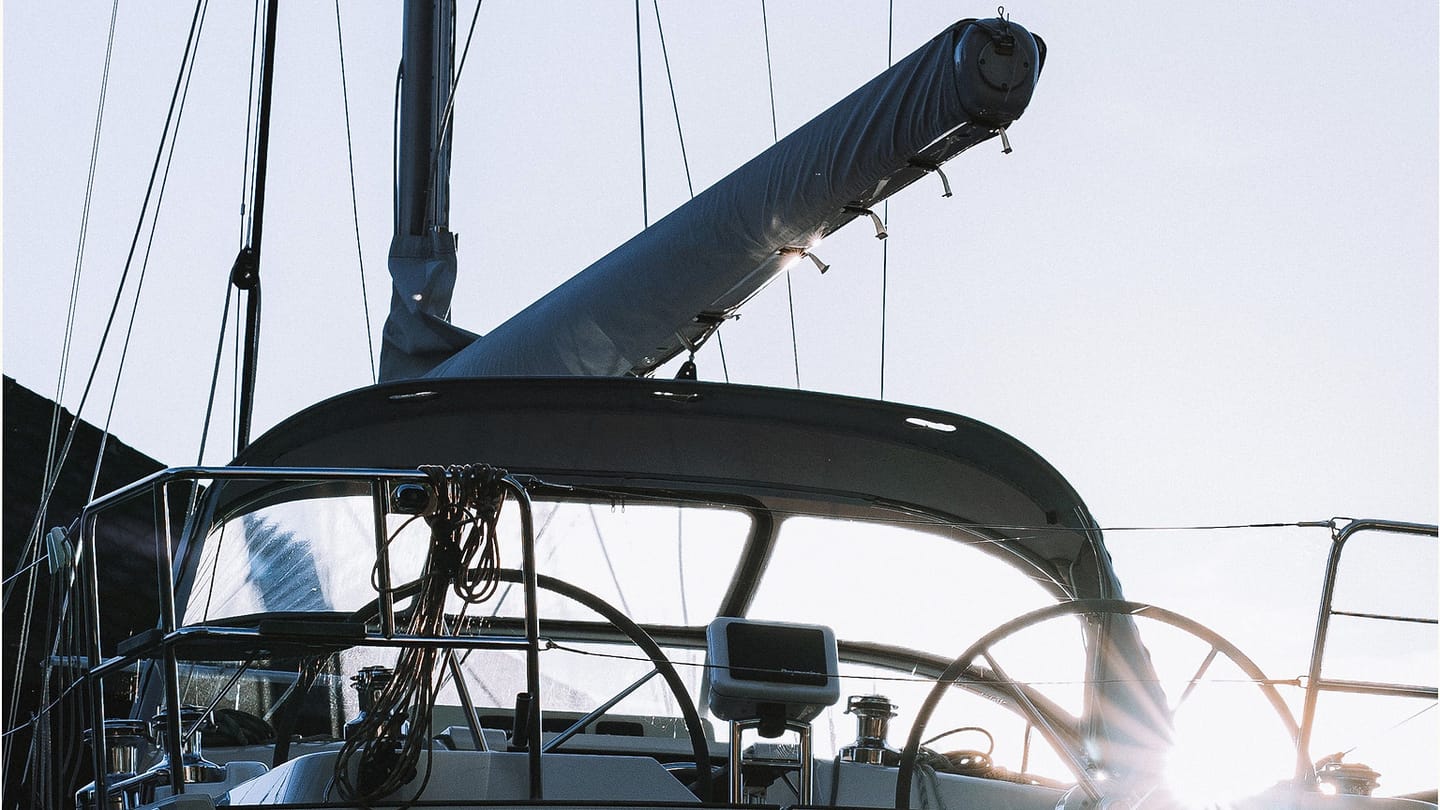
Propulsion can also be mixed. Many recreational sailboats have an auxiliary engine for harbour work or times when sailing is impractical. That does not erase the sailing rig. In the same way, a yacht can be powered only by engines. Say “sailing yacht” or “motor yacht” when that distinction helps the listener.
Try It: One Boat, Several Correct Names
Picture a family's weekend boat: one hull, one mast carrying a mainsail and a headsail, a small diesel engine for the harbour, used for cruising and the odd overnight. Call it a sailboat and you are right, because sails drive it. Call it a sloop and you are also right, because that names its rig. Call it a cruising yacht and you have not contradicted yourself, because the word is now pointing at how the family uses it rather than at its hull or rig. None of these names cancels the others. They each answer a different question about the same boat, and a confident sailor picks the one that answers the question actually being asked instead of defending a single "correct" label.
The auxiliary engine does not demote the boat from sailboat to something else, and it would not stop being a sailboat if the family upgraded to a bigger diesel next season. The rig, not the presence of an engine, is what the word sailboat is describing. Types of sailboats for beginners walks through more of these hull and rig distinctions if you want the fuller picture before you start applying labels of your own.
Compare Size and Use
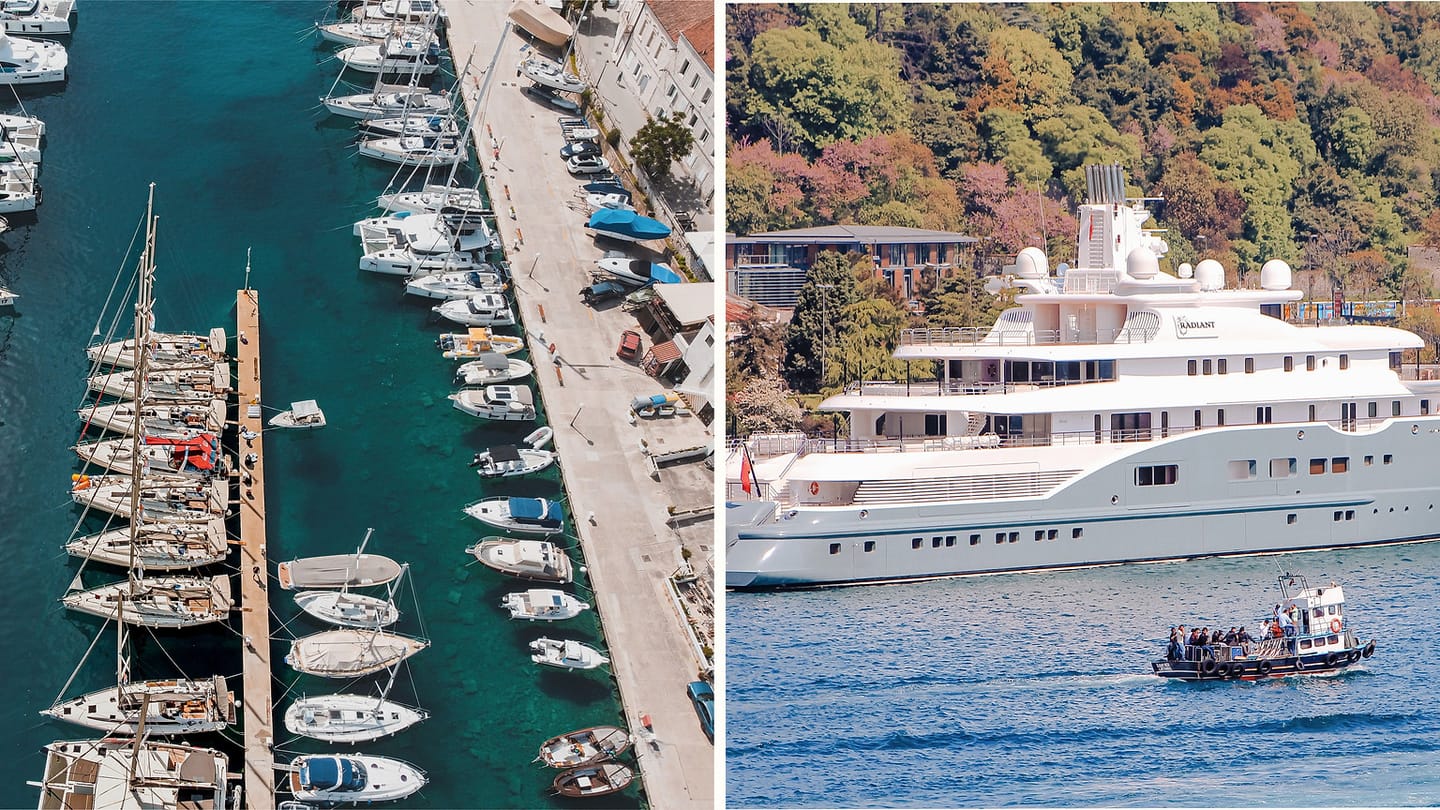
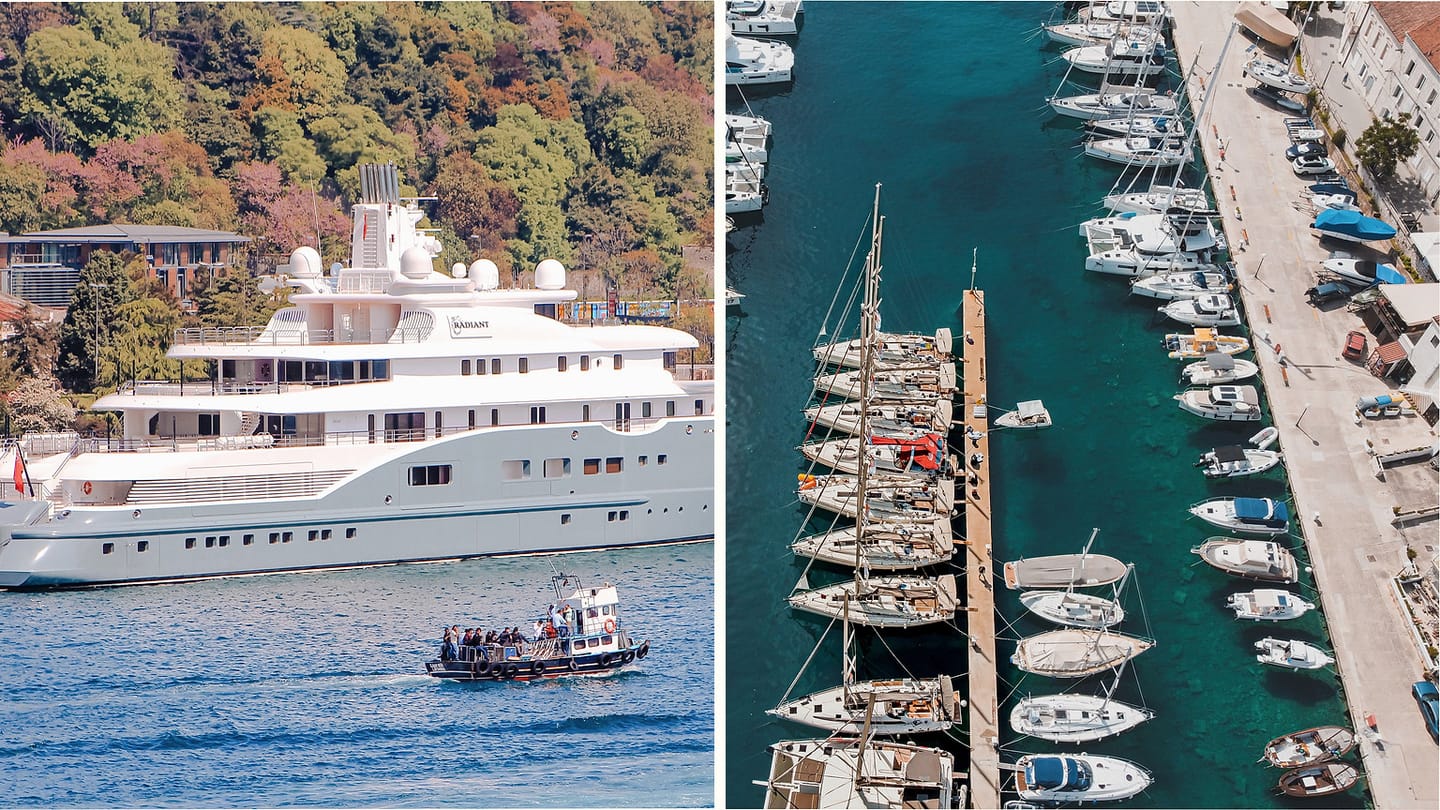
Size influences everyday language, but it does not create a universal boundary. A small open training boat is rarely called a yacht. A large private cruising sailboat often is. A much larger craft carrying cargo or passengers is commonly called a ship. The uncertain area between them depends on local habit and professional context.
Avoid claims such as “anything over this length is a yacht.” A regulation may define categories for one purpose, but that definition does not automatically govern ordinary speech elsewhere. If size matters, give the actual length, draft, displacement, or capacity that matters to the decision.
Purpose can change while the hull stays the same. A privately used sailing yacht may later operate under a commercial arrangement governed by different local requirements. That is why contracts and authorities define vessels for a specific purpose. Verify the current local definition whenever equipment, insurance, or operating limits depend on it.
Is There a Length Where "Boat" Becomes "Yacht"?
People ask this often enough that it is worth answering directly: no, not as a worldwide rule. Two boats of the same length can sit on opposite sides of everyday usage. A bare, open training boat used for club lessons is unlikely to get called a yacht by anyone, however long its waterline is. A similarly sized boat finished for cruising (with a cabin, berths, and gear for living aboard for a few nights) gets called a yacht far more readily, purely because of what it is equipped and used for. The hull length told you almost nothing on its own; the fit-out and the intended use did the actual work.
That is why a specific regulation's length threshold (written for one purpose such as safety equipment or licensing) should not be quoted as though it settled the general English word. A rule can draw a precise line for its own job while ordinary speech keeps using the word more loosely on either side of that line. If size genuinely matters to your question (such as which marina berths will fit the boat or whether a course covers it), ask for the actual length, draft, or displacement instead of trusting the label.
How do you read listing language carefully?
Sales language tends to favour yacht because it sounds comfortable or prestigious. Treat it as a clue, not a technical specification. Read the inventory for rig, engine, berths, tankage, navigation equipment, and intended use. A “pocket yacht” may be a modest sailboat. A “sailing ship” may be a large traditional vessel rather than a weekend cruiser.
The same caution applies when booking training or chartering. Ask for the boat model, type, accommodation, operating area, and crew arrangement. Those answers tell you far more than the category printed in a headline.
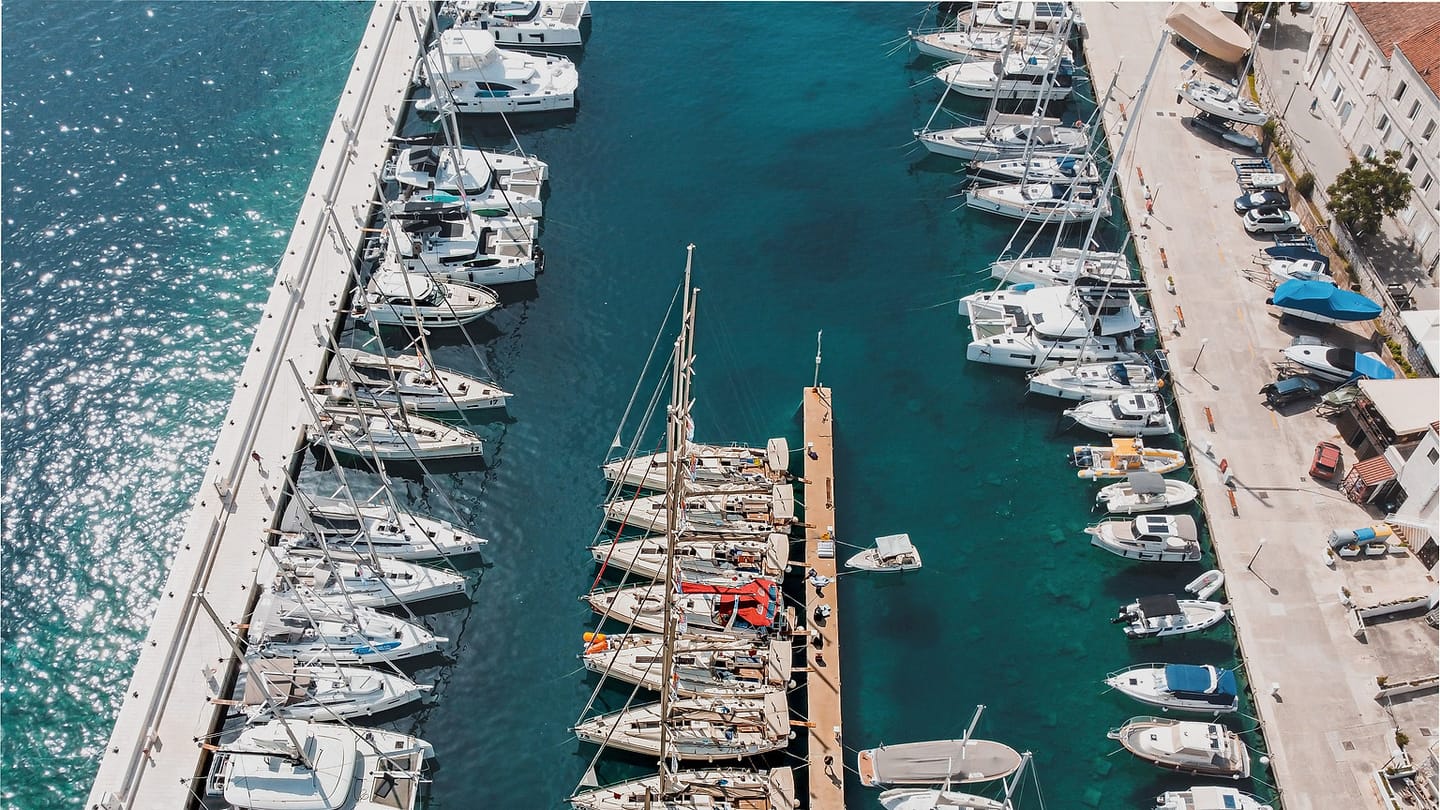
Photographs deserve the same careful reading. A wide-angle interior can make a compact cruiser look enormous, while an aerial photograph can hide freeboard and draft. Request a sail plan, layout, dimensions, and equipment list. Confirm those details with the provider rather than inferring capability from appearance.
Unpack a Listing Line Yourself
Take a sentence like "Motivated seller offers this luxury yacht, must see." It tells you almost nothing you can act on. Before replying, ask for the same handful of facts every time: is it sail or engine driven, how many berths, what is the draft, what navigation and safety equipment is fitted, and what has the boat actually been used for. A "pocket yacht" that turns out to be a modest weekend sailboat is not a problem if the price and the description match; the problem is deciding from the word alone, before the specifics arrive. The same discipline helps when you are comparing day sailing, cruising, and racing boats that are being marketed toward very different buyers using very similar language.
Choose the Right Word
Use sailboat when propulsion is the point. Use yacht when recreational use is relevant and the local audience understands it. Use ship for a large working vessel when that is the established term. In formal situations, use the definition in the current local rule or contract and verify it rather than assuming everyday usage applies.
Clear sailors add specifics: “a 9-metre cruising sloop,” “a two-person dinghy,” or “a professionally crewed motor yacht.” The label then becomes helpful context instead of carrying the whole description.
Use the same pattern when you do not know the exact design. “A small open sailboat with one mast” is clearer than guessing a class. “A large passenger vessel” communicates an observed role without forcing ship terminology. Precise observation is more useful than specialised vocabulary used too confidently.
Does an Insurance or Charter Definition Follow You Home?
No, and this trips people up more than the everyday cases above. A boat used privately as a sailing yacht one season can be chartered out under a commercial arrangement the next, and the categories, paperwork, and safety requirements that apply to it can change with that use even though nothing about the hull changed at all. If you are booking or offering a bareboat charter, or looking at sailboat charter insurance, the word printed on the listing is not the definition that governs your contract or your cover. Ask the operator or insurer which definition applies to your specific booking, and treat everyday vocabulary and contractual categories as two separate questions, verified separately, rather than assuming one settles the other.
SailStarter's boat-choice lesson helps you turn these broad names into useful observations. Practise identifying hull count, fixed keel or retractable board, and the visible rig. Then connect those features to the job you want the boat to do. You will be better prepared to read listings, speak with instructors, and compare charter options without getting trapped by prestige language. The goal is not to win an argument about vocabulary. It is to describe the vessel clearly enough that everyone can make the same practical decision.
Try the method on three boats in a local marina or a licensed photograph collection. Write one broad term, then add propulsion, hull type, rig, approximate use, and the feature relevant to your question. If the broad term changes but the practical description stays accurate, you have found the limit of the label and the value of the details.
Try it from the lesson
Can you spot the next move?
A wide sailboat glides past on two side-by-side hulls, barely leaning at all. What type is it?
Why you can trust this guide
. We build each guide from public seamanship and safety sources, then teach the universal principle before any local difference.