Chart your course
Bottom Paint for Sailboats Explained

Quick answer
The short version
Bottom paint usually means antifouling paint applied below the waterline to reduce marine growth while a boat remains afloat. It is a working coating, not a universal cosmetic layer. Hard antifouling keeps a firm film and releases active ingredients from it. Eroding or polishing products wear gradually in service. The right product depends on local water, boat speed and use, time afloat, cleaning practice, substrate, existing coating, haulout pattern, and current environmental rules. Before sanding or painting, identify what is already on the hull and check compatibility. Follow the current product label and technical sheet for preparation, protective equipment, coat thickness, drying, overcoating, and launch timing. Ask the yard how it controls dust, wash water, scraping waste, and restricted products.
Growth adds drag and can obstruct underwater fittings. That does not mean every boat needs the same coating or schedule. A trailer-sailed dinghy that dries after use presents a different job from a cruising keelboat kept in warm water. Local fouling pressure varies sharply. Start with the boat's actual use and the condition of the existing system, then compare products legally available where the work and sailing occur. Manufacturer names and colours alone do not prove compatibility.
What Does Antifouling Paint Actually Do?
Antifouling coatings create a surface that discourages organisms from attaching or remaining. Different formulations do this through controlled release, surface renewal, or other product-specific behavior. A hard coating retains a durable film and can suit boats that move quickly or receive compatible cleaning. An eroding or polishing coating renews its surface as it wears, which can reduce paint buildup under suitable use.
The trade-offs are specific to the product and boat. A coating that performs well on one mooring may be a poor choice for long storage ashore, very low use, frequent scrubbing, or a different substrate. Ask local yards and boat owners about fouling pressure, but confirm every application claim in the current manufacturer documents. Experience can guide the shortlist; the label controls the work.
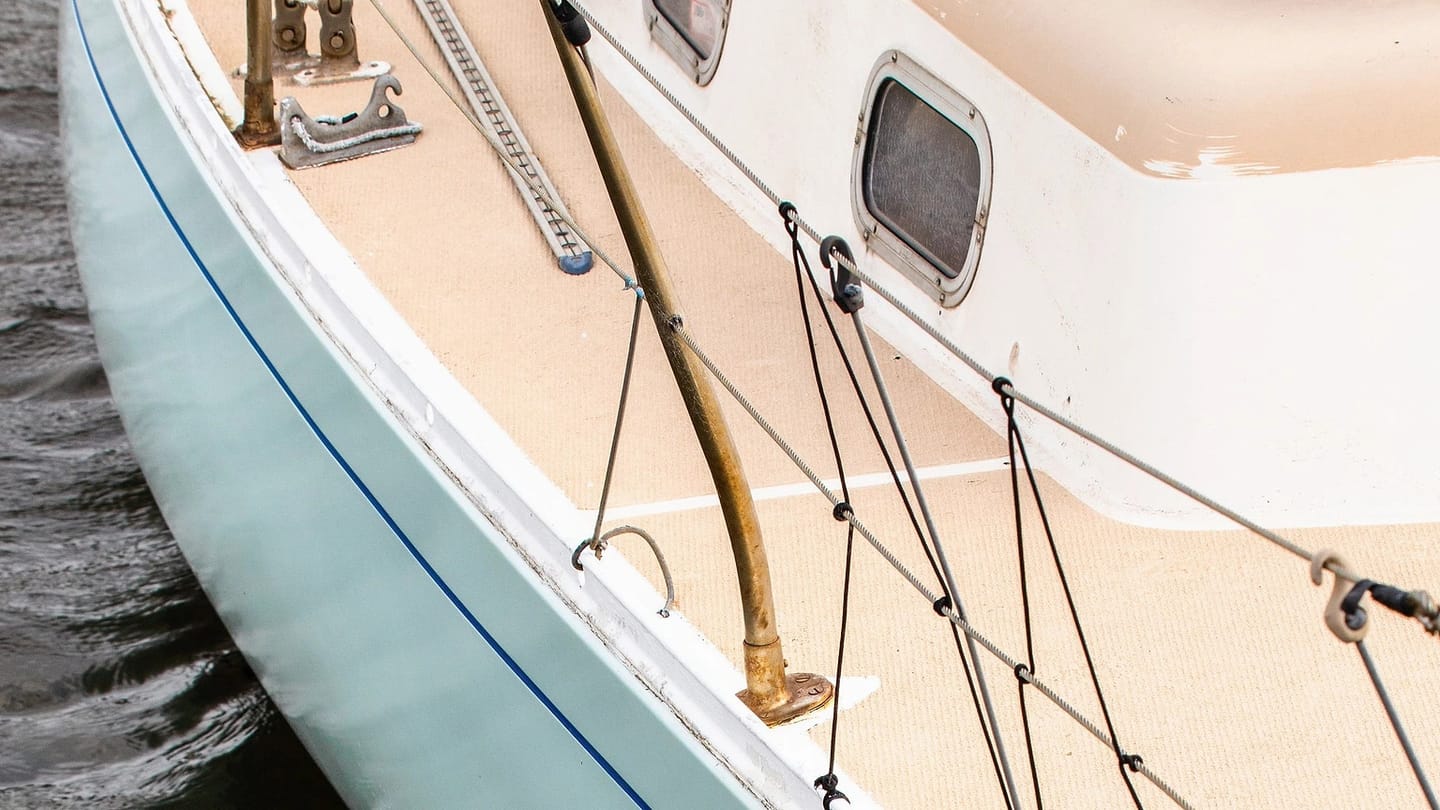
How Do You Choose the Right Product?
Write down hull material, existing coating if known, normal speed, sailing frequency, months afloat, storage pattern, and whether the hull is scrubbed in the water. Identify restricted or approved products locally. Then use a manufacturer's compatibility guide or technical support to narrow the choice. Metal hulls and underwater metals can have special compatibility concerns that deserve professional advice.
If the existing paint is unknown, do not rely on its colour. The yard may recommend testing, removal, or a compatible barrier or tie coat. More coating is not automatically better. Excess old layers can become unstable and detach. Include the future maintenance cycle in the decision: what preparation will be needed next haulout, and can the local yard support it?

Why Is Surface Preparation So Important?
Paint adheres to the surface beneath it, so dirt, slime, salt, loose coating, oil, or incompatible paint can defeat the new layer. Pressure washing is usually most effective soon after haulout where the yard permits it. Inspect the clean hull for coating failure, blisters, impact damage, cracks, and repairs that need assessment before painting.
Follow the specified cleaning, sanding, priming, and recoating method. Old antifouling dust and scrapings require protective equipment and controlled collection. Do not dry-sand in an open area or let waste enter the water. Yard rules may be stricter than the product sheet. Mask the waterline accurately and protect transducers, anodes, and fittings as their manufacturers require. Antifouling is not a substitute for repairing a damaged substrate.
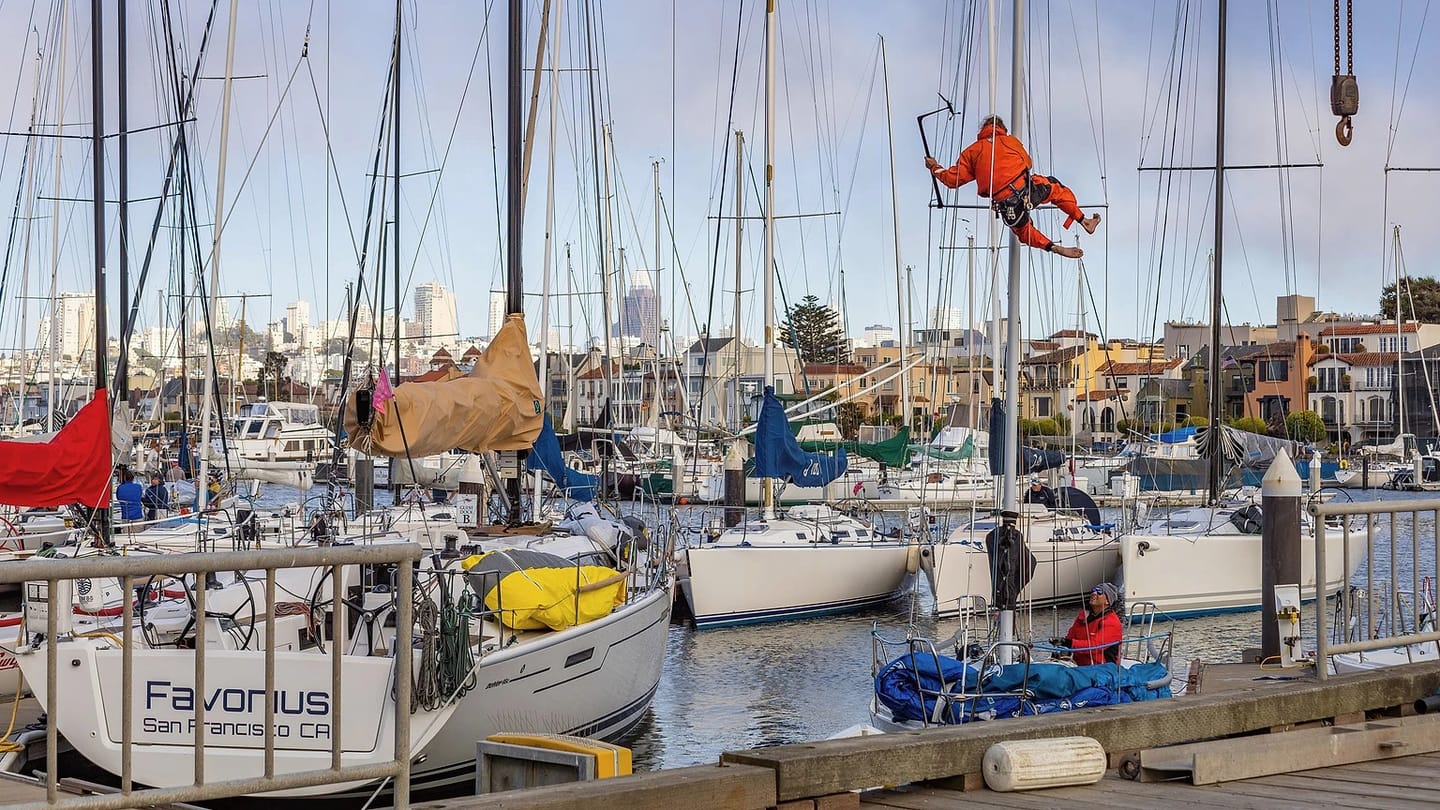
What Controls Application and Launch?
Build the job from the product sheet backward
Choose the launch date only after you have the current label and technical sheet for the exact product. Those documents set the mixing method, protective equipment, number and thickness of coats, drying conditions, overcoat window, and permitted time before launch. A schedule copied from another paint can fail even when both tins say “antifouling.” Product families and local formulations can differ.
Work backward from launch. Allow time for hauling, washing, drying, inspection, preparation, each coat, the required interval between coats, and the final launch window. Weather belongs in that plan because the technical sheet's conditions apply during coating and cure. If the yard controls launching, confirm its timetable before opening the tin.
Surface preparation begins with identifying what is already on the hull. Record the known coating, its condition, and the hull substrate. Look for loose paint, poor adhesion, bare patches, damage, or an unknown layer. Compatibility guidance may call for cleaning, sanding, a tie coat, primer, or full removal. Guessing at compatibility can waste the new coating and leave a much larger stripping job later.
Compare products with the boat's real use
Use the same questions for every candidate:
- Where will the boat remain afloat, and what growth occurs there?
- How long will it stay in the water between haul-outs?
- Will it sail often, sit unused, travel quickly, or receive underwater cleaning?
- What substrate and existing coating must the new product cover?
- Do the current label and local rules allow that product where the boat is kept?
Hard and eroding or polishing paints wear differently, so there is no automatic winner. Match the behavior to use rather than buying only by price or advertised strength. A coating that suits a fast, frequently used boat may be a poor match for a boat that remains still for long periods. Keep the answers with the product name and technical sheet so the next maintenance cycle starts with evidence.
Record what you actually applied
Write down preparation steps, primer or tie coat, batch or product details, coat count, dates, conditions, and launch date. Photograph representative areas before and after coating. At the next haul-out, compare fouling and wear with that record. You can then decide whether the product choice, preparation, thickness, use pattern, or cleaning practice needs to change.
Do not use colour alone to judge remaining protection. Instead, inspect the coating's condition and compare it with the maker's guidance. Keep sanding dust, wash water, scrapings, and waste under the yard's controls and current local requirements. The broader spring commissioning checklist helps place bottom work in the right order, while the first month of ownership guide shows how to start a reliable maintenance record.
A compact owner checklist
Before buying paint, confirm the substrate, current coating, condition, use pattern, water, cleaning practice, time afloat, and applicable restrictions. Before preparation, confirm the yard's dust, wash-water, and waste controls. Before coating, read the current label and technical sheet from start to finish. Before launch, verify that every coat and time window matches the recorded application.
Pause when a fact is missing. An unknown old coating, moisture problem, damaged laminate, widespread adhesion failure, or unclear local restriction needs an answer before more paint goes on. Ask the product maker, yard, or a qualified coating professional with the hull details in hand. A short delay at that point is cheaper than covering a problem that the next haul-out will expose again.
After launch, inspect performance during the season rather than waiting for a severe fouling problem. Record where growth appears first and whether coating wears differently at the waterline, leading edges, rudder, or cleaned areas. Those observations give the next product comparison a real basis.
Mix the product thoroughly because heavy ingredients can settle. Apply the specified number of coats at the required wet-film coverage, adding extra attention only where the product guide directs. Temperature, humidity, application method, thinner, overcoat interval, and film thickness affect curing. Use compatible rollers, brushes, primers, and solvents. Personal protective equipment comes from the label and safety data.
Record batch, colour, quantity, date, conditions, coats, and remaining paint. Follow minimum and maximum launch times. Some hard coatings have specific requirements after extended storage ashore or a period in service. Do not assume a dry surface is ready for immersion. Ask the yard to record what it applied if you are not doing the work yourself.

Use SailStarter's boat-anatomy lesson to identify exactly which surfaces sit below the waterline and which fittings need separate treatment. At the next haulout, photograph the hull immediately after washing and again after preparation. Record the old coating if known, bare substrate, failure areas, waterline, keel, rudder, propeller, shaft, anodes, and transducers. Give the paint supplier or yard your real use profile rather than asking for the "best" bottom paint. Confirm compatibility, legal availability, preparation, coverage, protective equipment, overcoat windows, and launch window in writing. Keep that record for the next haulout. A successful coating system is repeatable: you know what is underneath, what went on top, how it was applied, and what condition it reached after a season in your water.
Try it from the lesson
Can you spot the next move?
What cushions the gap between the boat and dock before they touch?
Why you can trust this guide
. We build each guide from public seamanship and safety sources, then teach the universal principle before any local difference.