Chart your course
Marine Toilet Won't Pump or Flush: Start Here
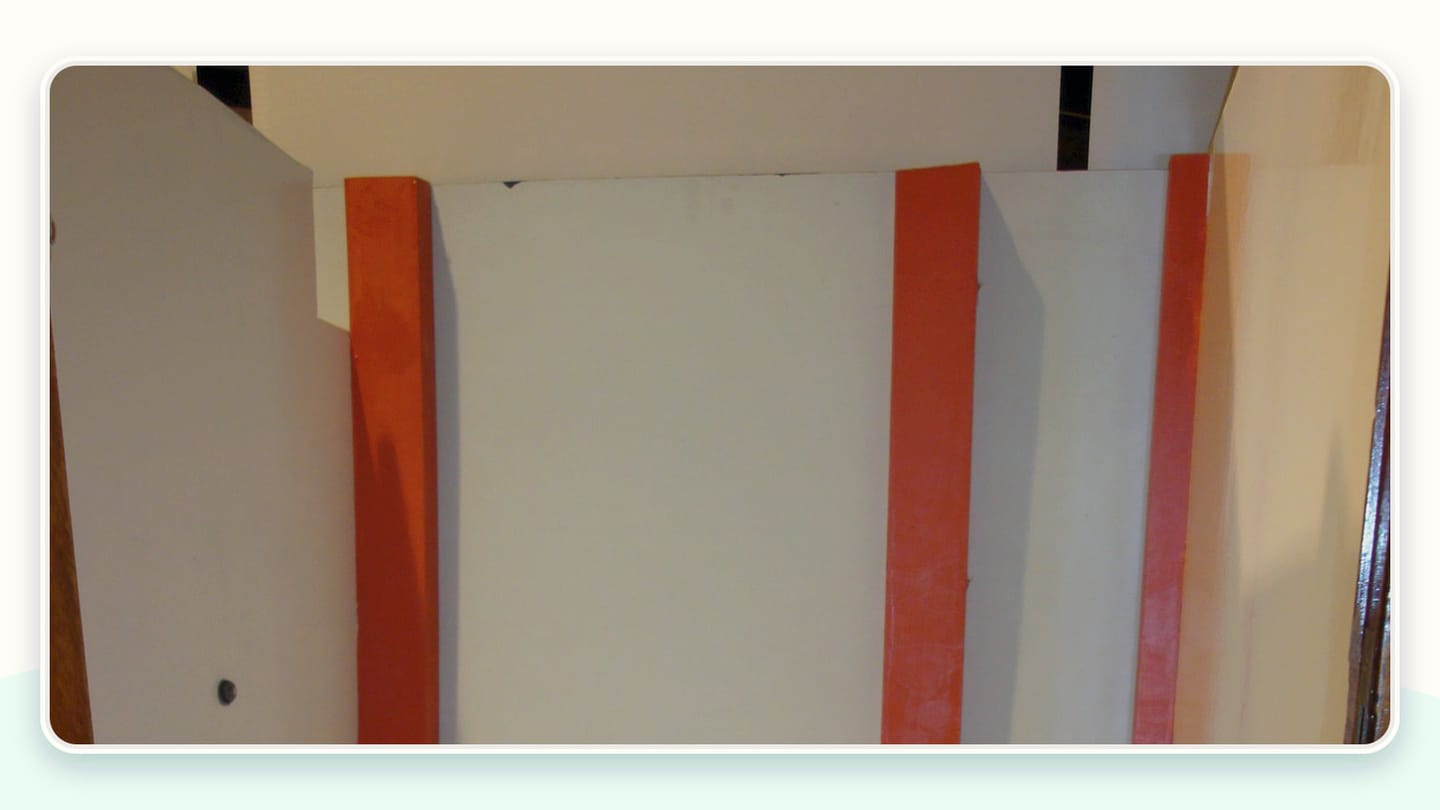
Quick answer
The short version
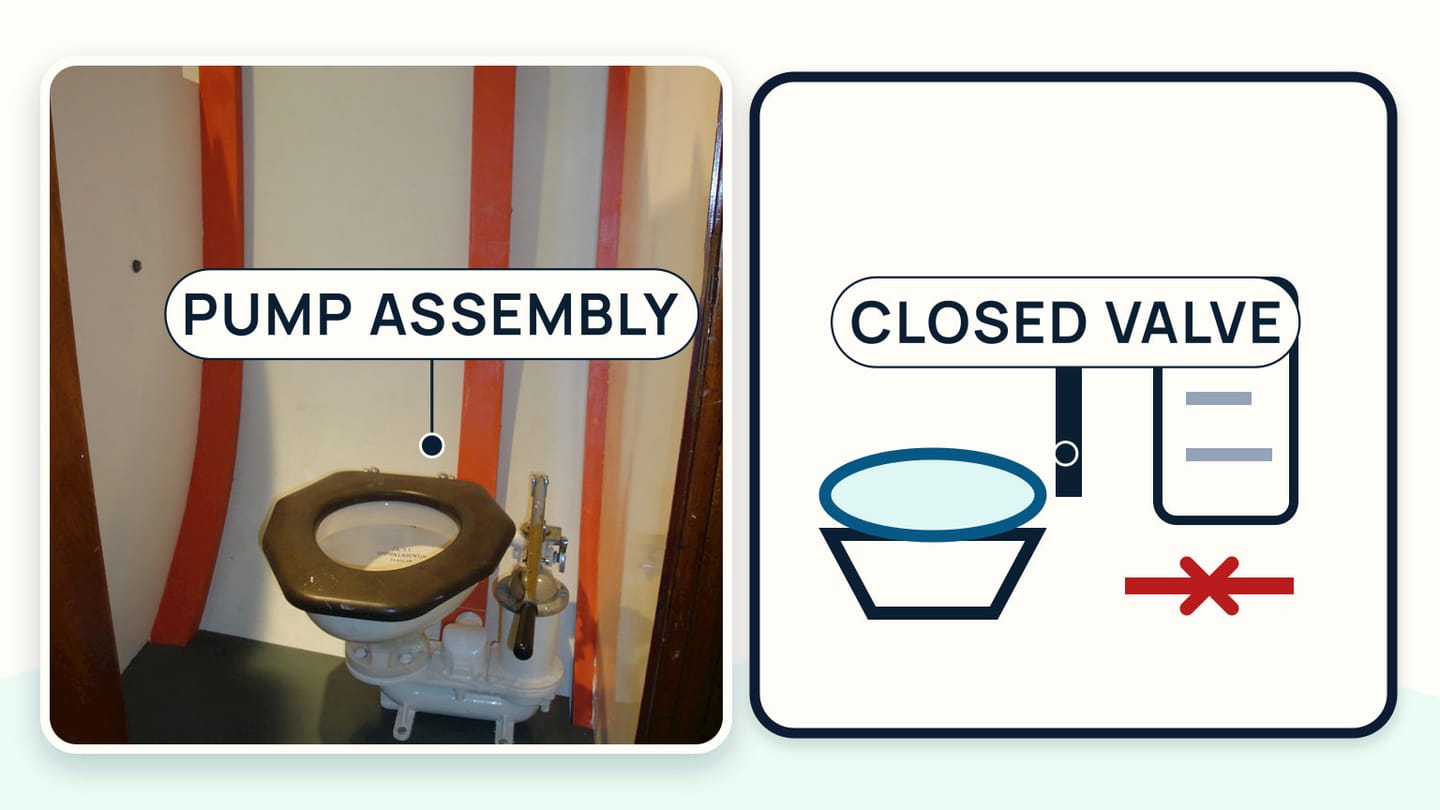
When a manual marine toilet will not pump or flush, begin with the symptom. Is water failing to enter the bowl? Is the handle hard to move? Does the bowl fail to empty even though the handle moves? Is waste water returning afterward? Those answers point to different parts of the flow path. Before opening a hose or pump, identify the installed model, read its service instructions, and isolate the system as that manual directs. For the Jabsco manual example used here, service begins with both inlet and discharge seacocks closed.
Marine sanitation plumbing is not a good place for improvisation. The same shape of toilet can hide different valves, routes, and service parts. Use this article to sort the observation and decide whether a simple documented check is appropriate. Stop if you cannot identify a valve, isolate the system, or follow the exact model guide. That is a sensible hand-off point, not a failure.
Name the symptom before touching anything
Take a calm look at what the system is doing. Water not entering the bowl is different from a bowl that will not empty. A handle that is difficult to push or pull is different from a handle that moves freely with no result. Waste returning to the bowl is another separate symptom. Write down the first symptom and anything that changed immediately before it appeared, such as a valve movement, tank condition, or unusual pumping effort.
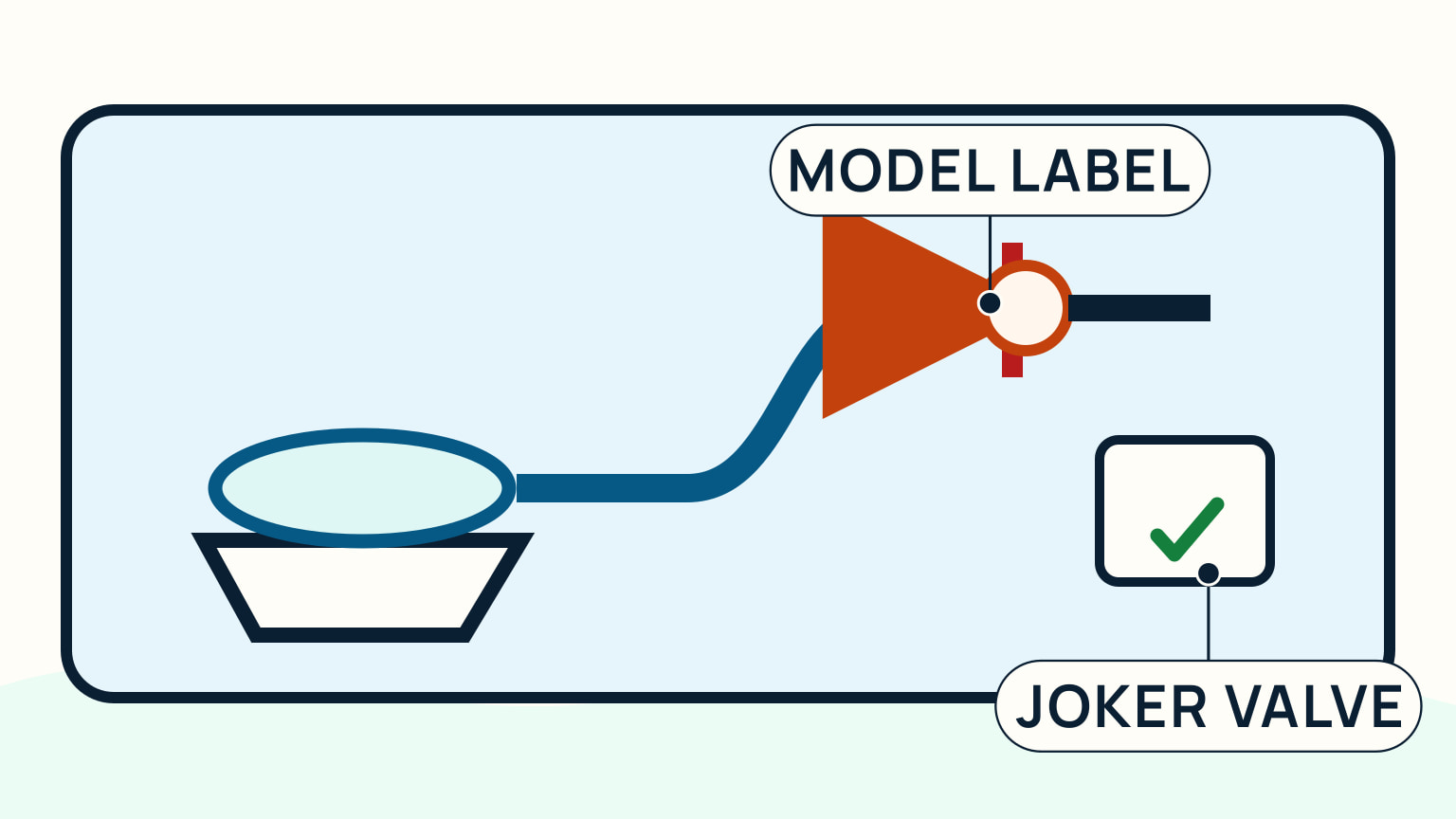
This avoids a common mistake: taking apart the pump because the toilet "will not flush" when the problem is actually further along the path. A manual toilet relies on a sequence of components and connections. The cited Jabsco guide includes a flush control, inlet and outlet seacocks, pump parts, seals, a joker valve, and discharge route. Your model may arrange them differently. The observation is portable. The repair instruction is not.
Check the inlet path when water will not arrive
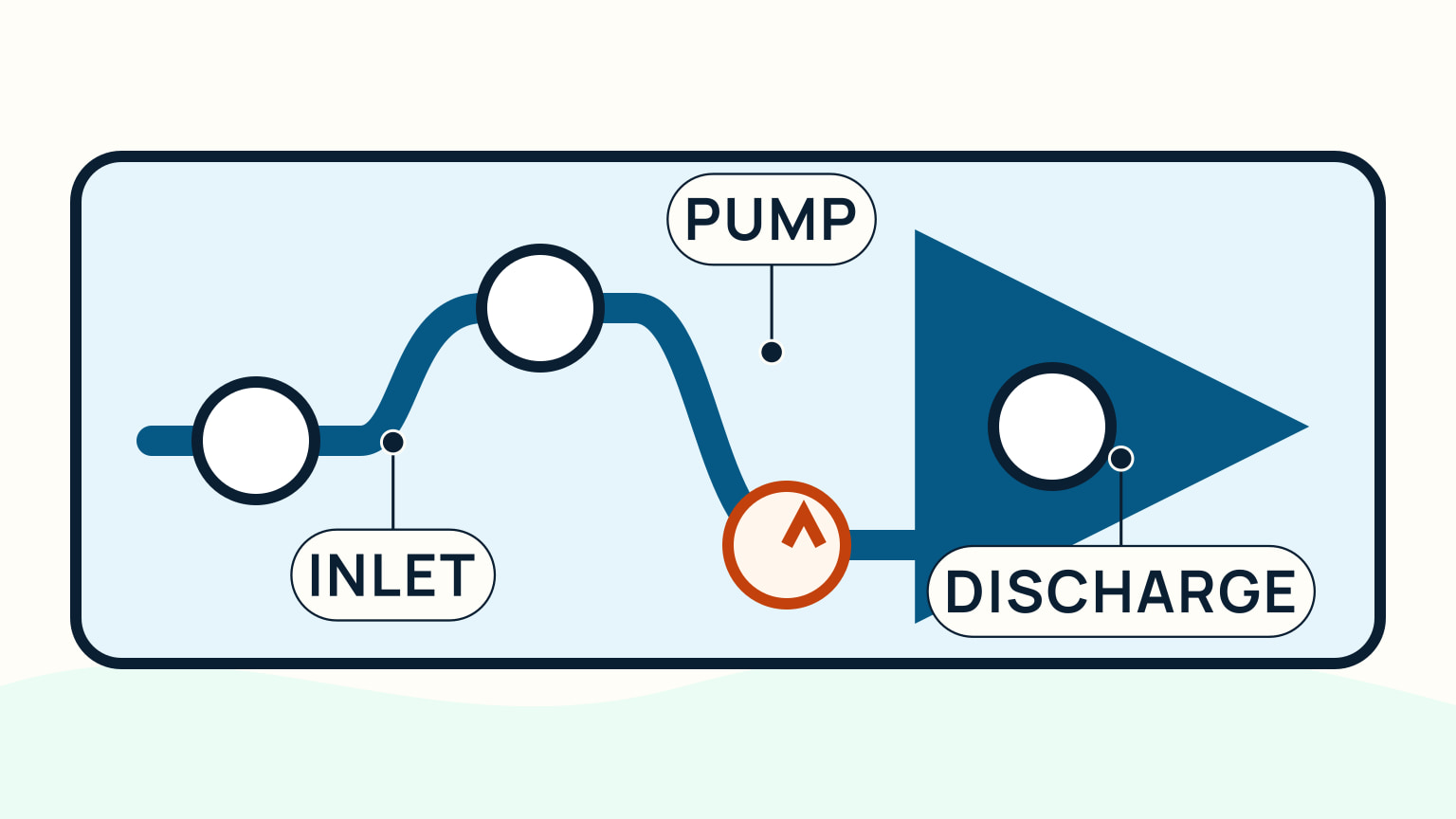
For the cited Jabsco Twist 'n' Lock manual toilet, no water entering the bowl can be associated with an inlet seacock or flush control that is not open, an inlet air leak, or pump components such as the top valve gasket or piston O-ring. Those are model-specific possibilities, not a list to apply blindly. Start with the easy visible checks that the manual names. Confirm the model. Confirm the control position. Identify the inlet seacock from the documented plumbing route.
Do not force a handle to make water appear. If the basic documented checks do not resolve the problem, stop and use the service section for your exact model. Xylem also provides model-identification guidance because replacement kits and pump assemblies are not interchangeable by assumption. A boat plumbing guide can help you understand common terms, but it does not replace the manual on the boat.
Read a hard handle as a flow clue
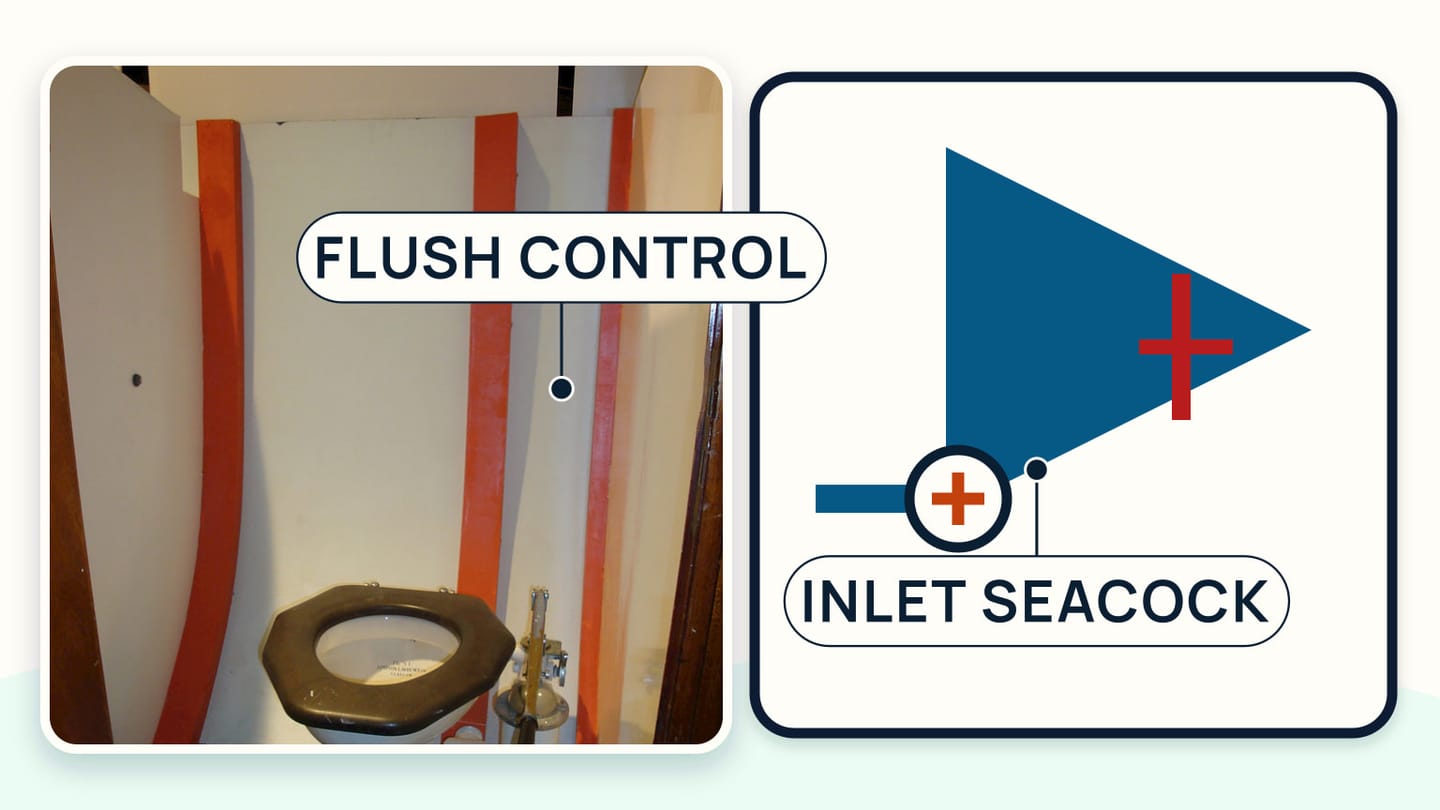
A hard handle is information. In the cited manual, a bowl that will not empty with resistance can point to the outlet seacock, a discharge restriction, the hose, or the joker valve. A hard pull can have a different listed cause from a hard push. That distinction is why it helps to record exactly when the resistance happens rather than describing the whole action as stuck.
Do not respond by adding more force. The toilet, pump, hose, and fittings are part of a system that can be damaged or made harder to service. Find the exact service instructions for the installed head and follow its isolation steps before any inspection beyond the simple operating checks. If the outlet route or holding-tank condition is unclear, leave it for a qualified technician. The system has to be safe to open before it can be useful to diagnose.
Separate a free-moving handle from a blocked path
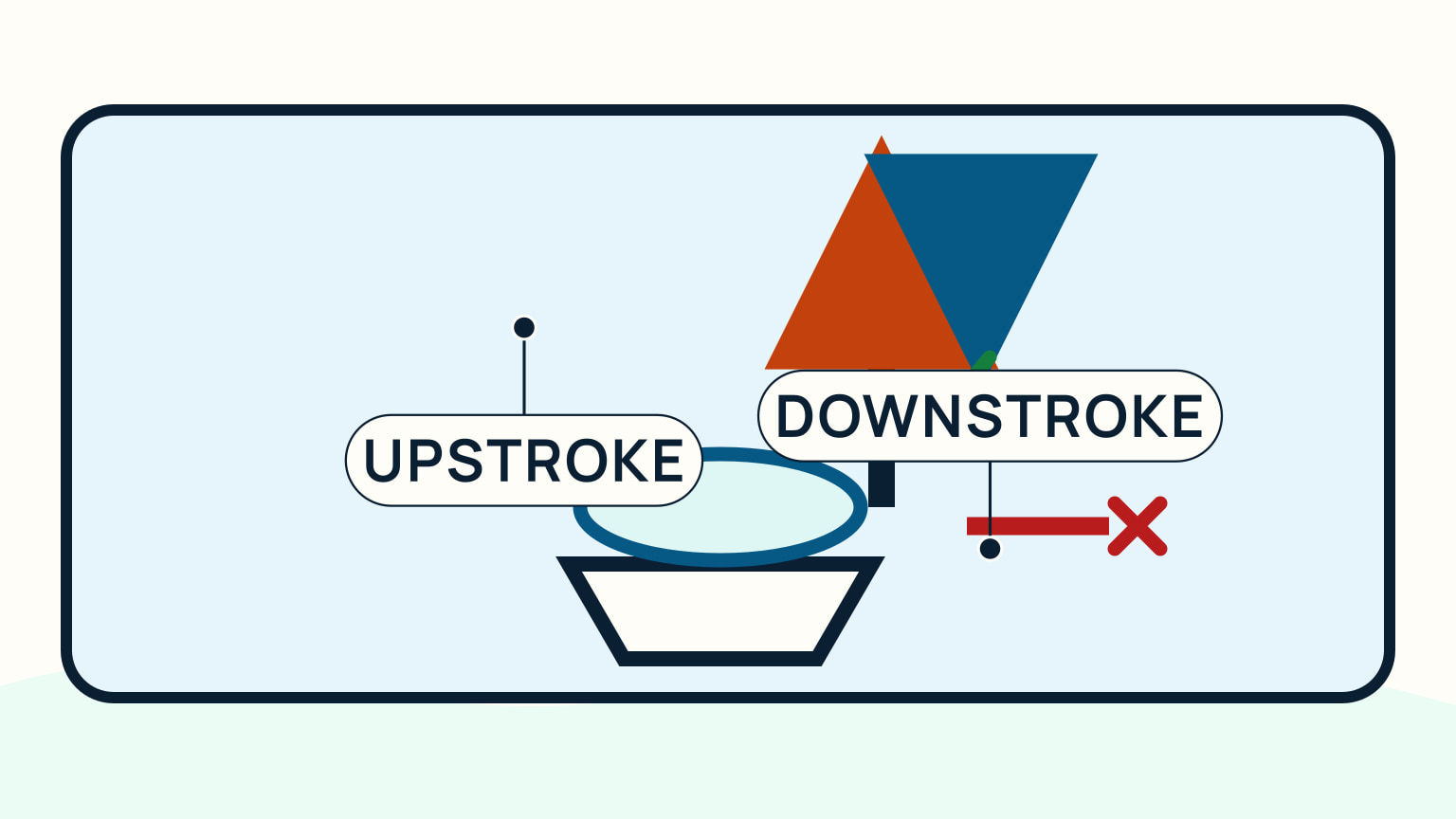
When the handle moves easily but the bowl does not empty, the cited guide directs attention to different parts of the pump and valve system than it does for a hard handle. That is a useful diagnostic pattern: a mechanism can move without creating the pressure or sealing needed to do its job. On the cited model, pump seals, the bottom valve gasket, and joker valve are among the listed items. Do not confuse that list with a universal parts order.
Stay with the documented fault tree. Identify the model from its marks, then use its drawing and service kit list. The wrong gasket, the wrong orientation, or an unrecognized variation can create a new leak or leave the original symptom untouched. If you need to open the pump, collect the instructions, containment materials, and isolation guidance first. Xylem's pump-service video specifies closing both seacocks before that work begins.
Treat backflow as a reason to stop and hand off safely
Waste water reappearing in the bowl is not a reason to keep cycling the handle. In the cited Jabsco guide, the bottom valve gasket and joker valve are relevant checks for that symptom. The guide also places parts of the discharge arrangement in the larger system. That is enough to tell you where to begin reading, not enough to let you redesign plumbing from a generic article.
Identify the model, isolate it according to its instructions, and assess whether a qualified technician is needed. This is especially important when you cannot trace the hose route, determine what a valve controls, or confirm the holding-tank and vent arrangement. Regulations about discharge vary by location, so use the local authority and the boat's documented system before deciding where any waste can go. Sailboat sanitation basics gives comparison context, while the installed manual governs service.
Your best outcome may be a precise note for the person who services the toilet. Record the model, the symptom, whether water enters, when the handle resists, which visible controls you checked, and whether both seacocks were isolated. That gives a technician or experienced owner something much more useful than "the head is broken." It also avoids repeated testing that can worsen a blockage or spill.
For wider onboard preparation, a first sailboat charter checklist reminds you to test essential systems during a handover. SailStarter is built for sailing fundamentals, not sanitation repair. Use the course to get comfortable asking clear questions aboard, then rely on the installed model's manual and qualified help for plumbing work.
SailStarter helps new sailors arrive aboard prepared to notice, describe, and communicate a problem. It does not replace the model-specific manual or qualified sanitation service. When a toilet fault involves unknown plumbing, contamination, or a system you cannot isolate, stop early and get the right help.
Keep people and the boat comfortable while you wait for a repair. Mark the toilet as unavailable so nobody tests it again, use any alternative sanitation arrangement the operator provides, and keep the area clean. Do not turn a diagnosis article into permission to defeat a valve, reconnect a hose by guesswork, or use chemicals the model manual does not name. The safest repair boundary is often clear: identify the symptom, isolate the system as documented, and hand the record to someone who can service the exact unit.
At the next handover, ask the base or owner to show the normal controls and the location of the model guide while the system is working. That preparation is much easier than identifying a head from memory after a fault. It also lets you recognize which questions belong to an operator and which require a service professional.
Keep the diagnosis to observations that do not require dismantling the system. Note whether water enters, whether the handle resists on the upstroke or downstroke, which controls were checked, and whether the fault changes after the system is isolated according to the installed instructions. Those details separate a vague report from a useful handover to an owner or technician. They also make it less likely that several people repeat the same unsuccessful test.
Set a clear boundary when the route, valve function, or contamination risk is uncertain. Mark the toilet unavailable, use the alternative arrangement provided by the operator, and keep the model information with the symptom record. A manual toilet is not a generic household fixture. The safe next action depends on its actual plumbing and documentation. Stopping before an uncertain intervention protects both the crew and the person who will later service the system.
When the system is returned to service, ask for the normal operating sequence again and make sure the crew understands it. That does not turn the crew into technicians. It reduces the chance that a fresh repair is immediately tested by someone using an unfamiliar control or valve out of order.
Try it from the lesson
Can you spot the next move?
What cushions the gap between the boat and dock before they touch?