Chart your course
Can a Beginner Sail Alone? A Safe Progression
Quick answer
The short version
A beginner can work toward sailing alone, but crewed learning is the safer starting point. Go solo only after you can control the actual boat, stop it, return to the dock, manage its sails, and recover from an incomplete manoeuvre without step-by-step prompting. Make the first solo session deliberately small: familiar water, familiar boat, good visibility, suitable weather, a simple route, and support nearby. Plan each job before leaving the helm, keep lines and equipment ready, and maintain a proper lookout throughout. Wear suitable flotation, carry a means of calling for help, know your position, and leave a float plan ashore. There is no universal number of hours or wind limit that creates readiness. Demonstrated control, judgment, and recovery on that boat matter more than confidence alone.
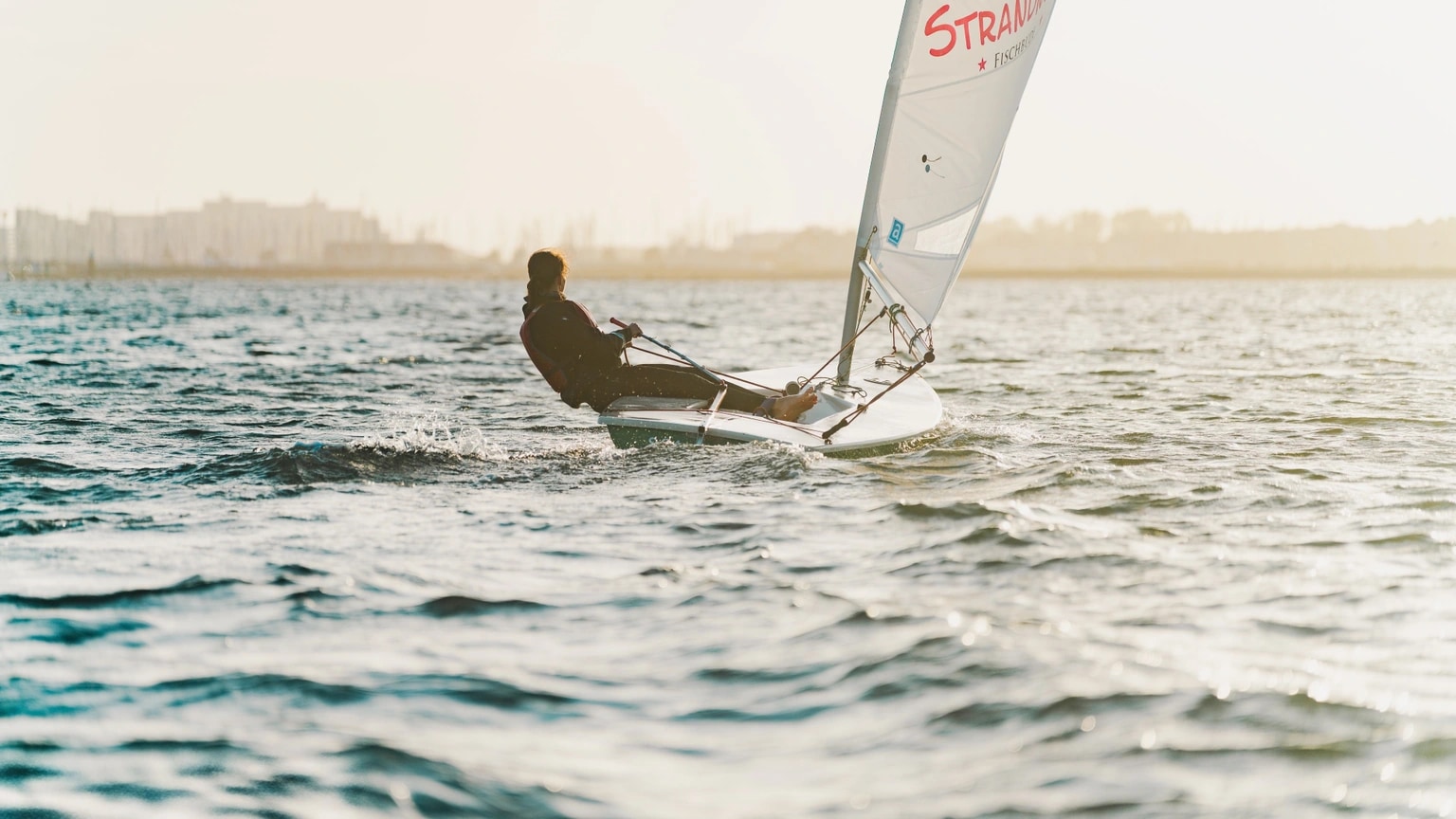
Solo-ocean videos show the far end of a long progression. The useful beginner question is not whether one person can cross an ocean. It is whether you can complete a short local sail without losing control or awareness when two tasks demand attention together. Alone, you steer, trim, navigate, keep lookout, communicate, and solve problems. Nobody holds the course while you clear a line. Nobody takes over if you feel unwell. That workload makes planning and restraint central skills rather than optional signs of experience.
Build a Crewed Baseline First
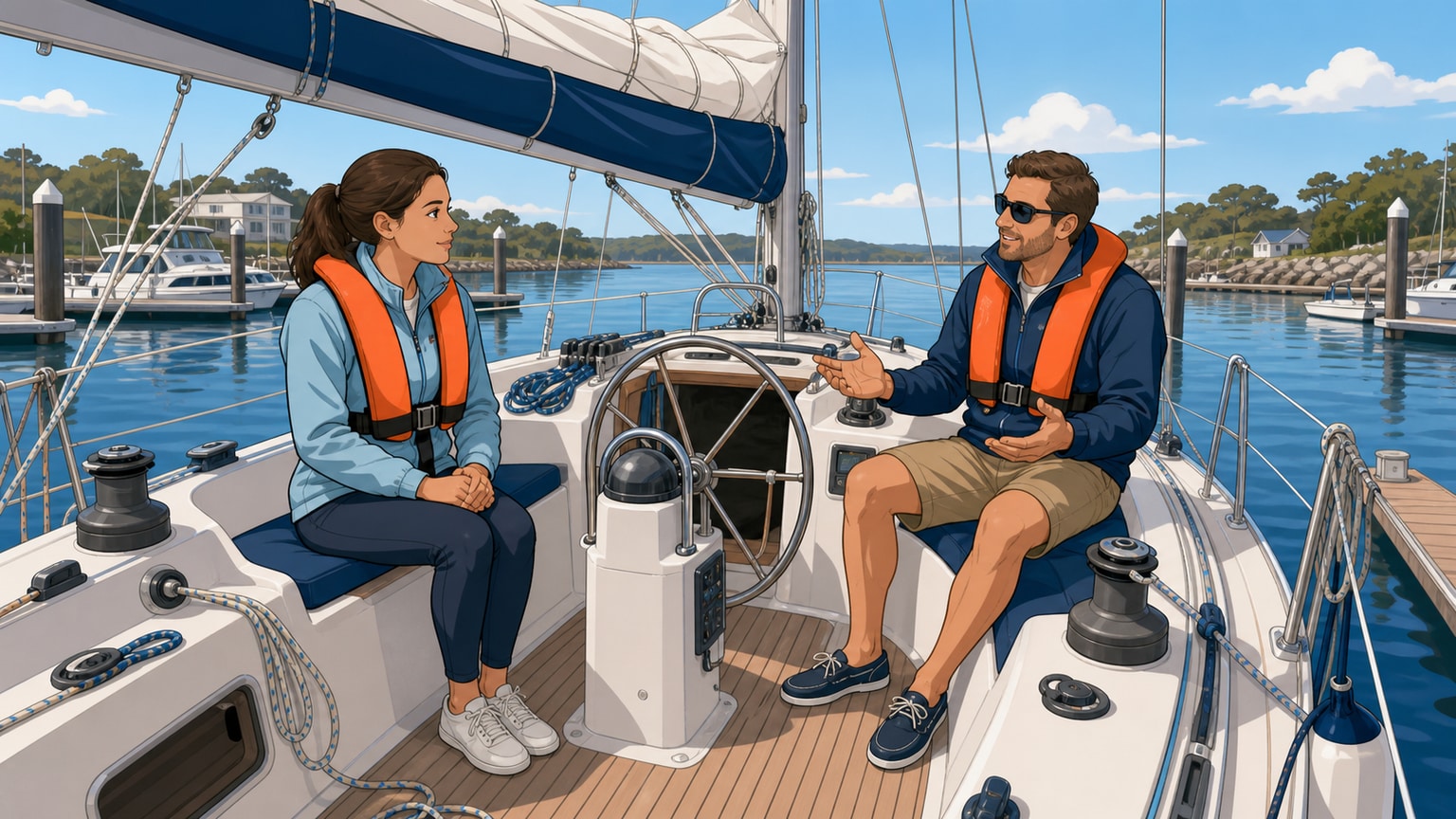
Learn with an instructor or experienced sailor aboard. Practise leaving and returning, steering a steady course, trimming, tacking, gybing, slowing, stopping, and using the engine if the boat carries one. Repeat the same jobs until you can explain the plan before acting.
Ask the other sailor to let you lead while remaining ready to intervene. Prepare the lines, give the calls, steer the manoeuvre, and review what happened. Then practise an interruption: a sheet snags, the tack stalls, or the approach is abandoned. Recovery matters because solo sailing rarely fails on the first intended action. It becomes difficult when the next action must be chosen under pressure.
Another capable person still matters after the tasks feel familiar. They can spot a missed hazard, take the helm, and help if the skipper cannot continue.
Make the First Solo Sail Small
Use a boat you already know in water you have sailed before. Choose good visibility, a modest forecast within your demonstrated ability, and a simple route with room to stop, turn, or return. Stay close to practical support without treating nearby traffic as a rescue plan.
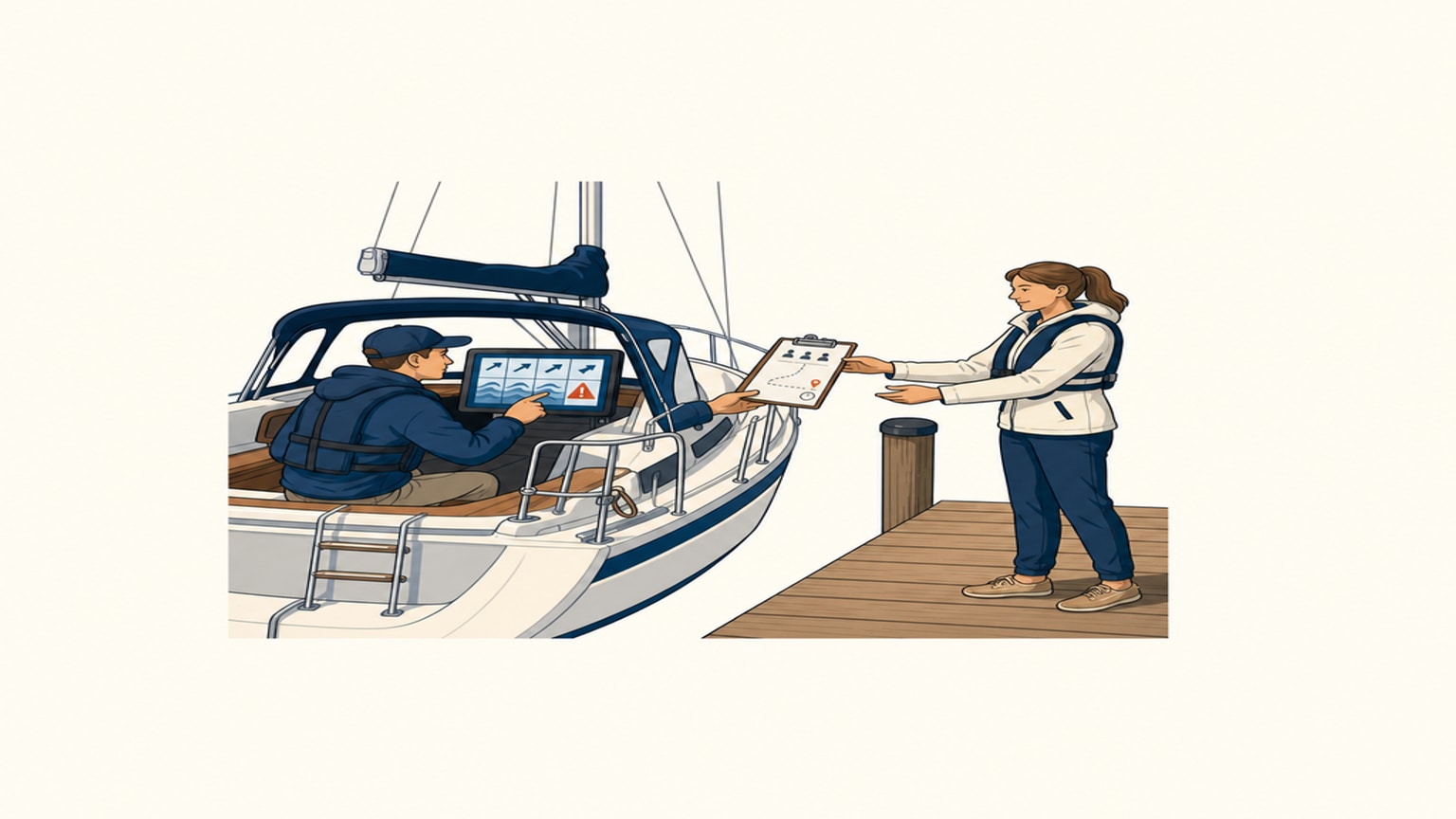
Write a short passage plan. Include the route, hazards, tide or current, weather, daylight, turning points, and alternatives. Tell a shore contact where you are going and when you expect to return. Check the means of calling for help and keep it on you or within immediate reach.
Set a smaller goal than your best crewed day. One clean departure, a few controlled turns, and an unhurried return provide more useful evidence than extra distance. Increase range only after the short version feels routine rather than merely successful.
Prepare Before Leaving the Helm
Every solo task begins one step earlier. Lead the needed line before the turn. Set fenders and dock lines while there is open water and time. Ready the anchor before entering the place where it may be needed. Remove slack and tangles before a loaded line begins running.
Think through where the boat will point while you move. If you must leave the helm briefly, choose a stable moment and keep the absence short. Return to steering and lookout before starting the next job. An autopilot or tiller restraint can hold a setting, but it does not take responsibility for traffic, weather, or navigation.
Keep the cockpit organized so one hand can reach the required control without stepping over coils or searching below. Solo systems are useful when they reduce movement and task switching. They are harmful when they encourage you to leave a developing situation unattended.
Protect Lookout and Your Backup Plan
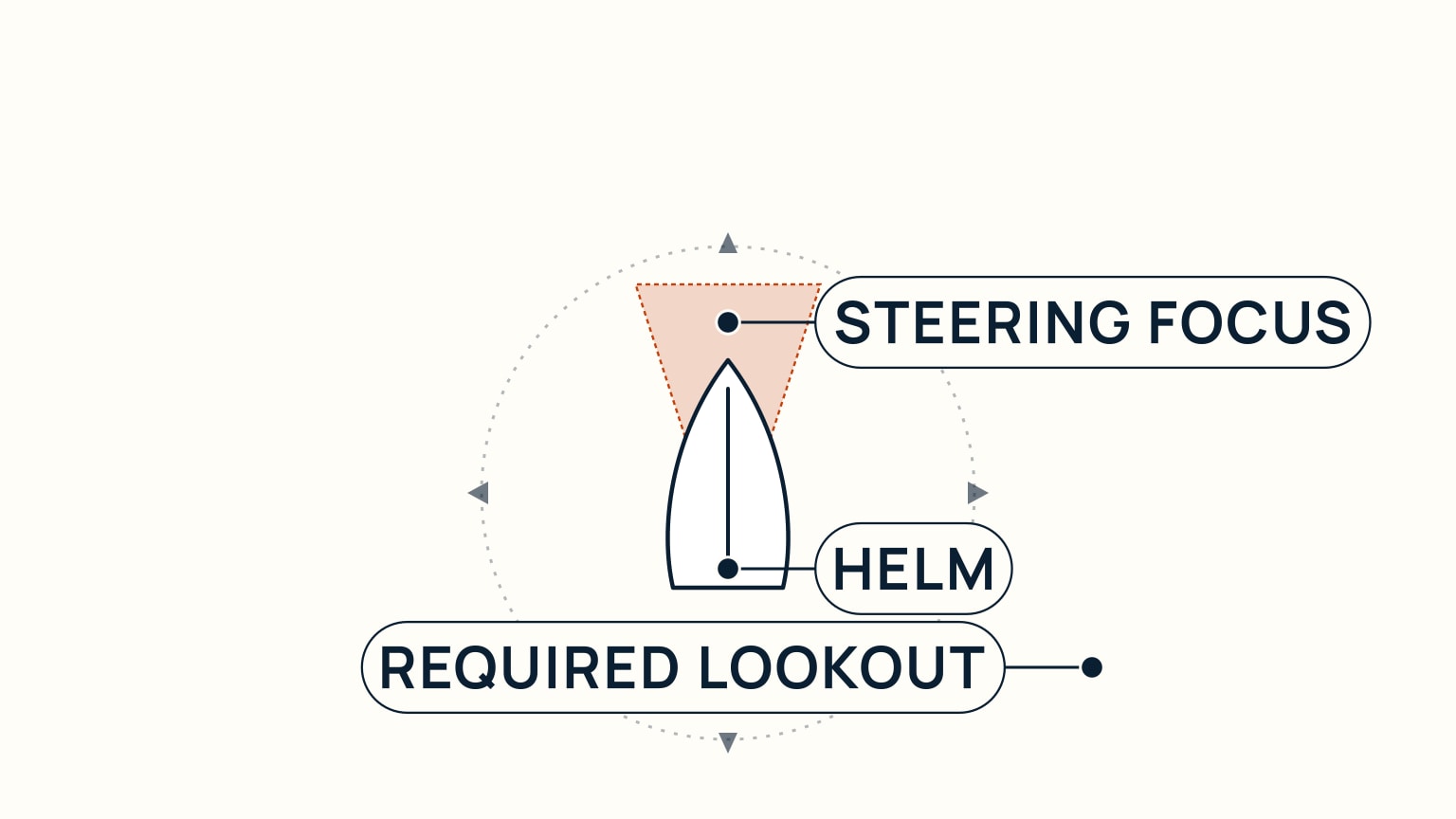
The proper-lookout duty applies when one person is aboard. Keep watching and listening, and use every available means appropriate to the conditions. Long periods focused on a sail, chartplotter, phone, or line create blind time even if the boat is holding course.
Wear suitable flotation and carry a way to call for help. Know your position well enough to report it. Keep an appropriate anchor ready to stop the boat's drift if propulsion or steering is lost. Avoid conditions, routes, or traffic that demand more simultaneous attention than you can provide.
Be honest about the go/no-go decision. Tiredness, unfamiliar equipment, poor visibility, a building forecast, or a difficult return can turn a planned solo sail into a crewed day or a delay. That choice is part of singlehanded skill. Your backup plan is strongest when you use it before the situation becomes urgent.
Use a readiness check, not a confidence score
Confidence changes with mood. A task list is easier to test. Before a first solo sail, ask an instructor or experienced skipper to watch you prepare, leave, sail, return, and secure the boat without prompts. Include the ordinary jobs that disappear from memory when people discuss solo sailing: checking the forecast, choosing a route, rigging, starting and stopping, keeping lookout, handling a fouled line, and putting the boat away.
Write down every prompt you needed. Practise those parts again with crew aboard. The aim is not a flawless performance. You need to notice a problem, choose a conservative response, and recover without another person taking over. If your plan depends on a particular helper being on the dock, that helper is part of the crew plan even if they never board.
The weather and float-plan checklist gives you a repeatable departure decision. The marine forecast guide helps you read the whole period and route rather than one wind number.
Make the first session easy to stop
Choose familiar water, a familiar boat, daylight, and a short route close to a straightforward return. Set limits before departure, including the latest return time and the conditions that cancel the sail. Tell someone ashore where you are going and when you will close the plan. A small session leaves attention available for the new part: managing every role yourself.
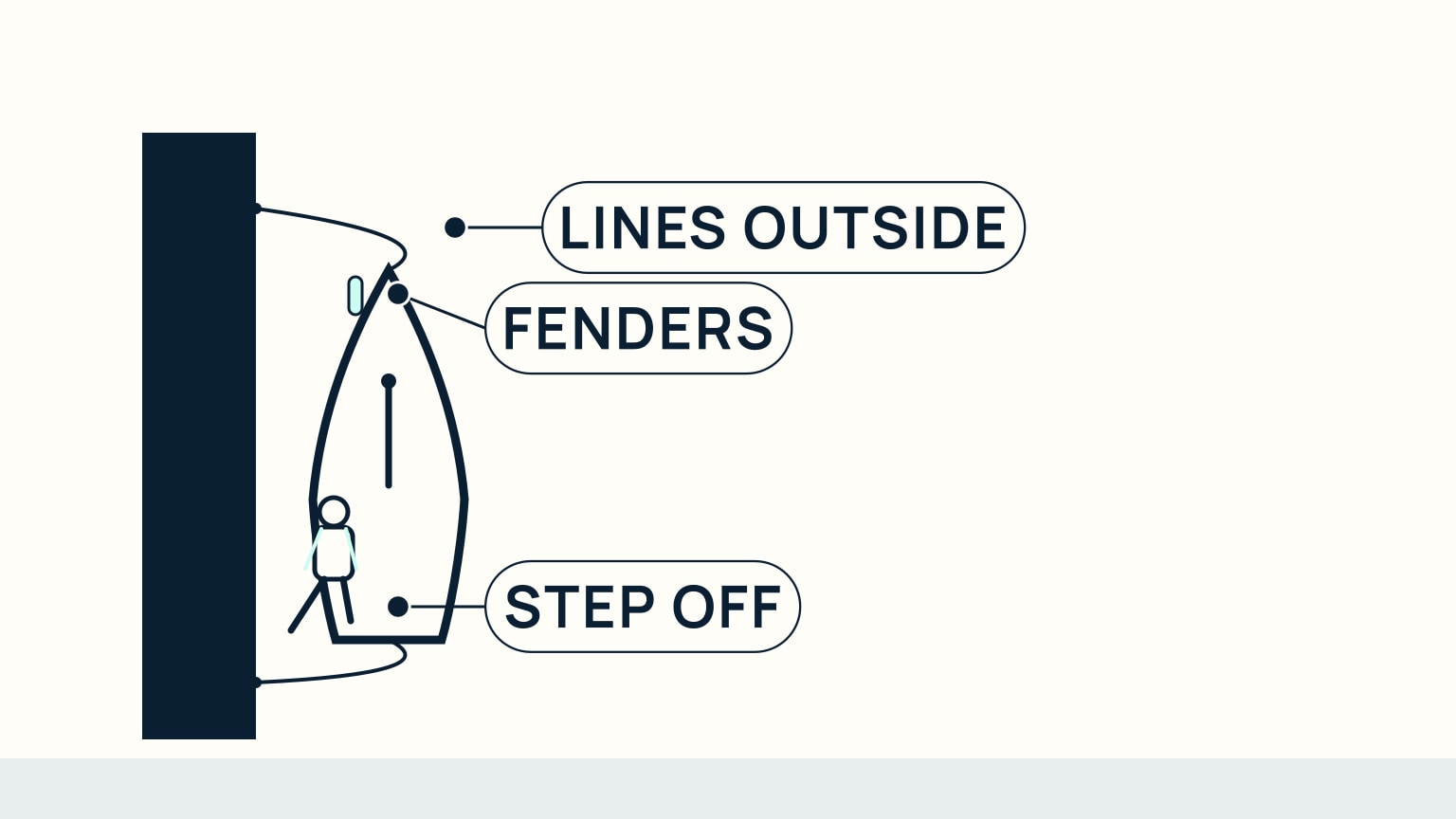
Rehearse the return before casting off. Put fenders and lines where one person can use them, identify the safe step-off point, and decide what you will do if the berth is unavailable. Do not rely on jumping or on a line that is still buried in a locker. If wind, traffic, or fatigue makes the return harder than planned, use the backup while it is still simple.
Review workload after every sail
After securing the boat, note the moments when you stopped looking around, left the helm, or rushed a line. Record what you could have prepared earlier. If a task demanded both hands and all your attention, decide how you will keep the boat controlled and maintain lookout next time. This turns a vague feeling about the day into specific practice.
Solo sailing also changes the value of saying no. A crewed outing may be reasonable when a solo one is not, because another capable person can share lookout and tasks. Delaying does not erase progress. It shows that you are matching the plan to the crew actually aboard. Keep building the range slowly, one change at a time, and return to supervised practice whenever a new boat, berth, route, or condition adds more simultaneous work than you can manage calmly.
SailStarter can help you build the knowledge that makes crewed practice more productive: orientation, helm commands, sail trim, manoeuvres, weather, navigation, lookout, and emergency first actions. Start at the beginning and use the lessons to name what you need to demonstrate on the real boat. Then practise those tasks with an instructor or experienced sailor until you can plan, execute, and recover without prompts. The app cannot judge your local conditions or declare you ready to sail alone. It can help you replace a vague feeling of confidence with a visible checklist of knowledge, while your practical mentor helps decide when a small first solo session is appropriate.
Build the backup around tasks you cannot postpone. If a line jams while traffic is close, you must still steer and look out. If the engine fails near the return, you need enough room and a prepared alternative. Discuss these exact conflicts during supervised practice. Readiness grows when you can keep the boat controlled while choosing which task waits.
Try it from the lesson
Can you spot the next move?
You turn to face the stern. A crewmate points at your right hand. Which side of the boat is that?
Why you can trust this guide
. We build each guide from public seamanship and safety sources, then teach the universal principle before any local difference.