Chart your course
Charter Damage Waiver vs Security Deposit

Quick answer
The short version
A charter damage waiver is usually an upfront charge under the operator's terms. A security deposit is money or a card hold taken before embarkation that may be returned after the charter if the stated conditions are met. The two can exist together. The Moorings' current example says its waiver can still leave a separate damage security deposit and does not limit liability for negligent or reckless conduct. Your signed agreement controls the amount, exclusions, reporting process, card hold, and release conditions. Read it before you decide based on the word "waiver."
This is contract-reading education, not insurance advice. A waiver can reduce a stated exposure without making every event disappear. A deposit can be refundable without being instantly available after you hand back the keys. The only safe comparison comes from the current documents for your charter.
Separate an upfront charge from a refundable hold
Begin with cash flow. A damage waiver is generally paid as part of the charter cost under the operator's terms. A security deposit is taken before you leave the base and may be returned after the charter if its conditions are satisfied. Write those items in separate rows. Do not call both a deposit just because both affect your budget.
The Moorings describes Yacht Damage Waiver as an upfront choice in its published terms and describes a security deposit as taken before embarkation. Another operator may use different names or structures. Ask whether a number is a payment, a hold, or a refundable security amount. Then ask when it is charged, how it is paid, and what process applies at return. Sailboat charter insurance explained provides related comparison context without replacing your agreement.
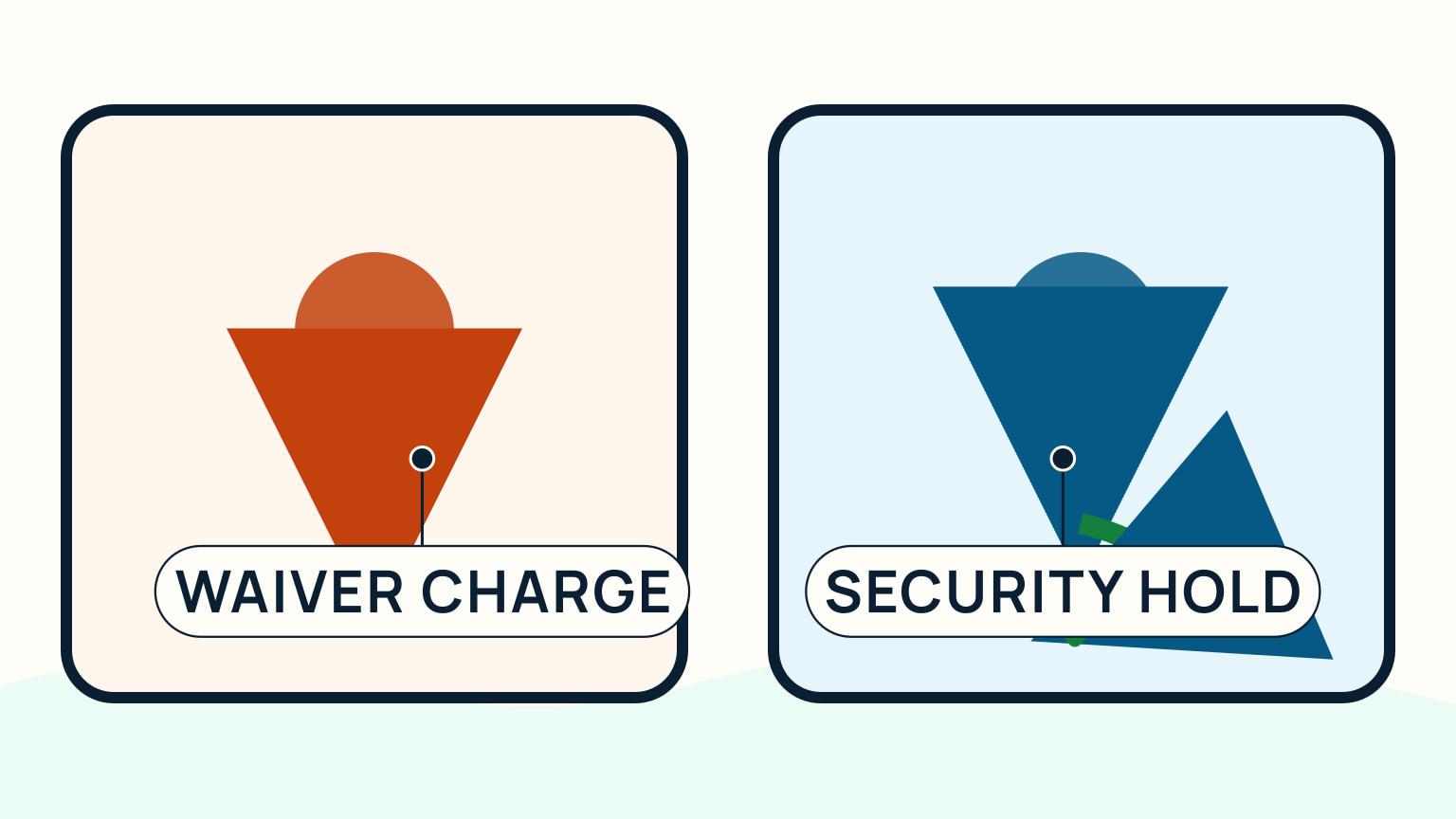
Check whether a waiver still leaves a deposit
Do not assume a waiver removes every other amount. The Moorings' current page says guests who purchase its Yacht Damage Waiver are still expected to pay a damage security deposit at the base. That is exactly the type of term to find before you decide the waiver makes the whole trip deposit-free. The residual amount, if any, needs to be part of the trip budget.
Ask the operator for the exact numbers that apply to your yacht and dates. Check whether the currency, payment method, and card requirements are specified. If the answer comes only from a marketing summary, ask for the booking conditions. Clear questions now are much better than learning about a required hold while standing at the base with luggage and a crew waiting.
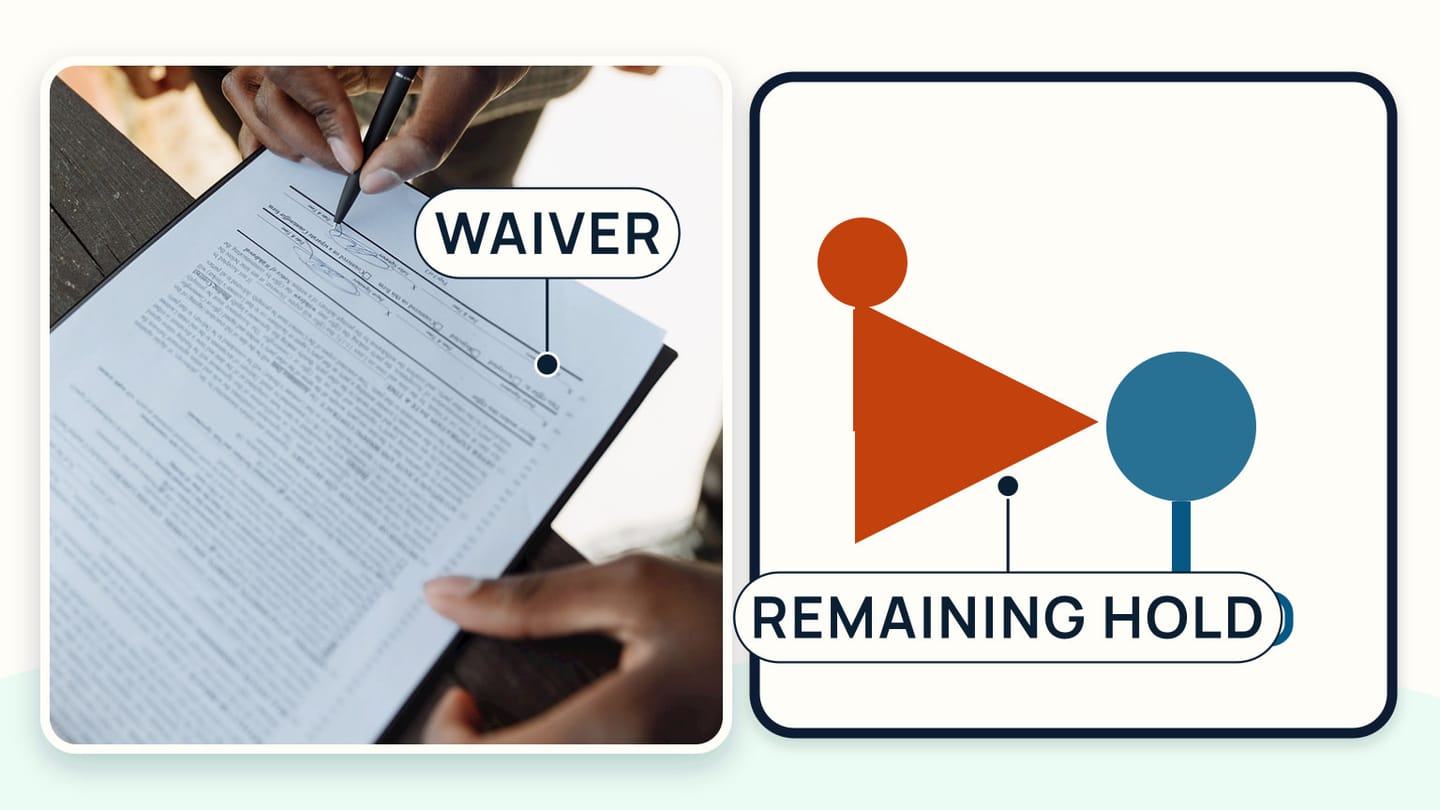
Read exclusions as carefully as the headline
The headline tells you the product name. The exclusions tell you where it stops. Under the cited Moorings terms, negligent or reckless conduct can leave liability beyond both the waiver and security deposit. The page also distinguishes damage or loss involving the yacht, ancillary equipment, and third-party property. Those are operator terms, not a universal list, but they show why a waiver is not automatically insurance or zero responsibility.
Read the definitions and exclusions line by line. Ask what behaviour, equipment, area, person, or event changes the stated limit. If a clause is unclear, get written clarification from the operator or appropriate professional advice. Do not replace the written answer with an online story about what happened to a different crew. Contract terms work only in the agreement that governs your booking.
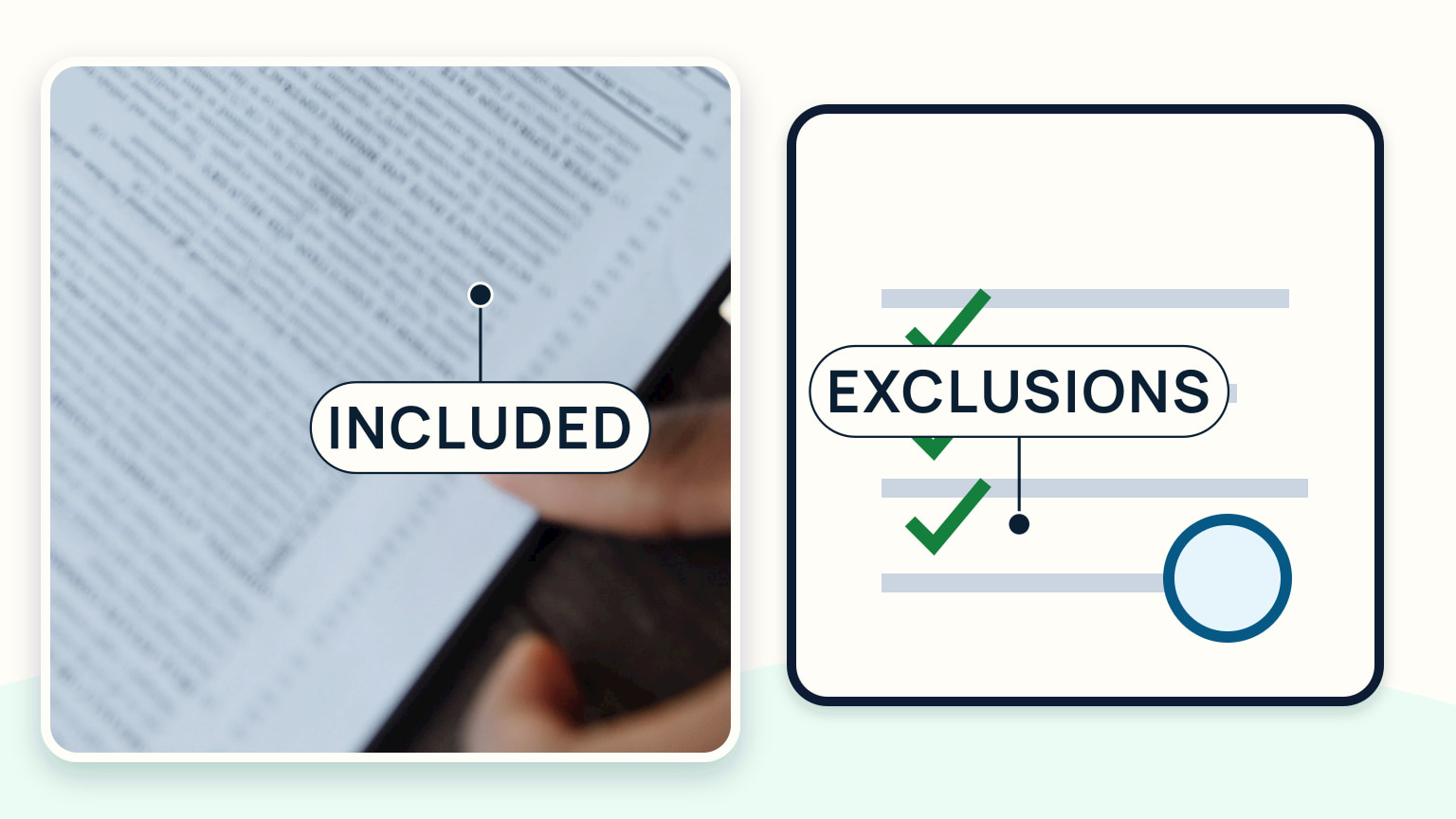
Agree on condition before and after the charter
The deposit process begins at handover. Take the time the base provides to inspect the boat, note existing damage, understand the inventory, and ask how new issues must be reported. Keep the agreed record available. The end-of-charter inspection is easier when both sides can return to a clear starting point and a record of anything that happened during the trip.
This is not an attempt to argue about every mark aboard. It is a way to avoid uncertainty. First sailboat charter checklist helps you organise a system handover. How to read a sailboat listing is also useful practice for describing a boat accurately. Report any incident through the process in your agreement rather than waiting to see whether anyone notices it.
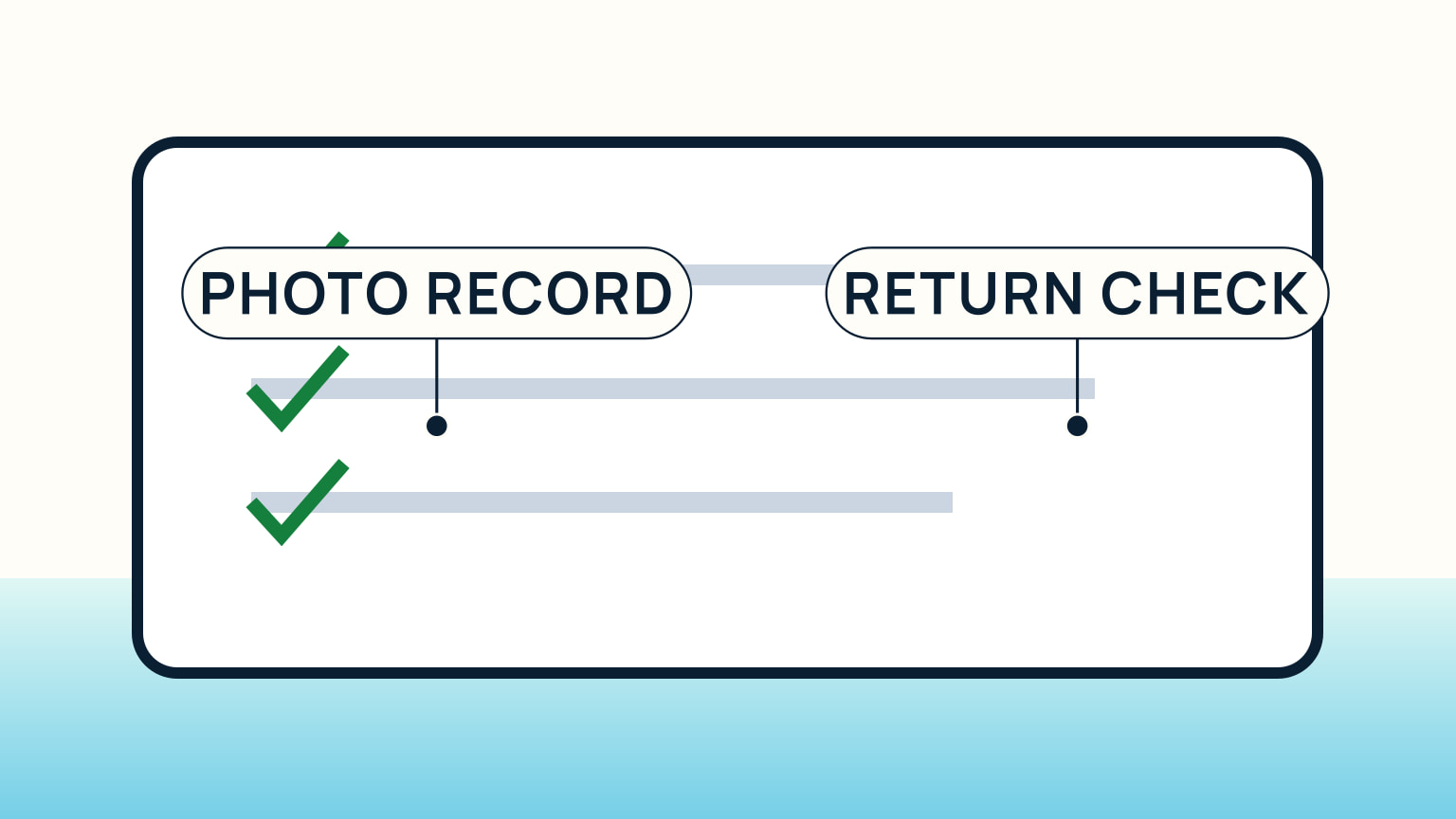
Budget for the terms you actually accepted
Put the full picture in your travel budget: charter cost, waiver if chosen, the separate security deposit or hold, expected release timing, and any costs that terms say are outside the waiver. Keep enough access to funds for the required pre-embarkation amount. Do not treat a possible refund as money available during the trip or immediately after it.
Then check your decision again when the final contract arrives. Operator pages and quotes can change, while the signed agreement is the document you are accepting. Bareboat versus skippered charter can help clarify how the responsibility model changes between charter styles. SailStarter is for beginner sailing knowledge, not legal or insurance advice. Use the charter's current terms for the financial decision.
SailStarter can help you come to a handover ready to understand the boat and ask focused questions. It cannot interpret a contract for you or promise what a waiver covers. Read the current terms, document condition carefully, report issues through the stated process, and budget for the real deposit arrangement before you travel.
Prepare a short question list for the booking office or base: What exact amount is due before embarkation? Is it a charge or a hold? Does a waiver change it? What exclusions remain? How must an incident be reported? What is the inspection and release process at the end? Ask for answers that point back to the agreement. This creates a useful record and shows exactly which uncertainty is commercial, operational, or legal.
Keep the documents with the crew member responsible for payments, but make sure more than one person knows where to find them. An incident can be stressful. A visible process and condition record help the crew respond promptly instead of searching through email while a problem develops.
Keep a boundary between reporting an event and accepting a conclusion about money. The charter agreement should explain whom to notify and what information to provide. Follow that process promptly. If you later need help understanding the consequence, use the documents and appropriate professional advice rather than trying to resolve a contract question from memory on the dock.
Before final payment, ask for the practical timing of any hold release and the name of the contact point if it does not appear as expected. That is a customer-service question, not an accusation. It gives you a clear next action after travel, when a card statement or refund timing might otherwise become confusing.
The same preparation helps the whole crew handle the boat more carefully. A clear handover, basic familiarity with systems, and prompt reporting are useful regardless of whether you selected a waiver. They cannot erase every risk, but they keep a financial decision connected to responsible conduct aboard.
Before signing, make sure the person accepting the agreement has had time to read it rather than being asked to decide in a queue. A question about a word or exclusion is easiest to answer before embarkation. If you need time to compare options, ask for it. A calm decision is more valuable than a rushed checkbox.
Making that pause explicit gives the crew time to compare the terms before any financial commitment is made.
There is no substitute for the version of the terms attached to your booking. Keep it available from payment through return inspection.
That small pause can prevent a financial surprise from becoming the first problem of an otherwise enjoyable trip.
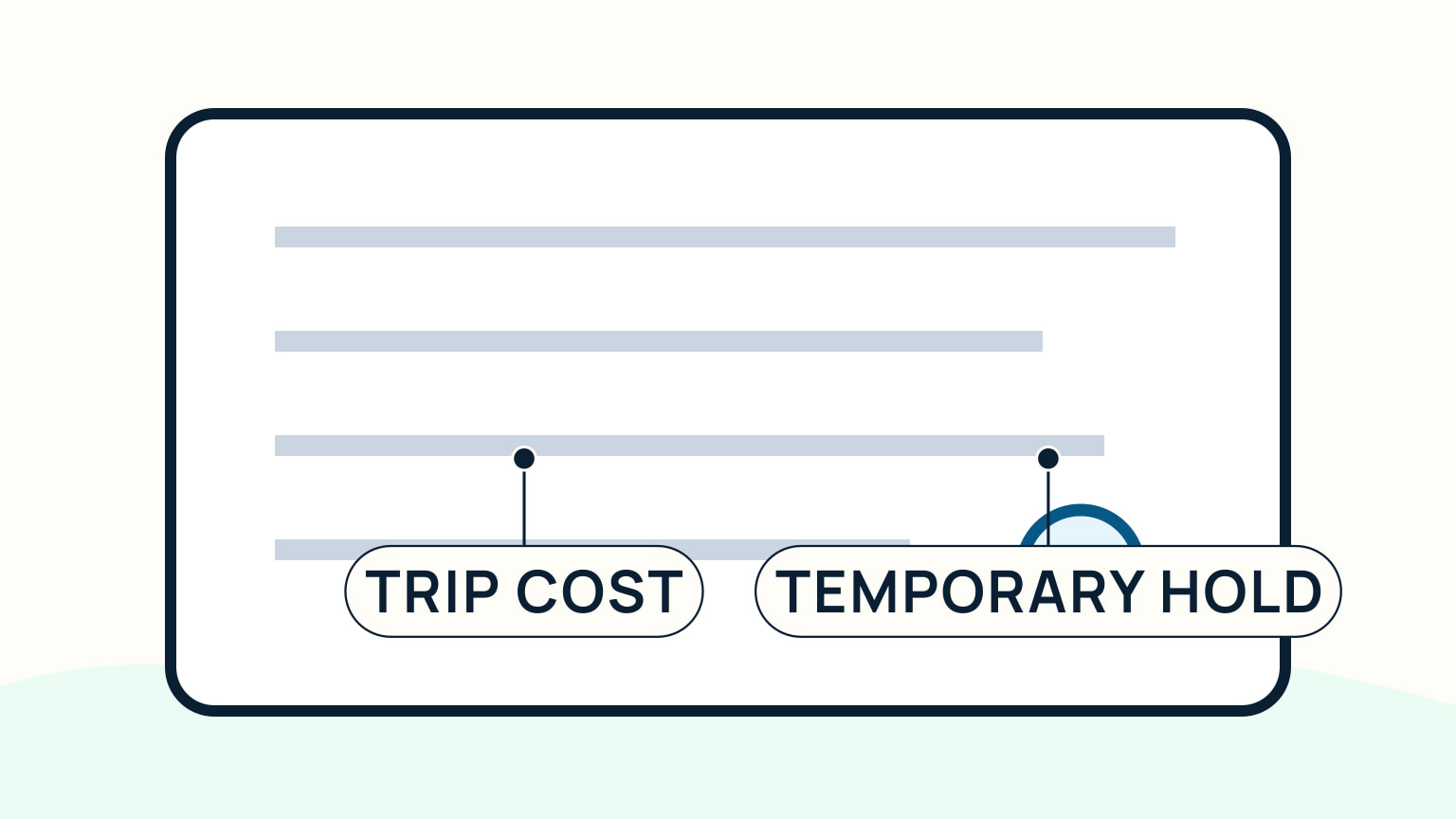
Use one written page for the decision, even if the booking portal presents the information in several places. Put the charter price, any waiver charge, the amount and form of the security deposit, the stated exclusions, and the timing of release beside the relevant contract wording. This does not interpret the agreement. It simply prevents a temporary card hold from disappearing into a total that is meant to describe non-refundable travel spending.
At handover, keep the financial record connected to the condition record. Save the agreed inspection notes and photographs where the person responsible for payment can find them, and report an incident through the operator's stated channel while the facts are still clear. The aim is not to predict a dispute. It is to follow the same documented process at departure and return, so that a waiver decision, a deposit hold, and the boat's condition do not become one vague conversation at the dock.
Try it from the lesson
Can you spot the next move?
A wide sailboat glides past on two side-by-side hulls, barely leaning at all. What type is it?
Why you can trust this guide
. We build each guide from public seamanship and safety sources, then teach the universal principle before any local difference.