Chart your course
How Much Sailboat Can a Beginner Handle?
Quick answer
The short version
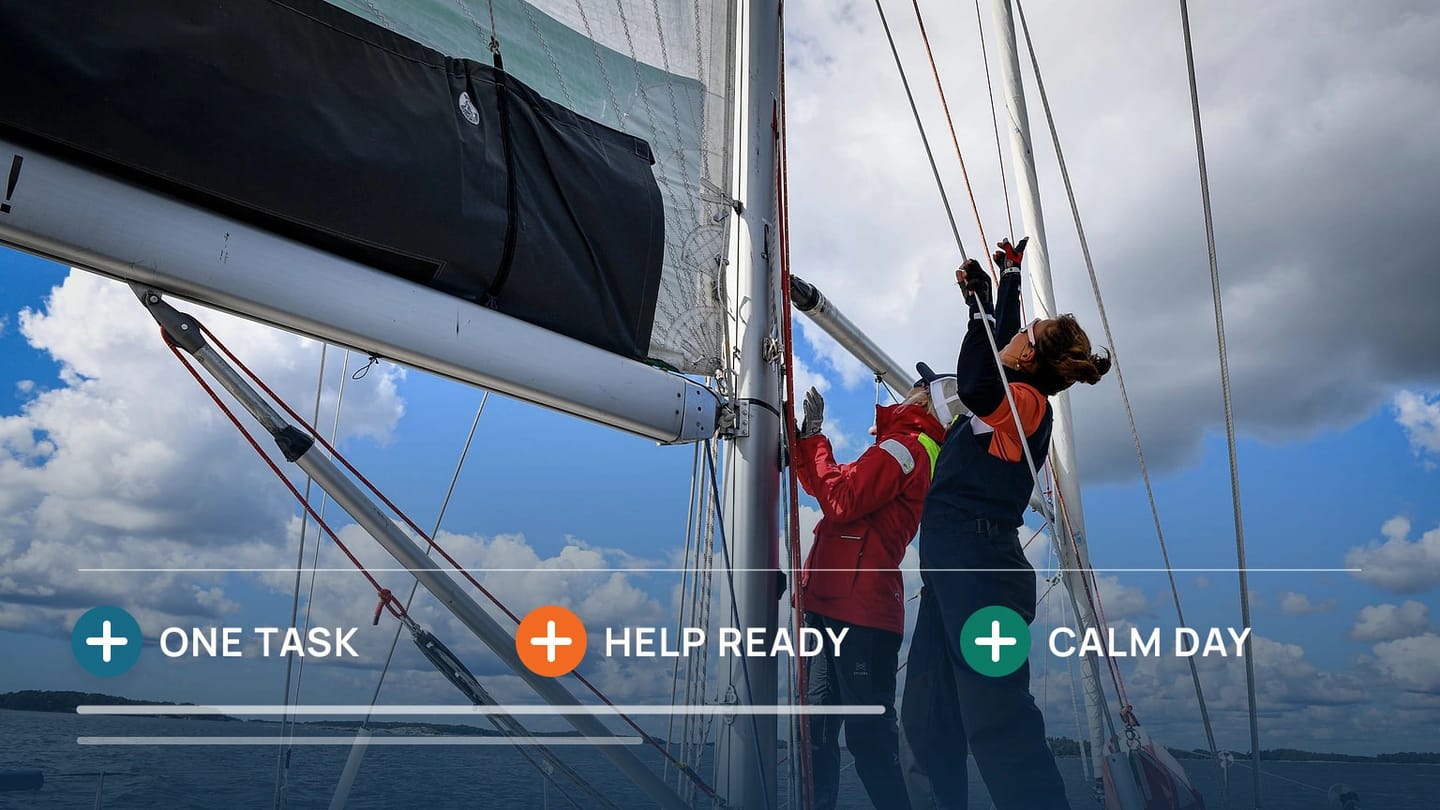
A beginner can handle the boat that fits the real crew, water, access and routine jobs they can practise. Length alone cannot answer the question. Larger boats can offer room and stability, while also adding systems, sail area, berthing, preparation and shoreside work. A smaller boat can reduce some jobs while creating different physical and weather demands. Start with the sailing you will actually do, then test the workload with support.
The practical choice is the boat you can launch or reach, prepare, operate, return and care for without depending on help that is rarely available. Training and clubs can provide access to boats and instruction before a purchase. That makes supervised time on suitable boats one of the best ways to turn a vague size question into useful evidence.
Define the Normal Day
Write down the likely outing before looking at listings. Include the intended water, normal route, trip length, people aboard, gear carried, storage or berth, and the work needed before leaving and after returning. A boat for sheltered local sailing has a different workload from one intended for overnight use or longer passages. Choose for the normal day, not the occasional guest list or a distant ambition.
Ask who will normally make decisions and do jobs on board. A boat that seems manageable with an instructor and several classmates may not suit the one or two people who will use it most often. Consider physical reach, movement on deck, handling lines, communication and the time available to prepare the boat. These are ordinary operating questions, not a test of whether you are “ready enough.”
Keep the total budget alongside the sailing plan. Ownership has access and maintenance demands as well as a purchase price. A boat that fits the purchase budget but cannot be berthed, stored or maintained reliably will not create regular practice.
Use this first plan to exclude obvious mismatches. If your normal trip is short, sheltered and crewed by the same two people, test boats against that reality. If you expect a changing crew or demanding access arrangement, write that down too. The purpose is not to predict every future outing. It is to select an option that works often enough for skills to grow through ordinary use.
Count the Reliable Crew
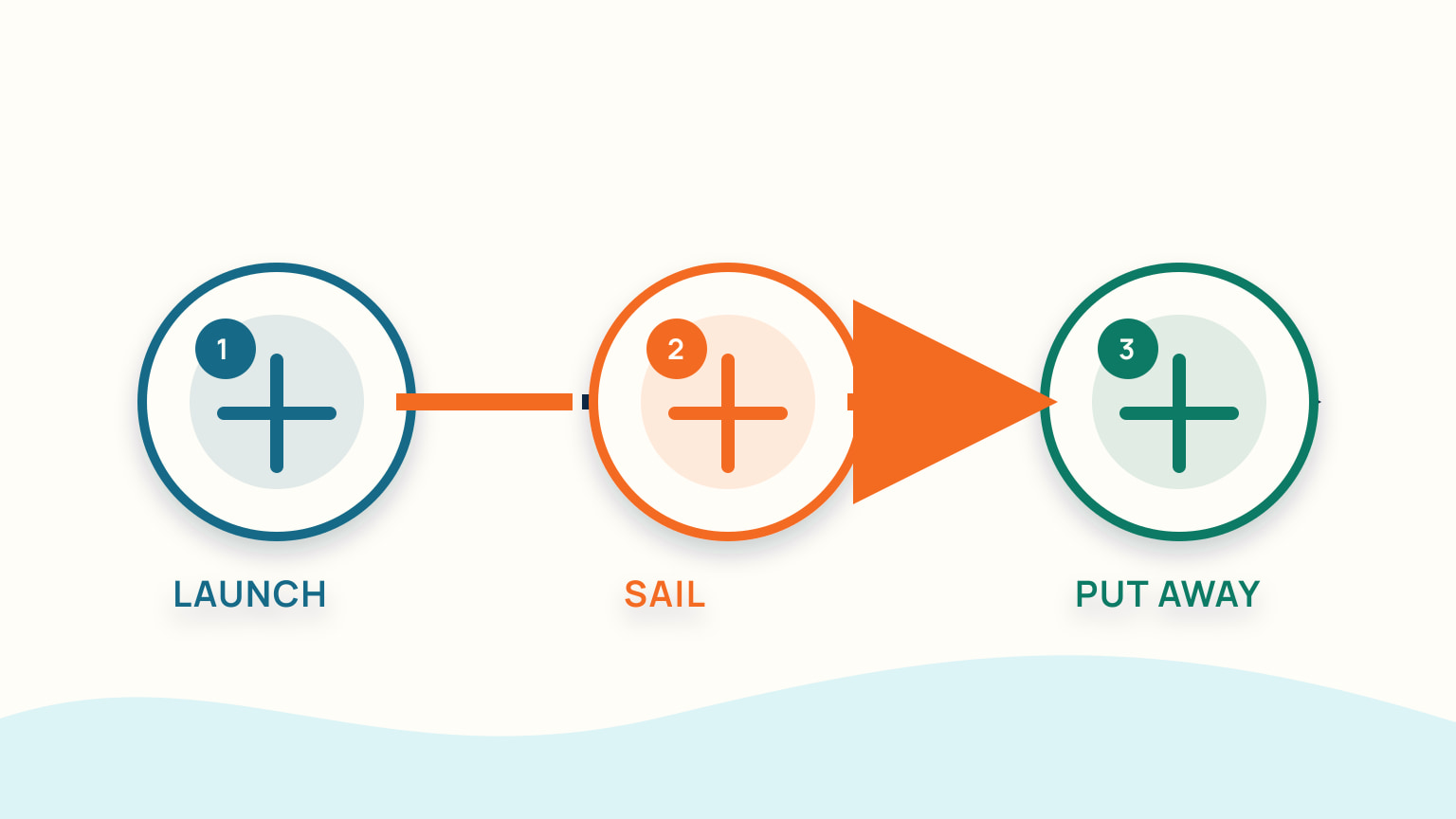
Count the people who will really sail, not the maximum number who might visit once. If you will often sail alone, each routine job must be manageable without assuming a spare pair of hands. If you will normally sail as a pair, both people should understand the plan and be able to take their assigned role. Extra crew can help, yet they should not be the hidden requirement that makes the boat operable.
Try tasks with the actual people involved. With permission and supervision, move aboard, locate the controls, handle the sails, communicate a simple plan and put the boat away. Notice where a step becomes difficult. A problem might be solved by a different layout, an easier access arrangement, clearer role sharing or more practice. It does not automatically mean the boat is too large.
Crew confidence grows through repeated familiar jobs. The question is whether the boat gives you a realistic path to that repetition. A complex routine that needs a large, irregular group can make learning harder even if the boat is comfortable once under way.
Talk through the jobs before the boat moves. A simple shared plan can show whether everyone knows where to stand, what to watch, and when to ask for help. This is useful evidence about the crew arrangement, not a performance test. If an otherwise suitable boat creates confusion during a basic routine, more guided practice or a simpler initial arrangement may be the sensible next step.
Check Access Before Features
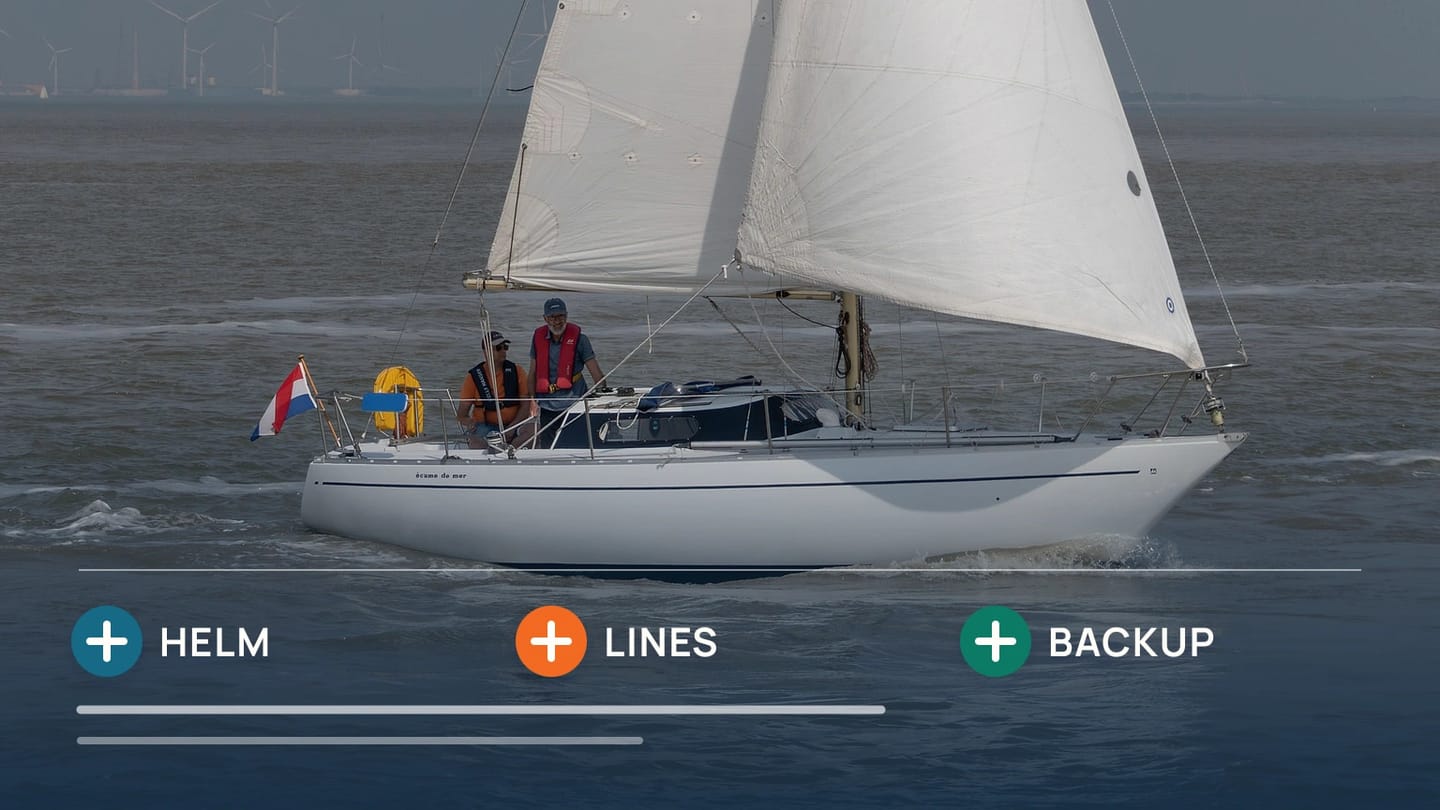
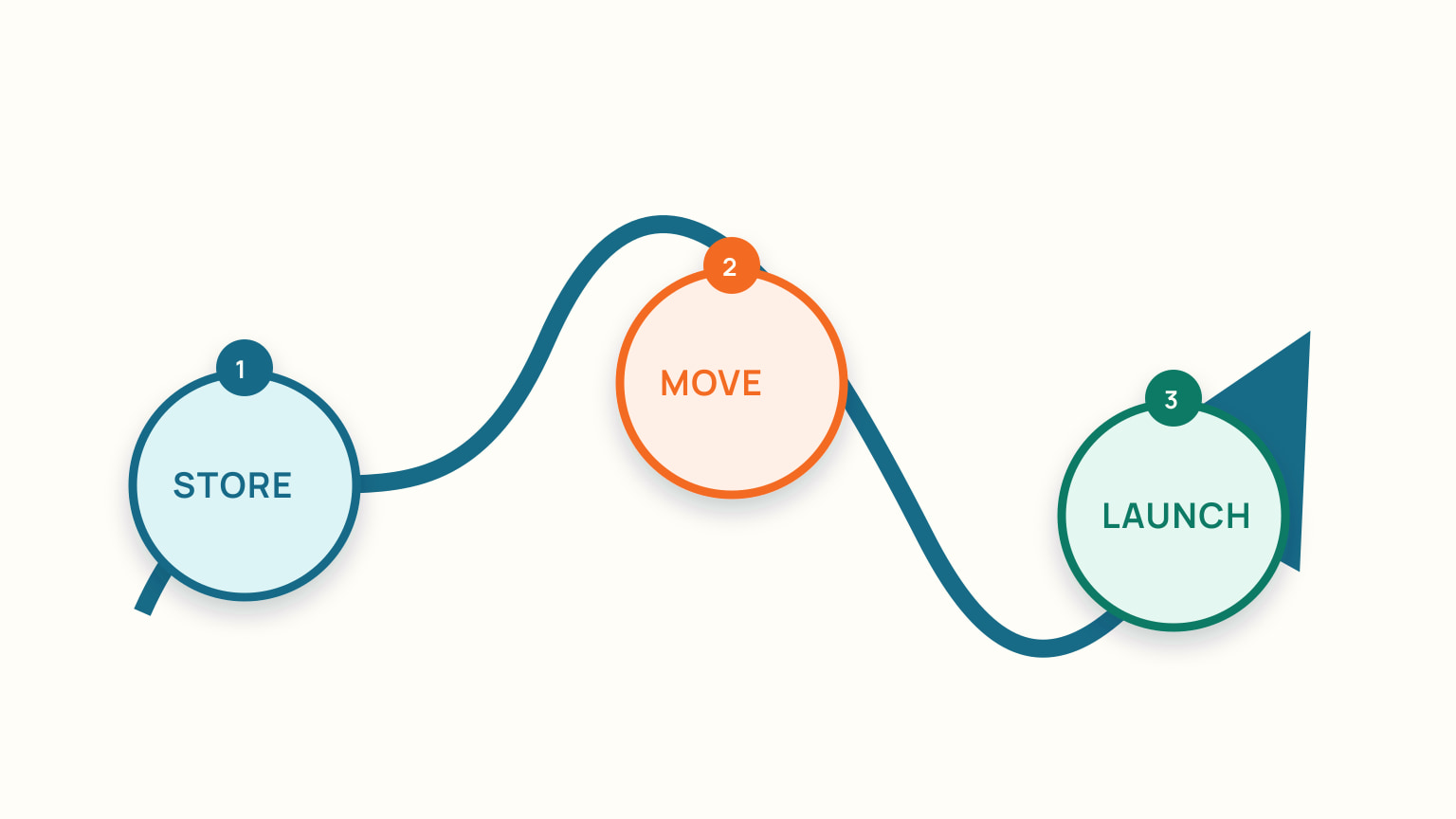
Storage, launching and berth access can decide the purchase before sailing performance does. Confirm the actual arrangements for the boat you are considering. The route from storage to water, available lifting or launching support, berth access and the local water all shape whether the boat will get used.
Visit the place where the boat will live. Ask the provider how similar boats are handled and what the normal process requires. A boat that is easy to board at a berth may have different recurring needs from one stored ashore. A trailerable boat can avoid a permanent berth, while adding towing, rigging, launching, recovery and secure storage to each outing.
Do not choose based on an imagined future facility. Match the decision to access you can confirm today. A simpler boat with easy regular access often provides more learning than a more capable boat that rarely leaves its storage space.
Ask about the practical work around the water as carefully as the sailing itself. Who opens the gate, moves the trailer, prepares the berth, manages keys, handles required provider arrangements, and returns the boat to storage? These tasks are part of ownership. A beginner can often learn them, yet they should be known and planned rather than discovered after a purchase has made them unavoidable.
Test the Routine Workload
Observe the whole session, from preparation through securing and putting equipment away. Include leaving, steering, sail handling, returning, cleaning, and the jobs around each transition. Make notes about where time, strength, balance, reach or communication becomes difficult. That evidence is more useful than a number printed beside a boat’s length.
A trial run can show operation under way, but it does not reveal every hidden component. Pair the trial with a condition assessment when you are considering a purchase. The boat’s manageable operating workload and its underlying condition are connected. A familiar layout cannot compensate for a system that needs work you did not plan for.
Use supervision to practise the jobs one at a time. A good instructor or experienced local sailor can help you learn a sequence safely and identify whether the challenge is boat size, setup, technique or lack of repetition. This is why access to club and training boats is valuable before ownership.
Repeat a trial in conditions that are appropriate for learning and within the provider’s plan. One successful outing is encouraging, but it does not establish that every task will remain easy. Notice which jobs felt understandable after explanation and which still required extra hands or uncertain timing. That observation is enough to guide the next lesson, another trial, or a smaller shortlist.
Choose a Growth Path
You do not need to buy the largest boat you might someday use. Start with an option that supports regular practice and leaves room to learn its routine well. Clubs and training centres can offer boats and instruction without an immediate ownership commitment. That can be a practical bridge while you discover the type of sailing, crew pattern and access arrangement that suits you.
When comparing candidates, make one sheet for each: intended use, regular crew, storage or berth, launch method, routine jobs, condition evidence, required support, recurring cost and trial observations. If a candidate depends on uncertain crew, facilities or experience, mark that clearly. A boat can be appealing and still be a poor first match.
For a related size and type comparison, read what size sailboat is best for a beginner. That guide looks at boat type and practical constraints; this one keeps attention on the workload you will repeatedly carry.
Condition belongs on the comparison sheet because workload is not only about physical scale. A boat with systems needing attention can demand more support than a slightly larger boat with clear records and accessible condition evidence. When you are serious about a purchase, arrange the appropriate survey and any recommended specialist assessment. The trial and checklist help you assess fit; they do not replace condition evidence.
Give yourself permission to choose the boat that makes repetition easy. The right first step may be a club boat, a smaller owned boat, or another supervised season before buying. That is progress when it produces more real time handling lines, steering, docking, preparation and decision-making with the people who will actually sail with you.
Review the choice after those sessions. A clear pattern in the jobs that feel manageable is stronger evidence than a promising first impression at a boat show or dock.
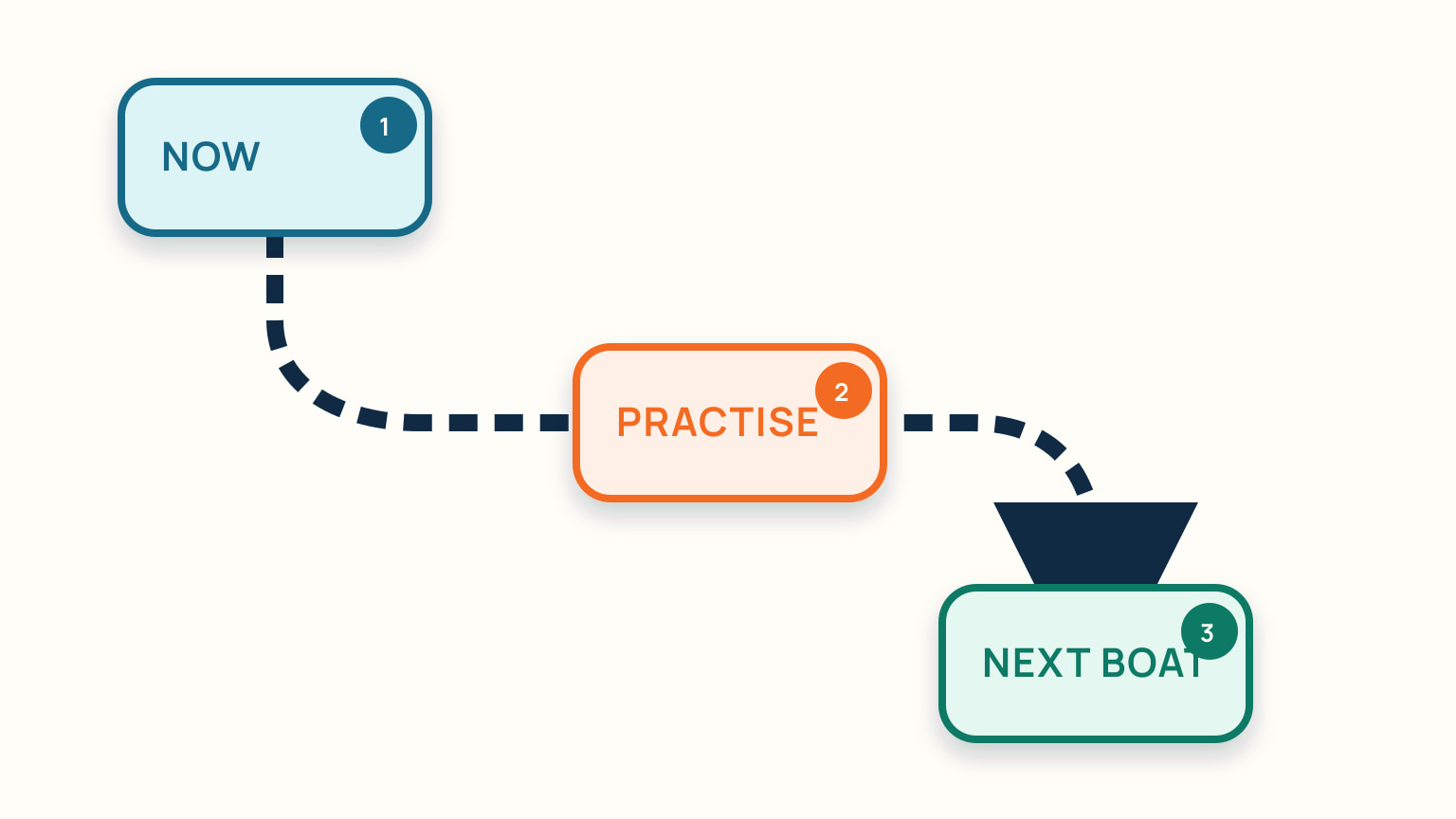
SailStarter’s beginner lessons can help you build the vocabulary and habits for those trials. Choose the boat that makes ordinary sailing possible with the crew and access you truly have. Regular, supported practice is what turns a manageable first boat into a platform for growing skills.
Try it from the lesson
Can you spot the next move?
A wide sailboat glides past on two side-by-side hulls, barely leaning at all. What type is it?
Why you can trust this guide
. We build each guide from public seamanship and safety sources, then teach the universal principle before any local difference.