Chart your course
Sailboat Registration and Documentation Explained
Quick answer
The short version
Registration, documentation, licensing, title, and proof of ownership are related records, but they are not interchangeable words. The correct record depends on where the boat is kept, its flag, how it is used, its size and propulsion, and the rule of the authority that administers it. Start with the boat's identity and intended use. Then ask the responsible registry what record it requires and what must change when the owner, address, name, or use changes.
This guide gives a universal way to organise that work, then makes a narrow US/Canada comparison. It is not a filing instruction for a particular boat. Rules and forms change, and an old certificate or a broker's explanation is not a substitute for the registry's current requirements.
Separate the records before you file
Put each document into one job. A bill of sale records a transfer between parties. A title, where the relevant authority issues one, is a jurisdiction-specific ownership record. Registration, documentation, or a licence identifies the vessel in a public system. Insurance, radio, tax, marina, and border records may rely on some of those facts, yet they are administered separately. A name on one document does not prove that every other record is current.
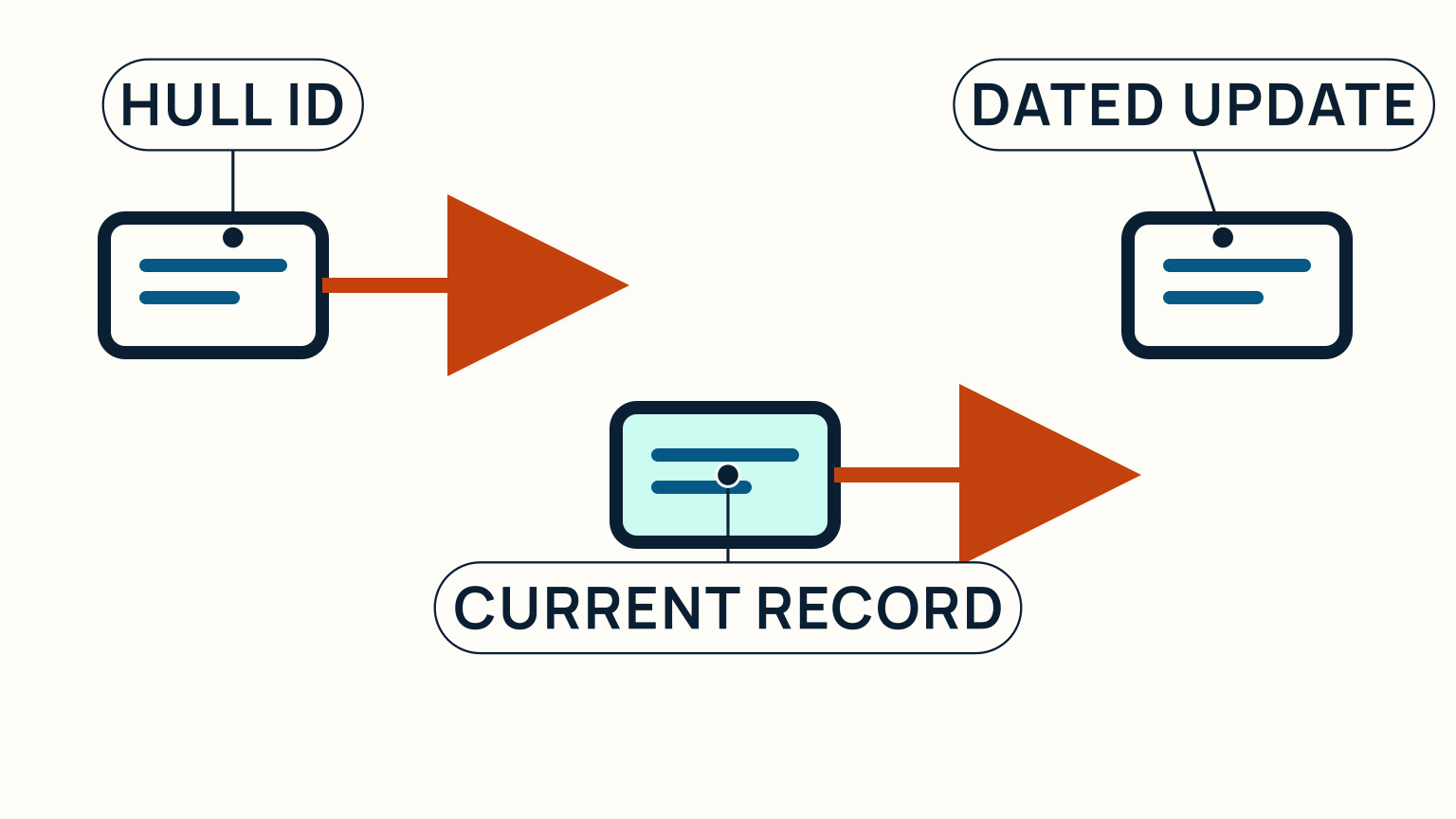
Begin with the hull identification number, make, model, length, and propulsion. Compare those details against the boat itself and every document supplied by the seller. A mismatch is not something to repair after launch. Stop and ask the responsible authority or a qualified local adviser what evidence it needs. The boat's physical identity is the thread that keeps the record set from becoming a pile of similarly named papers.
Keep an ownership chain as well as the current certificate. A future buyer, lender, insurer, or registry may need to understand how the boat reached the present owner. Store signed originals securely and retain protected working copies aboard only where they are actually required.
What does the vessel record actually prove?
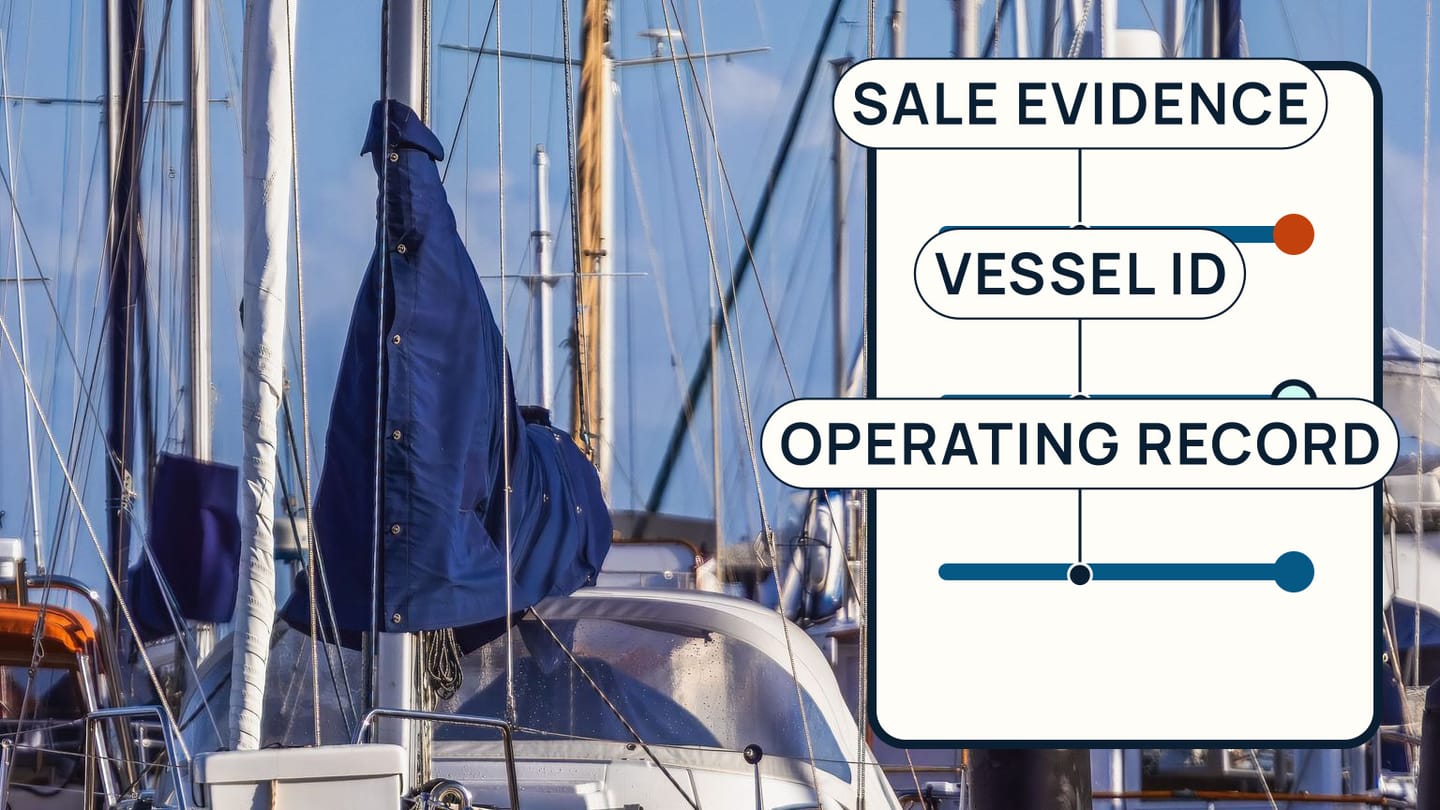
A vessel record is useful because it lets authorities identify a boat and connect it with the information their system holds. It does not automatically settle every private ownership, finance, tax, or lien question. Ask the issuing authority what its record does and does not show. That small question prevents an owner from making a legal claim based on a certificate intended for identification or operation.
The record also has a maintenance life. Ownership transfer, a new address, a changed name, a changed home port, or a changed use can trigger an update. Put renewal and update deadlines alongside insurance renewal and service reminders. A boat can be physically sound while its records are quietly out of date.
Use a clear file name for each version: issuing authority, document type, vessel identifier, and date. Keep the previous version when it helps explain a transfer, but mark it superseded so nobody takes an old copy to a border office or marina as though it were current.
Match the pathway to the actual boat
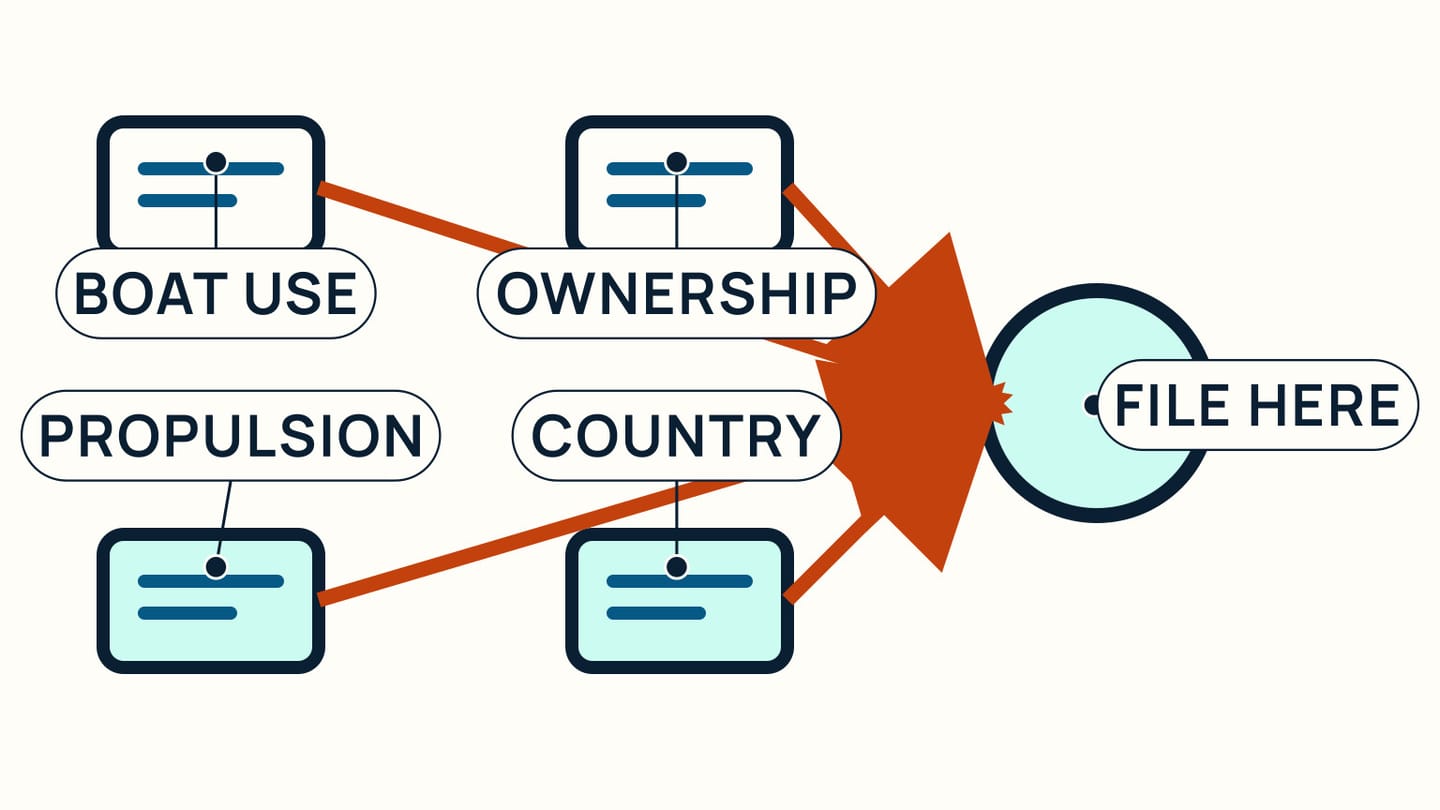
Before choosing a pathway, describe the boat's real operation. Is it private recreation, commercial work, charter, or a different use? Does it have propulsion that triggers a licensing rule? Is it normally kept in one country but visiting another? Will it be financed or travel internationally? These are practical questions because the responsible registry uses them to decide which form, evidence, and markings apply.
Do not alter the description to fit a convenient form. A record that says one thing while the boat is used another way can create trouble with a registry, insurer, or border authority. If the intended use is changing, ask before the first trip under the new arrangement. A temporary charter, business use, or a move to another country can be material even when the hull has not changed.
The same care applies to co-owned boats. The registry's ownership fields may record names or shares, yet the owners still need a separate written agreement on access, costs, maintenance decisions, and exit. A registry entry is not a crew calendar or a dispute-resolution plan.
Choose the authority before you choose the paperwork. A vessel that changes country of operation, ownership arrangement, or use may need a different answer from the same registry than it did last season. Start with a plain description of the boat and the voyage, then keep the authority's current response with the file. This avoids treating a familiar certificate as a permanent permission slip. It also gives an insurer, marina, or border officer a clear record of what the issuing system has actually confirmed.
How do US and Canadian pathways compare?
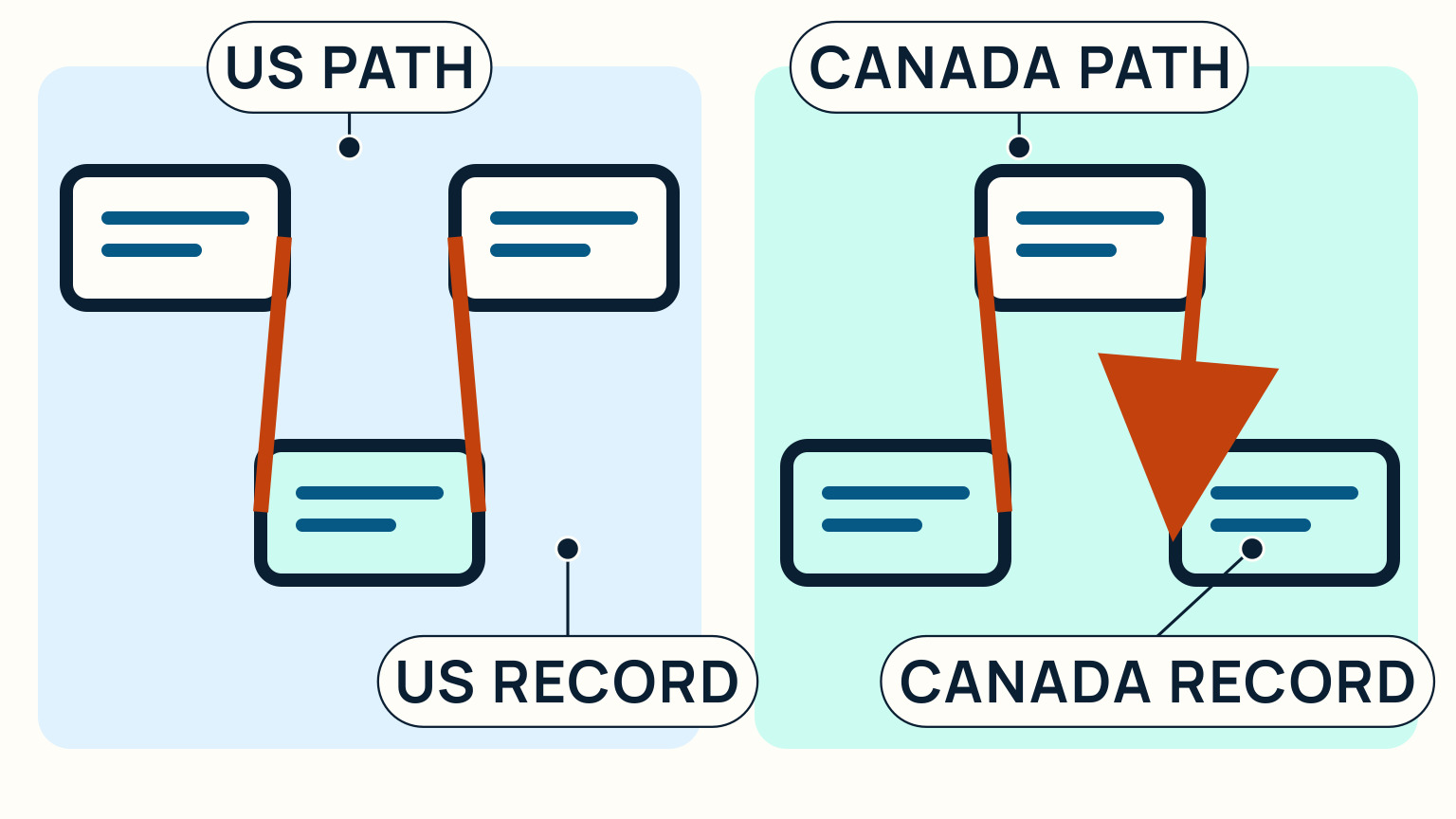
United States: Coast Guard documentation is administered through the National Vessel Documentation Center for vessels that meet its eligibility and owner requirements. State registration may also be relevant. The exact choice depends on the boat and jurisdiction, so confirm it with the NVDC and the relevant state authority. Do not present Coast Guard documentation as a universal replacement for every state record or ownership question.
Canada: Transport Canada says that most boats need either a Pleasure Craft Licence or vessel registration, depending on type and size. It explains that a buyer who acquires a craft with an existing Pleasure Craft Licence needs to transfer it before operating, within its stated time limit. The current application path calls for owner identity, proof of ownership, and a photograph of the actual craft. Transport Canada also distinguishes the licensing record from registration, and its guidance says a licence record is not proof of current ownership.
The comparison is intentionally limited to the current official sources. Verify local rules, forms, fees, eligibility, display requirements, and deadlines with the authority responsible for your boat. Neither country is the default frame for universal sailing.
Update the file when something changes
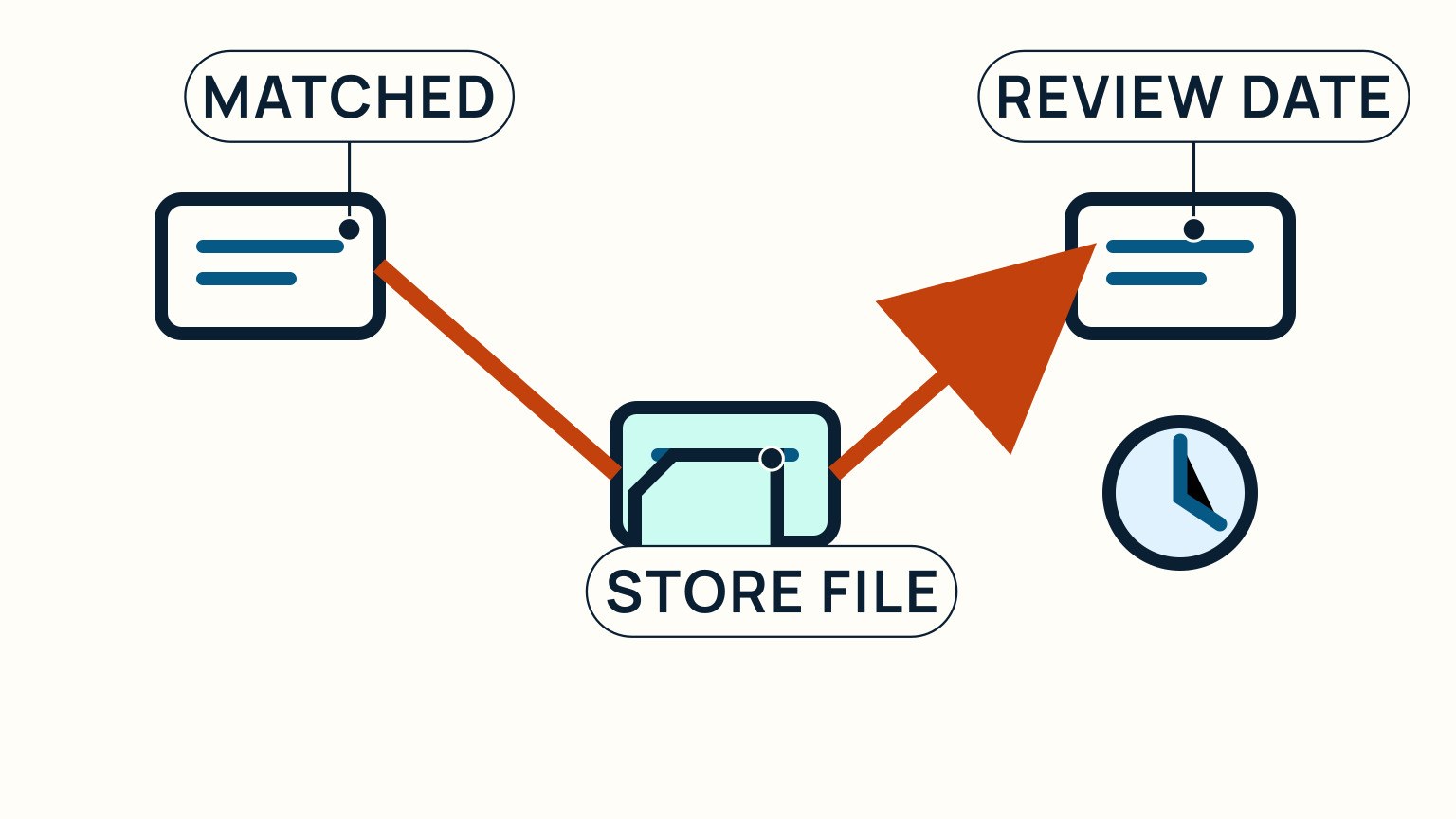
Make updates part of the transaction checklist, not an afterthought. After a sale, confirm what the seller must provide, what the buyer must submit, what may be operated while a transfer is pending, and what document must be carried. Tell the insurer, marina, lender, radio authority, and anyone with an operational role only after you know which changes they need.
Before an international trip, check vessel records and personal travel papers separately. A boat document identifies the vessel; it does not determine every person's immigration status. Keep customs and immigration planning in its own file, with the destination country's current instructions. This separation makes arrival easier to explain and avoids treating one paper as a general permission slip.
Once the update is complete, inspect the result. Check the spelling of names, identifier, address, vessel details, and effective dates. Save the confirmation and add the next review date. A five-minute check while the record is open is easier than discovering an error at a launch ramp, border berth, or insurance claim.
Make a handover note for anyone who may operate the boat. It can say where the current record is kept, who is allowed to access the protected originals, and which contact should be used if an authority asks a question. Keep that note practical. It should not expose passport copies, bank details, or unnecessary personal information to every crew member.
When you buy remotely, ask for a legible image of each record before money changes hands, then compare the originals when you see the boat. A scan can reveal a missing page or mismatched identifier, but it cannot replace the original evidence where the registry requires it. Keep a log of what you requested, who supplied it, and what remains to be checked in person.
If an authority gives a written clarification, retain it with the transaction file and date it. That is more reliable than an oral summary passed through several people. The same habit helps when a broker, yard, or insurer requests a record: you can provide the current document and explain its issuing authority without guessing what a different organisation will accept.
Review the complete file at the end of each season. Replace expired working copies, remove passwords that no trusted person can retrieve, and check that the vessel identifier still matches after any repair or refit work on board before travelling internationally again.
Use the paperwork checklist, checking a used boat's records, and whether you need a licence to sail as preparation. SailStarter can help you understand the boat and voyage. The responsible registry remains the source for the current record that applies to your boat.
Try it from the lesson
Can you spot the next move?
A wide sailboat glides past on two side-by-side hulls, barely leaning at all. What type is it?
Why you can trust this guide
. We build each guide from public seamanship and safety sources, then teach the universal principle before any local difference.