Chart your course
Cooking on a Sailboat: A Beginner's Guide
Quick answer
The short version
Cooking on a sailboat comes down to matching meals to the boat you actually have: how much it moves, how much fuel and water are aboard, how cold the fridge or icebox really runs, how much locker space exists, and how much water you can spare for washing up. Plan simple meals for days underway and save more involved cooking for calm evenings at anchor. Keep perishable food cold and separated from ready-to-eat items, learn the stove's fuel shutoff before lighting it, and use a lid and a securable pot so a wave doesn't send hot liquid across the galley. When conditions turn rough, a cold, ready meal beats forcing a hot one.
A sailboat galley is a working kitchen shrunk to fit a boat that moves. Every choice, from tonight's dinner to how many eggs you buy, runs into the same five limits: motion and heel, a fixed supply of fuel and water, refrigeration that may be small or missing altogether, lockers that hold far less than a house pantry, and a wash-up routine that can't drain the tank. Meals that ignore those limits create mess, waste, or a real hazard once the boat leaves the dock. Meals that respect them free up energy and attention for everything else about the trip. This guide works through each constraint in the order you'll meet it: the space itself, provisioning within it, keeping fuel and food safe, cooking once the boat is moving, and cleaning up without emptying the tank.
What makes a sailboat galley different from a kitchen at home?
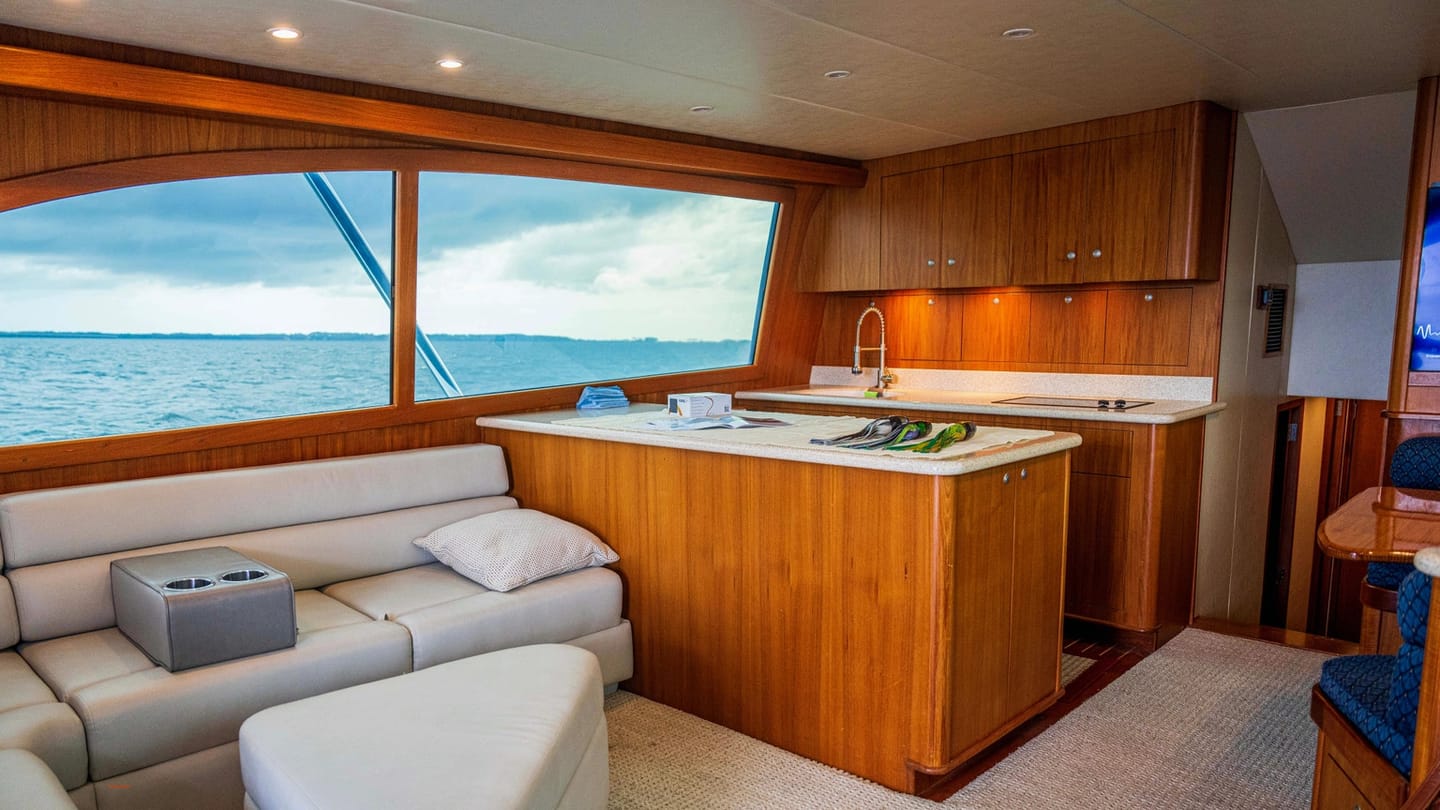
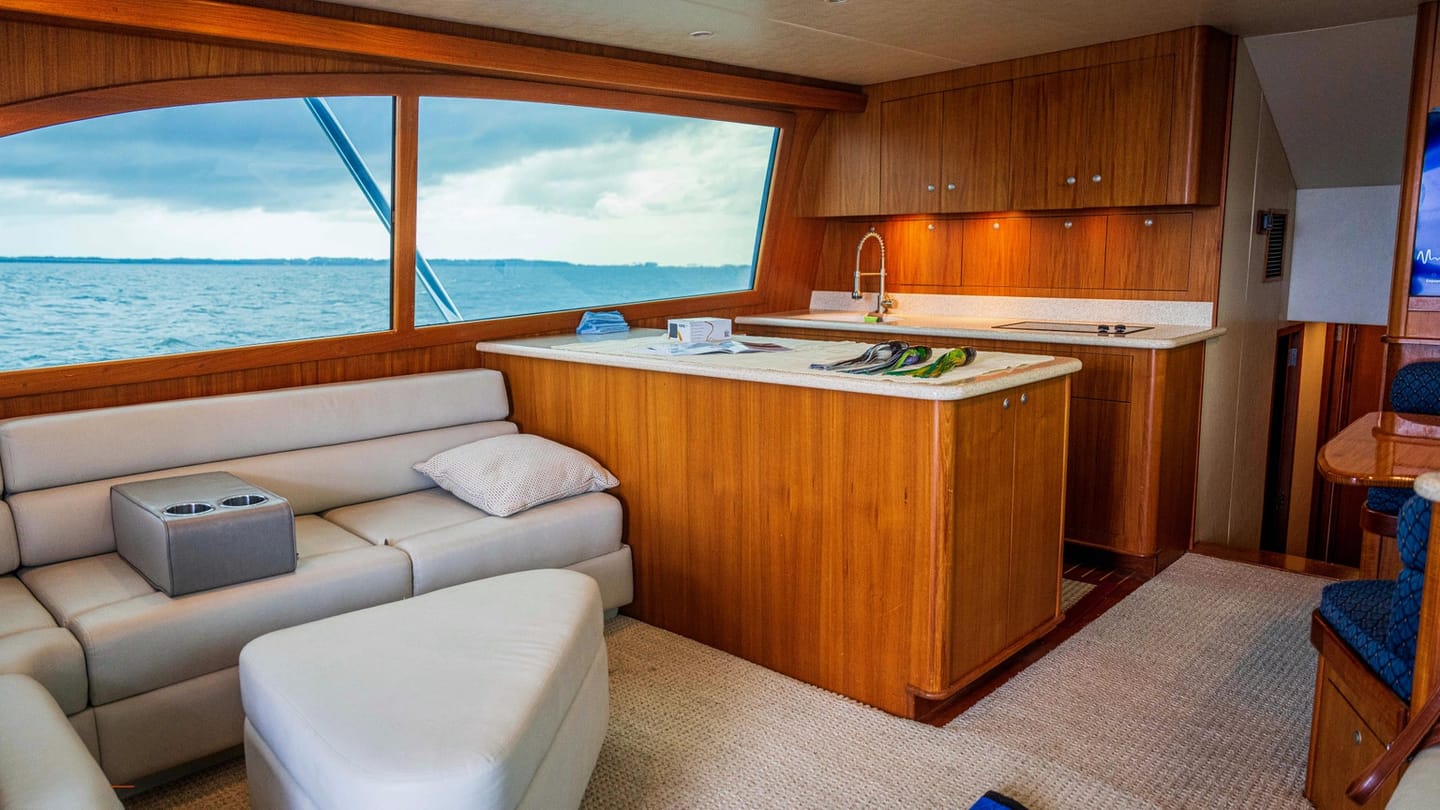
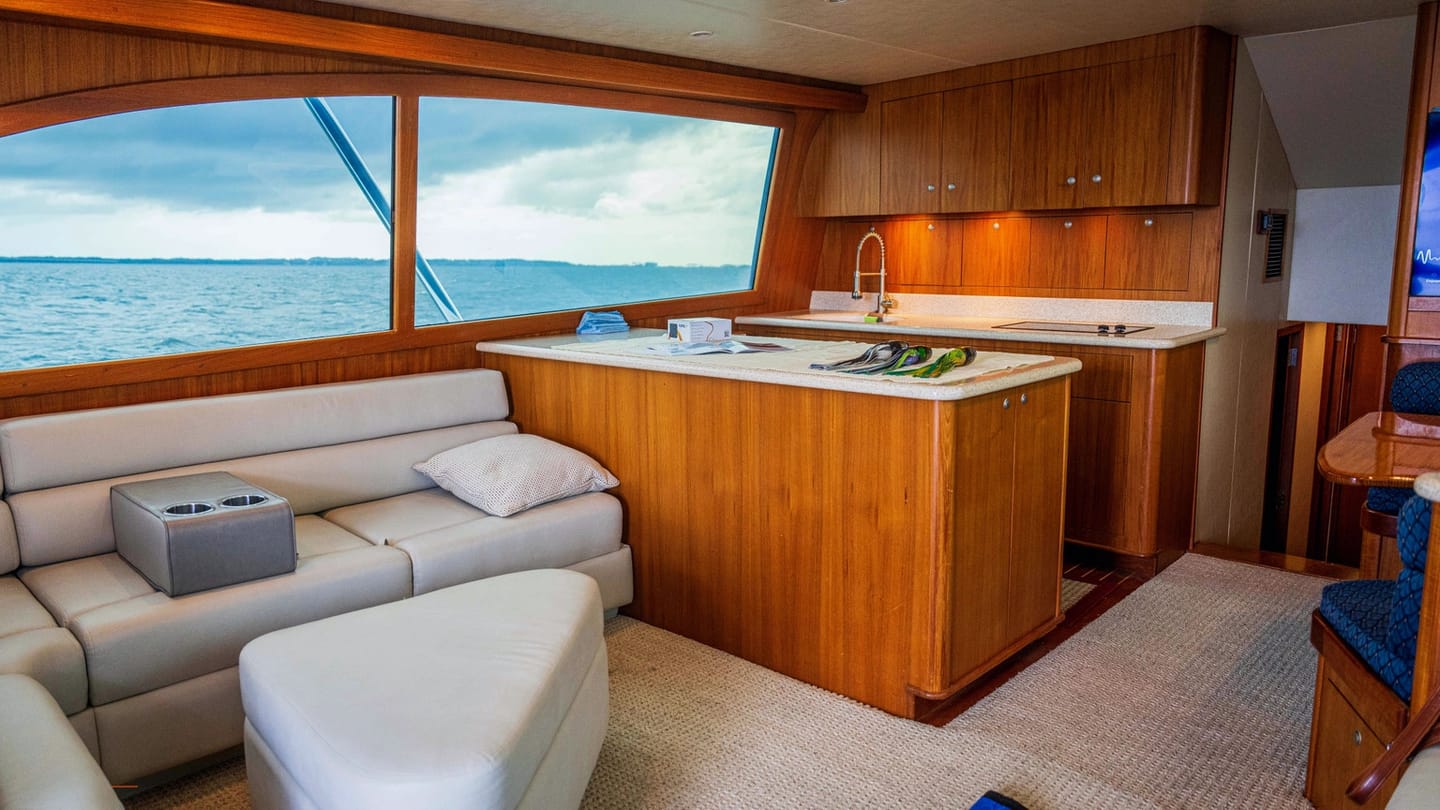
A sailboat galley usually has one or two burners, a sink fed by a hand pump or a small pressurized tap, and counter space measured in a single cutting board's width. Everything you cook has to survive heel, the boat leaning as wind fills the sails, plus the occasional lurch from a wake or a wave. Add a fixed supply of propane or another fuel, a water tank that has to cover drinking, cooking, and washing, and a fridge or icebox that may hold a temperature only loosely, and a shore recipe stops being a plan you can follow as written. It becomes a starting point you adjust once you're standing in the actual space.
Before buying food, walk the galley itself. Open every locker, check what the stove and oven can realistically hold at once, and find the fuel shutoff, since you'll need it before you light anything, more on that further down. Note where a bag of oranges will roll once the boat heels, and where a hot pot can sit down without a hand on it. None of this takes long, and it tells you more about what to buy than a generic packing list, because it shows the limits you're actually working within instead of the ones a list assumes.
Match what you buy to how it will keep
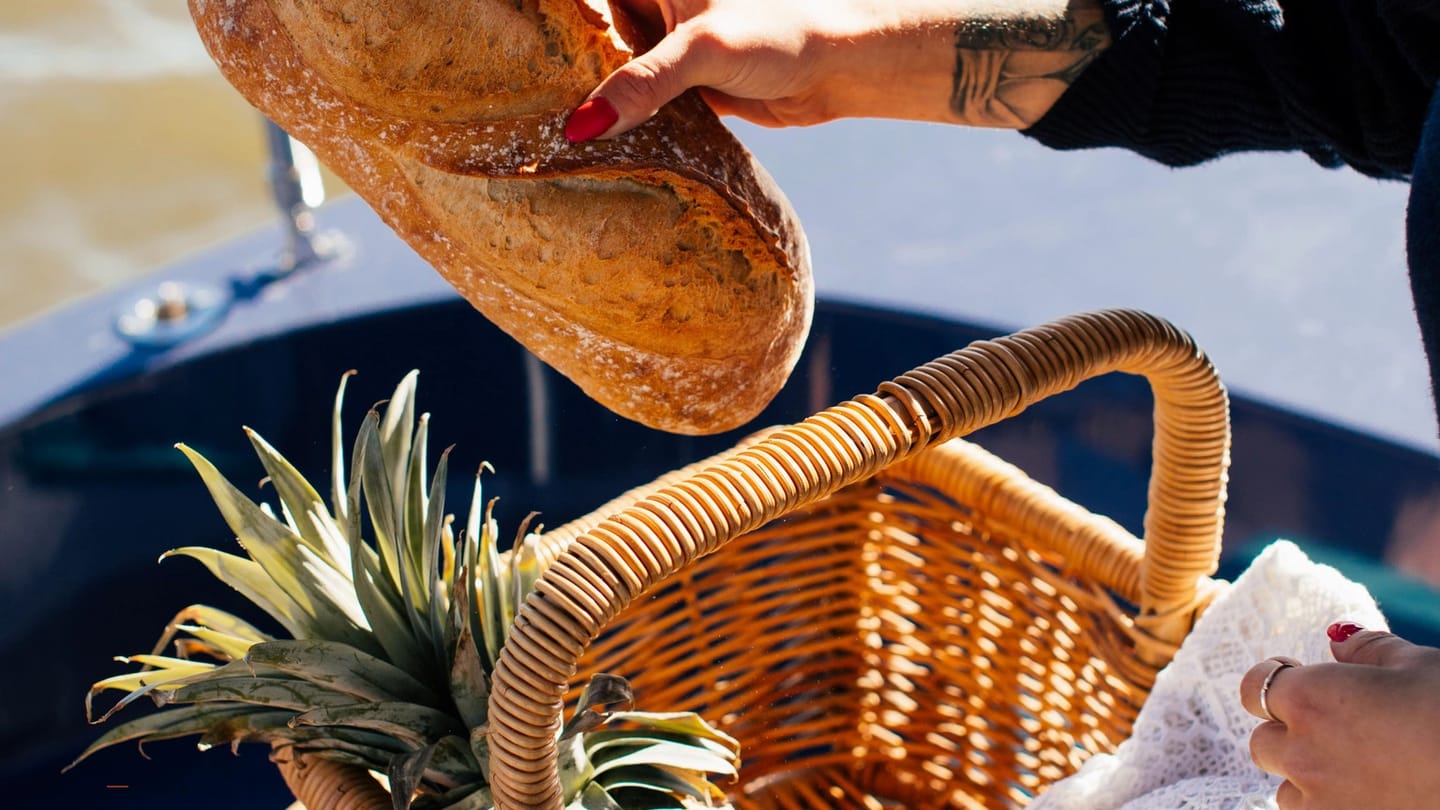
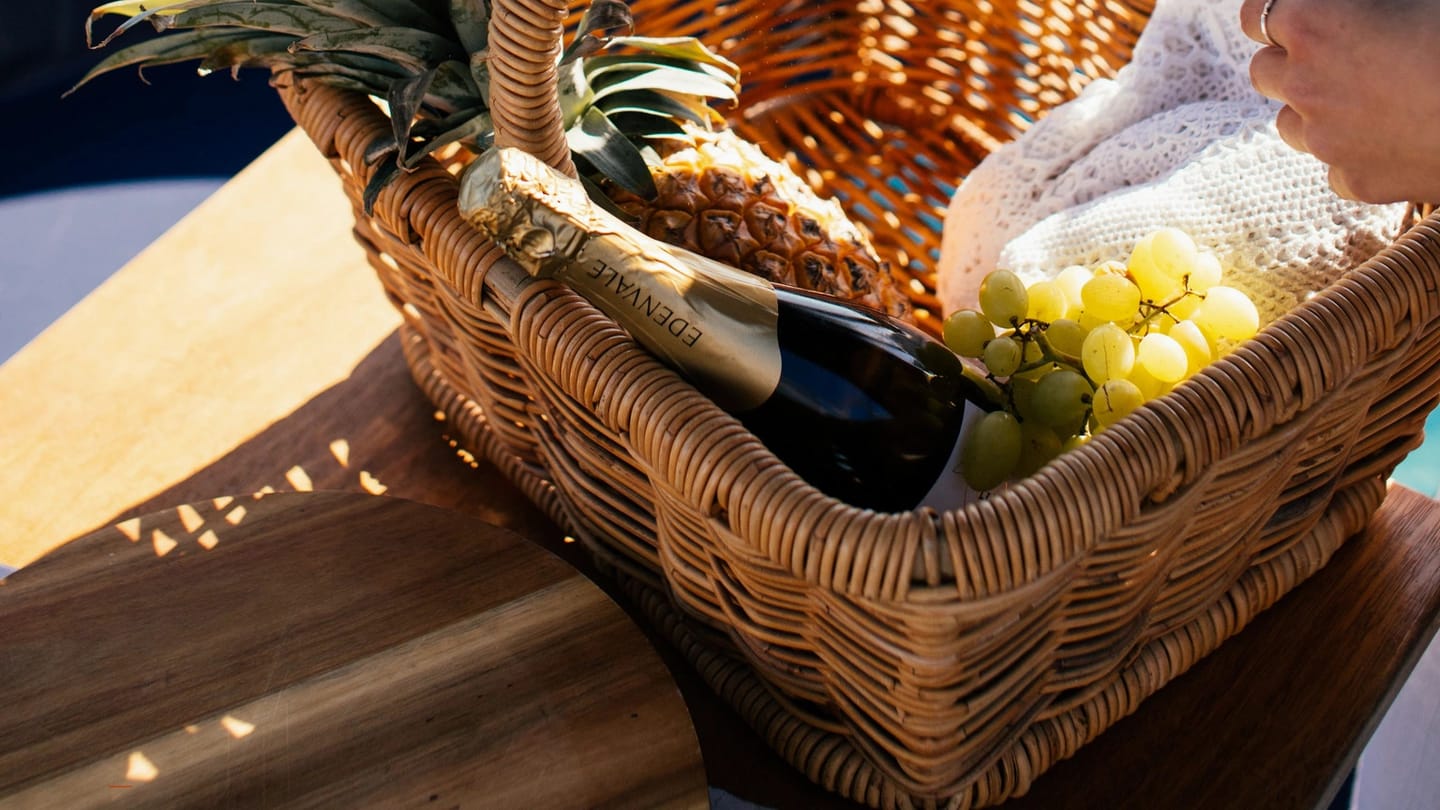
Fresh produce, dairy, and raw meat need consistent cold and get eaten first, so buy just enough for the first few days and treat anything left in a warm locker past its safe window as waste, not dinner. USDA guidance for boating and camping sets that window at two hours above 40°F (4°C), or one hour once the air passes 90°F (32°C), which on a hot afternoon in a cockpit locker arrives faster than most beginners expect. Building a provisioning list around actual meals forces you to notice which items need that cold chain and which don't, before they're in the trolley rather than after. Canned, dried, and vacuum-sealed food carries none of that urgency: it survives a warm locker, a rolling sea, and a missed grocery day, making it the backbone of a longer passage.
A workable pattern for a longer trip is fresh food while it lasts, a shift to shelf-stable meals once it doesn't, and a small reserve nobody touches unless the trip runs long or the galley has to close. If the boat's fridge or icebox runs colder, or shallower, than you assumed, understanding how a marine fridge actually holds temperature helps you size the fresh-food share correctly before you shop, not after the milk turns. Keep raw meat separated from food that won't be cooked again, and wash your hands, or use a sanitizer with at least 60% alcohol, before handling either.
Set up the galley before you light anything
Learn the stove's fuel system before you cook a single meal, not while something is already burning. If it runs on propane, find the cylinder's shutoff valve, the in-line valve near the stove, and the locker drain. Propane is heavier than air, so a leak sinks to the lowest point it can reach, usually the bilge, and can sit there until a spark finds it. Close the cylinder valve every time you finish cooking, and check the system for a leak before lighting it again instead of assuming yesterday's seal is still good. A boat with a propane system, another open-flame appliance, or an enclosed cabin should carry a marine-rated carbon monoxide detector, and fresh air should move through the boat the whole time a flame is running, not just at the start.
Clear the counter and companionway before you start, so a sudden need to move doesn't mean stepping over knives or loose gear. Keep a second person aware that you're cooking, especially with anything open-flamed, so someone else already knows where the shutoff is if you can't reach it. A closer look at a sailboat's full propane setup and inspection routine is worth reading before the first trip if the system is new to you; treat the steps above as the version you repeat every time you cook, not the one you only do once.
How do you cook safely when the boat is moving?
Cook a simpler meal, with fewer open pots and less hot liquid, than you would at anchor, and stop entirely if the motion makes it hard to keep a lid down or a hand free. A gimbaled stove helps a pot stay level as the hull heels, but the pot itself still needs a fiddle rail or clamp so it can't slide off the burner. A lid on top cuts down on what spills if it does move, and choosing a pot a size larger than a shore-kitchen habit leaves room for a wave without the contents going over the rim. Brace yourself before you brace the pot: one hand free for the boat, not just the food, is what separates a bad splash from a burn.
A calm harbour evening at anchor can support a real cooked dinner, two pans out, a chopping board in use, dishes timed to a simmer. A bouncy passage watch cannot. On watch, favor food that was prepared or portioned earlier in calmer conditions, needs one pot or none, and can sit in a mug or bowl in the sink instead of balanced on a counter. If the sea state makes even that awkward, choose the cold, ready-to-eat meal for that hour and let the hot dinner wait for the next calm patch or the next crew change.
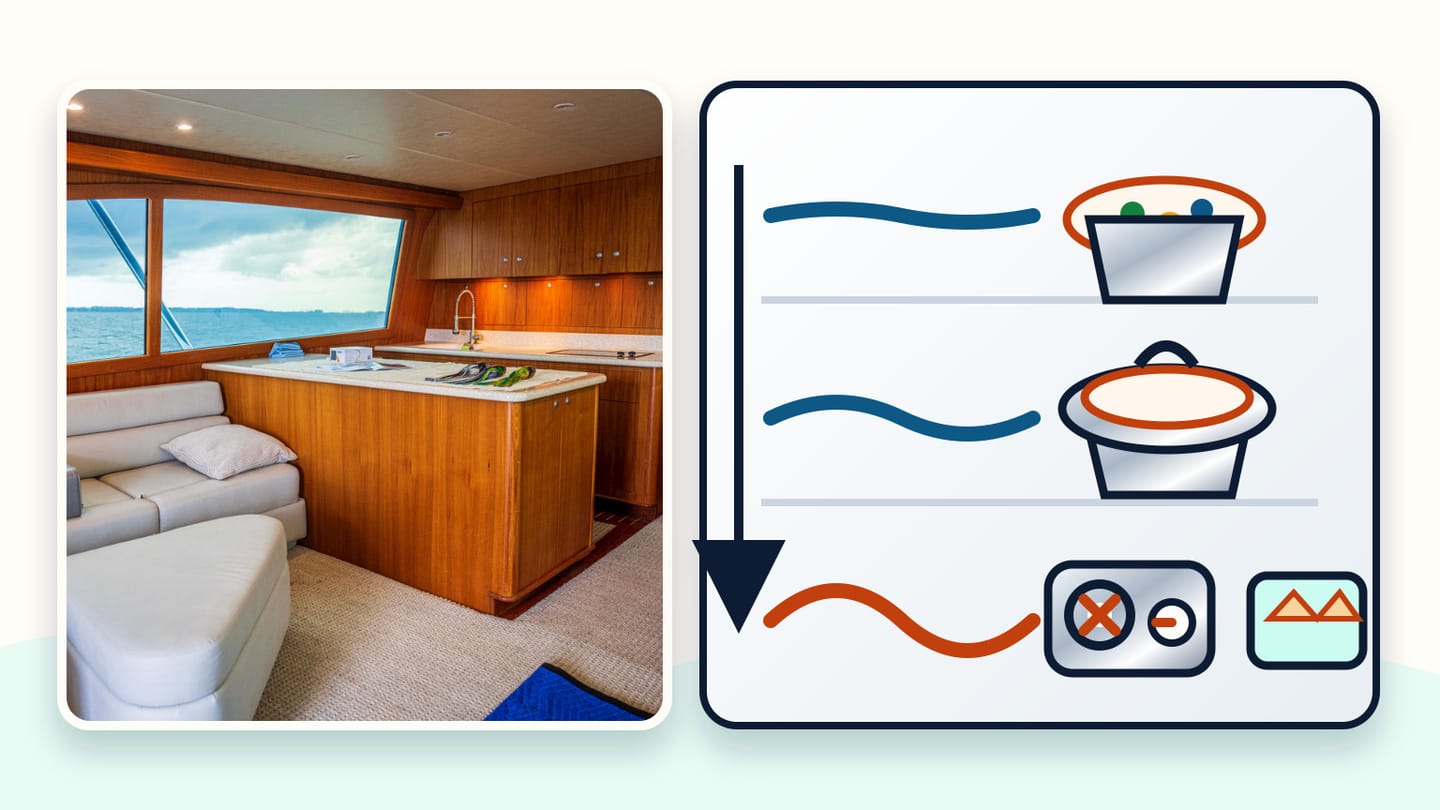
Keep wash-up quick and water-light
Every litre used for dishes is a litre not available for drinking, cooking, or the next few days if the tank runs low, so plan wash-up the same way you plan meals. Scrape food waste into a bin before it touches water, wipe greasy pans with a paper towel or rag first, then wash in a small basin instead of under a running tap. Rinse quickly, dry as you go, and stow each item before the next wave turns it into something rolling around the cabin floor. A sink left full of soaking dishes blocks the one working surface in the galley and uses more water later, once the food has dried on.
Check the boat's own water budget before deciding how generous wash-up can be; working out how much water a crew actually needs each day covers drinking, cooking, and cleaning together, so wash-up doesn't quietly eat into what the crew needs to drink. Contain grey water and scraps as local harbour or marina rules require, since what's acceptable well offshore is often restricted close to shore or inside an anchorage. End every cooking session the same way: cooker off, fuel secured, counter wiped, and tools back in their place, so the next person into the galley finds a space that's ready, whatever the weather is doing outside.
None of this needs special equipment or a professional kitchen background. It needs a short walk through the actual galley before you shop, a menu that gets simpler as the trip gets rougher, and a habit of shutting the fuel off and drying the space when you're done. Once those become routine, cooking on a sailboat stops feeling like a compromise and starts feeling like an ordinary part of being aboard. If you'd like to go further, SailStarter's lessons build on this same idea, working through galley systems, provisioning, and onboard safety step by step instead of all at once. There's no need to finish a course before your next trip; even one lesson, worked through at your own pace, adds something useful the next time you're standing in a small kitchen that happens to be moving.
Try it from the lesson
Can you spot the next move?
Two sailing boats are in sight with collision risk; neither is overtaking. You are on starboard tack, the other on port tack. Who gives way?
Why you can trust this guide
. We build each guide from public seamanship and safety sources, then teach the universal principle before any local difference.