Chart your course
How Much Does It Cost to Own a Sailboat?
Quick answer
The short version
The cost to own a sailboat is the purchase price plus the full cost of keeping it safe, stored, insured, and usable. There is no reliable worldwide average because berth prices, storage needs, labour rates, boat condition, and local requirements vary widely. Build an annual budget with fixed costs such as mooring or storage, insurance, and recurring fees. Add routine maintenance, seasonal work, and a reserve for faults found during ownership. Before buying a used boat, budget for a condition survey, haulout, trial run, and any specialist inspection the boat needs. Compare that total with club access, crewing, renting, or shared ownership. The least expensive boat to buy is not always the least expensive way to sail.
Start with your sailing plan, not a tempting listing price. Where will the boat live? Who will maintain it? Will it stay afloat, use a trailer, or need a yard and lifting service? A small boat kept at home creates a different budget from a cruising boat in a full-service marina. Condition matters as much as length: deferred work can move a cheap purchase into a costly first season. A useful budget is specific enough to collect local quotes and cautious enough to leave room for findings you cannot see in an advertisement.
Which Fixed Costs Should You Count?
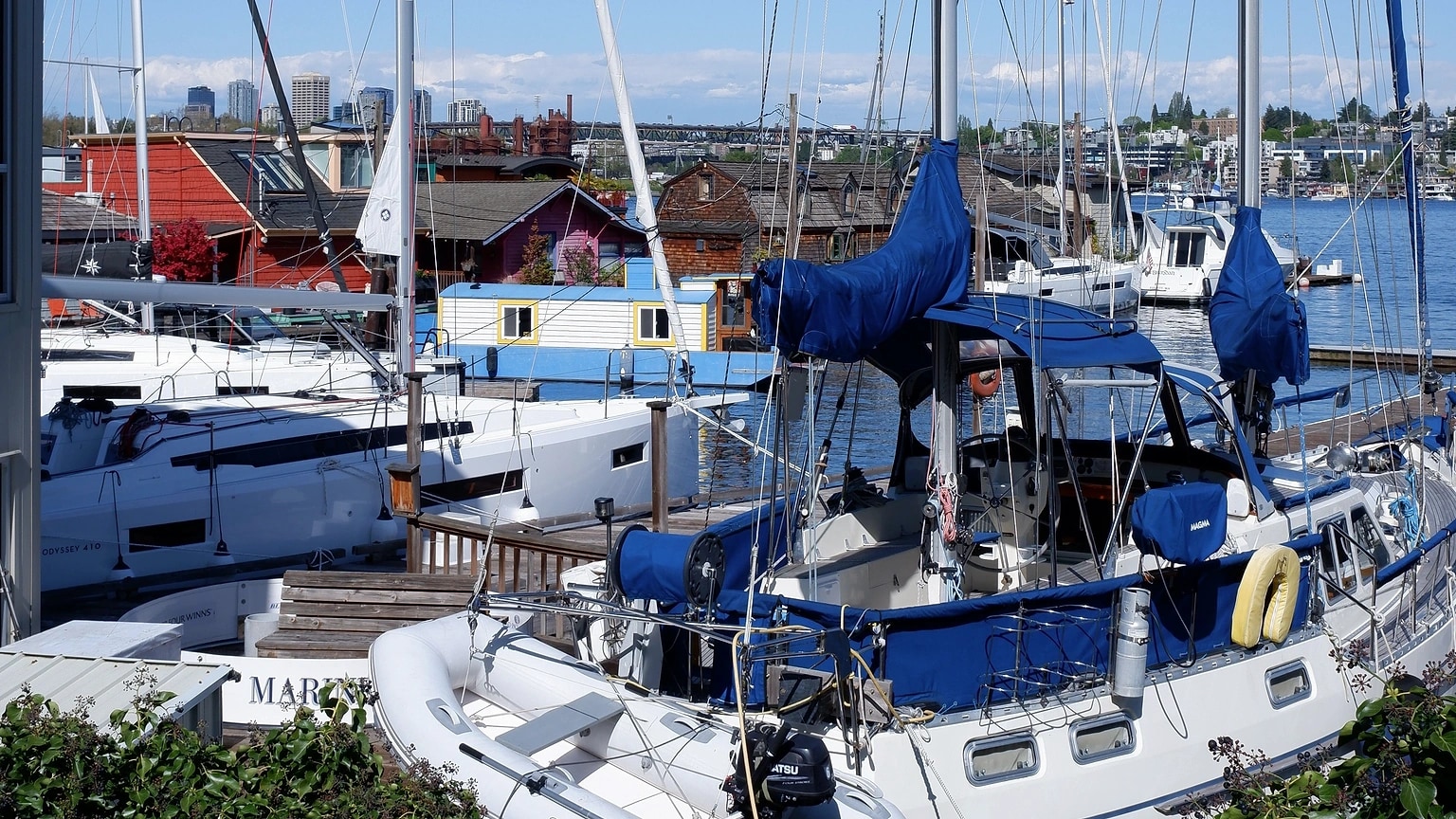
List every cost that continues whether you sail often or not. The largest may be a berth, mooring, storage space, club arrangement, or launch access. Add insurance, local fees, and any regular services tied to the boat's location. Ask what the quoted price actually includes, since lifting, electricity, winter storage, or launch services may be separate.
Match the list to the boat. A trailerable dinghy may need secure home storage and a suitable launch route. A keelboat may need deeper water, lifting equipment, and yard space. A boat kept in the water may create a different maintenance pattern from one stored ashore.
Use real local quotes rather than a generic percentage of the purchase price. Write each figure as monthly, annual, seasonal, or one-time. That simple distinction prevents a low listing price from hiding a large recurring commitment.

How Do Maintenance and Haulout Affect the Budget?
Boats need regular inspection and care to remain reliable. The exact work depends on construction, equipment, use, climate, and storage. Plan for materials and routine service, then decide honestly which jobs you can do and which need qualified help. Your time is part of the ownership commitment even when the labour does not appear on an invoice.
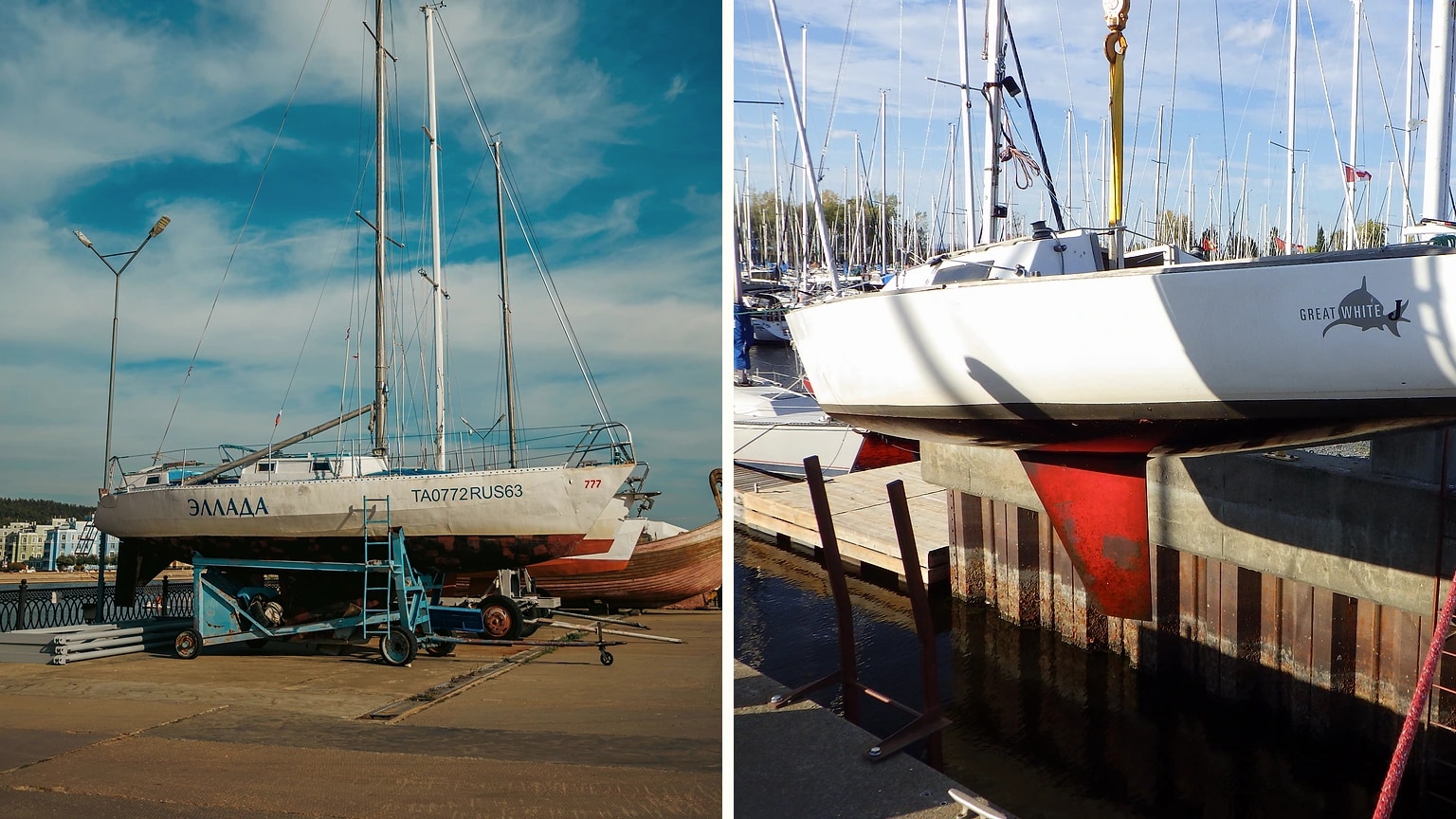
Some checks require the boat to be out of the water. Haulout gives access to the underwater hull, appendages, through-hull fittings, and other areas that are difficult to assess afloat. If the boat has an auxiliary engine, electrical system, complex rig, or other specialist equipment, include suitable inspection and service in the plan.
Ask the current owner or yard for service records and upcoming work, but verify condition independently. A maintenance schedule shows what should happen. It does not prove that the boat is free from faults today.
What Should You Reserve Before Buying Used?
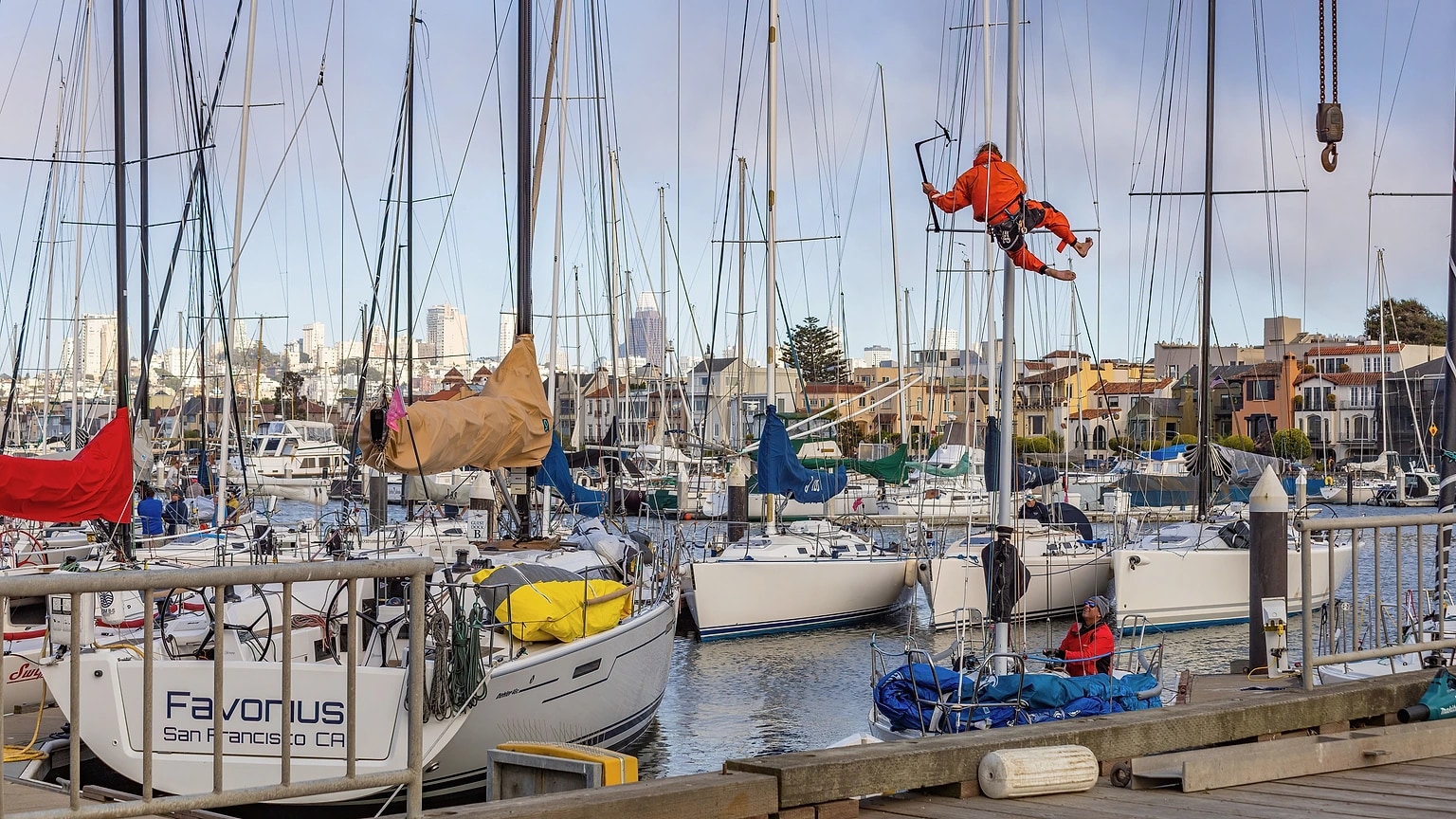
Keep the purchase fund separate from the inspection and first-work fund. A used-boat survey is intended to identify defects and explain the boat's condition before you commit. Depending on the boat, a proper evaluation may include a haulout, trial run, and separate attention from an engine, rigging, or electrical specialist.
The findings give you choices. You can continue at the agreed price, negotiate with clear evidence, plan repairs, or walk away if the boat does not fit your budget or intended use. Skipping the survey to save money removes information at the moment it matters most.
Also verify ownership and registration documents, equipment inventories, and any finance or lien information relevant to the sale. These checks do not replace a physical survey. Together, they help you understand both what you are buying and what it may ask from you soon after closing.
Is Ownership the Best-Value Way to Sail?
Owning gives you control over the boat, its schedule, and how it is equipped. It also gives you responsibility for every quiet week when maintenance, storage, and administration continue. If your main goal is to learn or sail occasionally, access may deliver more water time for less commitment.
Compare four routes: joining a club with shared boats, crewing for an owner, renting from a suitable provider, and sharing ownership through a written agreement. Shared ownership can divide purchase and running costs, but it requires clear decisions about scheduling, maintenance, payments, damage, and exit arrangements.
Run the comparison over a full sailing year. Include training and actual opportunities to get afloat, not just asset ownership. The right answer can change as your skills, location, and sailing frequency change. Waiting to buy is a valid decision when another route keeps you sailing.

Build a boat-specific annual plan
Start with the costs that exist even when the boat stays in its berth: storage or mooring, insurance, registration where applicable, and any regular service agreements. Then add costs driven by use and condition, including fuel, haulout, bottom work, engine service, sails, rigging, batteries, and replacements found during inspection. Use quotes for the boat, location, and intended use. A universal percentage cannot describe every age, material, marina, or cruising pattern.
Put each item in one of three columns: known annual bill, likely maintenance, or uncertain repair. The third column needs a reserve rather than a false exact number. The maintenance checklist helps you identify work by frequency, while the marine survey process explains what a pre-purchase inspection can and cannot settle.
Model the first year separately
The first year often contains work that is not a normal annual pattern. Price the purchase, survey, haulout, transport, taxes or registration where relevant, immediate safety items, and defects you intend to correct before use. Keep those acquisition costs separate from the continuing budget. Otherwise, an unusually expensive first year can distort the long-term picture, or a low purchase price can hide the work needed to make the boat fit your plan.
Ask the seller for service records and compare them with the survey and your own inspection. A record can show what was done, but it does not guarantee the present condition of every system. For a used boat, make a list of uncertain dates for standing rigging, sails, batteries, engine work, and underwater fittings. Price investigation before assuming replacement or assuming everything is sound.
Compare ownership with the access you will use
Estimate realistic sailing days, not ideal ones. Include travel to the boat, launch or rigging time, seasonal limits, and the crew's availability. Then compare the full ownership cost with a club membership, shared boat, course, or charter pattern that supplies similar days afloat. The right answer can change as your time, location, and goals change.
Ownership adds control over setup, schedule, and care. It also gives you the jobs when the forecast is poor and the boat still needs attention. If those jobs are part of the appeal, include their time honestly rather than treating them only as a financial burden. If you mainly want occasional sailing, paid access may buy more water time with fewer fixed duties. Use the budget to choose the relationship with sailing that suits you, not to prove that one route is always cheaper.
Use SailStarter's beginner boat-choice lesson before turning listings into a shortlist. Write a one-page ownership brief with the boat's job, regular crew, home base, storage method, and the waters you expect to sail. Then create three columns: purchase and setup, fixed annual costs, and variable maintenance or repair. Fill them with quotes from the relevant club, marina, yard, insurer, surveyor, and service providers. Add a separate reserve rather than pretending every fault will fit the routine budget. Finally, price at least one non-ownership route that could meet the same sailing goal. This process will not produce one universal answer, but it will produce the answer that matters: whether a specific boat is affordable for you to keep, not merely affordable to buy. If the numbers do not work, change the boat, storage plan, or access model before money changes hands.
Run the budget once with the boat sailing normally and once with one significant uncertain repair moved into the first year. If the second version breaks the plan, the purchase has little reserve for ordinary surprises. That does not set a universal reserve amount. It shows you where another quote, smaller boat, or delayed purchase would make the decision more durable.
Try it from the lesson
Can you spot the next move?
A wide sailboat glides past on two side-by-side hulls, barely leaning at all. What type is it?
Why you can trust this guide
. We build each guide from public seamanship and safety sources, then teach the universal principle before any local difference.