Chart your course
Crewed Charter vs Cabin Charter
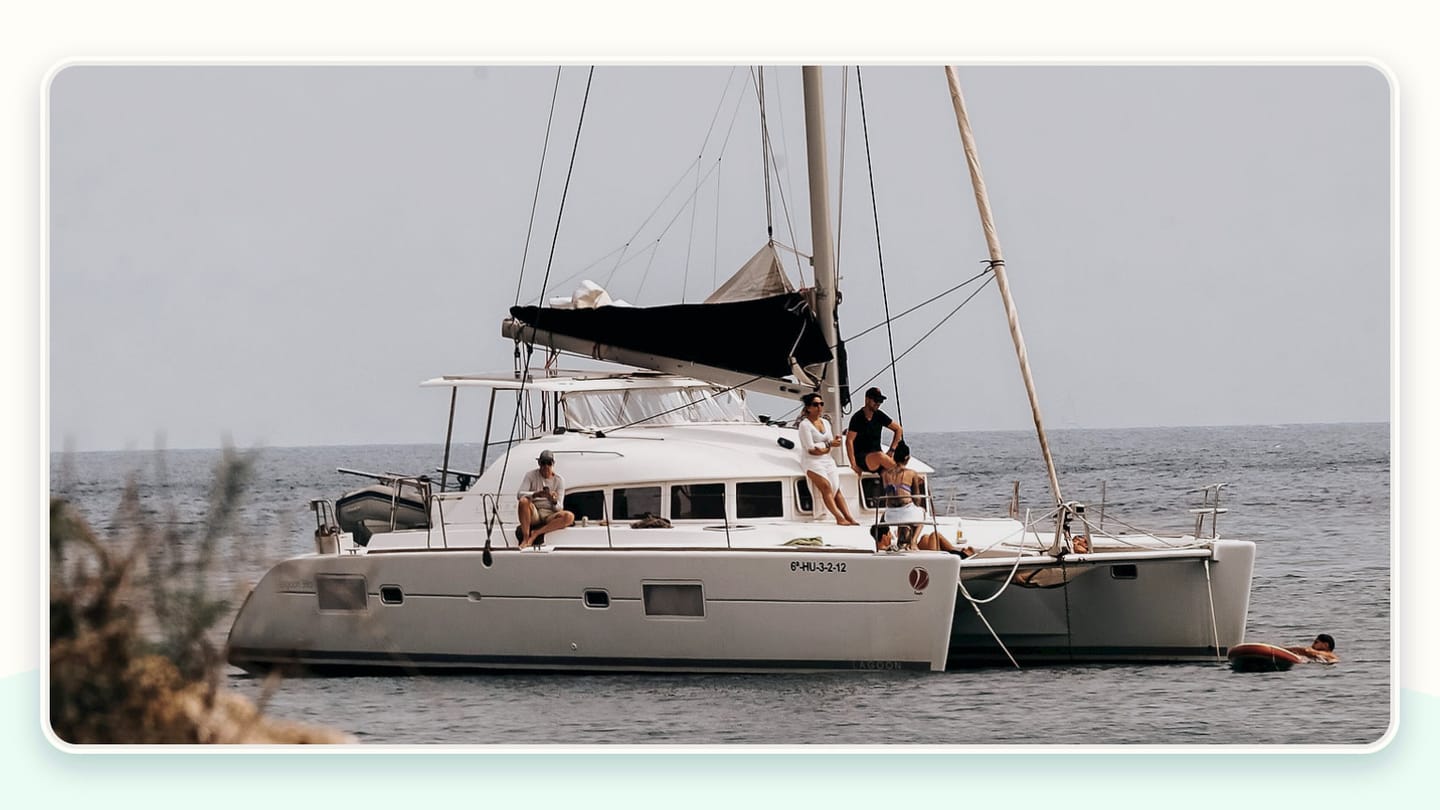
Quick answer
The short version
A crewed charter books a yacht with professional crew. A cabin charter buys a cabin or berth on a shared sailing departure. The better fit depends on how much privacy and itinerary control you want, whether you enjoy sharing common space with other guests, and what the written package actually includes. Compare the same dates, destination, meals, transfers, activities, and charges before comparing headline prices. A skipper's operational authority remains part of a professionally crewed trip whichever format you choose.
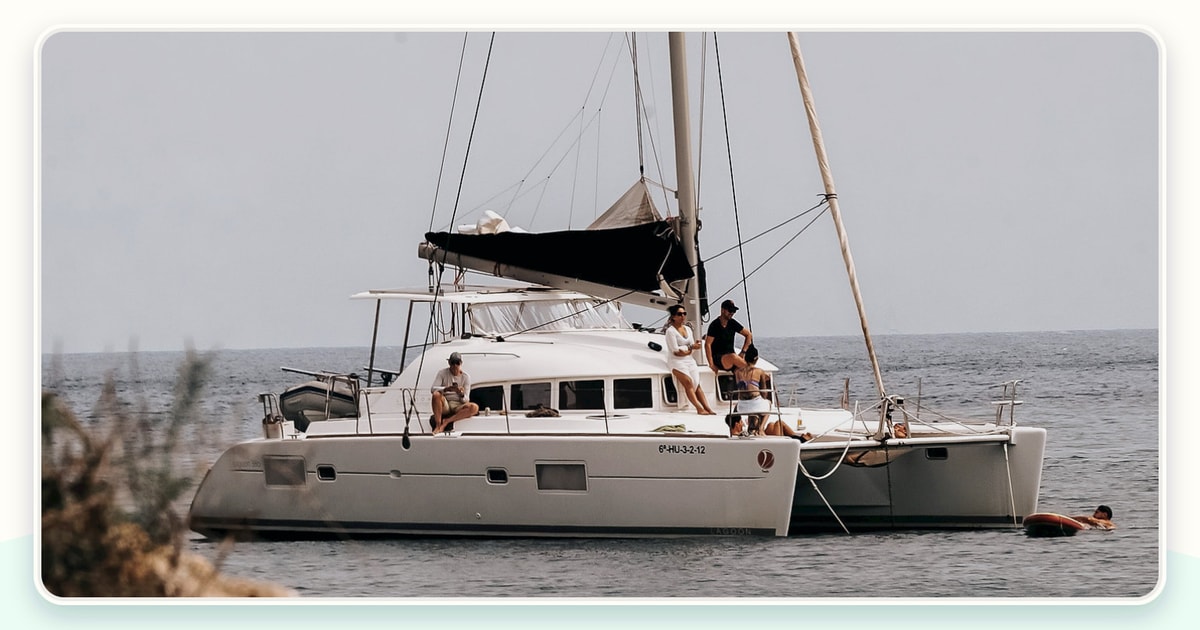
These products can look similar in a glossy destination photo. They solve different travel jobs. One gives a group the whole yacht and its schedule. The other can make a professionally crewed sailing trip available without paying for every cabin. The quote and booking terms decide the details, so treat every operator page as an example to check, not a universal promise.
Decide how much yacht space you need
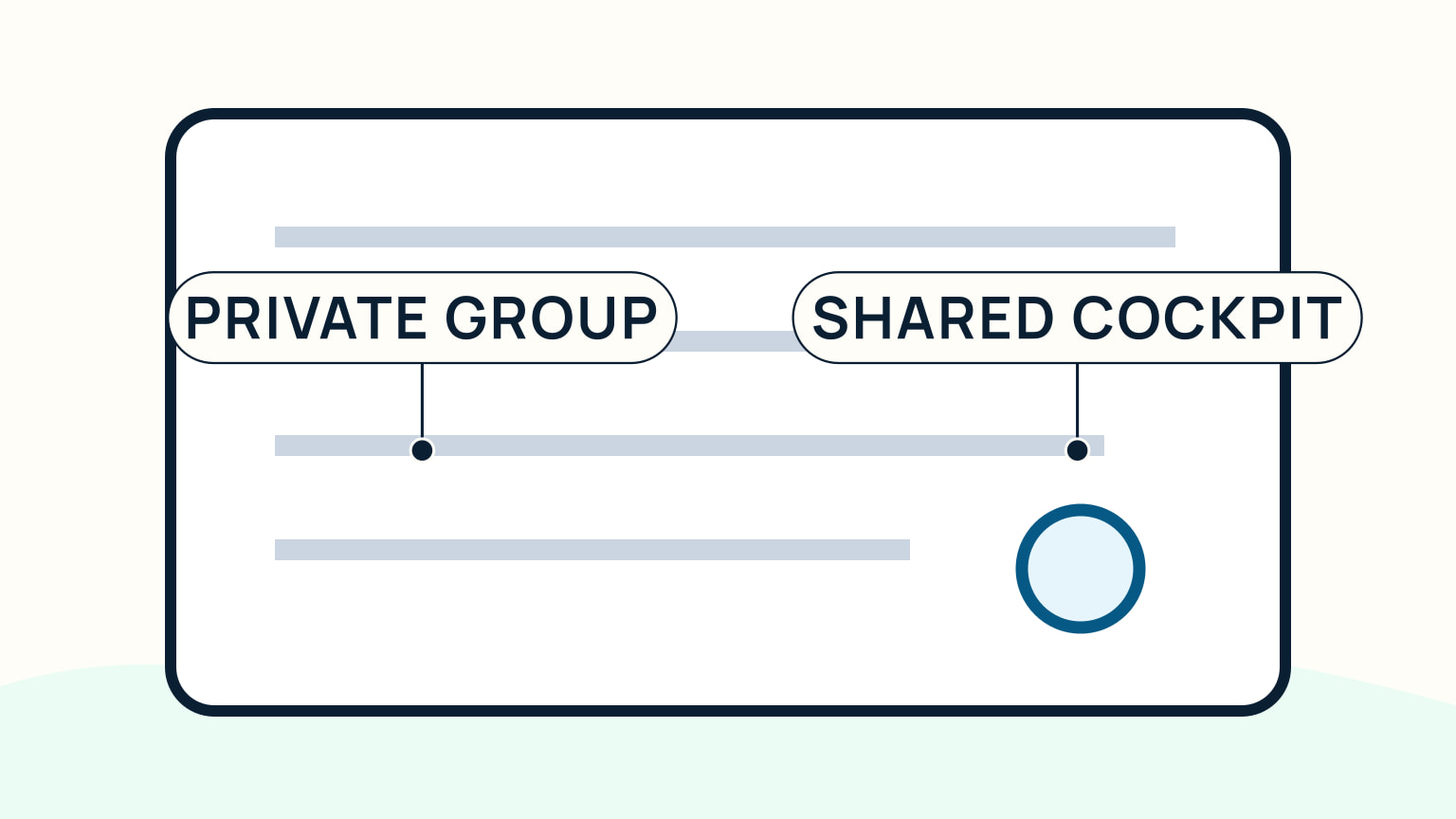
Booking a whole crewed yacht gives your party control of the guest list and private use of the boat within the charter terms. That can suit a family, a group of friends, or anyone who wants the social space to be theirs. The Moorings describes professional crew and includes crew costs in its current crewed package, but exact inclusions still belong to the yacht, destination, and quote you are considering.
A cabin charter is a different purchase. Dream Yacht describes its by-the-cabin offering as a reservation for one cabin on a yacht shared with other travellers. You have private cabin space as sold, while the deck, saloon, dining routine, and route are shared. That can be a strong fit if the social aspect appeals and you do not need to control every part of the boat. It can be a poor fit if privacy is the central reason for the trip.
Compare itinerary influence honestly
The itineraries are often different by design. The cited Dream Yacht cabin product lists a fixed itinerary. A whole-yacht charter may offer more input from the guests, but the route still depends on the operator, crew, weather, local conditions, and the written agreement. Treat "flexible" as a question to ask, not as a synonym for unrestricted choice.
Ask the operator how the route is set, what changes are possible, and who makes the final call when conditions change. Professional crew are there to run the vessel safely. They do not hand that responsibility to the guests because a group has booked the whole yacht. If a particular island, restaurant, dive site, or transfer day matters to you, put the question in writing before you book. How to plan a bareboat charter itinerary is useful for understanding why route plans need contingencies.
Read meals and inclusions line by line
Inclusions make price comparisons tricky. Dream Yacht's cited cabin product lists a set menu and particular included items. The Moorings says crew costs are included in its cited crewed package. Neither statement tells you what every operator includes on every trip. Meals, drinks, shore excursions, transfers, watersports, taxes, and crew expenses can be described differently from one quote to the next.
Make a side-by-side list before you decide. Mark what is included, what is optional, when payment is due, and what is not stated. Ask about dietary needs at item level rather than assuming that a general preference word resolves every meal. What to pack for a sailing trip can help you find gaps in the travel plan that a package description does not cover.
Choose the social format you will enjoy
Shared travel can be the point of a cabin charter. You may meet people who enjoy the same route, meals, and time afloat. It also means accepting different habits, energy levels, and expectations in the common spaces. A whole-yacht group has more control over that atmosphere because it supplies the guests, although crew still share working space aboard.
Do not treat either choice as a test of sailing experience. You can be new to sailing on a professionally crewed trip. What matters is whether you want an organized shared departure or a trip shaped around your own group. Ask how many guests are expected, what cabins are sold, what common spaces are available, and how the daily rhythm works. A clear answer is more useful than a promise that everyone will become friends.
Price the same trip in both formats
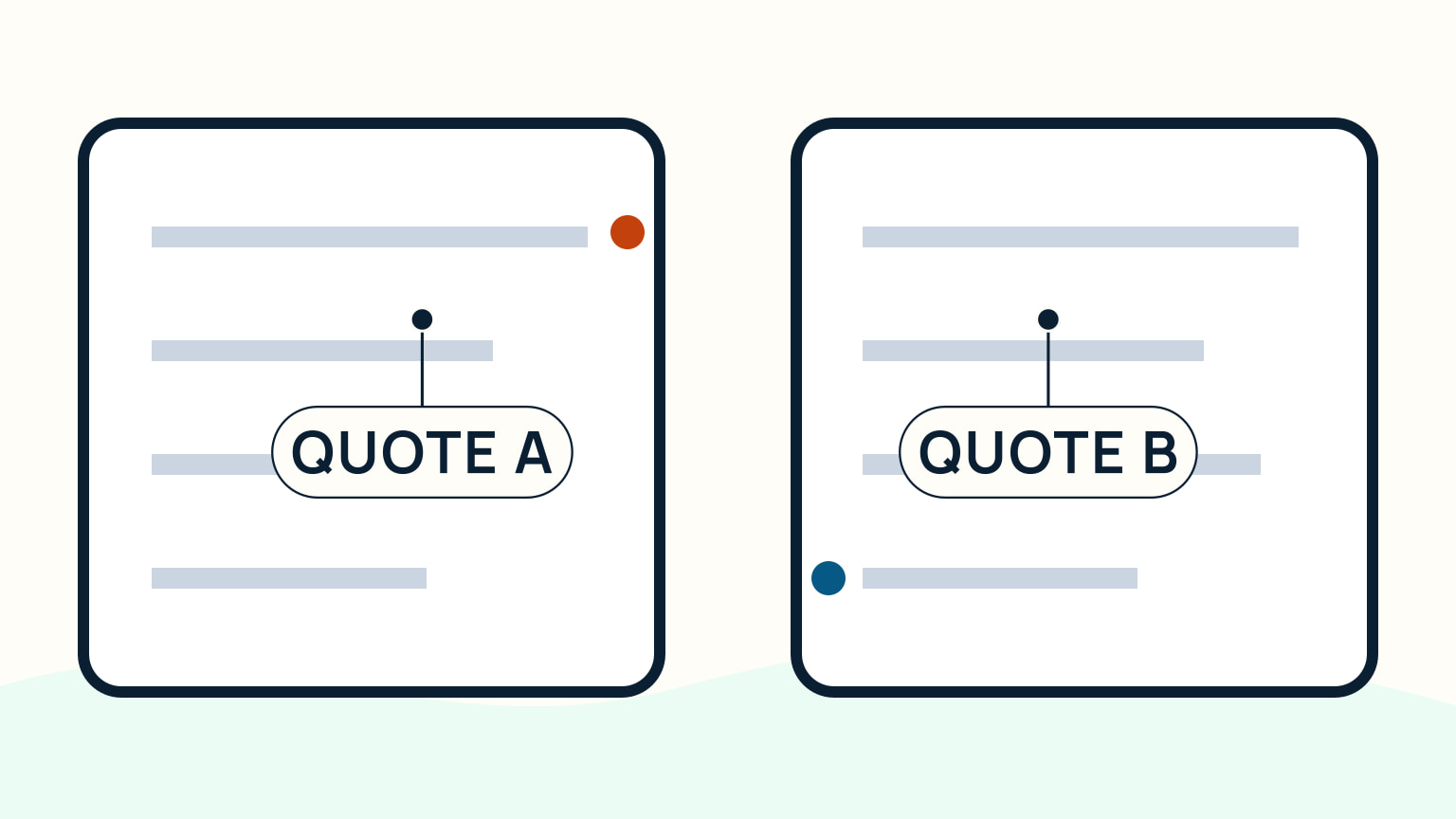
Set up a fair comparison. Use the same destination and dates where possible. Add every known required charge. Then list the differences that change the trip: the number of cabins, whether all guests are known to you, meal arrangements, transfers, activities, and the flexibility you value. A cabin price can be lower because you are purchasing one part of a shared product. A whole-yacht price can make sense when your group would otherwise book several cabins separately. Neither conclusion is automatic.
For related choices, compare bareboat versus skippered charter and flotilla versus bareboat charter. SailStarter can help you arrive with basic boat vocabulary, but a charter decision still comes down to the current quote, terms, and what your own group wants from the trip.
SailStarter is useful preparation if you want to recognize what the crew is doing and feel less lost on your first sailing holiday. It does not choose a charter format for you. Read the current agreement, ask the questions that change the day-to-day experience, and choose the level of privacy and shared travel that you will genuinely enjoy.
Make the decision with everyone who is travelling. Ask each person which trade-off matters most: private group time, a fixed plan, meeting new people, meal choice, schedule control, or price. A mixed answer may lead you to a different product than the person who first suggested the holiday. This conversation is easier before anyone has booked a flight or paid a deposit.
Then read the cancellation and payment terms with the same care as the inclusions. A flexible route or a beautiful cabin does not answer what happens if your group changes size, one guest cannot travel, or an operator alters the departure. Those details are part of the product you are comparing.
Look for the difference between an advertised itinerary and a binding inclusion. An operator can describe a representative day without promising every meal, stop, or activity in the same way. Ask what is confirmed at booking, what is weather-dependent, and what is merely an option. That makes your expectations easier to share with the rest of the group.
The most useful comparison leaves you feeling clear about the ordinary day aboard, not only excited by the destination photographs.
Once you choose a format, send the key inclusions and timing to every traveller. Shared information prevents one guest expecting a private-yacht freedom while another expects a scheduled cabin departure.
Ask how embarkation and disembarkation work too. A whole-yacht group may have one pattern for luggage, transfers, and checkout. A cabin departure may have a shared time and a scheduled sequence for everyone aboard. Neither is difficult when you know it in advance, but both can affect flights, hotels, and the first or last day of the holiday.
If anyone in the group has limited mobility, sleep needs, or a strong preference about cabin sharing, raise it early. The operator can then tell you what the specific yacht can provide rather than leaving everyone to negotiate it after arrival. Honest constraints are useful booking information.
Compare the choices on the same dates and with the same practical questions. Who else shares the boat, which spaces are private, who controls the daily route, and which meals, transfers, activities, or fees appear in the written price? A per-cabin figure and a whole-yacht figure can both be accurate while describing very different arrangements. Writing the answers in matching rows makes it easier to see whether you are comparing like with like.
Then ask what happens when conditions change. A weather adjustment, a late arrival, or a change in the guest group can affect a private charter and a cabin charter in different ways. The booking terms and operator should explain the option you are considering. Do not infer flexibility from an attractive itinerary image or from another traveller's account. A clear answer about the actual trip helps the group choose a product that fits its tolerance for shared decisions and changing plans.
Give the group a chance to say what it actually wants before comparing prices. Some travellers value a private itinerary and a familiar group. Others value meeting people and accepting a shared timetable. Neither preference is a defect. Naming it early helps prevent a low headline price from becoming the only fact that decides the booking.
Keep the confirmation message after you book. It should give you the operator, dates, the product selected, and the next question to ask if a detail changes. That practical record is more helpful than relying on a remembered version of a web page.
Try it from the lesson
Can you spot the next move?
A wide sailboat glides past on two side-by-side hulls, barely leaning at all. What type is it?
Why you can trust this guide
. We build each guide from public seamanship and safety sources, then teach the universal principle before any local difference.