Chart your course
Day Sailing vs Cruising vs Racing
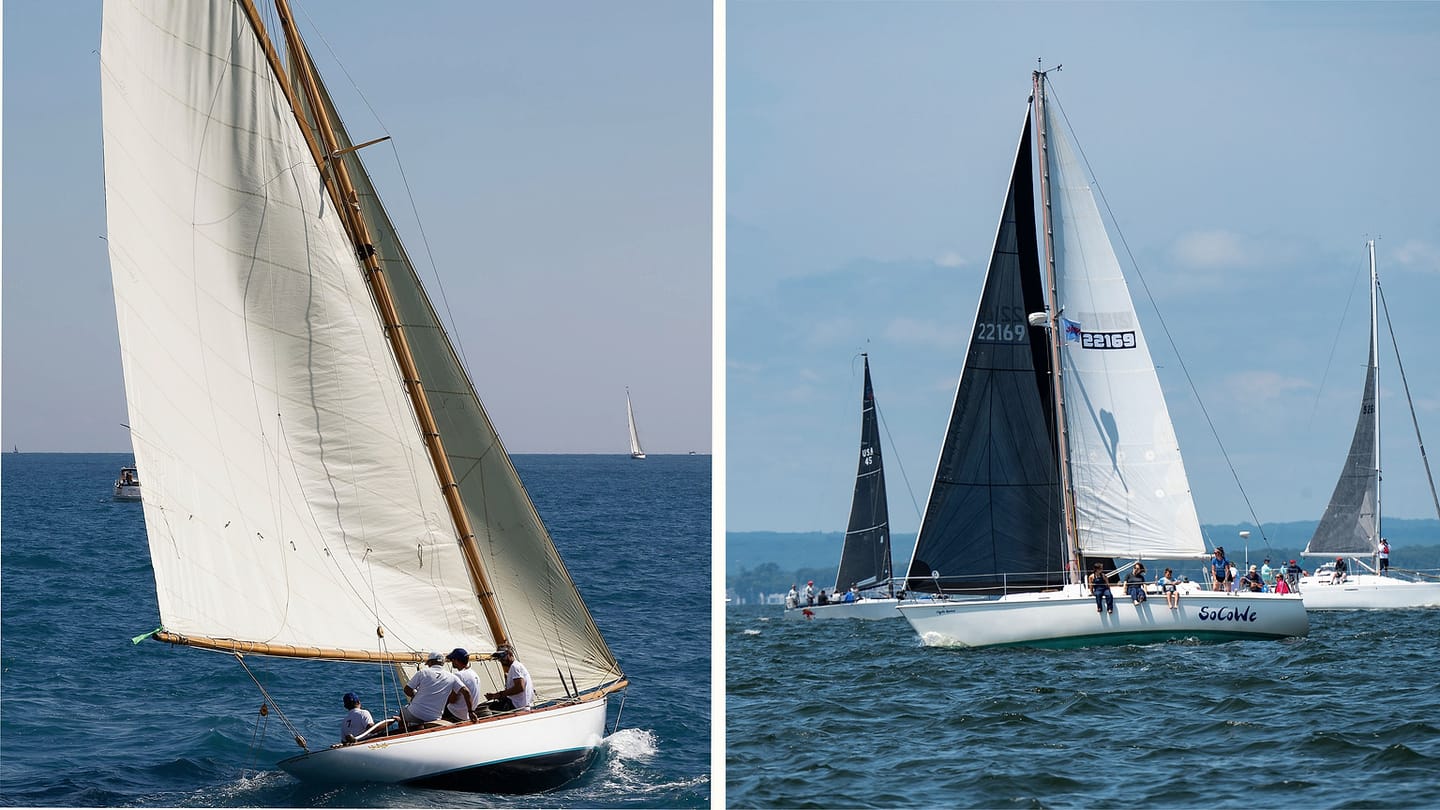
Quick answer
The short version
Day sailing means going afloat for a short outing and returning without an overnight passage. Cruising uses the boat to travel and may include longer passages, visiting another harbour, or living aboard. Racing adds a course, a start, competition rules, and coordinated decisions against other boats. These styles overlap. A cruiser can race on Wednesday, and a racing dinghy can be used for an afternoon sail. Beginners should choose by the experience they want now: a manageable first outing, a journey, or structured competition. You do not need to choose one identity forever.
Each style teaches core boat handling, yet changes the rhythm around it. Compare the time you have, how much planning you enjoy, the people you want beside you, and the boats available locally. None of the three needs a large investment before you know whether you like it, since a taster session, a club crewing place, or an introductory course exists for every one of them.
Think in terms of the next six outings rather than an imagined lifetime. Repetition matters more than choosing the perfect label. A nearby club race you can join weekly may teach more than a cruising plan you can attempt once. A short day sail can also be the first step toward either path, since the tacking, trim, and lookout habits it builds transfer directly into both a longer passage and a race crew.
The three styles ask for different amounts of planning, crew coordination, and time.
| Dimension | Day sailing | Cruising | Racing |
|---|---|---|---|
| Scope | Short outing, return to the same area | Travel to another harbour, possibly overnight or living aboard | A set course, start, and competition rules |
| Planning load | Weather, equipment, crew, return time | Route, weather across the whole window, navigation, berthing, crew comfort | Safety brief, boat prep, pre-start sequence |
| Crew structure | Small crew repeating familiar tasks | Crew lives with decisions after the sails are lowered — meals, sleep, gear | Coordinated teamwork with defined roles and commands |
| Typical time commitment | A few hours | Overnight or longer passages | A regular weekly slot |
| Learning focus | Tacks, sail trim, lookout, docking | Route planning, weather decisions, navigation, berthing | Accurate boat handling and teamwork, one role at a time |
What is day sailing?
Day sailing keeps the horizon close. You prepare the boat, sail for a few hours, and return to the same area. It suits regular practice because you can repeat tacks, sail trim, lookout, and docking without organising accommodation aboard.
Short does not mean casual about safety. Check weather, equipment, crew, and return options. The limited scope simply makes the learning loop easier to see. A club boat, dinghy, or small keelboat can all support this route.
The return to the same base makes preparation and debrief easier. You can note one manoeuvre to improve, adjust the next plan, and sail the same water again. Familiar surroundings do not remove weather, traffic, or navigation duties, but they reduce the number of new problems introduced at once.
A typical outing has a repeatable shape: check the forecast and confirm your return time, rig and inspect the boat, sail with one clear focus for the trip, then talk through what worked while it is still fresh. Beginners often skip that last step and lose most of the benefit of returning to a familiar base, which is the chance to compare today's tack or approach to the dock with the one before it.
A short trip still deserves full preparation. Weather can shift in an afternoon, gear can fail, and a crew member can feel unwell regardless of how close you are staying to the dock, so run the same pre-departure checks you would for a longer day, only compressed into less time. It also helps to try more than one boat rather than settling on the first one you sailed. A dinghy and a small keelboat teach overlapping but different skills, and comparing how each handles the same stretch of water over a few outings sharpens your sense of what you actually enjoy.
What is cruising?
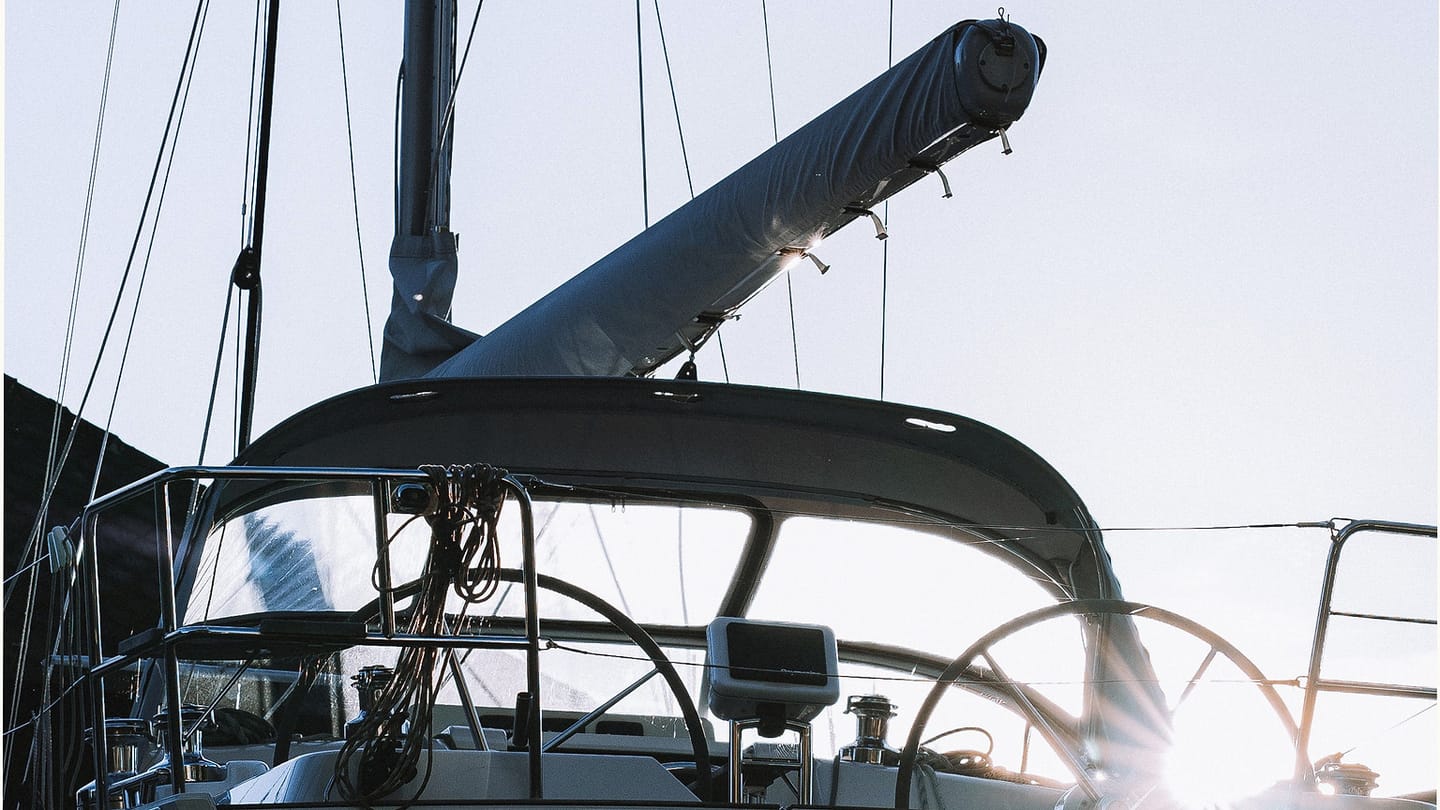
Cruising adds a destination and the systems needed to reach it. Even a short harbour-to-harbour trip requires route planning, weather decisions, navigation, berthing, and a plan for the crew's comfort. Overnight trips add sleeping, food, water, power, and storage.
You can begin by crewing with an experienced skipper or taking structured training. You do not need a large yacht. The defining idea is using the boat for a journey rather than staying within one practice area.
Cruising also asks the crew to live with decisions after the sails are lowered. Berth choice, meals, wet clothing, sleep, and equipment care become part of the experience. Try a short passage with an experienced skipper before buying specialist gear or assuming that a beautiful destination guarantees an enjoyable journey.
A first short passage tends to follow the same shape whatever the boat's size: agree a destination and a return window, check weather across that whole window rather than only at departure, plan the route and the entry into harbour, then handle berthing and boat chores once you arrive. None of those steps disappears on a two-hour hop between harbours. They simply take less time to work through.
Two related mistakes catch beginners moving into cruising. The first is buying foul-weather gear, a tender, or navigation electronics before confirming they enjoy living aboard, even for a single night. The second is assuming an appealing destination will carry a poorly planned trip on its own. A bareboat or skippered charter is a lower-commitment way to test both the planning workload and the onboard living before buying a boat or specialist equipment of your own.
Racing
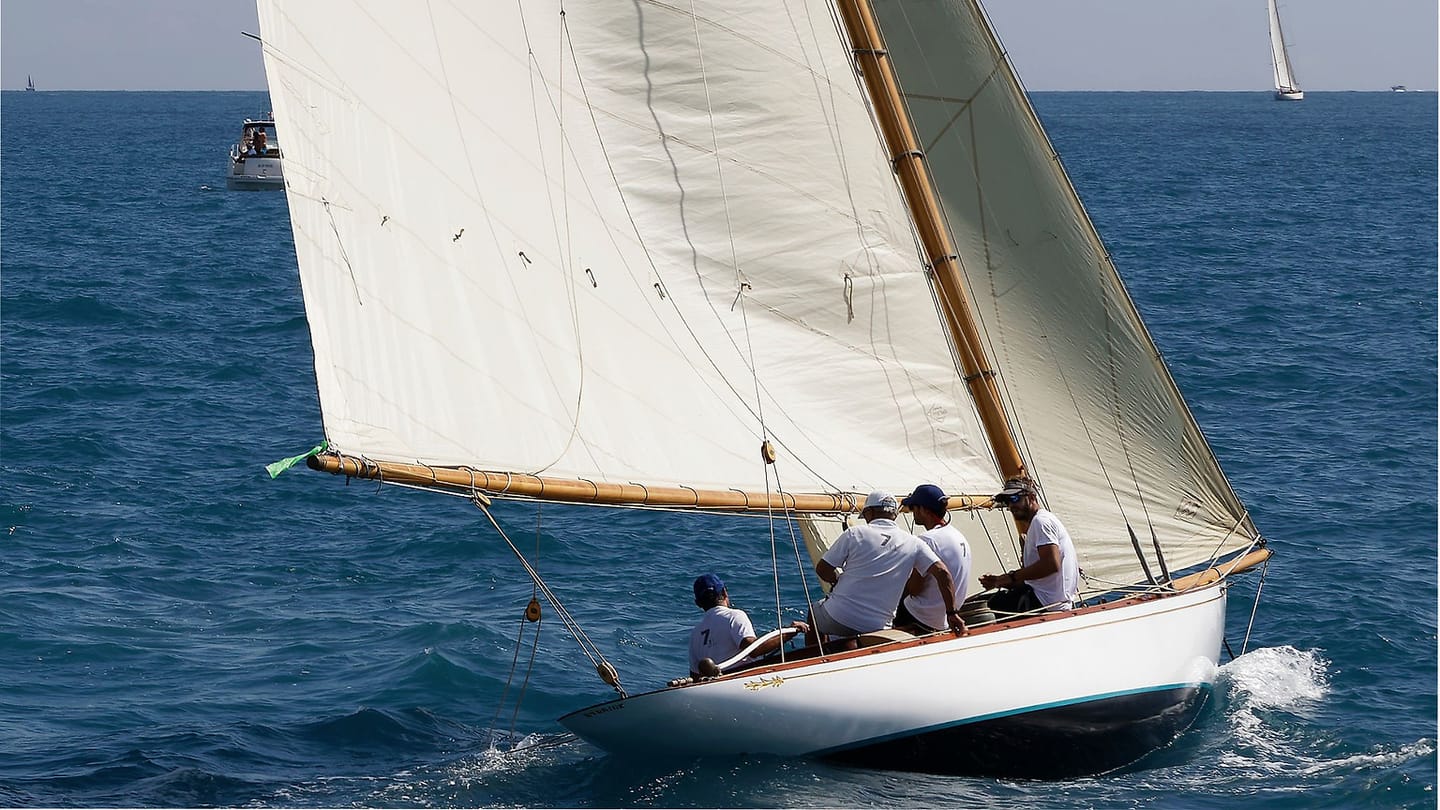
Racing gives the day a start time, course, finish, and common rules. It rewards accurate boat handling and clear teamwork because small delays are visible. Club racing may welcome beginners as crew, letting you learn one role at a time.
Competition can feel busy at first. A calm skipper should explain the job, commands, and safe movement before the start. Results matter less than learning the routine. Racing never cancels the basic duties of lookout and collision avoidance.
Ask for one defined beginner role and the commands connected to it. Arrive early enough for the safety brief and boat preparation. A crowded start is a poor time to explain where to sit or which line to handle. Good teams make the routine understandable before competition adds pressure.
A first race day has a repeatable structure of its own: arrive for the safety brief and boat preparation, learn one role and its commands, watch the pre-start sequence from that role at reduced pressure, then debrief afterward on what the team would repeat next time. Results are a poor measure of a first race. Whether you understood your job and stayed safe through the start line is the more useful question to ask yourself.
The most common beginner mistake in racing is trying to learn every role in one afternoon. A calm skipper assigns a single job, such as trimming one sheet or calling time to the line, and keeps a beginner on it for several races before adding a second. Ask directly whether that is the plan. A program that rotates newcomers through unfamiliar jobs during a live start is teaching less than it appears to.
Choose Your Start
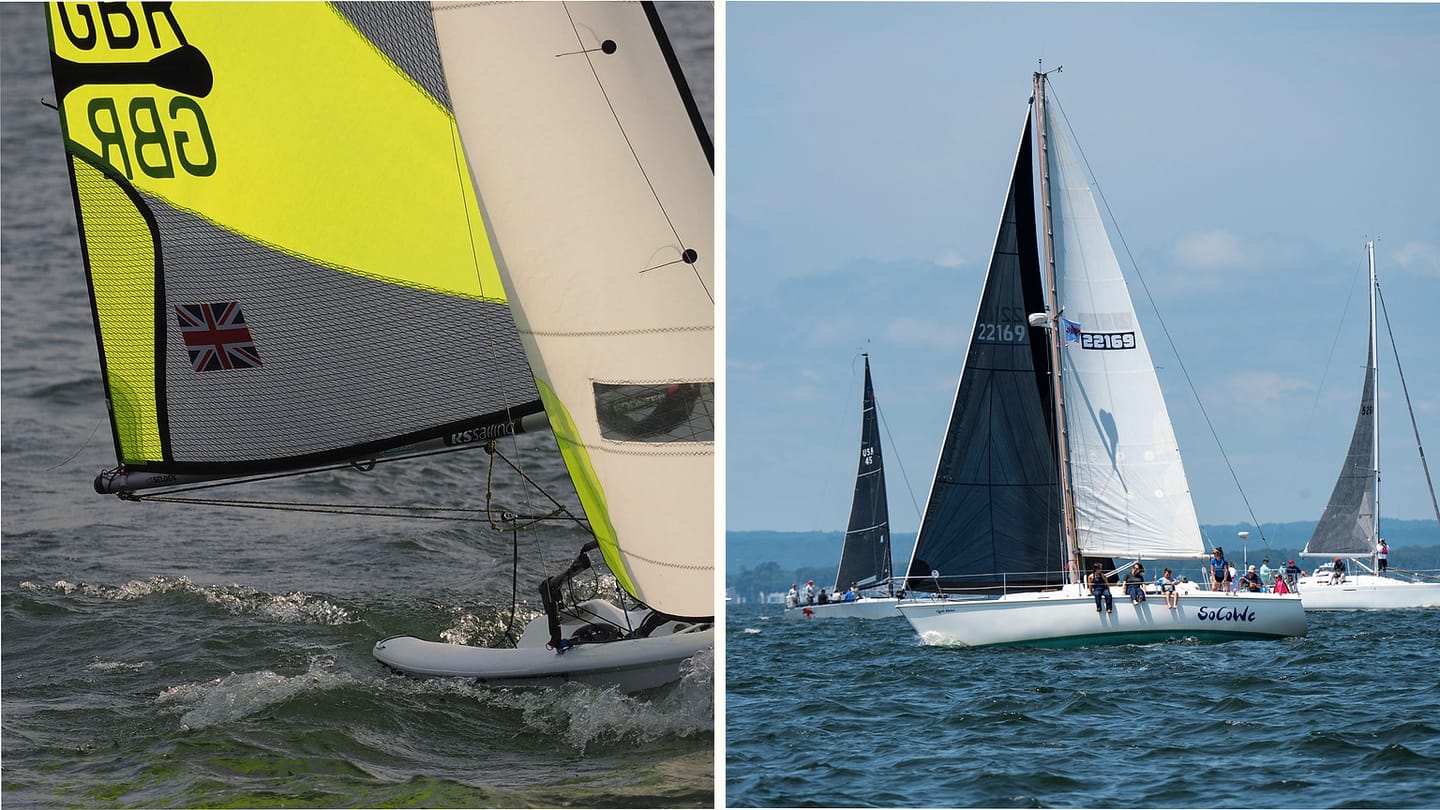
Choose the route you can repeat. Day sailing fits short blocks of time. Cruising suits people drawn to travel and onboard life. Racing suits those who enjoy a shared goal, feedback, and regular team practice. Local access may decide more than preference.
Try each through a taster, club crewing place, or course. Ask what equipment and experience are supplied. Your first choice is an experiment, not a permanent label.
Compare local opportunities with the same questions: boat supplied, supervision, session length, expected commitment, and total cost. A style that looks cheapest may require equipment or travel you do not have. The best starting route is often the one with a clear next booking and people prepared to include you.
If a taster still leaves you undecided, ask three concrete questions of any local option: how many of the next six outings will you realistically attend, who is teaching or skippering, and what happens if weather cancels a session. An option that answers all three clearly is usually a better bet than one that only sounds appealing. The boat itself matters too. Read what size sailboat suits a beginner before assuming a bigger or smaller boat will settle the choice for you.
SailStarter's boat-choice lesson can turn curiosity into a practical first step. Write down the time you can give sailing each month, whether you prefer a team or a quieter outing, and whether travel or competition motivates you. Then match that brief to real local boats and sessions. Choose the path that offers repeated, supported time afloat. Once the basic actions become familiar, try another style. The transferable skills will make the differences more interesting rather than more intimidating.
After three sessions, review what held your attention. You may enjoy the concentration of trimming for a race, the self-contained planning of a short passage, or the simple practice of a day sail. Keep the parts that work and try another route for the parts that do not. Sailing styles are options, not tribes.
A question worth answering honestly before you book anything: do you want sailing to fit around a busy week, or do you want a week built around sailing? A day sail answers the first. A cruise answers the second. Racing sits between the two, asking for a regular weekly slot rather than a whole holiday. You can revisit the answer as your life changes, since the boat-handling skills you build in one style stay useful in the others.
Try it from the lesson
Can you spot the next move?
A wide sailboat glides past on two side-by-side hulls, barely leaning at all. What type is it?
Why you can trust this guide
. We build each guide from public seamanship and safety sources, then teach the universal principle before any local difference.