Chart your course
The True Cost of a Cheap Sailboat
Quick answer
The short version
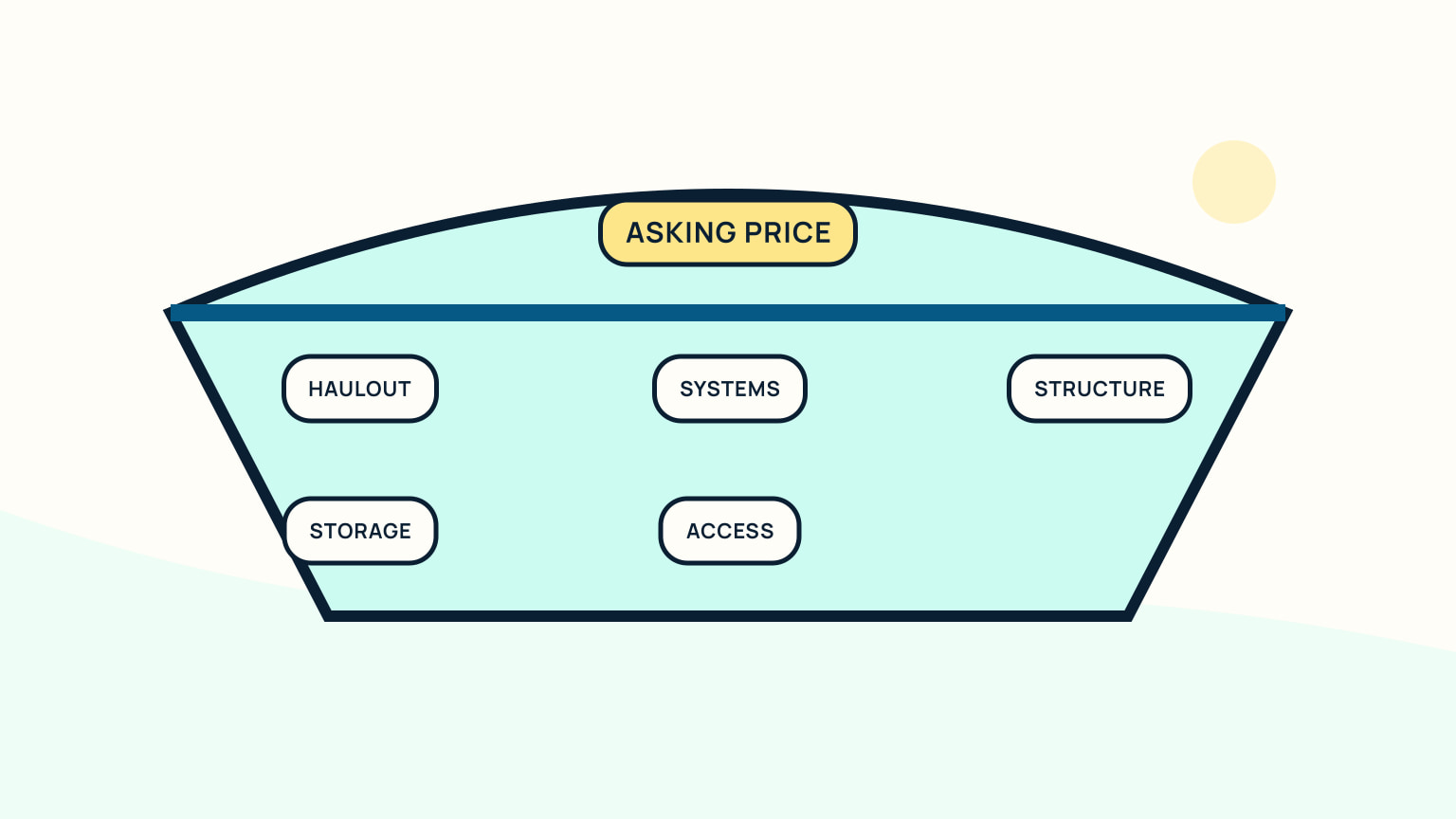
The true cost of a cheap sailboat is the asking price plus the work, access, storage, and time needed to reach your first safe and useful season. A low price can be honest when the boat is simple, documented, and suited to your plans. It can also hide an overdue haulout, water intrusion, engine or rig work, inaccessible tanks, degraded wiring, missing sails, and months of storage. Do not estimate from age or length alone. Define the finish line, inspect condition, obtain an independent survey where appropriate, price specialist findings, and compare the completed total with a boat already close to that condition.
Cheap is a transaction word, not a condition report. The right question is whether the boat's known and unknown work fits your money, skills, access, and calendar. A dull finish may be mostly labour. Soft structure or a tank trapped behind joinery can change the project by thousands of decisions, even when you avoid quoting a universal number. The project versus sail-ready comparison helps test your preferred starting point; this guide shows how to build the cost side honestly.
Read the asking price carefully
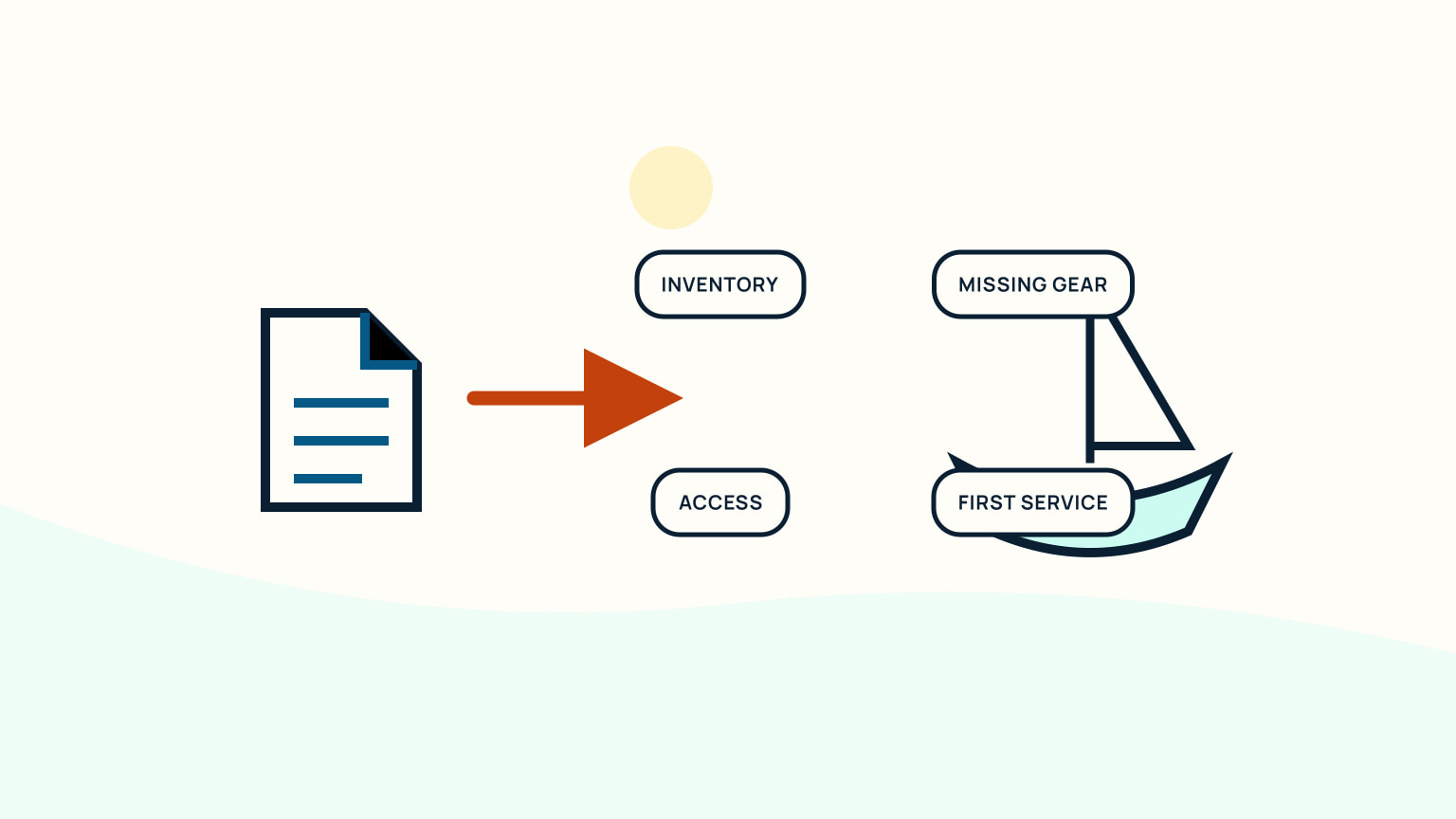
Start by identifying what the price includes. List sails, engine, tender, electronics, ground tackle, safety equipment, cradle or trailer, spare parts, manuals, and transferable berth or storage arrangements only when the seller confirms them in writing. An attractive inventory has no full value until you know condition, compatibility, and whether the item belongs in the sale.
Ask why the boat is priced below comparable candidates, but treat the answer as a lead. “Needs cosmetic work” should produce specific photographs and access. “Engine runs” should lead to service records and a properly arranged trial. “Recently refitted” should connect to invoices, model numbers, dates, and the actual work performed.
Add immediate transaction and ownership costs beside the price: inspection, haulout, specialist checks, transport, storage or berth, insurance, registration or tax where applicable, and the first planned service. Verify current local rules rather than importing another buyer's paperwork assumptions.
Compare sale terms as well as numbers. A boat that must leave its berth immediately can create transport and storage pressure before you understand the work. A cradle that fits only one yard or an engine that cannot be demonstrated changes your inspection plan. Ask when fees begin, who bears risk during survey and haulout, and what happens if a condition in the agreement is not met. Verify the local document and deposit process. These practical terms can make a slightly higher-priced boat with orderly access and records cheaper to complete than a lower offer surrounded by rushed decisions.
Inspect condition and records
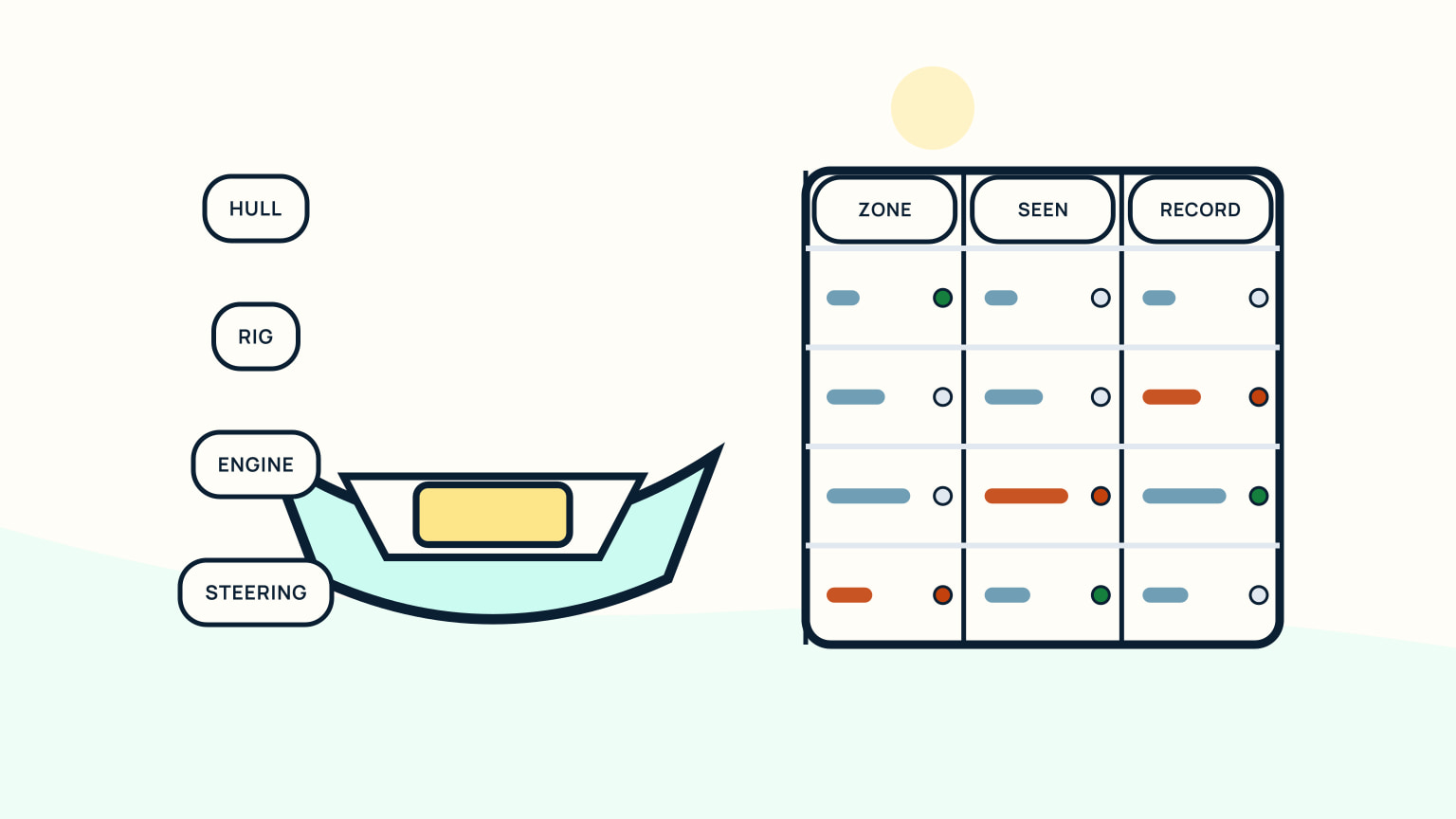
Condition matters more than the romance of age. Begin with visible structure, water ingress, hull and deck, steering, rig, propulsion, fuel, electrical installation, plumbing, and evidence of previous repair. Check that systems are accessible enough to inspect. Missing access is itself a cost driver because later diagnosis or replacement may require dismantling finishes.
Records help you distinguish a maintained older boat from a freshly cleaned unknown. Match invoices to installed model and serial numbers. Look for continuity rather than one recent receipt. A complete file does not prove perfect condition, and missing records do not prove failure, but each gap changes how much evidence you need before relying on the system.
Make observations without diagnosing. Photograph staining, corrosion, cracks, movement, hose condition, wiring, bilge debris, and fluid traces. Record where and when you saw them. Bring that list to the surveyor or relevant specialist so the inspection addresses your real concerns.
Look at systems together. Water staining below a chainplate may involve deck sealing, structure, rig load, interior finish, and access. A fuel-tank concern may affect cleaning, filters, hoses, engine reliability, and removal of joinery. Budgeting only the cheapest visible component misses the connection. Ask the surveyor which finding needs a specialist and what must be opened to settle it. Preserve uncertainty where inspection is limited. A seller's permission to remove a panel can be worth more than another wide photograph because it changes what the survey can actually see.
Price access before projects
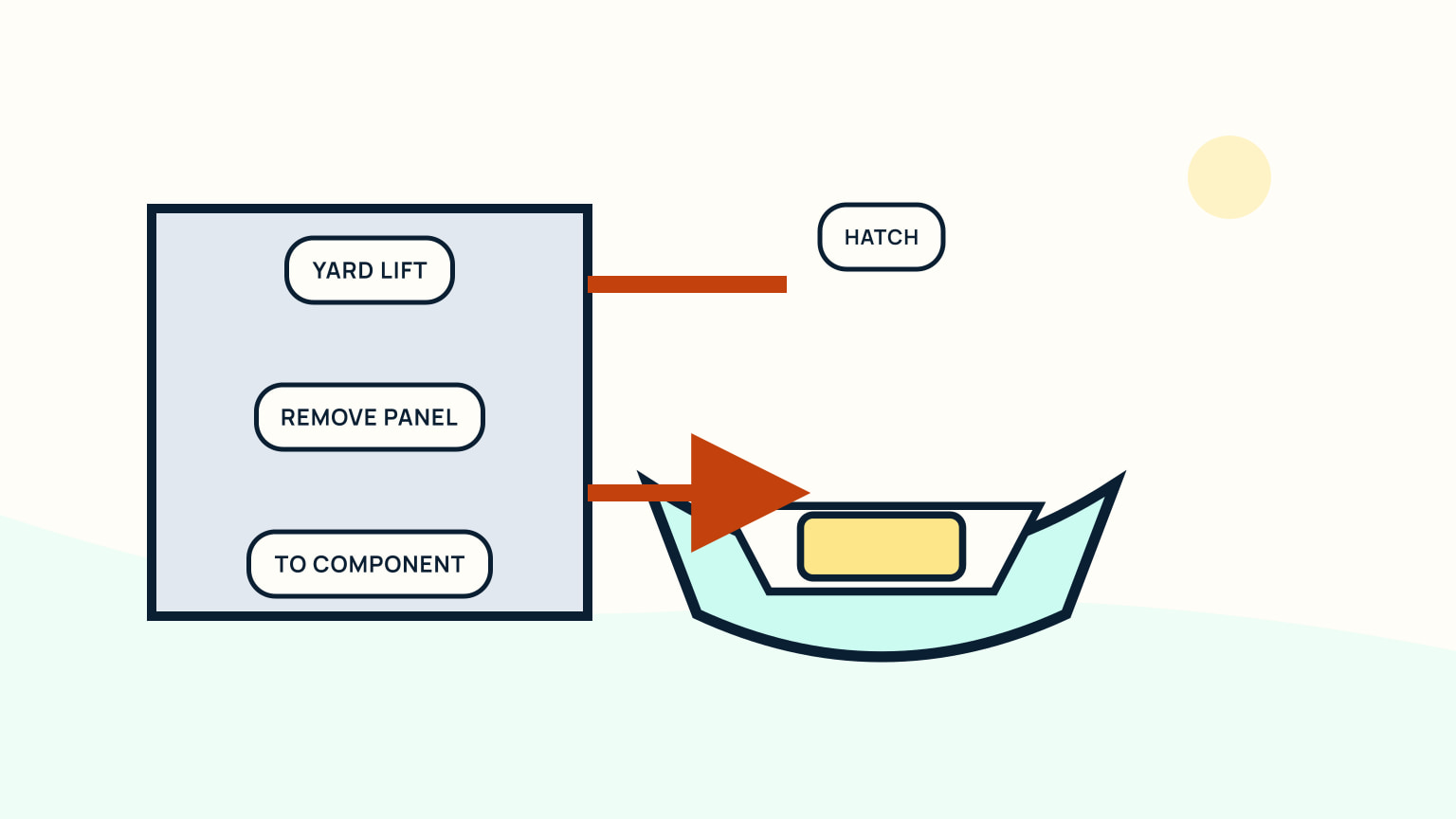
Many repairs cost more because of where the component lives. Ask how the boat reaches the work site, who can lift it, whether the mast must come down, what panels or furniture block service, and how a replacement tank, engine part, battery, or shaft component can leave the hull. Price the path as well as the part.
Build the refit by system. Include yard access, haulout, storage, labour, materials, disposal, commissioning, and follow-up testing. If you plan owner work, include tools, protective equipment, travel, workspace, and the time during which the boat cannot be used. Keep quotations separate from allowances based on uncertain condition.
Sequence inspections that can change the project. Structural integrity, water intrusion, steering, propulsion, rigging, and required safety work come before finish and comfort. There is little value in buying upholstery for a boat whose deck, rig, or engine scope remains unknown.
Map dependencies between projects. A tank replacement may require electrical isolation, plumbing removal, carpentry, lifting, finish repair, and recommissioning. Replacing standing rigging may expose chainplate work that needs interior access before cabinetry is restored. If two jobs share access, sequence them deliberately. If they only happen to be nearby, combining them may create clutter and delay. Ask each trade what condition the boat must be in when they arrive and what they leave for the next person. Idle yard days between trades belong in the budget.
Use a survey and trial wisely
For many boats, an independent pre-purchase survey combines an afloat inspection, an out-of-water look, and a trial run. Each stage answers different questions. The haulout exposes hull and underwater gear. The trial shows systems operating under use. A general survey may still exclude detailed engine diagnostics or an aloft rig inspection, so arrange specialists when those systems carry significant cost or concern.
Choose the surveyor yourself and agree the scope and exclusions before the day. Make the boat accessible. Bring your questions, take notes, and ask what evidence would resolve an uncertain finding. The report can support a repair budget, a renegotiation, or a decision to leave.
Do not treat a short successful run as proof that hidden structure and every installed component are sound. Equally, do not turn every survey note into a catastrophe. Read findings by consequence, timing, access, and the recommended next action. The used-sailboat inspection checklist can help you prepare without replacing professional work.
Prepare the boat and timetable so the inspection can work. Compartments should be clear, batteries available, fuel and cooling systems in an agreed condition, and the haulout slot coordinated. Ask who operates the boat and what weather or tide limitation could shorten the trial. If a test cannot happen, record it as an exclusion rather than assuming a dockside observation is equivalent. Review the written report before the acceptance deadline. Leave time to ask questions and obtain important quotes; a condition that expires the morning after survey gives little room for an informed choice.
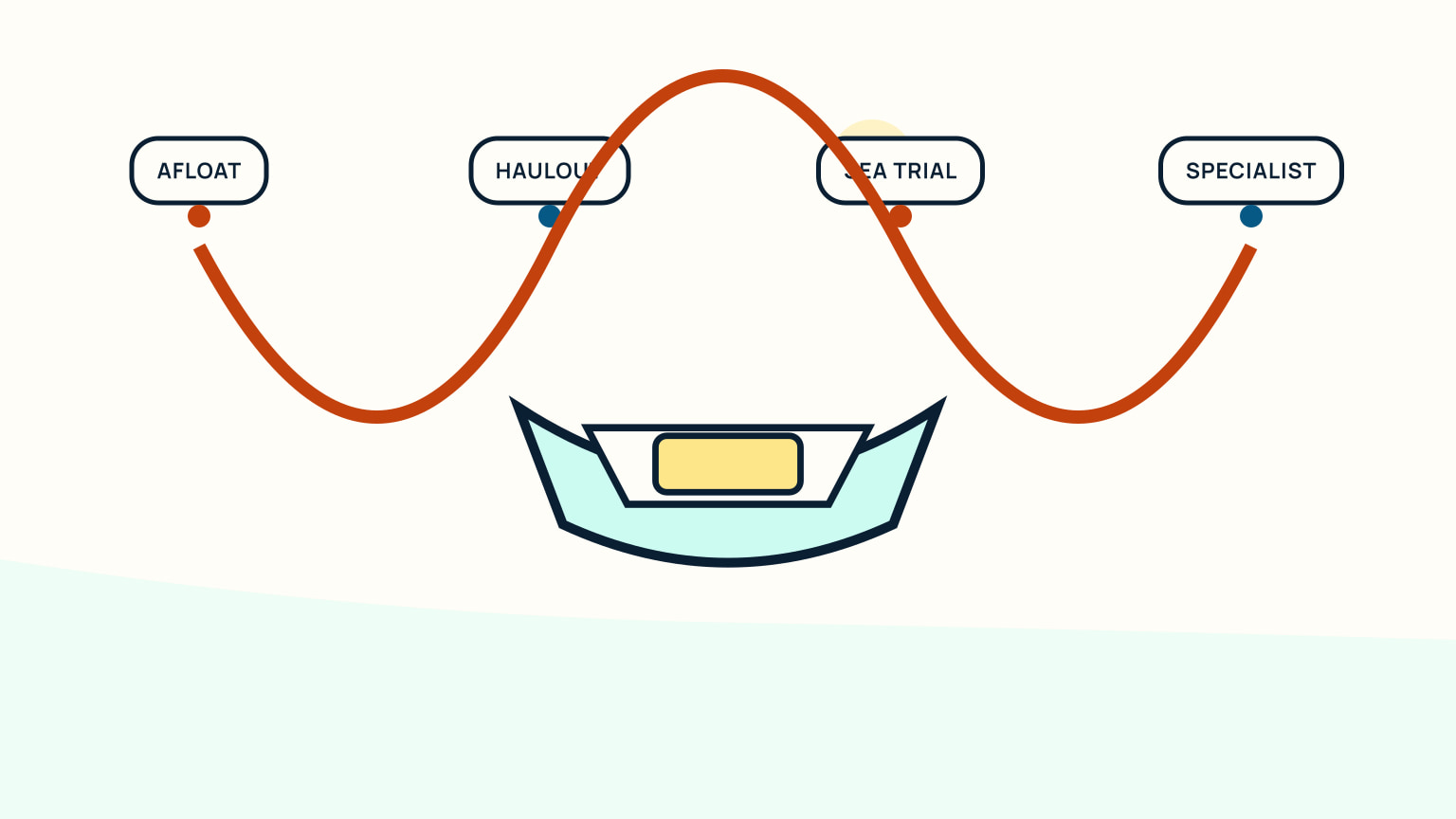
Decide what can wait
Create three lists after the inspections. The first contains work required before launch or normal use. The second contains monitored work with a clear review date. The third holds comfort, appearance, and optional upgrades. Give every item an evidence source, cost, access requirement, owner, and completion test.
Now price delay. Storage continues while the boat is apart. A missed operating season may matter if sailing time was the reason to buy. Parts availability, yard calendars, and specialist queues can stretch a technically simple repair. If your plan depends on finishing every weekend for months, test that assumption against work, family, weather, and access.
Compare the purchase plus first-season work with a better-documented alternative. Keep a separate contingency for named uncertainties. If the project consumes all available cash before those gaps are resolved, the low price is not protecting you.
Give monitored items a trigger. A dry stain might be photographed after each heavy rain. A component with known wear may need review after a stated number of operating hours. A survey recommendation may call for a specialist before a particular type of trip. The trigger keeps “monitor” from becoming “forget.” For optional work, record the benefit you expect. If an upgrade does not support the first-season job, delay it until the boat has proved what the crew actually needs. Early use often changes priorities more effectively than another catalogue.
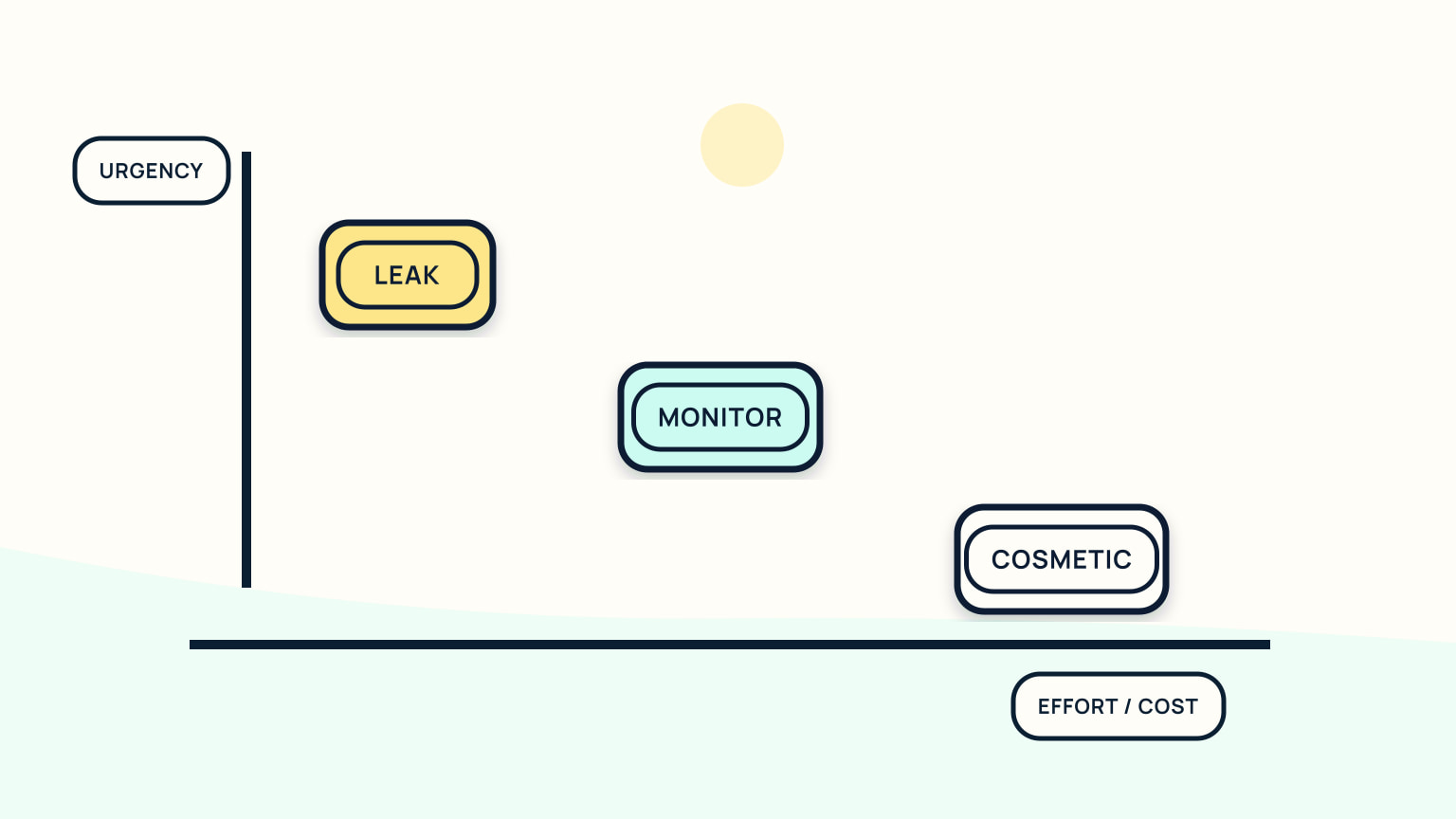
A cheap boat can still be a sound choice when its finish line is small, the condition evidence is clear, and you want the work itself. Write the first-season scope before making the offer, then price the access and uncertainty with the same care as the obvious parts. For a fuller ownership model, use the boat-size maintenance budget. SailStarter lessons can help you identify systems and ask sharper questions, while the surveyor, yard, and installed manuals provide the boat-specific answers.
Try it from the lesson
Can you spot the next move?
A wide sailboat glides past on two side-by-side hulls, barely leaning at all. What type is it?
Why you can trust this guide
. We build each guide from public seamanship and safety sources, then teach the universal principle before any local difference.