Chart your course
Do You Need a License to Sail a Boat?
Quick answer
The short version
You may need proof of boating competence to operate a sailboat, but the answer depends on where you sail, the operator's age, and whether the boat has a motor. There is no single worldwide sailing license. In the United States, recreational education requirements are mainly set by each state, territory, or District of Columbia, so the rule can change across borders. In Canada, anyone operating a pleasure craft fitted with a motor must carry accepted proof of competency, even when the motor is not being used. Training certificates, rental rules, boat registration, and operator requirements are separate questions. Check the current official rule for the exact water, boat, and trip before taking charge.
People often use “license” to mean several different documents. One may show that a person completed a safety course. Another may identify or register the boat. A training certificate may record sailing ability without being the legal document a local authority requires. A rental company may also set conditions beyond the law. Separating those questions makes the research much easier: first check the operator, then the boat, then the provider and waterway. The examples below explain the current U.S. and Canadian frameworks, but local rules can change. Use them as a starting point, not a substitute for an official check.
What Must the Sailboat Operator Carry?
Start with the government authority for the place where the boat will be operated. Search for the recreational boating education or proof-of-competency rule, then match it to the operator's age and the boat's propulsion. Do not rely on a marina conversation or an old forum post when an official source is available.
In the United States (US), the Coast Guard points recreational boaters to state-specific education requirements. A card that is accepted in one state may be recognized elsewhere through reciprocity, but the visiting state's rules still matter. Check the state or territory where the trip actually takes place.
In Canada, accepted proof can include a Pleasure Craft Operator Card or another form recognized by Transport Canada. The rule is tied to operating a motor-fitted pleasure craft. Keep the proof aboard when it is required, and confirm that the document you hold is accepted for your situation.

Does an Auxiliary Motor Change the Rule?
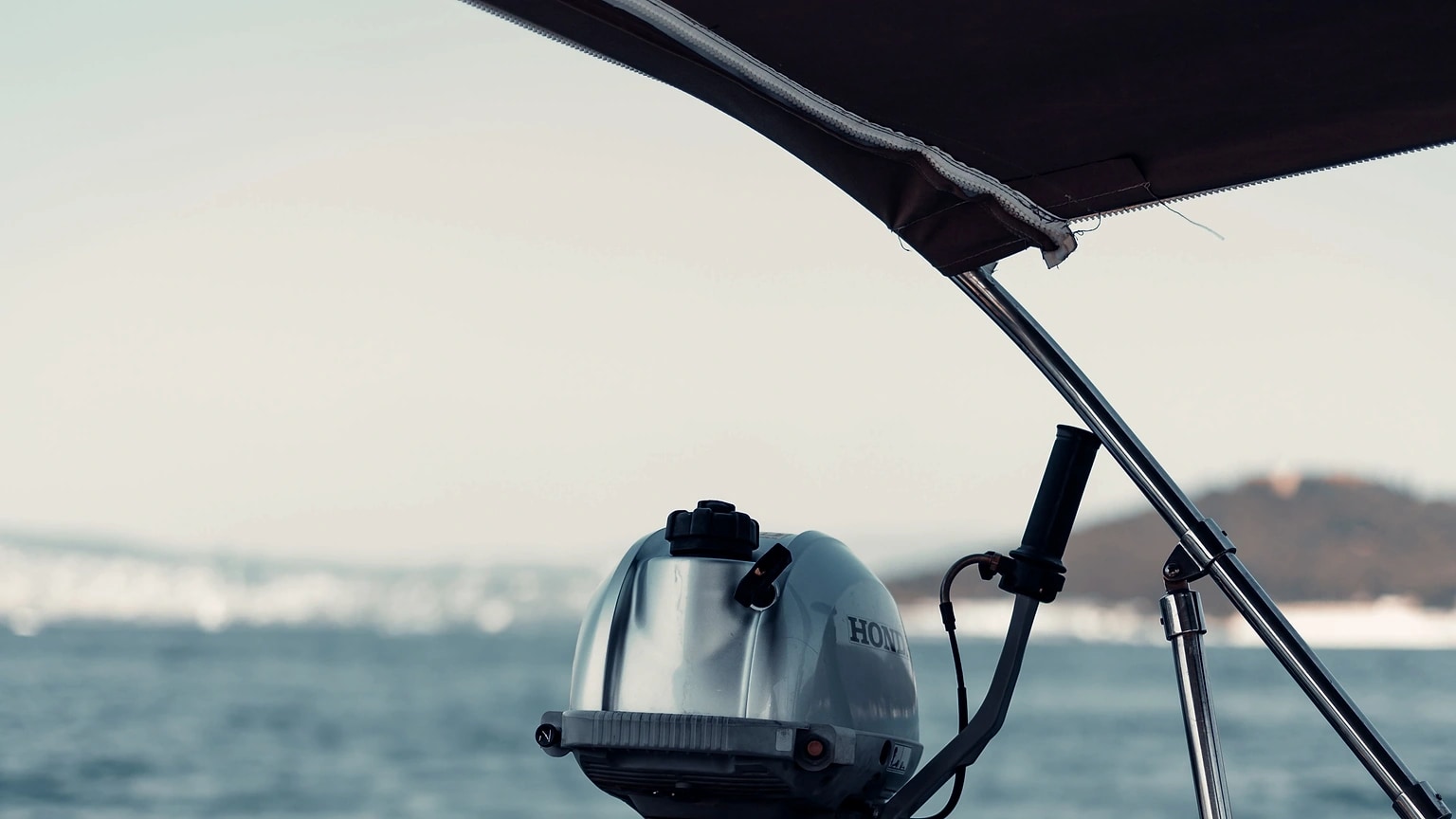
Yes, it can. Many cruising sailboats have an auxiliary engine for leaving a berth, entering harbour, charging, or moving when sailing is not practical. A rule written for motorized pleasure craft may therefore apply to a sailboat even if the day's plan is to use sails.
Canada makes this point explicit: the competency requirement applies when the pleasure craft is fitted with a motor, even if that motor is not currently operating. A sailor should not assume that hoisting the sails removes the requirement.
U.S. rules vary by state, so check how the local authority defines the covered craft and operators. Also distinguish operator education from any equipment, registration, or navigation rules that apply to the boat. The safest research question is not “Is this a sailboat?” It is “Which current rules apply to this operator using this particular boat on this water?”
Is a Sailing Certificate the Same as a License?
Not necessarily. A course certificate can show that you completed training or demonstrated a set of skills. That may help a club, owner, or rental company decide what boat you can use. It does not automatically replace a government boating card, registration, or other document required by law.
Keep the person and the boat in separate columns. For the person, verify education, competence, age, and identification requirements. For the boat, verify registration or licensing, required safety equipment, and any local operating restrictions. Then ask the school, club, charter company, or insurer what evidence it requires.
This distinction is useful even where no government sailing certificate is required. A provider can reasonably limit a rental to certain conditions or ask for practical experience. Complete beginner training for the skills and judgment it develops, not because its name sounds like universal legal permission.

What Should You Check Before Renting or Travelling?
For a rental or charter, contact the provider before arrival. Ask which operator documents it accepts, whether an on-water check is required, which waters and weather limits apply, and whether its insurance creates additional conditions. In Canada, Transport Canada recognizes a completed rental-boat safety checklist as temporary proof in the circumstances covered by that system. Confirm the current process with the provider.
When crossing a state, provincial, territorial, or national boundary, repeat the official check. Bring the original or accepted version of each required document and keep it accessible aboard. If the boat has a radio, motor, trailer, or other regulated equipment, those may raise separate questions.
Save the relevant government page before departure and note the date you checked it. Rules and web pages change. A current, location-specific answer is worth more than a confident general claim.

Ask the question with a place and activity
"Do I need a sailing license?" is too broad for a reliable answer. Name the country and local waters, boat size and type, whether an engine will propel it, whether the trip is private or commercial, and whether you own, rent, or charter. Then check the current authority responsible for those waters. A rule for one activity or vessel does not automatically apply to another.
Keep three documents separate. A government license or operator card comes from a legal requirement. A course certificate records completion of a training program. A charter provider's competence approval is a contract decision about its boat and area. One document may help with another decision, but the names are not interchangeable.
Verify before travel or payment
For a charter, ask the provider what evidence it accepts for the named skipper and whether a practical handover check is required. Confirm the answer in writing before paying. The bareboat versus skippered guide helps you compare command and support if your experience does not fit the proposed booking.
For your own boat, use the relevant official maritime or transport source. Check whether propulsion, vessel category, radio use, operating area, age, or commercial activity changes the requirement. Rules change, so a forum post or an old course page is not enough. Verify current local rules each time the place or activity changes.
Choose training for competence as well
Meeting a document rule does not settle whether you can handle the boat. Make a second list for practical readiness: preparation, weather, starting and stopping, steering, sail handling, lookout, navigation, crew communication, and first actions when something goes wrong. Get supervised practice for the tasks you cannot yet perform on the real boat.
Online study can prepare the language and decisions, as the online sailing guide explains. Practical instruction supplies feel, timing, and observed performance. This two-list approach prevents a paperwork answer from becoming a claim of skill, and it prevents useful training from being described as a government permission when it is not one.
When contacting an authority, school, or provider, save the page or written response and date it. Record exactly which boat and activity it covers. That small note makes it easier to check again when you change boats, add an engine, cross a border, or move from private sailing to paid work.
Use SailStarter to build the practical knowledge behind the paperwork, beginning with the lesson linked below. It explains how sailors identify direction and position aboard, which makes instruction and crew communication easier to follow. Then choose recognized local training and check the official requirements where you will sail. If you are in the United States, start with the Coast Guard's state boating-law directory and continue to the relevant state authority. If you are in Canada, use Transport Canada's current proof-of-competency guidance. Elsewhere, find the national or local maritime authority rather than assuming either example applies. Before taking the helm, make a four-line checklist: operator proof, boat documents, required safety equipment, and provider restrictions. Record the official source and the date checked beside each item. Good seamanship starts before departure, and knowing the rule's source is more useful than memorizing somebody else's answer.
When an official page uses terms such as recreational, commercial, powered, length, or operating area, copy those scope words into your note. They define which activity the answer covers. If your trip crosses a boundary or uses a different boat, run the check again. A saved answer without its scope can become misleading even when the source itself was correct.
Try it from the lesson
Can you spot the next move?
Your distress kit contains an orange day flag, but the sail may continue after sunset. Does that one signal cover both periods?
Why you can trust this guide
. We build each guide from public seamanship and safety sources, then teach the universal principle before any local difference.