Chart your course
First Sailboat Charter Checklist

Quick answer
The short version
For a first sailboat charter, confirm the contract, skipper acceptance, crew list, local requirements, insurance or damage terms, operating area, and emergency contacts before travel. At handover, inspect the hull and deck, photograph existing damage, count safety equipment, and test the engine, steering, sails, windlass, navigation lights, electronics, toilets, water, gas, and charging systems with the provider. Locate seacocks, bilge pumps, fire equipment, emergency steering, tools, and manuals. Record fuel, water, battery, and holding-tank status. Do not accept an unexplained alarm or missing critical item. Brief the crew before leaving the berth.
A handover is not a race to start the holiday. It is the moment when the provider's knowledge, the boat's condition, and your responsibility meet. Divide the checklist among crew, but keep the nominated skipper responsible for understanding the whole result. Use the provider's own inventory and procedures as the primary reference.
Confirm Documents and Plan
Before arrival, send an accurate sailing résumé and confirm which documents the provider and local authority require. Check passport or identity details, crew list, licences or certificates where applicable, radio permissions, contract, payment record, and emergency numbers. Verify current local rules rather than assuming a qualification accepted at home will be accepted at the base.
Read the operating-area limits, weather restrictions, return time, fuel policy, and prohibited activities. Mark safe first-night options and an easier alternative. Confirm how technical support works after hours and what to do after damage or grounding. Save offline copies of the contract, boat details, and provider contact because connectivity may fail.
Check weather sources and chart coverage expected by the provider. Download approved updates before leaving reliable service. Confirm what backups are aboard and whether they cover the operating area. The provider's geographic boundary does not replace the skipper's passage planning.

Inspect the Boat
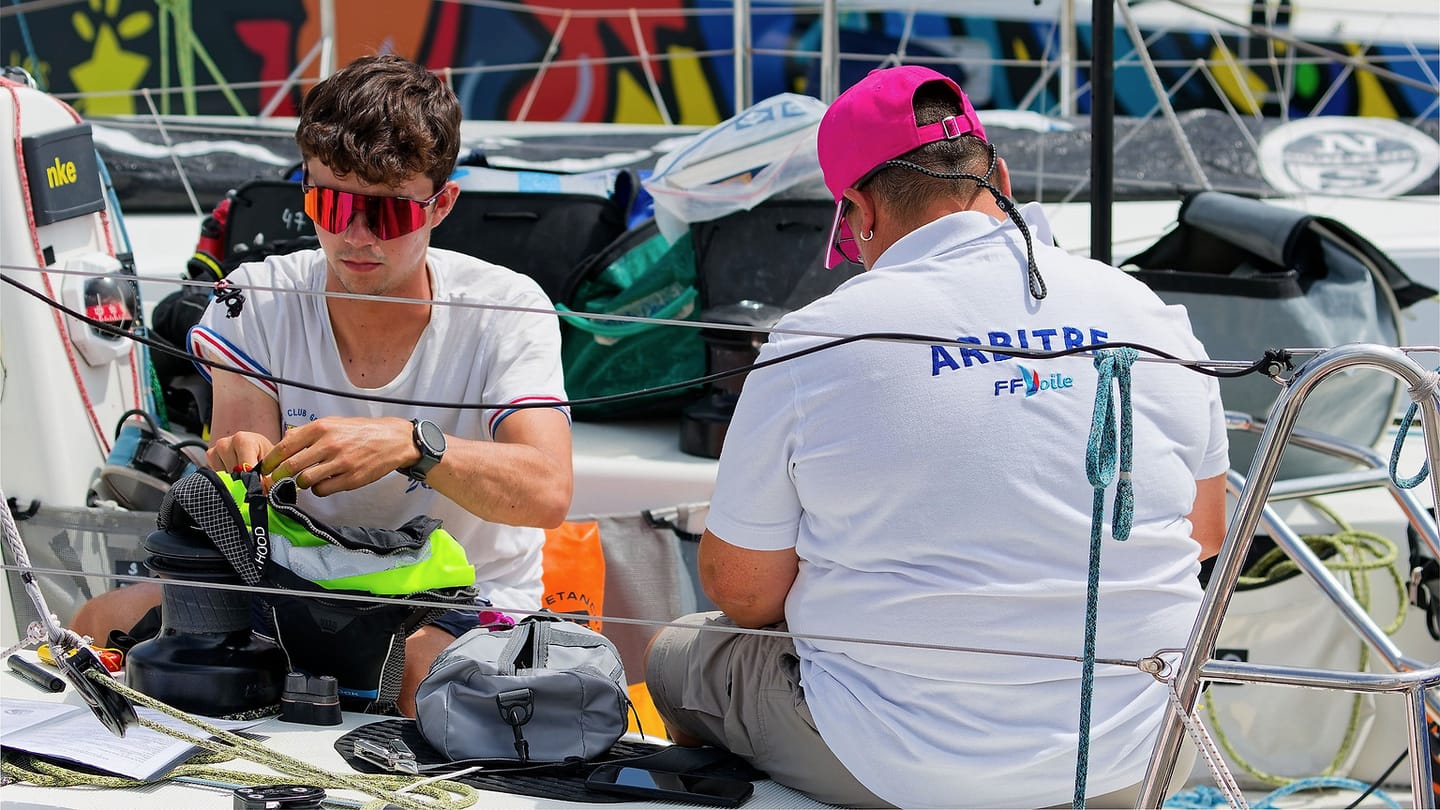
Walk around the hull, deck, rig, rails, hatches, anchor gear, tender, and outboard with a representative. Photograph scratches, chips, bent fittings, sail damage, stained upholstery, and missing inventory with time and location. Ask the provider to record every material defect on the handover form. Photographs support the written record; they do not replace it.
Count flotation devices in suitable sizes and locate distress, fire, first-aid, recovery, and emergency-steering equipment. Check expiry or service indicators where relevant. Inspect lines, fenders, winch handles, shore-power lead, tools, and spares. Open lockers deliberately so critical gear can be found in darkness without emptying the boat.
Inspect the tender and outboard as carefully as the yacht. Count paddles, pump, repair kit, fuel arrangement, kill cord, lifting gear, and lock where supplied. Ask how they are stowed under way. Tender loss can interrupt the cruise and may be treated separately in the contract.
Test Essential Systems
Start the engine with the provider and observe normal warning-light sequence, cooling-water discharge, gauges, shifting, and shutdown. Test steering and emergency steering. Hoist or unfurl sails enough to understand reefing, furling, and any damage, when conditions and the provider allow. Operate the windlass under instruction and learn its manual recovery method.
Check navigation lights, radio, plotter, depth display, bilge pumps, batteries, chargers, fresh water, stove isolation, refrigeration, toilets, and tank indicators. Trace seacocks and main electrical switches. Ask how to change water tanks, isolate gas, clear a toilet fault, and report an alarm. Do not leave with a system you cannot operate or a critical fault described only as “normal.”
Write down the normal readings demonstrated at handover: engine temperature, charging voltage, tank indicators, bilge condition, and alarm state. A later change is easier to explain with a baseline. Photograph unfamiliar panels and keep instructions available without depending on a phone signal.

Brief the Crew
Before casting off, show everyone flotation equipment, safe movement routes, fire equipment, gas shutoff, bilge alarms, radio, and how to call for help. Explain who handles lines, who keeps lookout, and where people sit during manoeuvres. Discuss person-overboard actions and how to stop the boat. Keep the first departure simple enough to learn the controls.
Record fuel, water, battery state, holding-tank state, and known defects. Agree daily engine, bilge, weather, and inventory checks. Secure loose cabin gear and close hatches as conditions require. If the crew is tired from travel, remain at the base or choose a short familiarisation trip. The contract clock is never a reason to rush an unsafe handover.
Turn the handover into a live test
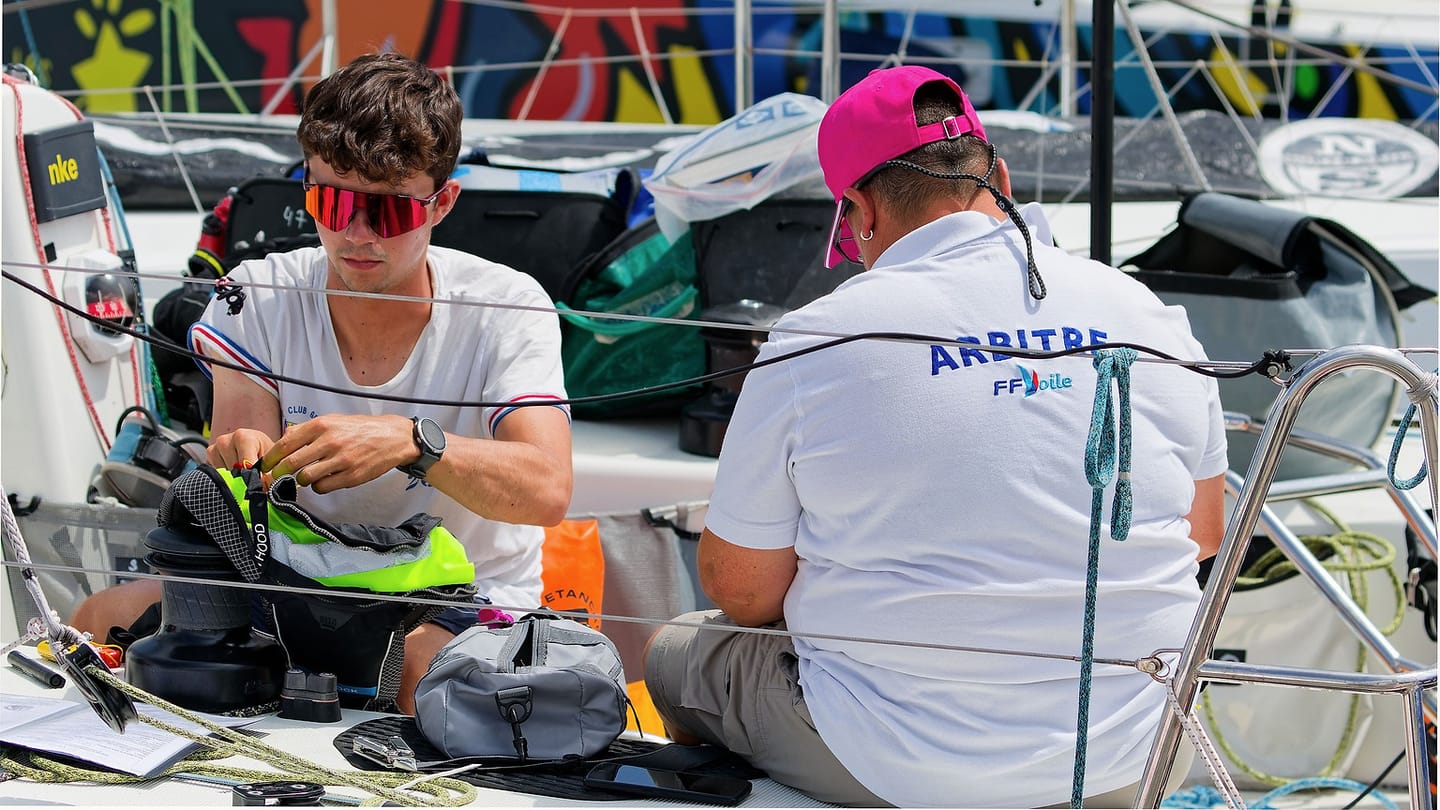
Do not only point at equipment. Operate each system the provider permits during handover and ask the representative to show the normal result. Start with steering, propulsion, sails and reefing, anchor gear, bilge pumps, electrical isolation, fresh water, heads, navigation equipment, and communications. Record any restriction or fault on the handover document before departure.
Ask where the manuals, spare parts, emergency plugs, tools, and contact numbers are kept. Photograph control panels and valve positions only when the provider allows it. A photo can help you restore the normal setup, but it cannot replace the boat's manual or the handover explanation.
Use the engine checks and bilge-water guide to prepare questions for systems that often feel unfamiliar to first-time charter crews.
Rehearse the first departure and return
Walk through the marina exit on the chart and from the dock. Identify the turn, shallow areas, traffic, wind effect, and a place to pause if the crew is not ready. Prepare lines and fenders for the actual berth. Agree on commands and a stop plan. Nobody should need to guess whether a line is being released or held.
Plan the return before leaving. Ask how the base wants to be contacted, where fuel is handled, and what time or weather limits apply. Note an alternative waiting place if the berth is occupied. The docking guide gives you a calm approach sequence to review with the crew.
Make the first day deliberately short
A short first leg gives the crew time to learn the boat while the base and daylight are still available. Test steering, stopping, sail controls, reefing method, anchor setup, and crew movement in suitable water. If something is unclear, contact the provider before the boat is far away.
Keep the route inside the agreed operating area and current local requirements. Compare the latest official forecast with the whole route and crew. A charter schedule is not a reason to continue into conditions or an approach that no longer fits.
Close the checklist at the end
Each evening, record fuel, water, battery state, bilge condition, faults, and the next day's plan. Report problems through the contract process instead of making an unapproved repair. Before checkout, return equipment to its agreed place, remove waste, note fuel and damage honestly, and keep copies of the signed records.
The checklist works when it creates shared knowledge. Every adult should know the route, roles, safety briefing, and how to raise help. The nominated skipper still carries command, but the crew can reduce workload by knowing where things are and what each instruction means.
Use SailStarter's pre-departure lesson to turn this guide into a boat-specific sheet. Put the yacht name and emergency number at the top, then list the actual locations of equipment and controls rather than generic boxes. Ask the provider to demonstrate unfamiliar systems and record answers. Give one crew member the inventory and another the condition photographs, while the skipper signs only after reconciling both. End with a slow departure brief and an easy first leg. A careful hour at the base protects more sailing time than an early departure followed by a preventable return.
Give each crew member a short physical tour. They should be able to point to flotation, fire equipment, first aid, emergency steering, bilge controls, seacocks relevant to their area, communications, and the safest normal way on and off the boat. Keep the explanation within the provider's briefing and the boat's manuals.
Run one spoken scenario before leaving: a line enters the water, the engine alarm sounds, the bilge pump starts, or someone feels unwell. Ask who keeps control, who looks for the cause, and who contacts the base. You are checking that all adults know command, location, and first communication.
Review the inventory against the signed list. Count items where the contract requires it and note damage with the representative. Confirm fuel and water levels, waste arrangements, return condition, and after-hours contact. These details protect both the trip and the later checkout.
Finally, set a decision time for the first-day route. If handover takes longer than planned, shorten the leg rather than rushing tests or arriving after a comfortable approach window. The boat needs to earn the crew's trust through operation, and the crew needs enough daylight to learn it.
Try it from the lesson
Can you spot the next move?
A wide sailboat glides past on two side-by-side hulls, barely leaning at all. What type is it?
Why you can trust this guide
. We build each guide from public seamanship and safety sources, then teach the universal principle before any local difference.