Chart your course
ICC Sailing Certificate Explained
Quick answer
The short version
The ICC, formally the International Certificate for Operators of Pleasure Craft, is evidence of competence in the format established by UNECE Resolution No. 40. It can help a pleasure boater show competence to officials or a hire company abroad. It is not a worldwide sailing licence, does not replace every national certificate, and does not guarantee that a charter company will release a yacht. Before travel, check four things: whether your country can issue you an ICC, what categories appear on it, whether the destination accepts it for the planned waters and boat, and whether the charter provider accepts it under its current terms.
The word “international” causes most confusion. It describes a common certificate framework, not automatic acceptance in every country. UNECE keeps country information, but each administration decides how it applies the resolution. A useful check therefore begins with your issuing authority and ends with the destination authority and provider. Advice from a forum, an old charter, or a friend's different passport is not enough.
Understand What the ICC Actually Shows
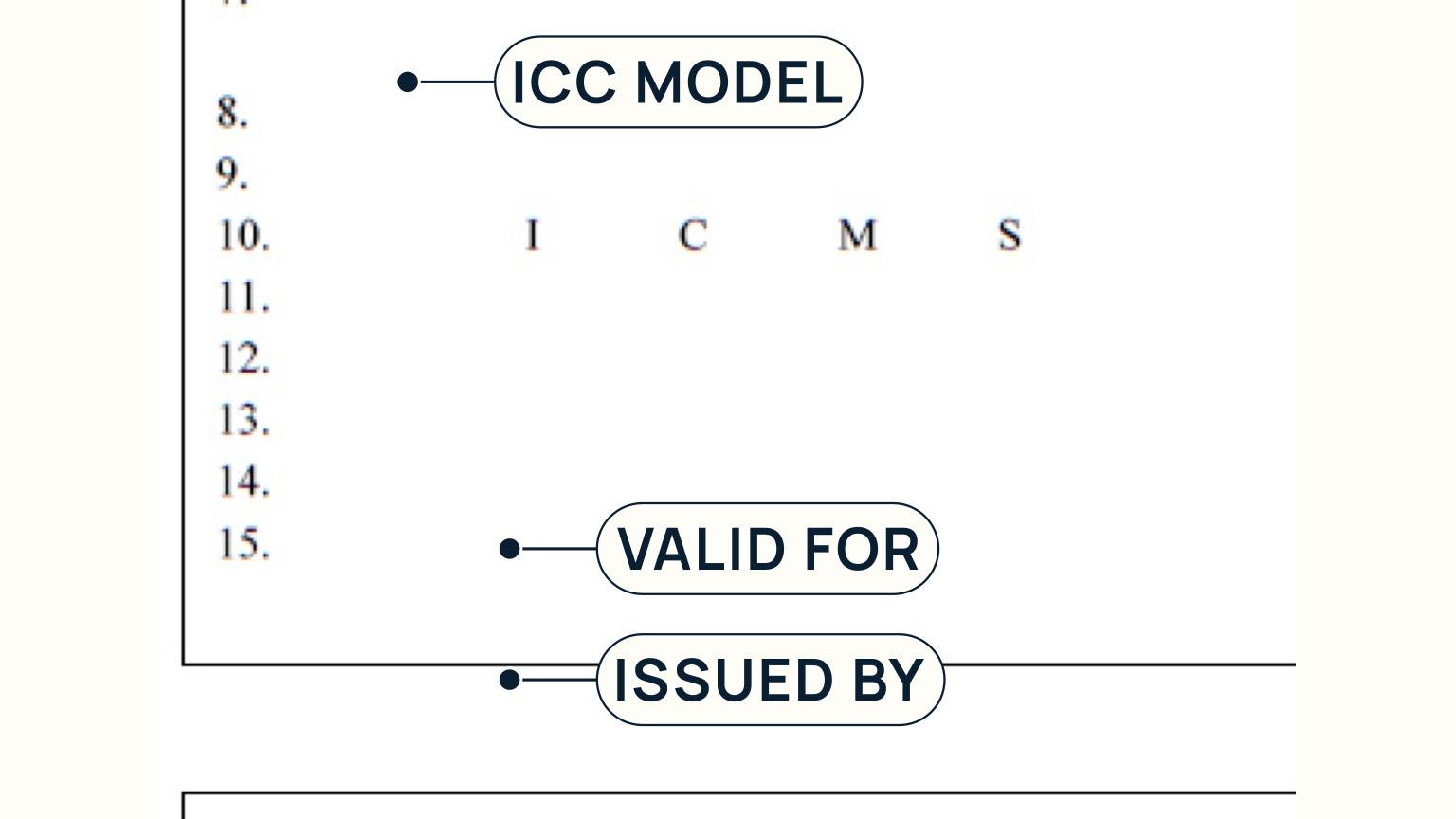
Resolution No. 40 gives administrations a recognizable way to record pleasure-craft competence. The certificate can show permitted craft and water categories according to the issuing process. It provides evidence to present when another country asks. This helps a local official interpret the standard format more readily than an unfamiliar club card or course receipt.
The current UNECE framework is Revision 5, adopted on 31 October 2025 to replace Revision 4. That date matters when you search online because older explanations may describe a previous text or country list. Use the current resolution and country database rather than copying a list from an undated travel page.
An ICC records a defined competence route; it does not promise mastery of every yacht, sea area, or condition. A coastal sailing endorsement does not make inland requirements disappear, and a motor category is not the same as sail. Read the entries on your own document. If the intended boat or waters do not match, ask the issuing body what assessment or evidence is needed.
Do not confuse the ICC with a passport for boats, vessel registration, radio authorization, insurance, or a commercial mariner credential. Those documents answer different questions. A charter may involve several of them. Keep a document list for the actual trip rather than expecting one card to cover the whole booking.
Check Issue and Acceptance Separately
Europe and UK checks are different jobs
Europe: use the current UNECE record as a starting point, then check the visited country's authority for the exact coastal or inland use. “Accepted” may still carry conditions. UK: use the RYA's current ICC pages to determine whether you are eligible and whether existing evidence or an assessment applies. A UK issue route does not answer acceptance abroad. Keep these two questions on separate lines in your notes so a reassuring answer to one is never mistaken for the other.
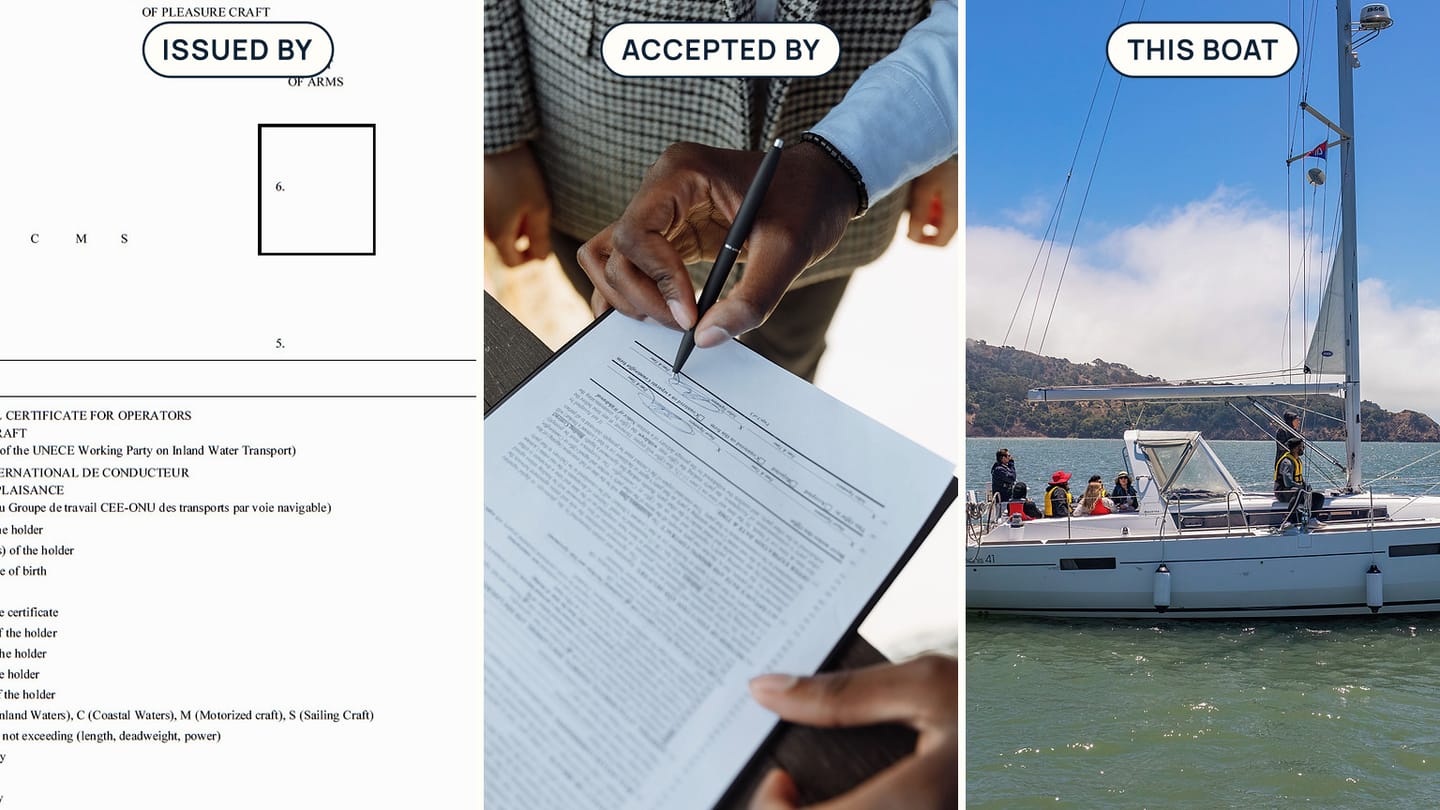
The first question is whether an authorized body can issue an ICC to you. Eligibility can depend on nationality or residence and the arrangements made by the issuing country. You cannot safely assume that a school in another country may issue one to any visiting student. Ask the authorized national body and provide your nationality, residence, existing certificates, and intended craft.
The second question is acceptance. UNECE guidance is explicit that the ICC is not a global qualification. Even within Europe, the issuing country and visited country determine validity. A country may apply different conditions on coastal and inland waters. It may require another local document or recognize different categories. Look up the current country record, then confirm with the official authority for the waterway.
The United Kingdom example is useful only when labeled. The RYA administers the UK ICC route and publishes current eligibility, qualifying certificates, and assessment options. A UK applicant may qualify through accepted evidence or an ICC assessment, depending on the requested category and current rules. That route cannot be copied as a universal process for residents of other countries.
Carry the original if the authority or charter base requires it, and check its validity well before departure. Names should match travel and booking documents. A scan stored securely can help if papers are lost, but it may not satisfy an inspection that calls for the original. Verify current local rules rather than relying on a digital copy by default.
Do Not Treat It as a Charter Guarantee
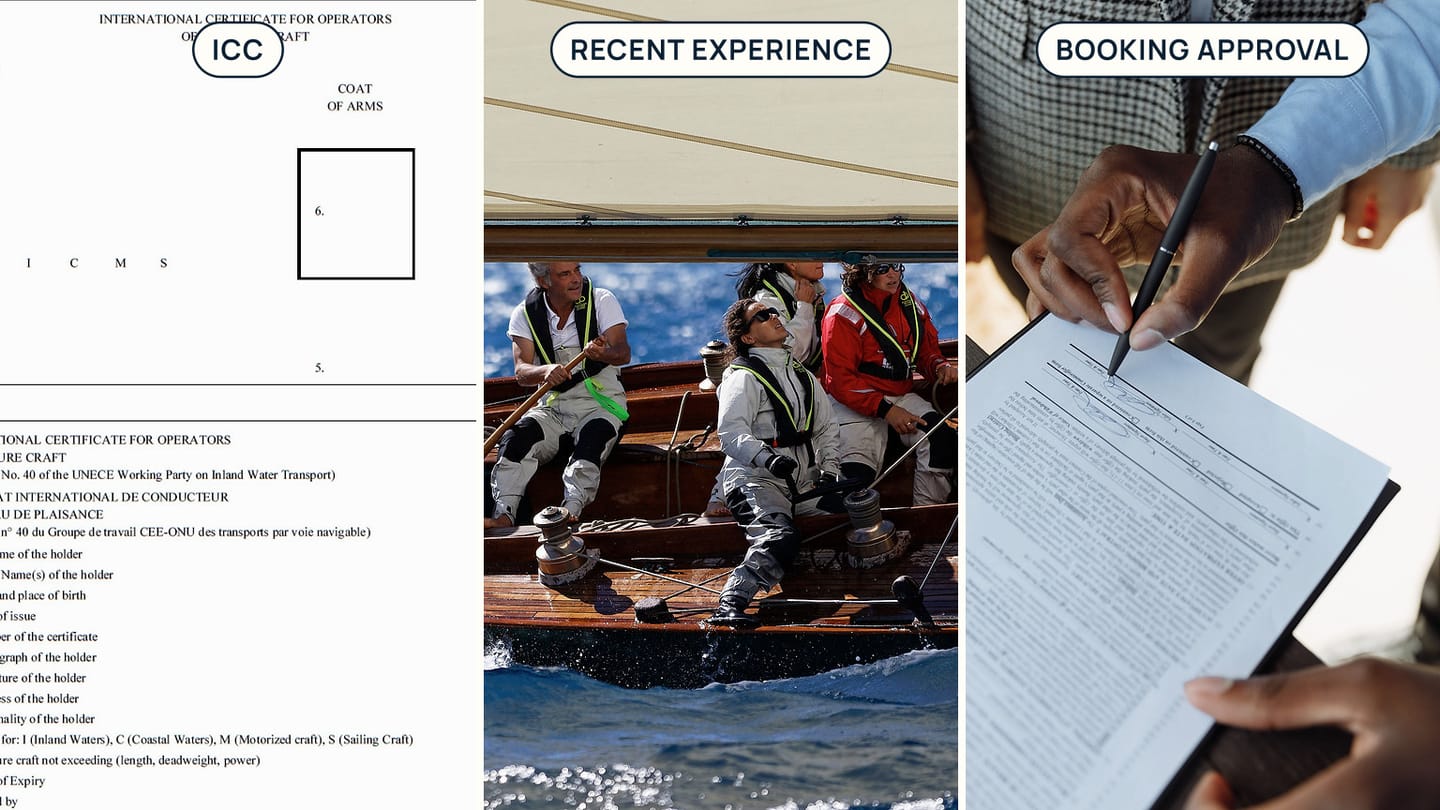
UNECE guidance answers this directly: an ICC does not entitle its holder to charter a boat. A charter company can decide that the certificate is insufficient evidence for a particular yacht or sailing area. It may ask for a sailing resume, another certificate, a second experienced crew member, or a practical checkout. It may offer a smaller boat or require a hired skipper.
This makes sense when you separate paperwork from operational risk. A person may hold the right category yet have little recent practice. A larger catamaran, crowded stern-to berth, tidal stream, or unfamiliar navigation problem may differ greatly from the assessment boat. The provider needs confidence that the proposed skipper and crew can handle its property in the booked area.
Contact the company before paying a non-refundable amount. Send clear copies of relevant certificates and an honest resume that lists recent skippering, boat types and sizes, waters, distances, and docking experience. Ask for written approval of the named skipper, yacht category, base, and dates. “ICC accepted” on a general page is less useful than approval for your booking.
If approval depends on a practical checkout, ask what happens if the assessor is not satisfied. Possible outcomes and charges belong in the written terms. A hired skipper can be a good solution, but it changes space, provisioning, cost, and command aboard. Read charter insurance explained as a separate check; a competence document does not define damage exposure.
Build a Reliable Pre-Travel Document Check
Questions worth sending in one email
Ask the charter company to confirm the certificate category, issuing country, named skipper, yacht model, base, and cruising dates. Ask whether a radio certificate, second competent person, original document, or translation is also needed. Request the deadline for approval and the remedy if the base later requires a checkout. A detailed written reply is easier to rely on than a phone conversation remembered differently by two people. Recheck if you change the yacht, skipper, or destination.
Renewal and replacement deserve early attention too. Inspect the name, categories, and validity on the document you already hold. If anything is wrong, contact its issuer. Do not alter a scan or assume an old certificate remains valid because the physical card looks official. Your travel plan should allow enough time for the authorized body to answer.
Start with the boat and route, not the certificate. Record the country, coastal or inland waters, yacht type, propulsion, dates, and charter company. Then consult the issuing authority, UNECE country information where relevant, the destination's official authority, and the provider. Save dated copies of the answers and terms.
Make four columns in your trip notes: personal competence, vessel and charter papers, radio or communications documents, and travel or insurance papers. Put each requirement in the correct column. This exposes gaps that disappear when everything is casually called a “licence.” Confirm whether originals, translations, photographs, or advance uploads are needed.
Allow time for questions. An application, replacement, category addition, or assessment may not fit into the week before departure. The same applies if the charter company asks for stronger evidence of recent experience. Training chosen in a rush can produce the wrong certificate and little useful practice.
Once approved, keep preparing as a skipper. Study the cruising limits, local charts and notices, weather services, expected mooring methods, and emergency contacts. Complete the base handover carefully with the first-charter checklist. The ICC answers only one part of readiness. It cannot inspect the yacht, brief the crew, plan the passage, or make a conservative weather decision.
If you are still building experience, consider a course followed by regular crewing before an independent charter. The adult starting guide shows ways to get practical time without buying a boat. A later charter will be easier to approve and much less stressful when the paperwork is backed by recent, relevant handling.

Use SailStarter to review the seamanship behind the documents: boat systems, crew briefs, weather, navigation, docking, and emergency actions. It is preparation for learning and practice, not an issuing authority. Keep the official checks with the bodies that make the rules and the company supplying the yacht. If you remember one point, make it this: an ICC is useful evidence with a defined scope. Verify who may issue it, who will accept it, and what else the particular trip requires.
Try it from the lesson
Can you spot the next move?
A wide sailboat glides past on two side-by-side hulls, barely leaning at all. What type is it?
Why you can trust this guide
. We build each guide from public seamanship and safety sources, then teach the universal principle before any local difference.