Chart your course
How to Start Sailing Without Owning a Boat
Quick answer
The short version
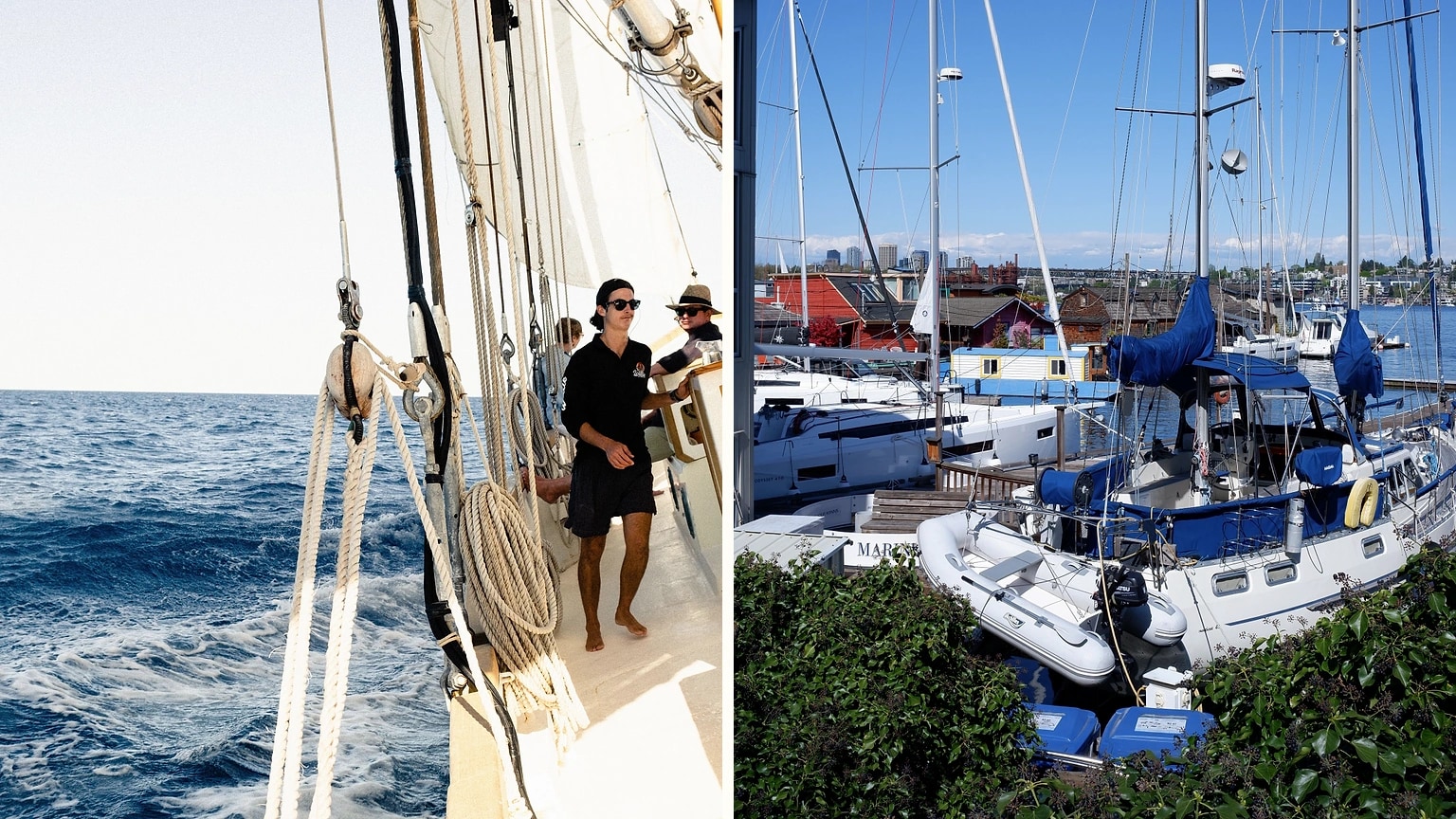
You do not need to own a boat to start sailing. Book a beginner taster or practical course through a recognized school or club, then ask how learners keep sailing afterward. Many clubs provide training boats, shared access, social sailing, or ways to join an experienced crew. Once you have suitable skills, a rental or formal shared-ownership arrangement may offer more access without buying alone. Use online lessons to learn basic language and prepare for the next task, but develop steering, sail handling, and judgment through supervised time afloat. Before paying, confirm what equipment is included, how much time is actually on the water, any operator requirements, and the route from the first session to regular practice.
Buying too early can solve the wrong problem. A boat gives you an asset, but a beginner first needs instruction, people, suitable conditions, and repeated opportunities to participate. Access through a school or club lets you try different boat types and learn what the work around sailing involves. It also keeps your first decision small and reversible. The strongest route is not the one with the most impressive boat. It is the one that brings you back to the water often enough to build capability.
How Can You Try Sailing for the First Time?
Look for an open day, discover-sailing event, short taster, or complete-beginner course. These routes are designed to introduce people with no previous experience. Ask whether the session is mostly a ride or whether you will take an active role. Steering, handling a simple line, or helping with a sail gives you useful feedback about the activity.
Confirm the clothing and safety equipment provided. A venue may supply the boat and buoyancy equipment while asking you to bring secure footwear, layers, and spare dry clothing. Follow its current instructions rather than buying specialist equipment before you know which kind of sailing you will pursue.
At the end, ask which course or practice session follows and whether it uses the same boat type. A taster works best when it opens a clear next door.
A common mistake is booking whichever taster is cheapest or nearest without checking what actually happens once you arrive. Some sessions are genuinely hands-on from the first minute; others are closer to a ride-along with a short steering turn at the end. Neither is wrong on its own, but you should know which one you are paying for. Ask the provider directly how many people are typically aboard, how much of the session is active participation, and whether the same instructor runs the follow-on course, so your first impression of the sport is not decided by a single quiet afternoon on someone else's boat.
How Do Clubs and Crewing Create Access?
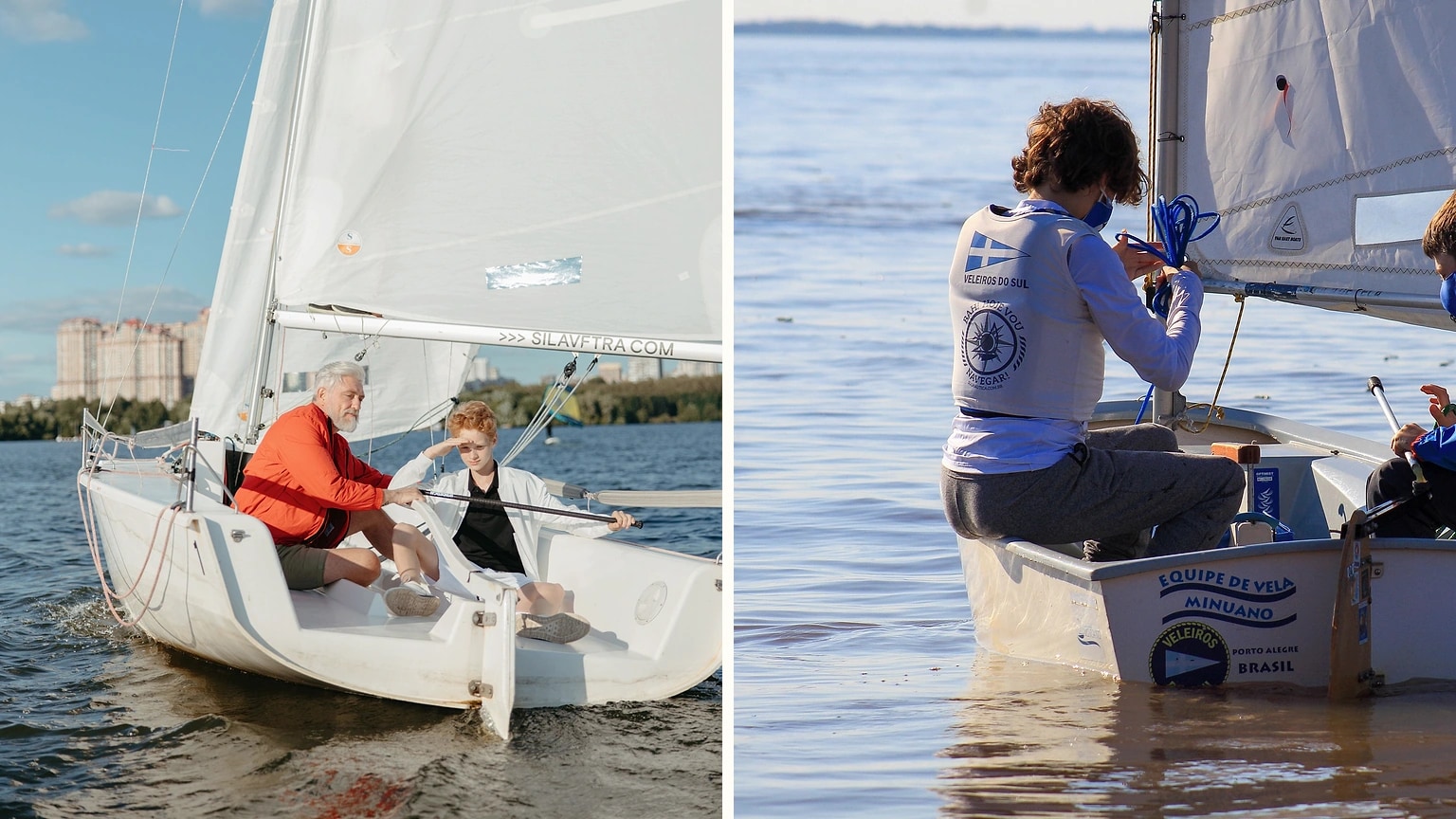
A club can combine boats, local knowledge, instruction, and people looking for crew. Membership models vary, so ask what boat use is actually included, which qualifications or checks are required, and whether beginners can join coached or social sessions. A low fee is not useful if there is no practical path onto the water.
Crewing for an owner is another route. You can learn by taking a defined job within an experienced team, without being responsible for the entire boat. Be honest about your experience and arrive ready to follow the skipper's safety plan. Reliability, communication, and willingness to help with preparation and pack-away matter. If you are unsure what a first day as crew actually involves, read up beforehand so you arrive with realistic expectations rather than guessing on the dock.
Do not assume every informal invitation is suitable training. Understand who is in charge, the planned water and conditions, and what is expected of you. Begin with roles that fit your current ability and ask for explanation when a task is unfamiliar.
A club's fee structure is not always a good predictor of how much sailing you will actually get. Some low-cost memberships give access to a fleet of training boats and a full events calendar; others cover little more than the clubhouse and leave you to find your own crewing opportunities. Ask specifically what boat use is included in the price, whether coached sessions run on a fixed schedule you can plan around, and how new members are usually introduced to boat owners looking for crew. A club that cannot answer those questions clearly is unlikely to turn membership into regular time on the water, whatever the fee looks like on paper.
Your first few outings as crew are also where you build the reputation that gets you asked back. Turn up on time, help rig and pack away without being asked twice, and follow the skipper's plan even when you would have done something differently. Most owners choose their regular crew from people who were useful and easy to have aboard on the first trip, not necessarily the most experienced.
When Is Renting or Sharing a Boat Suitable?
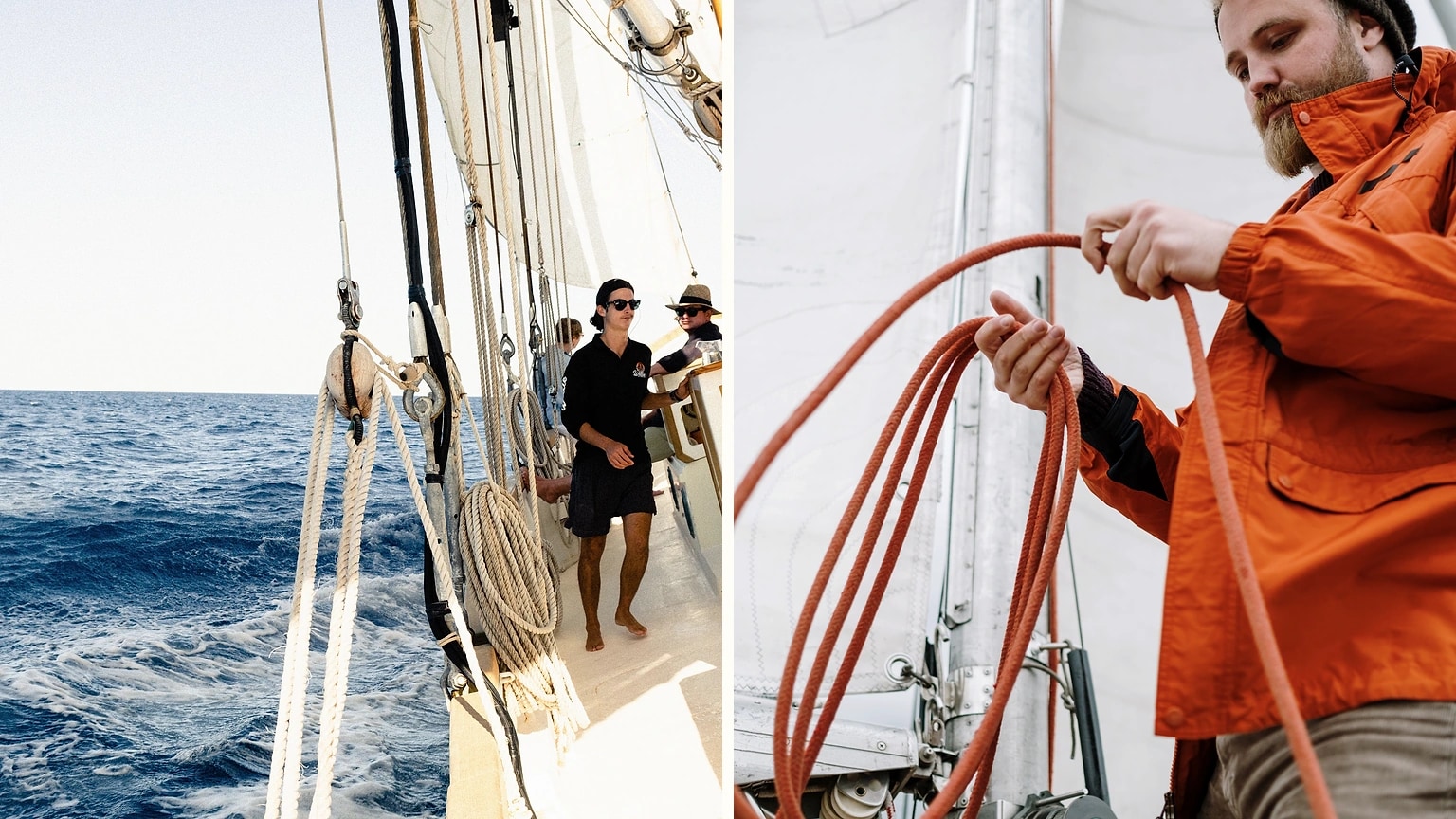
Rental can give you independent access once your skills meet the provider's conditions. Before booking, ask what evidence of competence is accepted, whether an on-water check is required, where the boat may go, which weather limits apply, and what the price includes. Government operator requirements and provider rules may both apply.
Shared ownership spreads access and cost among several people, but it is still ownership. Use a written agreement covering scheduling, maintenance, payments, damage, insurance, decisions, and how someone leaves the arrangement. Agree on who can operate the boat and under which conditions.
Neither option has to be your first step. Club boats and supervised practice may be a better fit while you are learning. Move toward rental or sharing when you can operate the relevant boat within clear limits and understand the responsibility that comes with taking charge.
Before you sign anything, put the same five questions to a rental provider or a shared-ownership group: what evidence of competence they accept, whether an on-water check is required before you sail unsupervised, which areas and weather limits apply, what happens if the boat is damaged on your watch, and exactly what the price covers. A provider that answers all five clearly and in writing is a better sign than one offering the newest boat in the fleet. Rules and required checks differ by provider and by region, so treat any answer you get as specific to that booking rather than as a general rule you can assume applies elsewhere.
What Can You Learn Before Going Afloat?
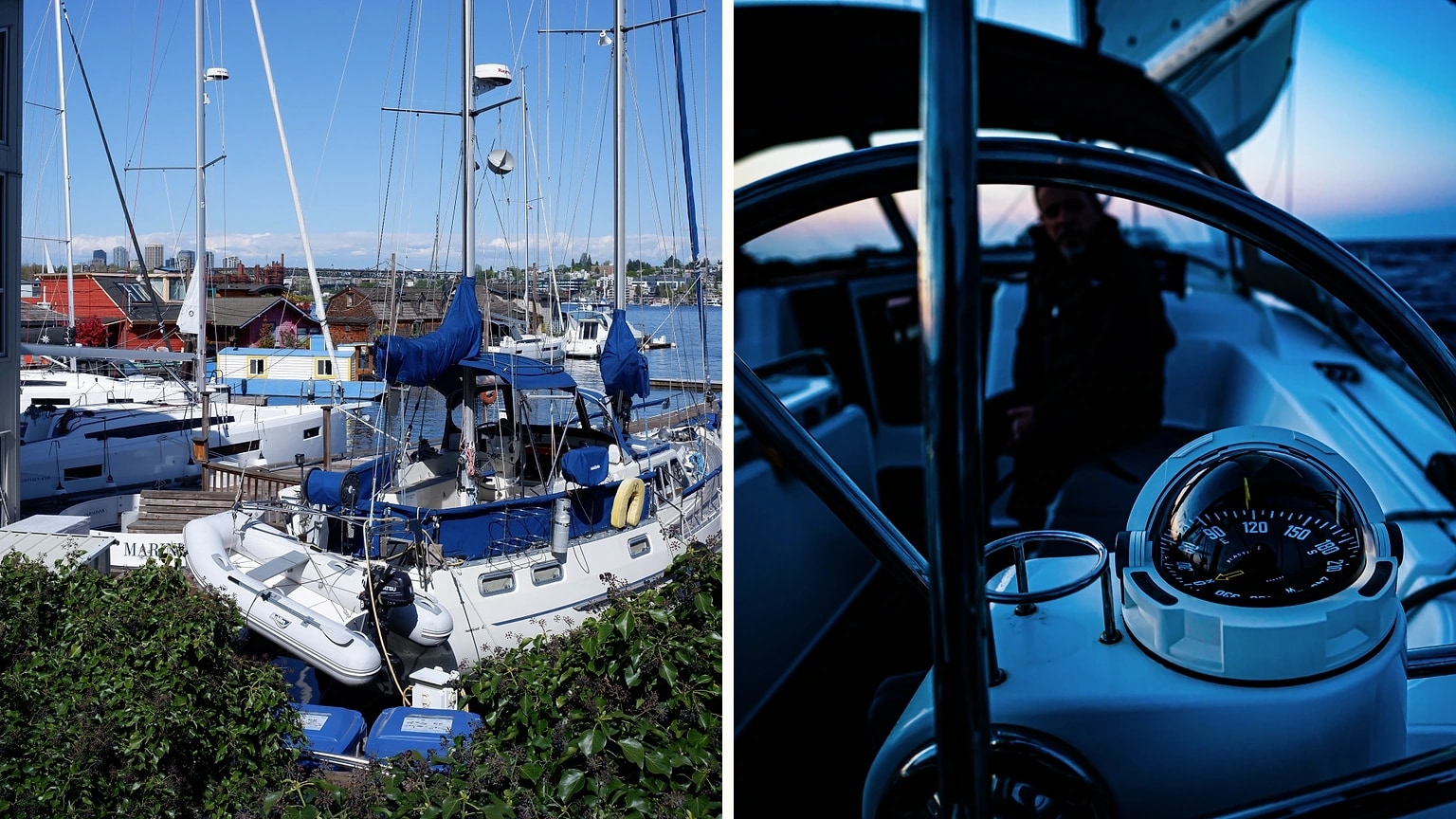
Online learning can prepare the words and concepts that make a practical briefing easier to follow. Start with the main directions aboard, the basic controls, windward and leeward, and the purpose of keeping lookout. Review the maneuver or role planned for your next session instead of trying to memorize every sailing term.
Use diagrams and short checks to see whether you can recognize an idea, then connect it to real equipment with an instructor. Theory cannot reproduce the feel of steering, the load in a rope, or the timing of changing wind. Those belong on the water.
After sailing, return to the lesson and review what you saw. Keep a log of boat type, conditions, tasks, and questions. This loop of prepare, practise, and review makes limited water time more useful while keeping practical experience at the centre.
A simple log entry does not need to be elaborate: the date, the boat type, the wind and water conditions, which task you handled, and one question you want answered next time is enough. Over a season those short entries build into a record of what you have actually practised, which is far more useful when choosing your next course than trying to recall a general impression of "some sailing" from memory. It also gives an instructor something concrete to work from if you switch schools or boat types partway through learning, since crewing on a dinghy and crewing on a keelboat build overlapping but different habits.
Start with SailStarter's first lesson, then make a local access list with three headings: try, learn, and practise. Under “try,” add one taster or open day. Under “learn,” add one recognized practical course on a boat that suits your likely goal. Under “practise,” add the club session, crew network, shared fleet, or rental route available after training. Contact each provider and replace assumptions with exact answers about afloat time, equipment, prerequisites, limits, and full cost. If the path ends after the course, keep looking for one that supports repetition. You can postpone ownership until you know which boat and type of sailing you return to willingly. By then, you will also understand storage, maintenance, crew, and local conditions far better. The immediate goal is simpler: secure one appropriate first session and one realistic way back onto the water. That is enough to begin building a sailing life without buying a boat.
Try it from the lesson
Can you spot the next move?
You turn to face the stern. A crewmate points at your right hand. Which side of the boat is that?
Why you can trust this guide
. We build each guide from public seamanship and safety sources, then teach the universal principle before any local difference.