Chart your course
Port vs Starboard: The Trick to Never Mixing Them Up Again
Quick answer
The short version
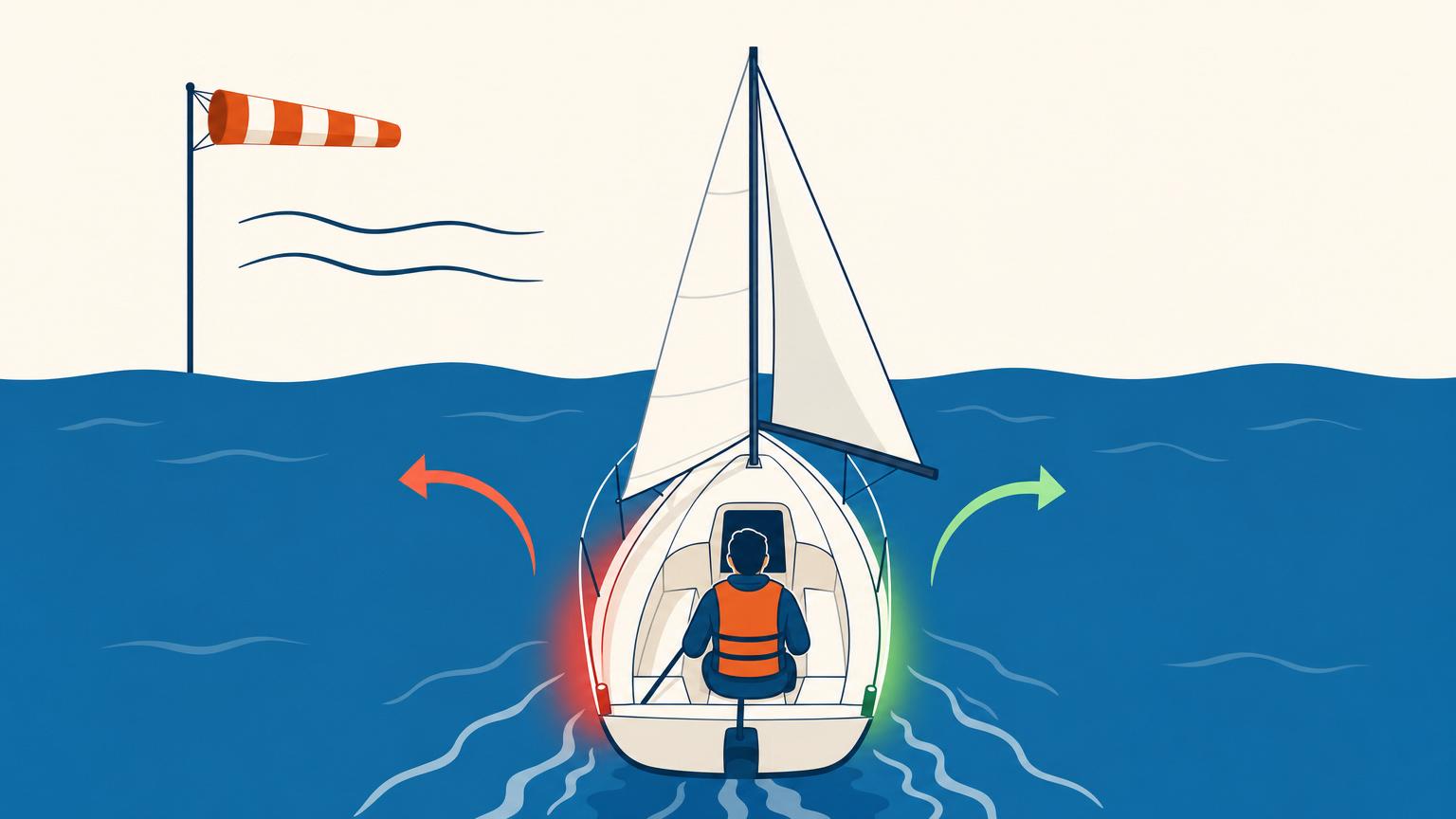
Port is the left side of the boat, and starboard is the right side, when you face forward toward the bow. Two easy tricks: port and left both have four letters; port wine is red, and the port sidelight is red. Starboard is the other side, with a green sidelight. Sailors use port and starboard because left and right change when people turn around. Port and starboard stay fixed to the boat, so everyone means the same side.
Port vs starboard feels confusing until you stop thinking about your own left and right. On a boat, port is the left side and starboard is the right side when you face forward toward the bow, the front of the boat. These names stay fixed to the boat, even if you turn around.
In this guide, you will learn two simple memory tricks: “port” and “left” both have four letters, and port wine is red. You will also see why sailors use boat-fixed words instead of left and right, how red and green sidelights help show a boat’s heading at night, and where the names came from.
Both sides stay fixed to the boat; only the memory cue, light colour, and name history differ.
| Dimension | Port | Starboard |
|---|---|---|
| Side of the boat | Left, facing the bow | Right, facing the bow |
| Memory trick | "Port" and "left" both have four letters | The other side |
| Sidelight colour | Red | Green |
| Name origin | Replaced "larboard" (the loading side) because it sounded too like starboard | From "steorbord," the old steering-oar side |
| Changes if you turn around | No — fixed to the boat | No — fixed to the boat |
Port and Starboard Are Fixed to the Boat
Port and starboard are not based on where you are standing. They are based on the boat.
Face forward, toward the bow. The bow is the front of the boat. The stern is the back. From that forward-facing view:
- Port is the left side.
- Starboard is the right side.
Now the important part: those sides do not change when you move around.
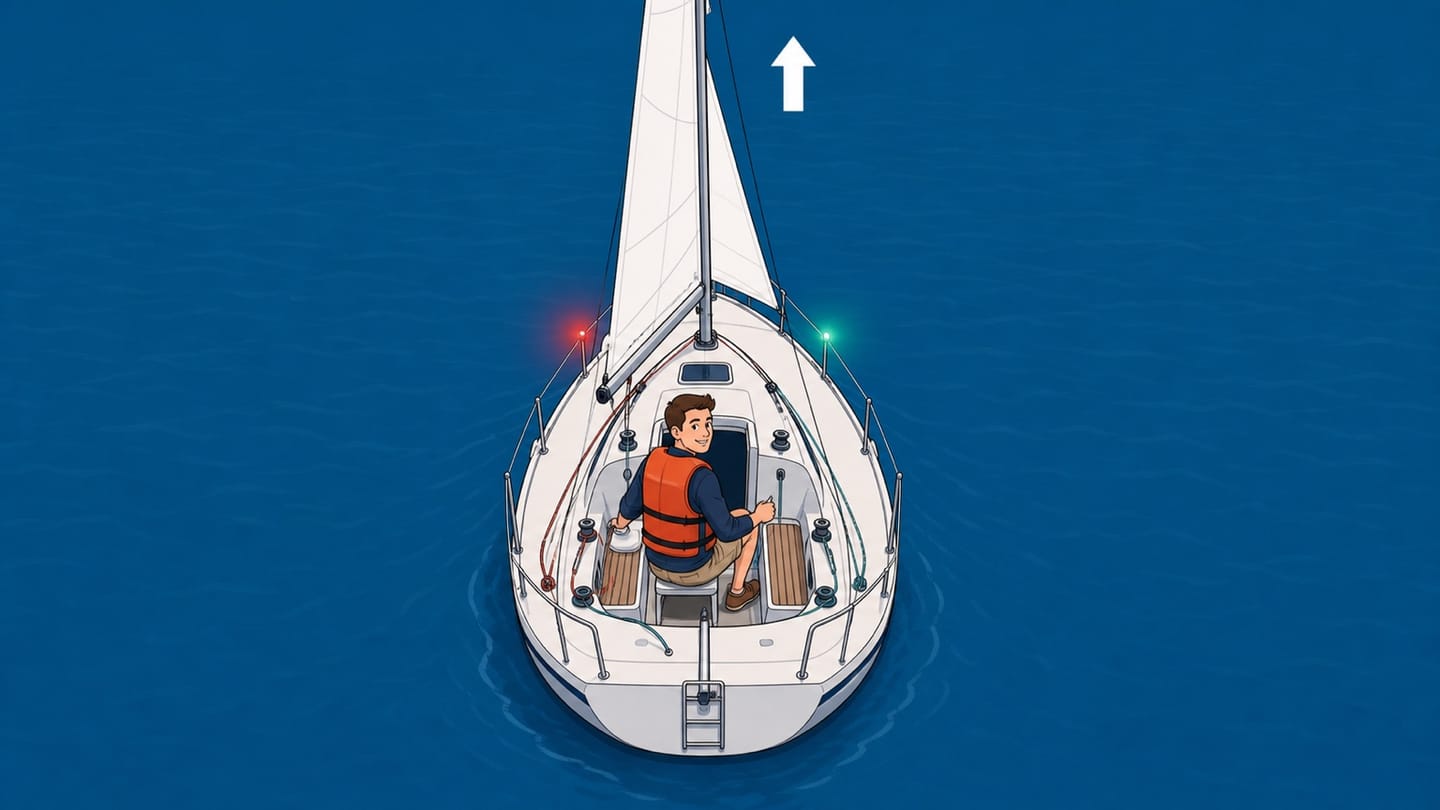
If you stand in the cockpit and face the stern, your own left hand points toward the boat’s starboard side. That can feel backwards at first. But the boat has not changed. Port is still the boat’s left side when looking toward the bow. Starboard is still the boat’s right side when looking toward the bow.
Think of the words as labels stuck to the hull. A “PORT” sticker stays on the same side all day. A “STARBOARD” sticker stays on the other side, no matter which way you look.
Two Tricks That Make It Stick
Port vs starboard gets much easier when you start the right way: face the bow, the front of the boat. From there, your left side is port, and your right side is starboard. The names stay with the boat, not with you.
Use two simple memory hooks:
| When you face the bow | Boat side | Memory cue |
|---|---|---|
| Your left side | Port | Port and left both have four letters. |
| Your right side | Starboard | The other side is starboard. |
Now add color. The port sidelight is red, and the starboard sidelight is green. That red port light gives you the second trick: port wine is red, so port is red.
This color match is not random. It follows the international COLREGs convention for sidelights: red on port, green on starboard. So the word, the side, and the light all point to the same answer.
Why Sailors Don’t Just Say Left and Right in Port vs Starboard
Port vs starboard solves a simple problem: left and right change with your body. Port and starboard stay fixed to the boat.
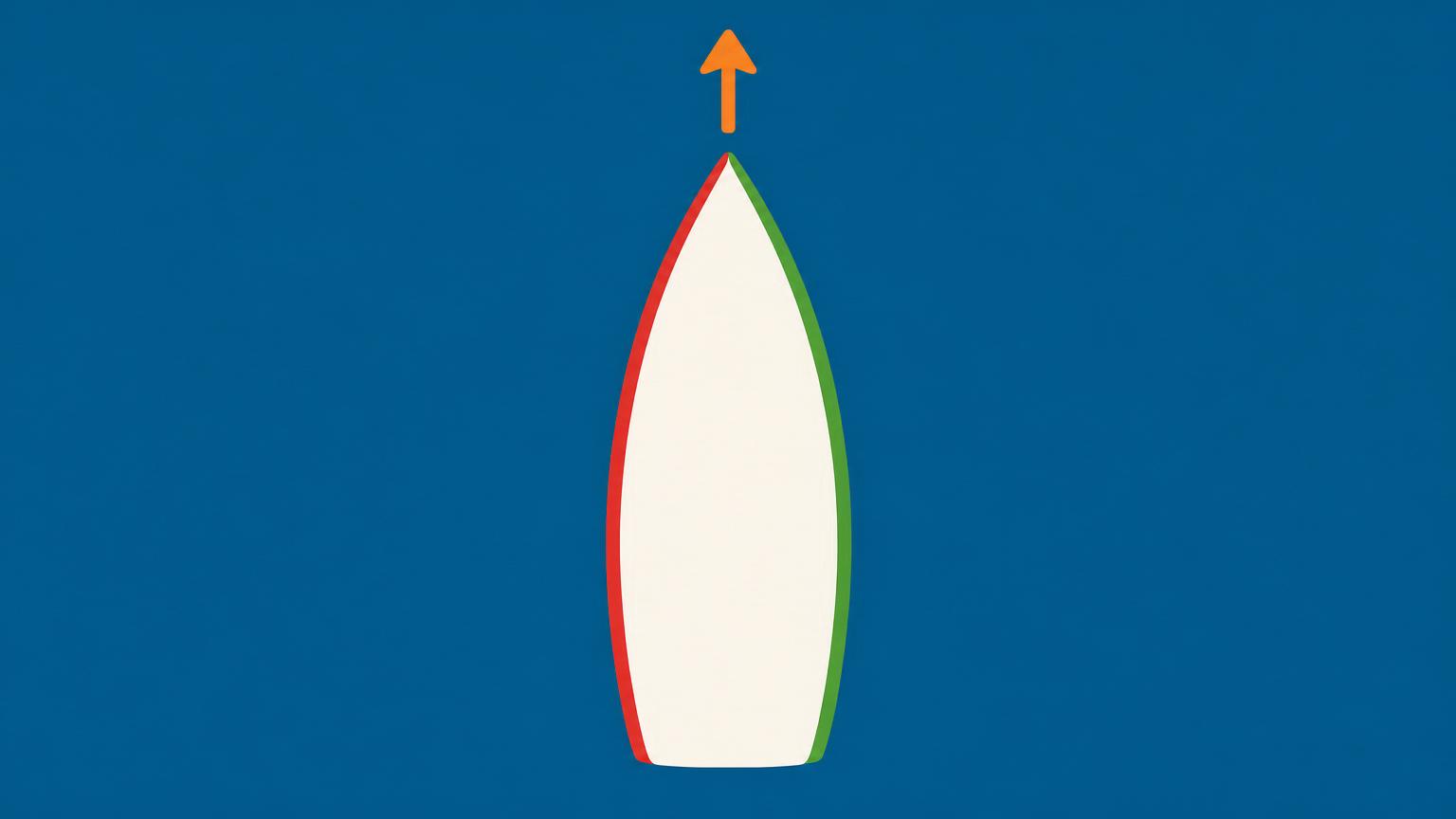
When you face forward toward the bow, the front of the boat, port is on your left. Starboard is on your right. The stern is the back.
Now picture two people on the same boat. You face the bow. Your friend faces the stern. If you both say “left,” you mean opposite sides of the boat. That can confuse a direction or a lookout report.
So sailors use boat-fixed words. “Port” always means the boat’s port side. “Starboard” always means the boat’s starboard side.
Quick memory trick: port and left both have four letters. Face the bow, then match four with four.
How do navigation lights reinforce the idea?
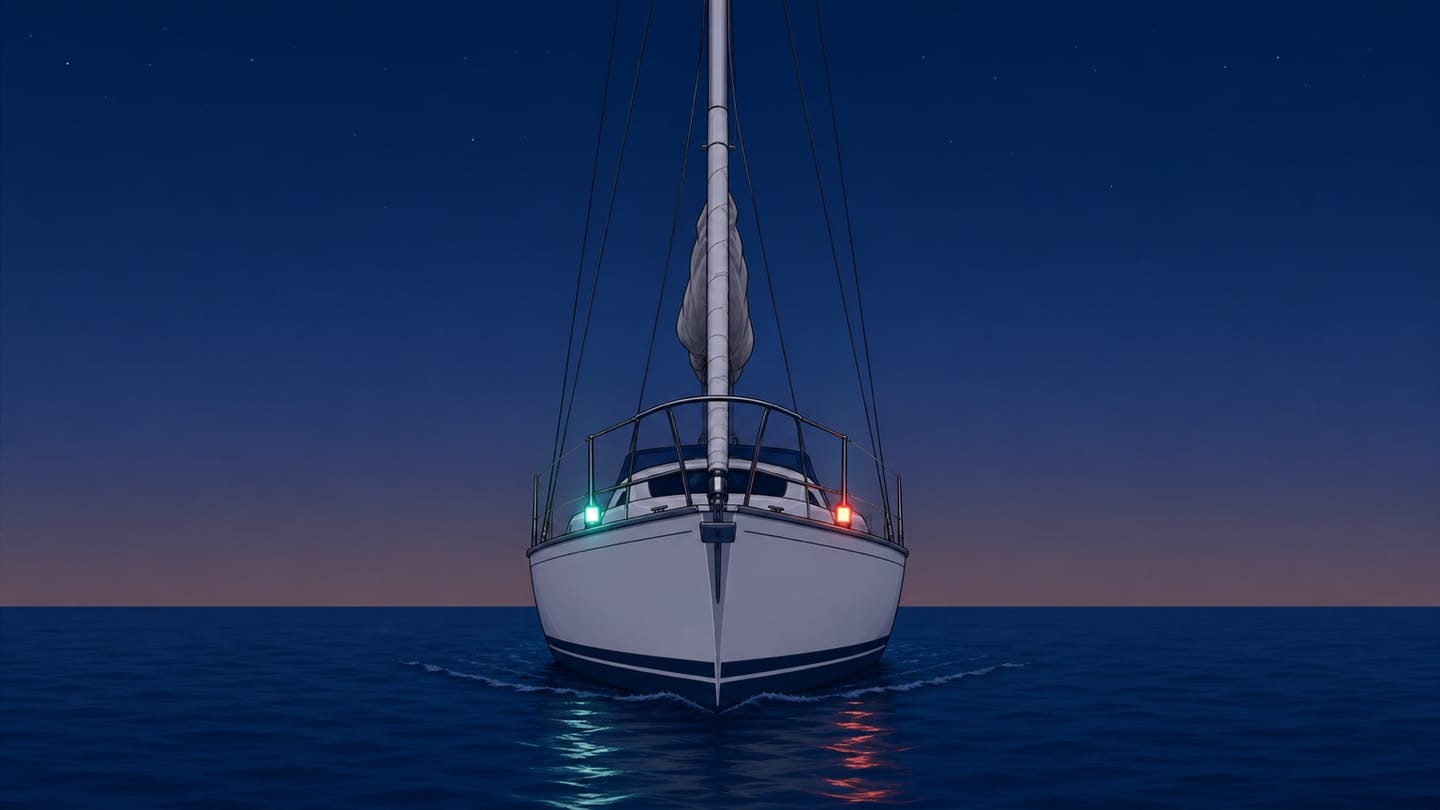
[Universal / international COLREGs] Navigation sidelights use the same fixed boat sides you are learning here: red on port, green on starboard.
Think of the boat pointing forward, toward the bow. The red light belongs on the boat’s left side. The green light belongs on the boat’s right side. Those colors stay with the boat, even if you view it from a different angle.
That helps another vessel understand what part of the boat they are seeing:
- Red only: they are seeing your port side.
- Green only: they are seeing your starboard side.
- Red and green together: they are looking toward your bow, from ahead.
So the lights are more than labels. They show direction. At night, they help turn “left and right” into a clearer picture: port is always the boat’s port side, and starboard is always the boat’s starboard side. (Not every small boat carries fixed sidelights. Under the international rules, a small craft may simply keep a torch ready. But when the lights are shown, red always marks port and green always marks starboard.)
What is the short history behind the names?
Starboard is the older clue. Early Northern European ships used a side-hung steering rudder on the right-hand side. That steering side was called steorbord in Anglo-Saxon. Over time, the word became starboard.
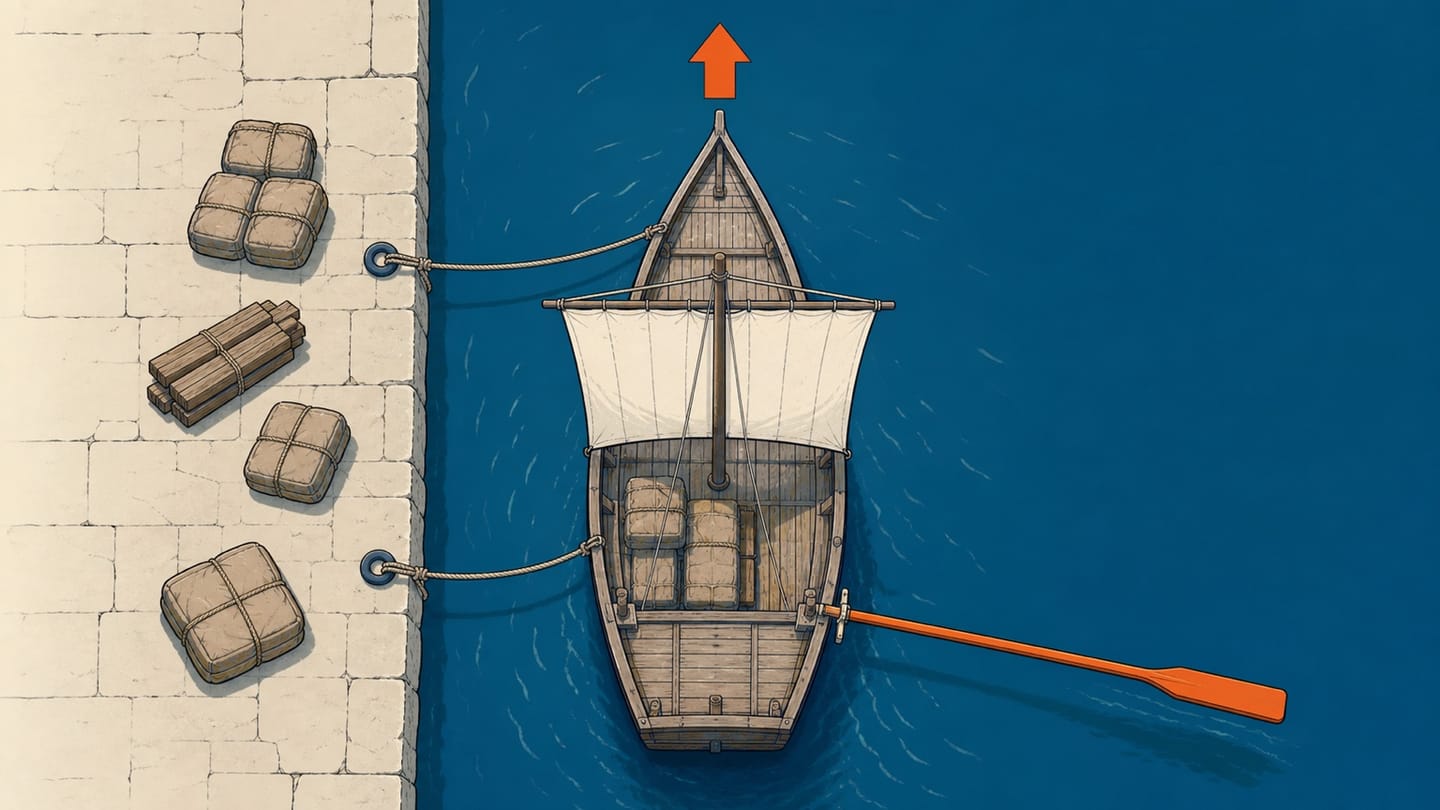
That right-side rudder was easy to damage if the ship lay against a quay on that side. So early ships were loaded with the left-hand side toward the quay. The older English word for the left side was larboard, possibly from laddebord, meaning “loading side.”
But larboard sounded too much like starboard. That was a problem when clear words mattered. UK historical note: in the mid-19th century, an Admiralty Order replaced larboard with port, because larboard was too easily confused by ear with starboard.
So the short version is simple: starboard remembers the steering side. Larboard remembered the loading side. Port replaced larboard to make the two side names easier to tell apart.
Answer from the boat's point of view
Face the bow. Port is the boat's left side and starboard is its right side. If you turn around, the boat's sides do not swap. This fixed reference is why the terms work when crew members face different directions.
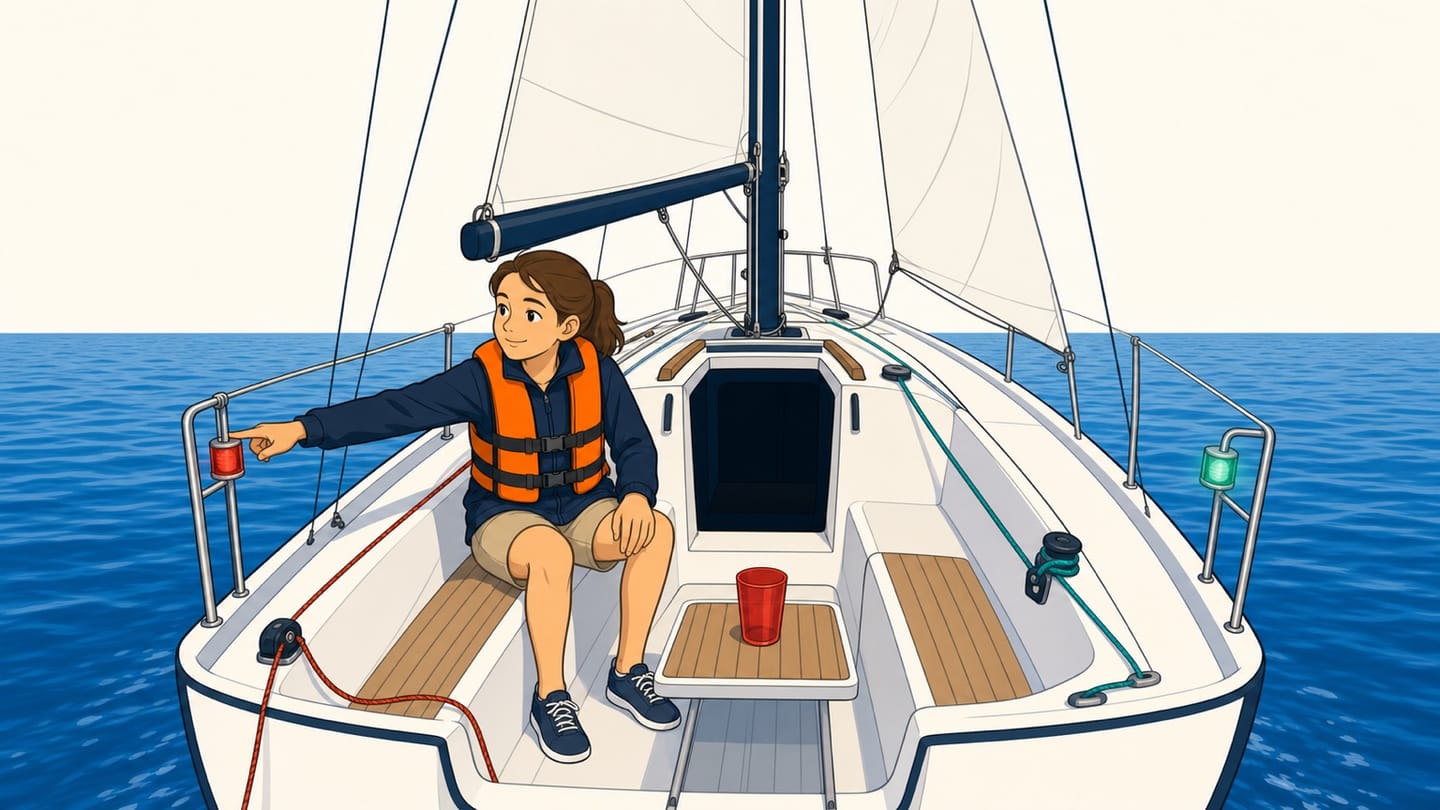
Practise by standing in the cockpit and pointing to a fitting after someone calls its side. Then change where you face and repeat. Add bow, stern, ahead, and astern so the whole crew uses one orientation system. The deck hardware guide gives you real fittings to name by side.
Connect the sides to lights
Red belongs to port and green to starboard. At night, seeing another vessel's red sidelight means you are viewing her port side. Seeing green means her starboard side. The colours describe her sides, not yours, so first identify which vessel you are talking about.
Use the navigation-lights guide to practise red, green, both colours, and white. Light recognition is an observation step. Keep watching and apply the full navigation rules to the situation.
Use complete crew calls
Say the object, side, and action: "Prepare the port bow line" or "Hold the starboard sheet." A bare "left" can depend on where the speaker is facing. A bare "port" can still leave the job unclear. Complete calls reduce both errors.
Ask the receiver to repeat an important instruction before acting. During a tack or docking approach, this short confirmation shows whether both people mean the same line and side. If the call was unclear, stop and restate it rather than pointing after the boat is already moving.
The history can help the words stick, but daily use creates the habit. Name sides every time you rig, brief, and secure the boat. Soon the reference becomes as ordinary as bow and stern.
Port vs starboard gets easier when you keep one idea in mind: the words stay fixed to the boat as you face the bow. Port is left, starboard is right, and the red and green sidelights repeat the same pattern. If you want more beginner practice like this, try SailStarter’s short visual lessons and build each sailing habit one step at a time.
Use the terms during a complete dock routine. Call the port fenders, starboard bow line, port stern line, and the side that will come alongside. Then have another crew member repeat the layout while facing aft. If the answers stay fixed, the reference has become independent of body direction.
For a quick check, imagine looking down from above. The bow remains forward, port remains on the left side of the boat, and starboard remains on the right. Rotate yourself around that picture without rotating the labels. This mental view helps when instructions arrive while you are facing the stern.
Try it from the lesson
Can you spot the next move?
You turn to face the stern. A crewmate points at your right hand. Which side of the boat is that?
Why you can trust this guide
. We build each guide from public seamanship and safety sources, then teach the universal principle before any local difference.