Chart your course
Charter Cancellation and Security Deposits
Quick answer
The short version
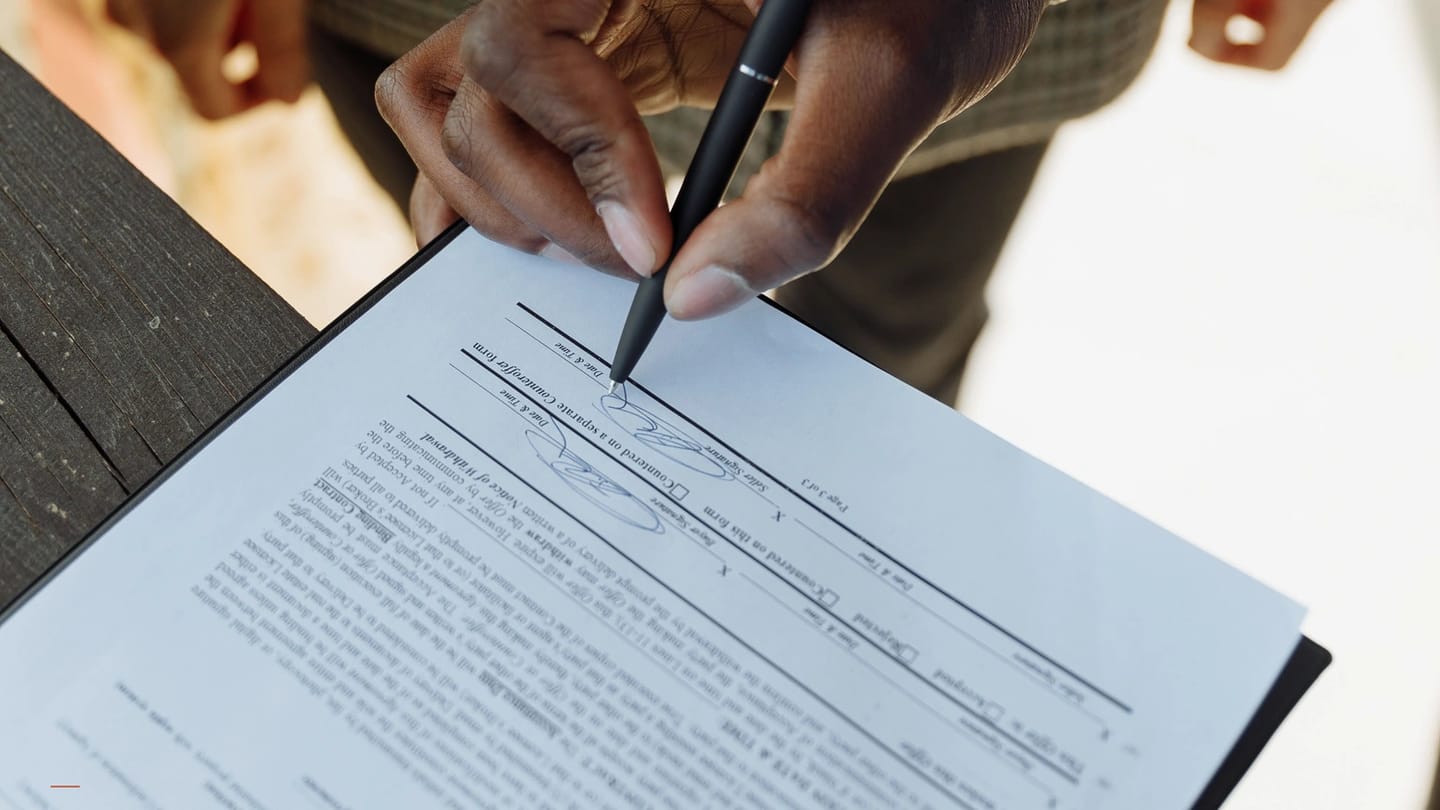
Read a charter agreement's cancellation clause and its security-deposit or damage-waiver clause as two separate questions, because they answer different risks. The cancellation clause tells you what happens to your money if the booking changes before the trip. The deposit and waiver clauses tell you what happens to your money if the boat comes back damaged. Put every payment date, refund window, and deposit-release condition on one timeline before you pay anything. Keep the signed agreement, invoices, and any written answers from the operator, since that paperwork is what settles a disagreement later. Ask specific questions about liability for negligence and about how long a card hold takes to clear, in writing, before you commit to paying.
Booking a charter usually means clicking through a quote, a deposit page, and a set of terms that arrive as a long attachment. Most sailors skim it, pay, and only open the document again if something goes wrong. That habit turns two separate contract questions into one blur: what you lose if you cancel, and what you owe if the boat is damaged. The two clauses come from the same operator but govern different moments of the trip, and they rarely use matching language to describe them. This guide works through reading a charter agreement's cancellation and security terms in an order that follows how the money actually moves, from the first payment to the final card-hold release, so you can ask the operator the right question before you pay rather than after a dispute has already started.
Read the payment and cancellation timeline first
Before you compare clauses, list every date your charter agreement creates: the reservation payment, any staged balance, the final balance due date, the point when the security deposit is collected, and the cancellation deadlines that sit between booking and departure. Charter operators do not share one industry-wide cancellation schedule. Published policies generally show refund percentage stepping down the closer your cancellation sits to departure, and the initial booking deposit is usually non-refundable from the moment you pay it, regardless of when you later cancel. The exact windows and percentages belong to your specific operator's contract, so treat any summary you read online, including this one, as a reason to go find your own agreement's numbers rather than as the answer itself.
Write each date next to the clause number that sets it and the event that changes the amount due. A charter's hidden costs and deposits often sit on this same calendar as separate line items, so build one timeline instead of checking two documents against memory. If a clause promises a refund without naming a deadline or a method, treat that as an open question rather than a settled one, and add it to your list of things to confirm before the balance is due.

What separates a security deposit from a damage waiver?
A security deposit is refundable money, usually collected right before you take the boat, that the operator holds against damage or loss found at handback. A damage waiver is a different instrument: a separate fee, paid up front and non-refundable regardless of what happens on the water, that reduces or removes your exposure to that same damage risk. Some operators let you choose one or the other. Some require a smaller deposit alongside a waiver. Either way, the two clauses answer the same underlying question, who pays if something breaks, using different mechanics and different price tags.
Read the negligence carve-out carefully, because it is where a waiver's promise narrows. Waivers commonly cover accidental damage but exclude damage caused by your own negligence or reckless conduct, and under that exclusion you can be liable for the full cost of the loss even though you already paid the fee. On many bareboat contracts, damage that is genuinely accidental gets capped at the deposit amount, with the operator's own insurance policy covering anything beyond it. The boat typically will not leave the dock until the deposit clears, so budget for that hold landing on pickup day, not on the balance due date you calculated earlier.
Save your booking evidence as you go
Collect the quoted terms, the signed agreement, invoices, any selected extras, and written answers from the operator into one place as you go, rather than trusting your inbox to hold them together. A booking portal's pricing page or a quote email can change or expire, so export anything time-sensitive to a saved file while the sender and date are still attached to it. A screenshot of one reassuring sentence is not the same as the surrounding clause, and it can hide an exception written two lines further down.
This record earns its keep only if a dispute actually happens. Sailing federation guidance on chartering recommends agreeing in advance how you would handle a disagreement, including gathering statements from your own crew or a nearby boat owner, well before you need to use that agreement rather than after. You cannot follow that advice from memory once you are standing on a dock arguing about a scratch. Store the file somewhere a second crewmate can open too, so the evidence set does not depend on one inbox or one person's recollection of a phone call.

How do you document a handover that actually protects you?
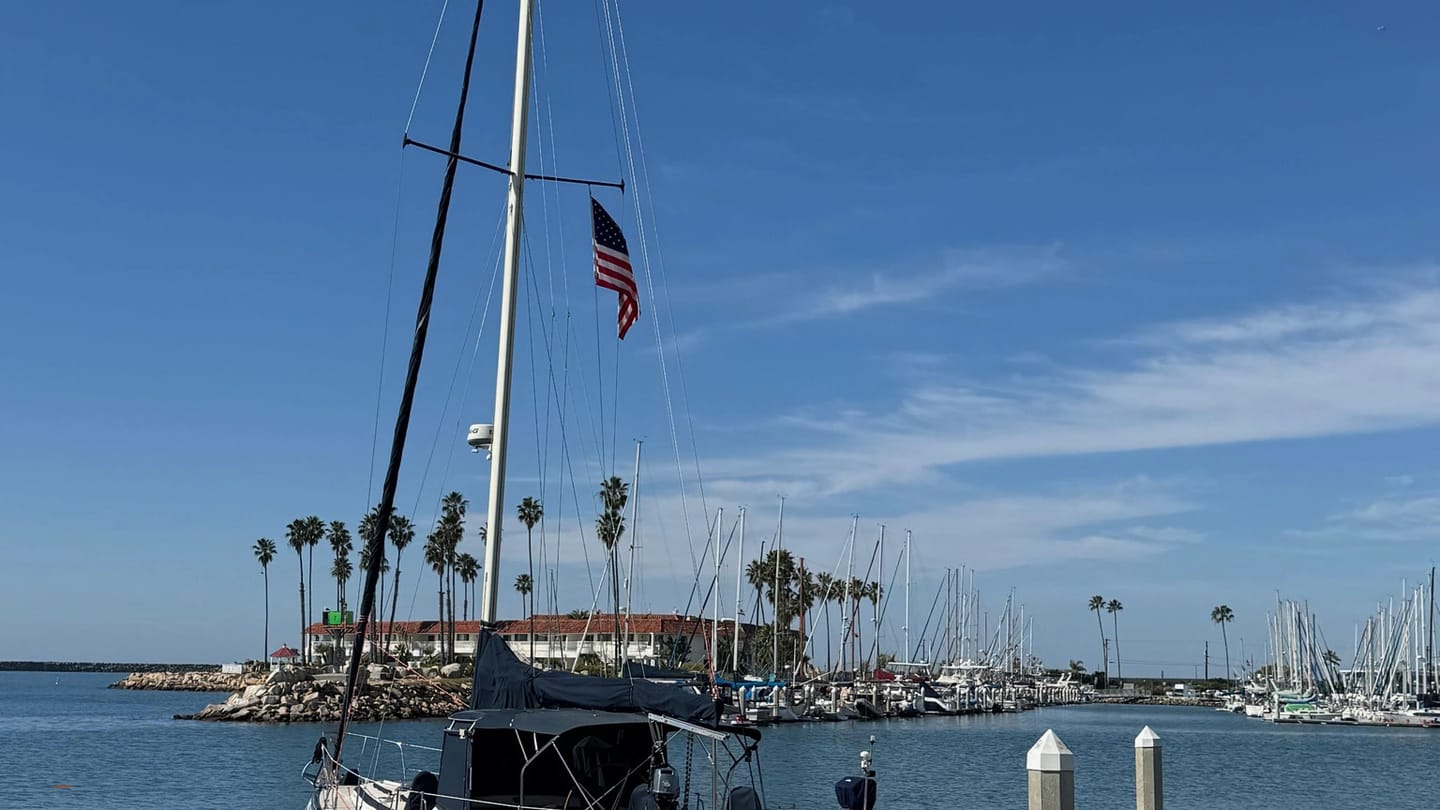
Walk the boat with the base staff and photograph the wear points that get disputed most often: the stern and bow edges, since both take the brunt of dock and jetty contact, plus any existing scratch, stain, or dent before you touch a line. Confirm the safety and mechanical systems work while you are still standing there rather than trusting a checklist someone else already ticked. Start the engine and try forward, neutral, and reverse. Raise and lower the anchor windlass. Run the bilge pump, test the VHF radio, and check that the fridge cools and the stove lights. Report anything that fails to the base staff before you leave the dock, not after, because a fault noticed on day one reads very differently from the same fault noticed at handback.
Photographs help, but they support this process rather than replace it. Do the same walk-through, signed by both you and the operator, at the end of the charter too, since a written condition report taken before and after the trip is what actually resolves a disagreement about new damage. The check-in and checkout guide can help you turn that inventory into a repeatable routine you run at both ends of every charter, not only the first one.
Ask these questions before you pay
Turn every reassuring phrase in the contract into a specific question about your dates, your crew, and your payment method, and get the answer in writing rather than over the phone. Ask who decides whether a claim against the deposit is valid, what evidence they need from you to dispute it, and how long the process normally takes. Ask exactly which acts count as negligence under the waiver, since that word carries the whole exclusion and every operator defines it slightly differently. Ask what happens to the deposit hold on your card if the trip runs long or short, and roughly how many days after handback the bank releases the funds. A pre-authorization hold commonly clears within a week but can take up to thirty days depending on your card issuer, which matters if you are counting on that money for a flight home.
If the operator cannot answer a material question clearly, treat that as useful information rather than a reason to keep going anyway. A first read of the full charter checklist before you book gives you a second pass at the same questions with fresh eyes, and a second pass tends to catch what one read misses.
None of this replaces reading your own charter agreement in full, and it is not a substitute for advice from your operator or a suitably qualified adviser when the wording or the stakes are genuinely unclear. What it gives you is a way to work through the document in an order that matches how the money and the risk actually move, so you reach the boat having already asked the questions that matter instead of discovering them mid-trip. SailStarter's lessons build the boat-handling, communication, and pre-departure habits that make the on-water side of a charter feel manageable, a different job from reading a contract and a useful one to pair with it. If you are working toward your first charter, it is worth trying a lesson or two and seeing whether the format fits how you learn.
Try it from the lesson
Can you spot the next move?
A wide sailboat glides past on two side-by-side hulls, barely leaning at all. What type is it?
Why you can trust this guide
. We build each guide from public seamanship and safety sources, then teach the universal principle before any local difference.