Chart your course
Ionian vs Cyclades Sailing
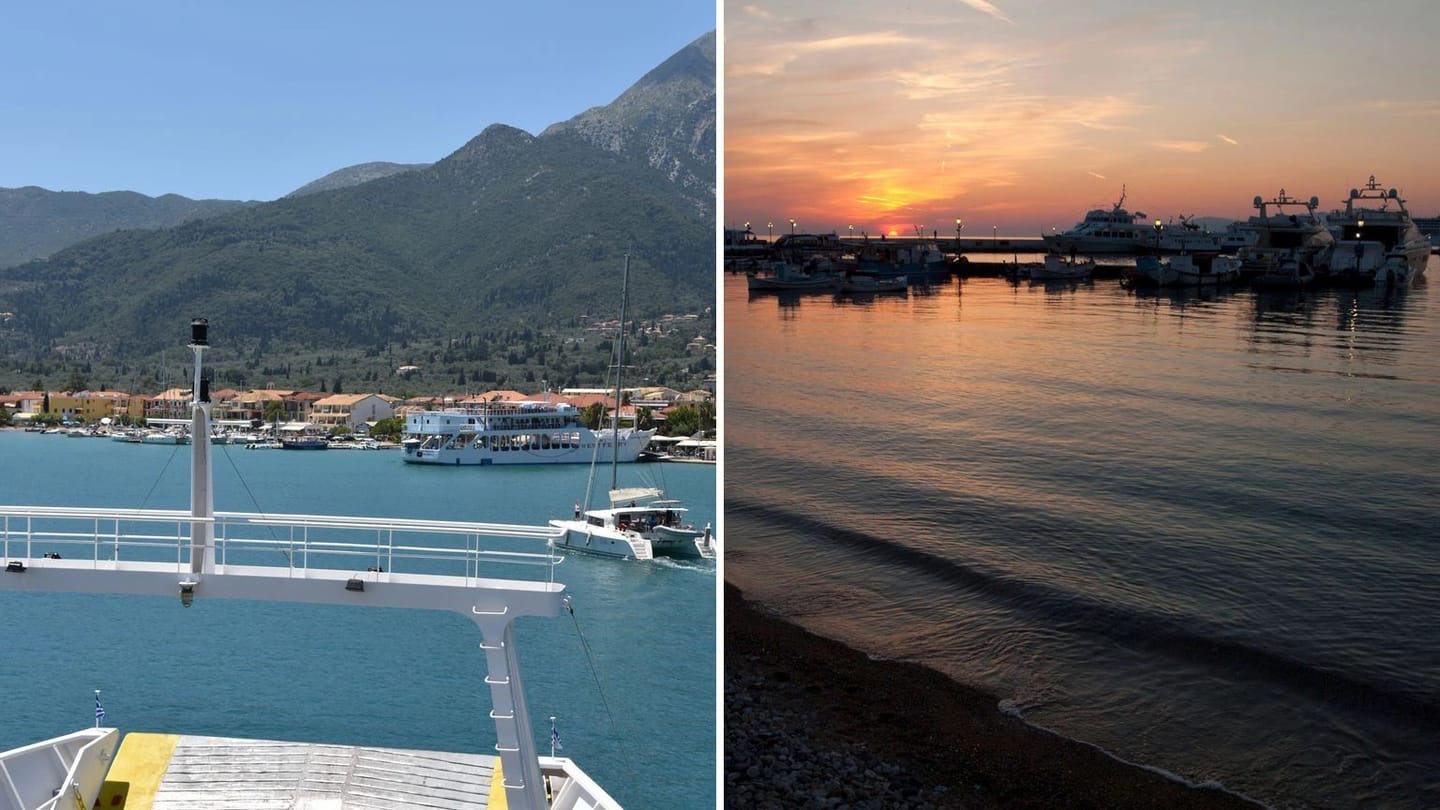
Quick answer
The short version
Choose between the Ionian and the Cyclades by matching a specific route and week to your crew, not by accepting a slogan about either region. Compare the charter base, likely leg lengths, shelter and alternatives, the boat, travel logistics, and current forecast information. The Ionian can suit a crew seeking compact island choices and greener shores. The Cyclades can appeal to sailors who want a more open Aegean itinerary. Neither label guarantees easy or difficult sailing. A forecast, local briefing, and honest account of the crew's stamina matter more than a region's reputation. A shared comparison sheet keeps personal preferences visible.
Both areas contain many possible trips, so “Ionian versus Cyclades” is only the first filter. A base at one end of a region can produce a very different week from a base at the other. Start with official Greek destination information, then ask charter operators for route-specific advice for your dates. Weather, harbour access, and local requirements change. Verify current local rules and conditions before booking and again before departure. Include the least experienced sailor in the discussion before either route becomes the favourite. Their tolerance for motion, long legs, busy berths, and travel delays can change the best answer. A destination choice should survive that honest conversation.
Compare route shape before scenery
Open two charts and build one modest sample week for each region. Use the actual charter bases you could reach, not the centre of each island group. Mark the first and final night, then add only the stops needed to understand the route. Look for the distance between alternatives, the amount of open water, and the consequences of losing a day.
An itinerary with several nearby options gives a crew more freedom to shorten a leg. A line of must-visit islands can turn one delay into a chain of rushed departures. This matters in either region. The bareboat itinerary guide explains how to add decision points and fallback stops instead of treating every waypoint as a promise.
Compare like with like. A sheltered Ionian loop should not be measured against the most exposed Cyclades crossing you can draw. Give both plans the same number of nights and a similar daily time budget. Include the transfer from airport or ferry to base, provisioning, handover, fuel, and checkout. The region that leaves more genuine sailing time may be the better choice even if its map looks less dramatic.
Run this comparison once at a desk, then again once the crew can inspect the real boat, place, document, or system. On the second pass, weigh each written assumption against current evidence and note what has changed. Keep unanswered questions visible instead of turning them into convenient guesses, and decide which missing answer should pause the plan and who can supply it. A written limit here makes a later change easier to explain and keeps momentum from replacing a real answer.

Read exposure instead of relying on labels
Island shape, fetch, headlands, and the direction of a leg affect what the crew experiences. A short distance can still feel demanding when the boat is exposed to sea and wind for most of it. A longer protected leg may feel calmer. Study each proposed route for where the crew can turn aside and where a decision becomes harder to reverse.
Do not reduce the comparison to “Ionian calm, Cyclades windy.” Regional descriptions are planning clues, not forecasts. Ask what conditions would make the operator recommend staying put, changing direction, or using a closer harbour. Then decide whether your group would enjoy the revised day. The right holiday is the one that still works after the original plan changes.
Crew comfort belongs in the same comparison. Consider heat, sun, motion, noise, and the work of repeated stern-to berthing or anchoring as briefed locally. Someone who is new to sailing may prefer short legs with time to practise. An experienced but tired crew may make the same choice. Readiness is about this combination of people, boat, route, and current conditions.
Do this exercise twice: first at a desk, then again when the crew can look at the actual boat, place, document, or system. The second time, test each written assumption against current evidence and flag anything that changed. Keep the open questions visible rather than guessing at convenient answers, and decide which missing answer would pause the plan and who can supply it. Putting the limit in writing makes a later change easier to explain, so momentum never stands in for a real answer.
Match the boat and crew to the week
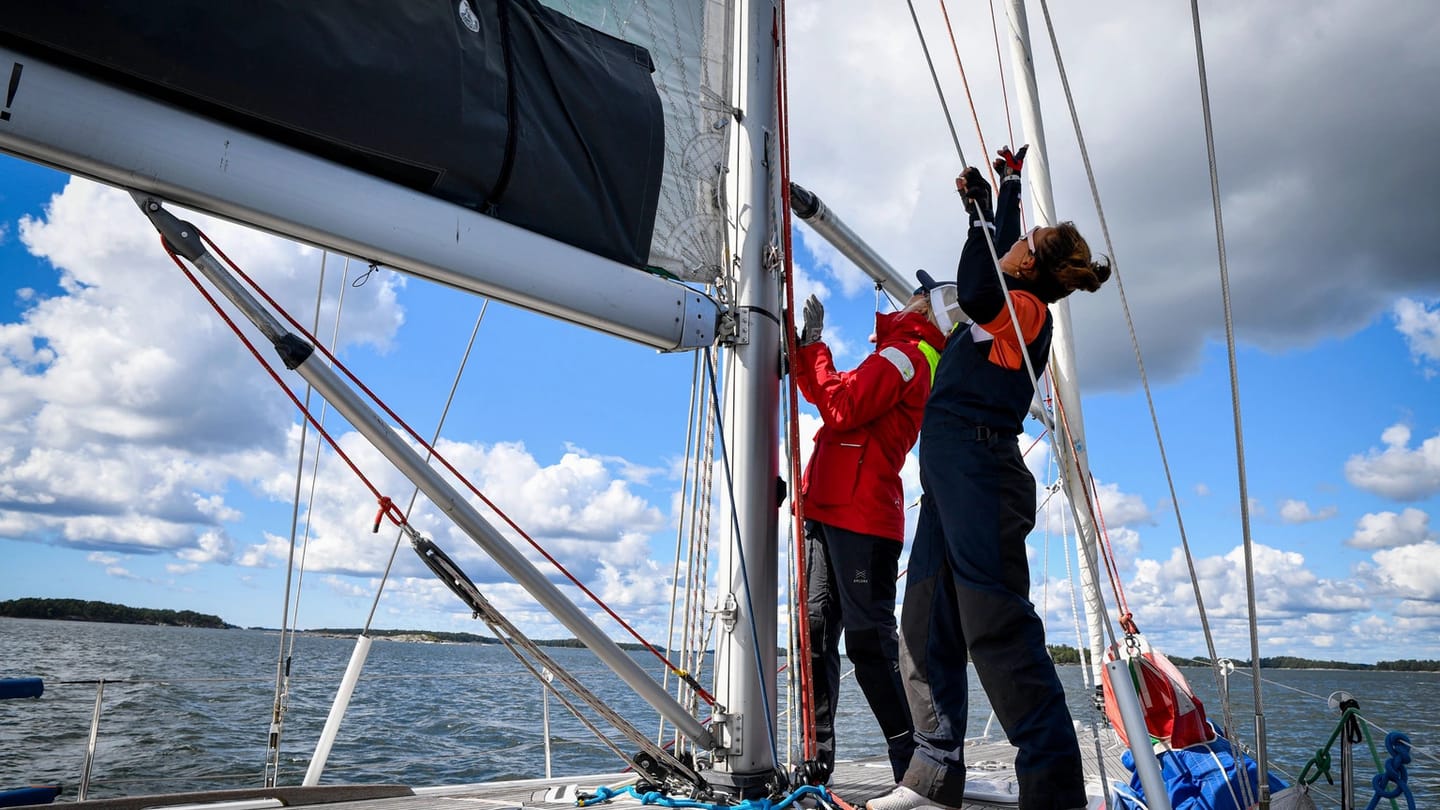
Write down the crew's real experience. Include recent helming, sail handling, anchoring, close-quarters manoeuvres, navigation, and living aboard. Separate jobs the skipper can do from jobs another person can perform without step-by-step coaching. A two-person team with one competent sailor has less reserve than the same boat with two people who can each stop, steer, and communicate clearly.
Ask operators at both bases what they need from the skipper and what boats are available for the dates. Compare the exact models because length and cabin count reveal little about daily handling. Deck layout, steering position, sail controls, engine handling, and sleeping arrangement all change the workload. The charter boat selection guide gives you a crew-first way to assess those details.
Choose a boat you can handle when the berth is busy and the planned helper is unavailable. Extra cabins, twin helms, or a larger deck may look attractive at booking time, but they also add spaces and systems to learn. Ask whether the crew can move safely, communicate from bow to helm, and rest. Those tests are more useful than choosing the largest boat within budget.
Check this first at a desk and again once the crew can examine the real boat, place, document, or system. On that second look, compare each written assumption with current evidence and mark whatever changed. Keep unanswered questions visible instead of filling them with convenient guesses, and settle which missing answer would pause the plan and who can supply it. A written limit makes a later change easier to explain and stops momentum from becoming the reason to press on.
Put travel and base logistics into the choice
The sailing week begins before the boat leaves. Compare arrival options, transfer time, check-in hours, provisioning, and the realistic first night at each base. A late connection can erase the margin you expected for the handover. A ferry or road transfer after a long flight may leave the skipper too tired for a same-day departure.
Work through the final day as carefully as the first. Note the contractual return time, fuel procedure, and distance from the last comfortable stop. If the route depends on a long final leg, it has little protection against delay. The first charter checklist helps collect these booking and travel details where the whole crew can see them.
Then compare total trip effort. Count transfers, waiting, provisioning, and the time needed to settle the boat. One region may offer a simpler journey from your home even when the charter price is similar. There is no universal winner. A crew travelling with children, limited leave, or a first-time sailor may value a smooth base day more than another island on the route.
Work through this once at a desk, then once more when the crew can inspect the actual boat, place, document, or system. During the second pass, weigh each written assumption against current evidence and note anything that has changed. Keep open questions visible rather than quietly guessing at them, and decide which missing answer should pause the plan, and who can supply it. Writing the limit down makes a later change easier to explain, so momentum doesn't take the place of a real answer.
Make the final decision with current information
Bring the two sample plans to the operator. Ask which parts are realistic for a first visit, where local briefings often change a route, and which harbours or anchorages require a current check. Record the answer with its date. An operator's description can inform the choice, but the written contract still controls the booking and the current forecast still controls departure decisions.
Set a decision deadline before paying a deposit. By then you should know the actual base, boat category, crew, travel plan, and one modest route in each region. List the remaining unknowns beside the person or source that can answer them. If a question about local procedure or current requirements matters to the booking, verify it with the responsible authority or operator rather than guessing.
After booking, keep comparing the plan with reality. Recheck travel disruption, base instructions, boat assignment, and weather near departure. On the water, choose each day again. Ionian and Cyclades are useful names for broad areas; they do not replace what you can see, the boat's condition, or a fresh forecast.
Give this comparison a first pass at a desk and a second once the crew can look over the real boat, place, document, or system. On that second look, test each written assumption against current evidence and mark what has changed. Leave open questions visible rather than closing them with a convenient guess, and settle which missing answer would pause the plan and who can supply it. A written limit here makes a later change easier to explain and keeps momentum from becoming the reason to continue.

Make your choice on one page. Put the two real bases side by side and score only things that matter to your crew: travel effort, first and last day, boat fit, route flexibility, exposure, and useful alternatives. Add one sentence describing the holiday you want. That sentence prevents a list of famous islands from taking over the decision.
Use the charter boat selection guide and the bareboat itinerary guide to test the winning plan. SailStarter lessons can prepare a newer crewmate for the sailing language and shared jobs they will meet. Current Greek information, the charter company, and the forecast remain the authorities for the actual week.
Try it from the lesson
Can you spot the next move?
A wide sailboat glides past on two side-by-side hulls, barely leaning at all. What type is it?
Why you can trust this guide
. We build each guide from public seamanship and safety sources, then teach the universal principle before any local difference.