Chart your course
Sailboat Charter Check-In and Checkout Guide

Quick answer
The short version
A good sailboat charter check-in does four jobs: it confirms the contract and crew documents, records the yacht's starting condition, teaches you the actual onboard systems, and leaves written questions for the base to resolve before departure. Checkout reverses that process. Return at the agreed time, follow the fuel and housekeeping instructions, report every defect or incident, reconcile the inventory, and complete a shared condition record before you leave. Do not sign an inventory that omits a scratch, missing item, or system fault you have already found. Keep your photographs, forms, and support messages together until the deposit or other security is settled.
The handover is part of the charter, not a delay before the holiday begins. You are accepting one particular boat with its own controls, marks, inventory, and quirks. Even if you know the model, the fitted engine panel, battery switches, reefing system, tender, and emergency equipment can differ. A calm, methodical handover is quicker than trying to learn a system after leaving the marina. Pair this guide with the broader first sailboat charter checklist, then adapt both to the operator's current forms and local instructions.
Prepare the File Before You Reach the Boat
Put the booking confirmation, charter agreement, skipper acceptance, crew list, identity documents, payment record, insurance or waiver documents, and base joining instructions in one folder. Electronic copies are useful, but save them for offline access in case reception at the marina is poor. Confirm who must attend the yacht and area briefings. If the operator has asked for an experience form or qualification, make sure its written acceptance is in the same folder.
Read the return instructions before check-in. They affect the final day and may include a return-to-base time that is earlier than the final unloading time. Note the fuel state required, where the boat must berth, which items must be returned to reception, and how defects are reported. Base procedures vary, so treat the booking documents as the source of truth.
Separate the security deposit, damage waiver, owner insurance, and any personal travel or deposit cover in your notes. They do different jobs. The questions in sailboat charter insurance explained help you identify the wording that controls your exposure. Record the emergency and technical support contacts before boarding. You should not have to search an email thread while a system is misbehaving.
Finally, protect time for the handover. Some bases separate reception, area briefing, provisioning, and yacht orientation. Plan the first passage only after you know when those steps finish. A short first leg gives you space to stow gear, brief the crew, and learn how the boat handles.
Give one crew member responsibility for the record while the skipper talks with the base. That person can photograph existing marks, tick inventory items, and write down unanswered questions without interrupting each demonstration. Before signing, the skipper and recorder should compare notes together. This simple division prevents an explanation about the engine from distracting everyone from a missing fender or an unrecorded hull mark. It also gives a second adult a working map of the boat before departure.
Provisioning belongs after the document check and, where possible, after you know which refrigeration and cooking equipment works. Keep bags and food off the yacht until the condition photographs are complete. Otherwise, personal gear can hide upholstery, lockers, and deck areas that belong in the departure record. If the base needs time to correct a fault, use that pause for provisioning rather than allowing the repair to compress the briefing.

Inspect the Yacht Before You Sign
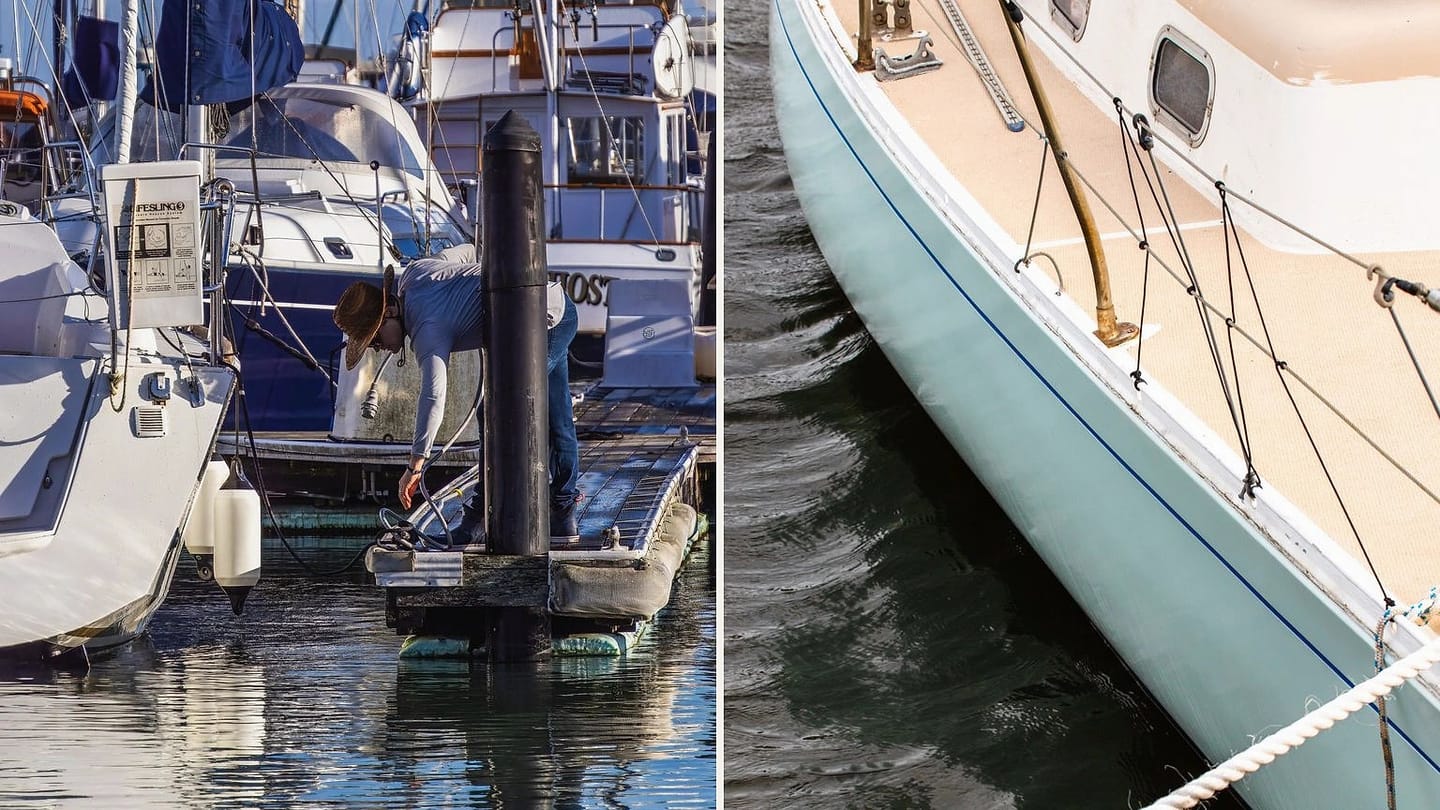
Walk around with the representative and work from bow to stern, then below deck. Compare the written inventory with what is physically aboard. Photograph the hull sides, bow, stern quarters, rails, deck, hatches, windows, sails, tender, outboard, and other areas where existing wear is visible. Take wider photographs that show location as well as close views of damage. A close-up of a chip without context is difficult to place later.
Record scratches, stains, bent fittings, chafe, missing inventory, warning lights, leaks, unusual smells, and anything that does not operate as demonstrated. Check the stated fuel and water levels against the gauges while the representative is present. Ask how the holding tanks are shown and emptied under the base rules. Do not describe a fault more strongly than you can observe. "Port cabin light does not switch on" is better evidence than guessing at a wiring failure.
Test doors, hatches, locks, pumps, taps, toilets, lights, refrigeration, instruments, steering, throttle and gear selection as the base permits. Confirm that tender equipment, fenders, lines, shore-power leads, safety gear, and tools match the list. If an item cannot be tested at the berth, write that limitation on the form and ask what happens if it fails later.
Read the completed record before signing. One current operator contract treats the departure inventory as acceptance of the recorded condition, which is a good reason to make the record accurate regardless of provider. Send or save a dated copy immediately. A photograph of the final signed pages prevents uncertainty about later edits.
Learn the Boat and Brief the Crew
Ask the technician to show actions, then repeat the important ones yourself. Start and stop the engine, identify the raw-water discharge, select forward and reverse at idle when permitted, and locate the fuel shutoff. Find the battery switches and electrical panel. Operate the windlass controls, but also ask about its breaker, clutch, manual release, and the base's rules for crew near the anchor chain. Locate seacocks you may need, bilge-pump controls, fire extinguishers, lifejackets, first-aid kit, tools, emergency tiller, and means of calling for help.
Follow the sheets, halyards, reefing lines, and furling line through their actual leads. Ask how the sails are reduced and secured on this boat. Inspect the tender attachment and outboard starting procedure. Demonstrate the toilets to at least one other adult so the whole crew is not dependent on one person. The purpose is not to memorize every component. It is to know what you can operate, what you must monitor, and when to call the base.
Write down any advice that changes your normal routine. Photograph control panels only when the labels remain readable. Keep the boat manual or base guide where the crew can reach it. If the technician cannot resolve a fault, ask for the decision in writing: repair before departure, approved workaround, replacement item, or a clear amendment to the acceptance record.
Before casting off, give the crew safety briefing. Cover lifejackets, movement on deck, fire, flooding, person overboard, engine controls, heads, support contact, and today's plan. A handover attended by only the skipper still needs to become shared crew knowledge.

Return the Boat and Close the Record
Start checkout while you are still cruising. Keep a simple log of route, stops, weather decisions, engine hours, fuel, and any incident or equipment concern when the contract asks for it. Report faults promptly through the support channel instead of saving a list for the last morning. The base may be able to guide a safe workaround, arrange service, or tell you to stop using the equipment. Preserve those messages with the handover file.
Plan a conservative final leg. Follow the contract's return time and leave room for fuel, marina traffic, weather, and the final berth. If delay becomes possible, contact the base early and follow its instructions. Do not invent a new return arrangement because another crew says it is usually accepted.
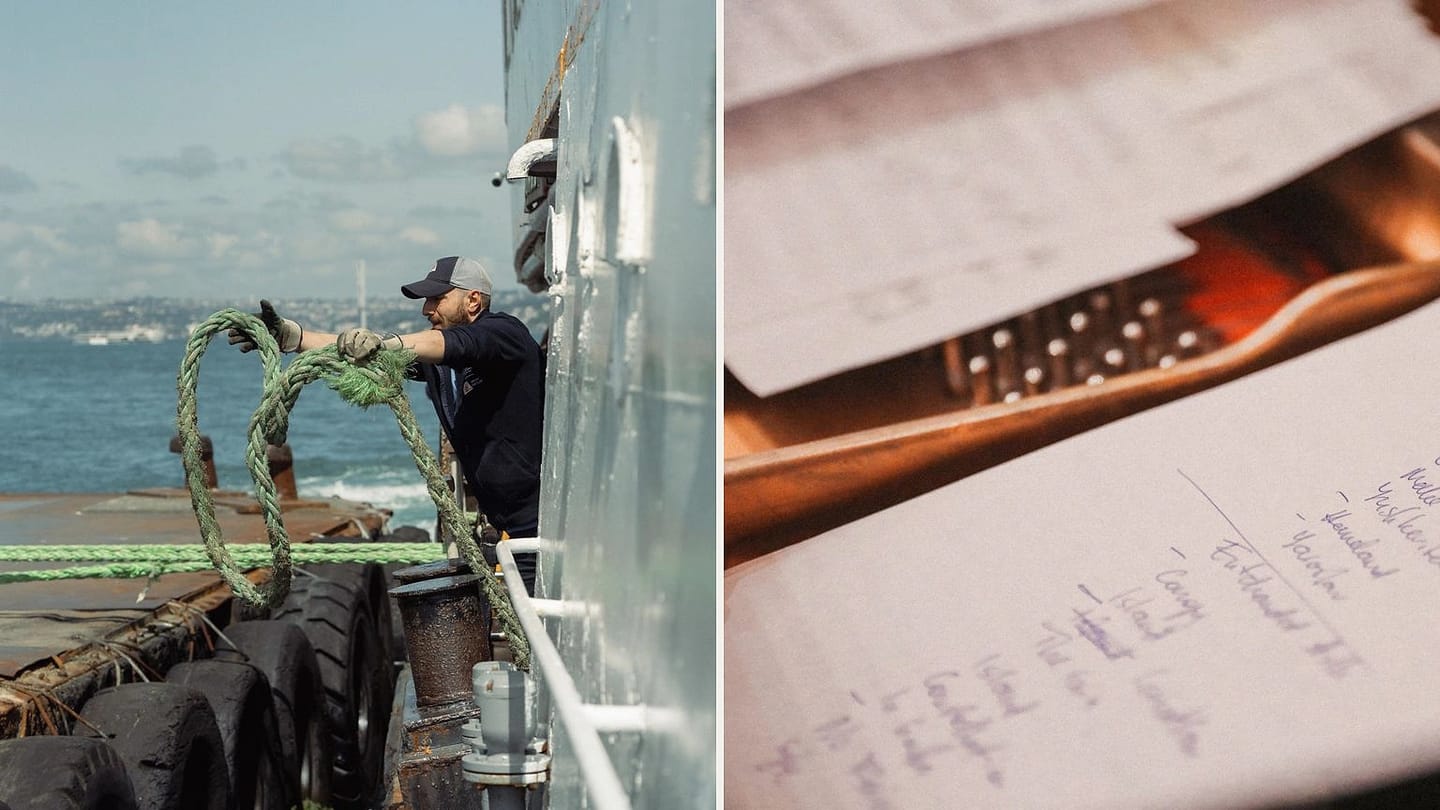
At the berth, use the operator's checkout list. Remove personal food and gear, return borrowed items, handle rubbish and linen as directed, and leave systems in the requested state. Record final fuel, water, and holding-tank information honestly. Complete the defect or debrief form even when you already spoke to technical support. A written return record helps connect the earlier report to the final inspection.
Walk through the boat with the representative. Compare the return condition with the signed departure record and identify any change without hiding or repairing it informally. Confirm what remains open, who will inspect it, and when security will be released under the contract. Keep copies of the return inventory and final messages. The checkout is finished when responsibility has passed back under the written process, not when your bags reach the dock.
Use SailStarter's beginner boat-choice lesson to practise reading an unfamiliar yacht before your charter. Make a one-page handover sheet with four blocks: documents, condition, systems, and return. During check-in, write only what you observed and what the representative confirmed. During checkout, use the same sheet in reverse. This does not replace the operator's forms or local rules. It gives you a steady sequence when the marina is busy and everyone is eager to leave. For the passage itself, review how to check weather before sailing and make the first day modest enough to learn the boat without rushing.
Try it from the lesson
Can you spot the next move?
A wide sailboat glides past on two side-by-side hulls, barely leaning at all. What type is it?
Why you can trust this guide
. We build each guide from public seamanship and safety sources, then teach the universal principle before any local difference.