Chart your course
Marine Survey Cost and Process: What Buyers Should Expect
Quick answer
The short version
A pre-purchase marine survey is an independent inspection commissioned by the buyer to describe the boat's observed condition and identify findings that affect ownership. There is no reliable worldwide survey price. The fee changes with boat size, construction, complexity, location, travel, report scope, and surveyor experience. Budget separately for haulout, pressure washing if allowed, a trial run, fluid samples, and specialist engine, rigging, electrical, or structural checks. Choose a surveyor who knows the vessel type and whose credentials are acceptable to your intended insurer or lender. Agree the scope and fee in writing, arrange access, attend if invited, and read both findings and limitations. The report informs your decision; it does not guarantee a fault-free boat.
Survey day works best when it is planned before contracts, yard calendars, and travel dates become tight. Make the offer subject to a satisfactory survey and trial where your local transaction allows, using appropriate professional advice. The buyer normally selects and instructs the surveyor so the reporting duty is clear. A broker, seller, insurer, lender, or yard can suggest names, but you should check experience, independence, scope, insurance, sample reports, and acceptance yourself.
Which Survey Are You Buying?
Ask for a pre-purchase condition survey when you need a broad buying assessment. An insurance or valuation survey may have a narrower job, and a focused inspection covers only a named system or concern. The title alone is not enough. Request a written scope listing the hull, deck, structure, steering, rig, machinery, electrical, plumbing, safety equipment, documents, and trial observations that are included or excluded.
Describe the boat honestly. Wood, metal, composites, unusual rigs, large battery systems, old engines, and previous damage may require specialist knowledge. Ask what the surveyor can inspect without dismantling and which areas must be opened by the owner or yard. Confirm report timing and whether recommendations are ranked by urgency. A lower fee for an unsuitable scope is not a saving.
Why Do Haulout and Access Matter?
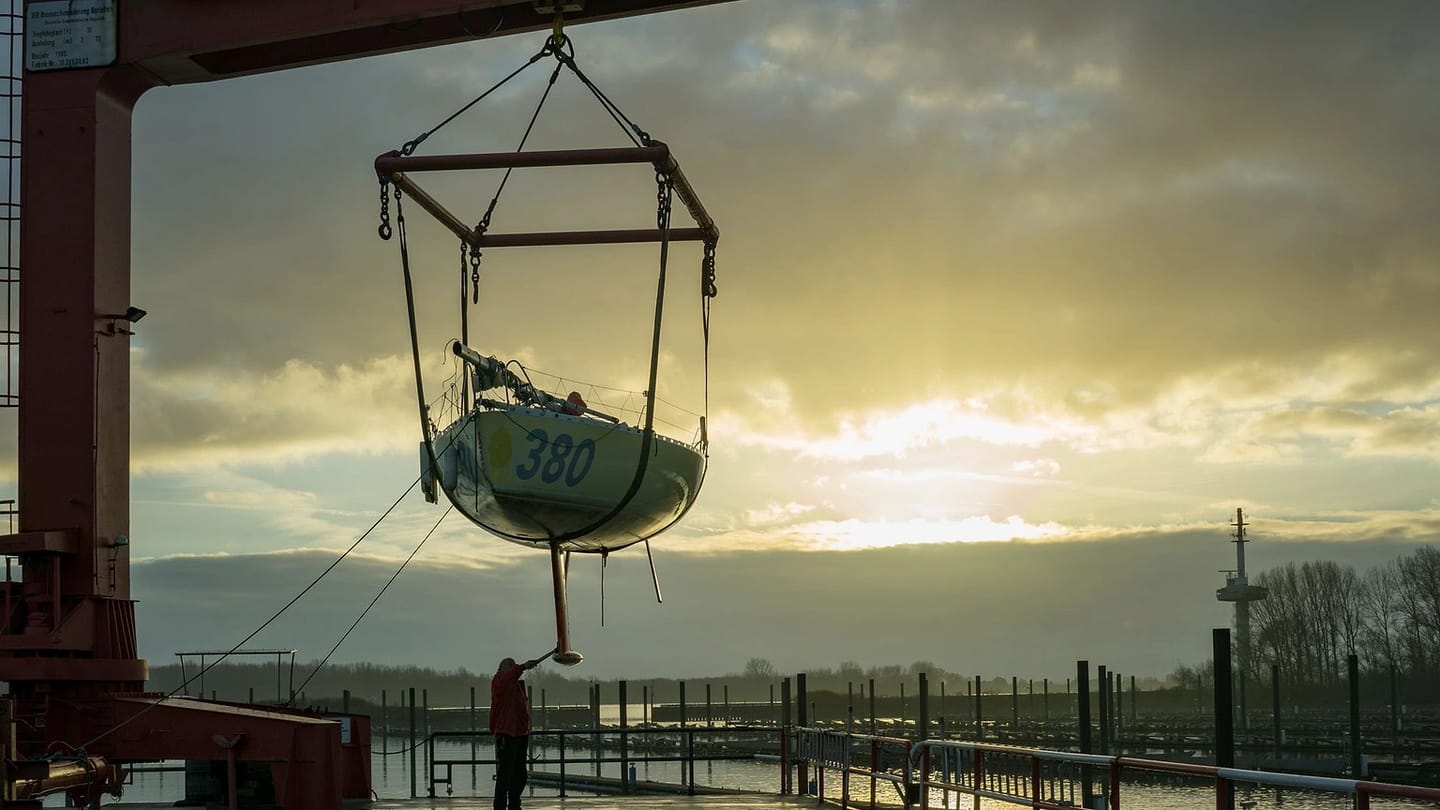
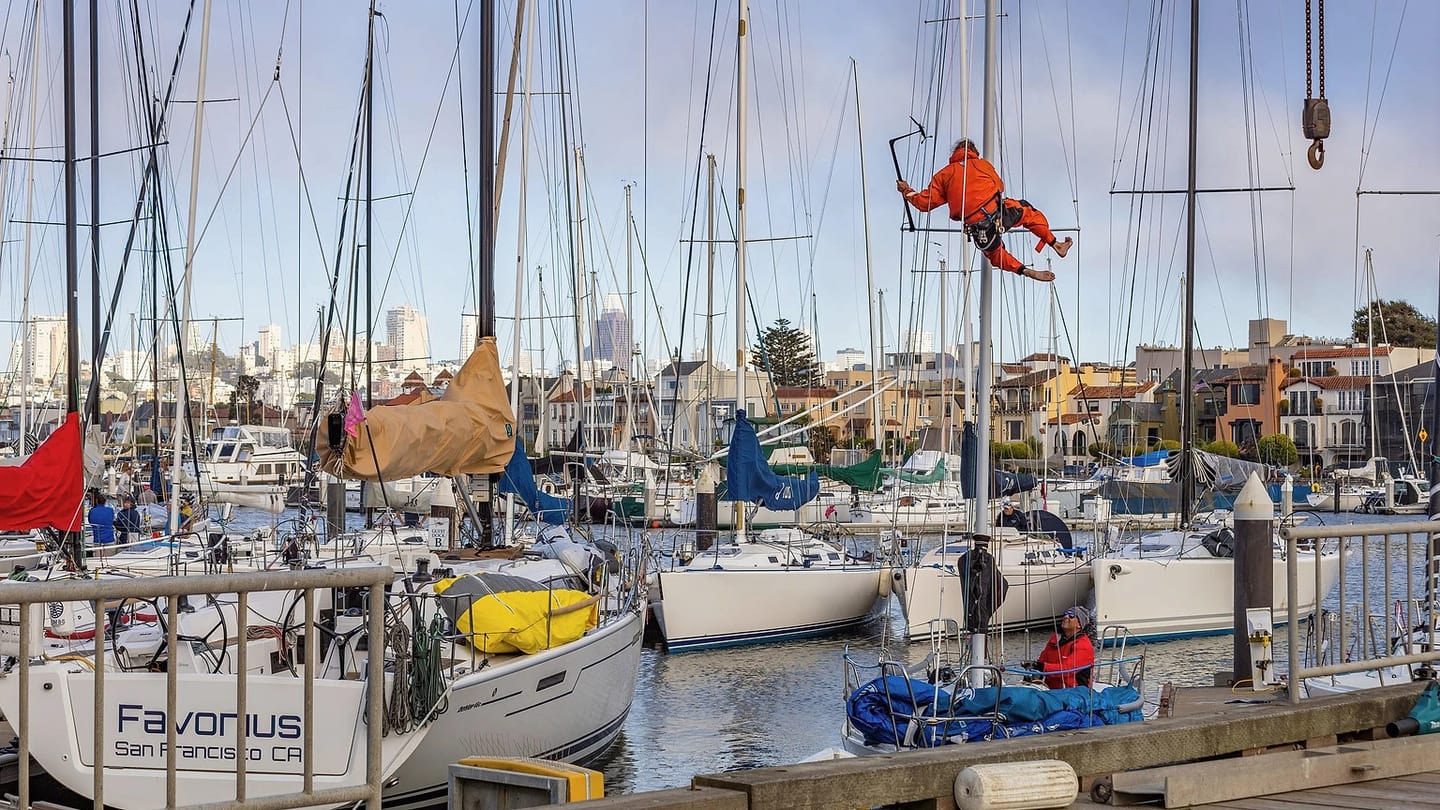
An afloat inspection shows the boat in its normal environment and allows systems to be operated where appropriate. Haulout exposes the underwater hull, keel, rudder, propeller, shaft, anodes, and through-hull fittings. A trial run can reveal steering, machinery, sails, instruments, vibration, and leaks under operating conditions. Each stage answers different questions.
Book the yard, lift, and relaunch early. Ask whether washing, scraping, mast access, power, ladders, or technician assistance cost extra. The surveyor may need lockers emptied and panels removed by an authorized person. Do not let a schedule pressure anyone into unsafe access or an incomplete inspection. If the boat cannot be hauled or trialled, make sure the report states that limitation and decide whether the remaining uncertainty fits your purchase.

What Happens During the Inspection?
The surveyor observes and tests within the agreed scope, records condition, and notes inaccessible areas. Attend if the surveyor permits it, but let the inspection proceed without a running negotiation with the seller. Save broad questions for natural pauses. Point out known concerns and provide documents, yet do not direct the conclusion.
A general surveyor may recommend separate engine diagnostics, oil analysis, an aloft rig inspection, electrical assessment, or material-specific testing. Arrange those when their uncertainty matters to the decision. A normal engine start does not replace diagnostics, and a deck-level view does not prove every masthead fitting is sound. Ask the specialist to report in writing so the records can be considered together.

How Do You Use the Report?
Read the scope and limitations before the recommendations. Separate immediate safety or seaworthiness findings, work needed for insurance or intended use, routine maintenance, and optional improvements. Obtain written repair estimates for expensive items instead of guessing. Confirm with the insurer which findings must be closed and what evidence it needs.
The report can support four rational outcomes: proceed as agreed, renegotiate where the contract allows, require specified work, or withdraw under the agreement. Avoid treating every recommendation as a price reduction or every clean page as certainty. Surveys are visual and non-destructive unless the scope says otherwise. Keep the final report, photographs, invoices, and closure evidence as the beginning of the boat's maintenance baseline.
Ask for scope before asking for price
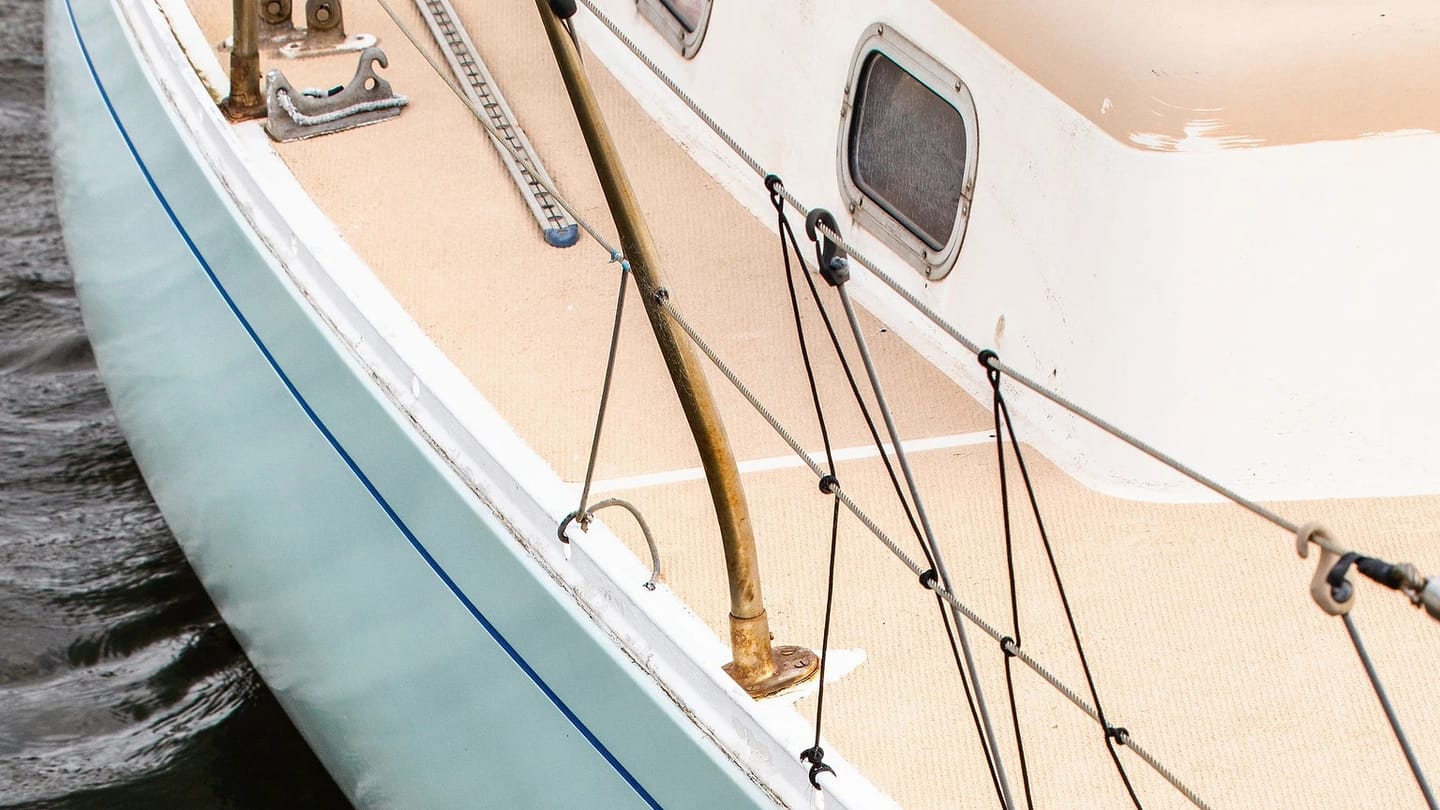
Send each surveyor the same boat details: design, length, age, construction, location, intended purchase, and whether the boat can be hauled and trialled. Ask which systems, areas, measurements, and tests are included and excluded. Confirm the report format, timing, payment terms, and whether the surveyor is available for questions afterward.
Quotes vary with boat size, complexity, access, location, travel, haulout, and the type of survey. A low fee for a narrow inspection is not directly comparable with a broader condition and valuation survey. Ask for the complete expected cost, including yard movements or haulout arranged separately.
Prepare access without preparing the answer
Ask the seller or broker to make lockers, bilges, batteries, machinery, steering, tanks, and documents accessible. Arrange shore power, keys, and permission to operate systems. For a haulout, coordinate the yard so the underwater hull can be inspected while clean and supported.
Do not hide defects or perform cosmetic work meant to obscure condition. The surveyor needs normal access and independent judgment. A survey is still limited to the areas and methods in its agreed scope. Destructive investigation normally requires separate authority.
The survey red-flags guide helps you understand how structure, water paths, rig, steering, machinery, and electrical findings connect.
Attend with useful questions
If permitted, attend without interrupting the inspection. Ask the surveyor to explain unfamiliar systems and distinguish an observed defect from a recommendation for further specialist work. Bring the inventory and seller's disclosures so missing equipment or conflicting claims can be recorded.
Do not treat informal comments during the day as the final report. The written document should state scope, observations, limitations, and recommendations in the surveyor's own terms. Wait for it before making the purchase decision.
Turn findings into decisions
Sort each item by safety or seaworthiness significance, uncertainty, timing, and who can price the work. Obtain specialist quotes where the survey recommends them. Keep confirmed repair costs separate from allowances for investigation. A moisture reading, stain, or noise may point to a question without proving the full cause or repair.
Use the contract and professional advice for deadlines, negotiation, withdrawal, and insurance or finance requirements. The surveyor reports condition within scope. The buyer decides whether the remaining cost, uncertainty, and work fit the plan.
Keep the report after purchase
If you buy the boat, convert accepted recommendations into a dated work list. Record invoices, photos, and follow-up inspections. The report then becomes a starting condition record rather than a document opened only during the sale.
A survey does not promise that nothing will fail later. It reduces uncertainty through an independent inspection. Its value depends on selecting the right scope, making the boat accessible, reading limitations carefully, and acting on findings instead of focusing only on the fee.
Use SailStarter's boat-choice lesson before you instruct a surveyor. Write what the boat must do, where it will live, who will sail it, and which systems you depend on. Send that brief with the vessel details when requesting quotes. Ask each surveyor for scope, exclusions, report timing, fee, travel, haulout attendance, trial attendance, and recommended specialists. Then build the whole survey budget: professional fee, yard lift, wash where appropriate, launch, trial fuel or skipper, travel, and specialist work. This gives you a local number grounded in the actual boat. Once the report arrives, compare each material finding with your intended use and repair budget. The purpose is not to collect a certificate. It is to replace expensive unknowns with enough evidence to make a clear decision.
Interview more than one suitable surveyor when practical. Ask about independence, experience with the construction and systems, professional credentials relevant in that market, insurance, sample report structure, and conflicts of interest. Verify claims with the issuing organization rather than relying on a logo.
Agree how urgent findings will be communicated during the inspection. A buyer may need time under the purchase contract to arrange a specialist, haulout, or additional test. Put those dates on the calendar before survey day and obtain appropriate legal or brokerage advice for the transaction.
When comparing reports, do not count recommendations as if every line had equal consequence. One uncertain structural question may matter more than many routine service notes. Ask the surveyor to explain priority in the language of the report, then build costs and decisions from that explanation.
Compare major findings with the new versus used sailboat guide before deciding how much uncertainty fits the purchase.
Try it from the lesson
Can you spot the next move?
A wide sailboat glides past on two side-by-side hulls, barely leaning at all. What type is it?
Why you can trust this guide
. We build each guide from public seamanship and safety sources, then teach the universal principle before any local difference.