Chart your course
Inboard vs Outboard Sailboat Engines
Quick answer
The short version
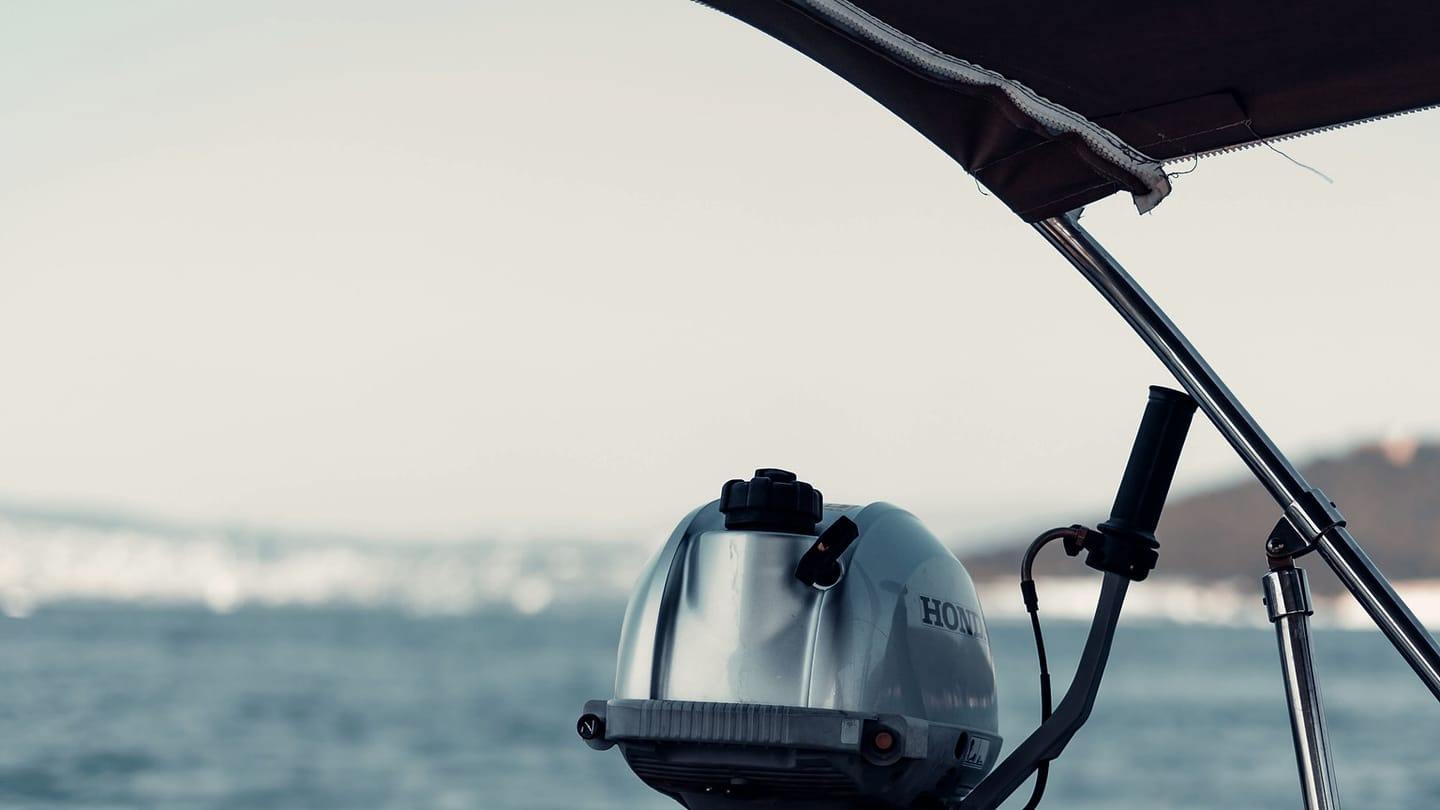
An outboard motor mounts on the transom, bracket, or well and can often be tilted or removed. An inboard sits inside the hull and sends power through a shaft, saildrive, or other installed drive. Outboards can simplify access and free interior machinery space, while inboards often keep weight and the propeller lower and more central. Actual handling depends on propeller immersion, thrust direction, rudder flow, hull shape, and installation. Compare the complete system, including fuel, cooling, exhaust, controls, charging, noise, service access, parts support, and condition. Follow the installed manufacturer’s manual; neither engine type is automatically the better choice.
Auxiliary power on a sailboat has a focused job: leave and enter confined water, manoeuvre when wind fails, charge or power fitted systems where designed, and support the boat’s operating plan. The label on the cover tells only part of the story. A small outboard in a protected well can behave differently from one on a high stern bracket. Two inboards of the same power can differ because one drives a shaft and the other a saildrive. Inspect and trial the installation you may own.
Mounting location drives most of the difference in space, immersion, and service access.
| Dimension | Inboard | Outboard |
|---|---|---|
| Mounting | Inside the hull, fixed via shaft or saildrive | Transom, bracket, or well; often tiltable or removable |
| Weight and propeller position | Lower and more central | Higher; simplifies access, frees interior space |
| Propeller immersion | Usually stays immersed on a fixed drive line | Can lift or ventilate on some hulls in waves |
| Steering interaction | Rudder sits in a fixed thrust flow; reverse and prop walk depend on the install | Some models turn with the tiller, directing thrust at low speed |
| Maintenance access | Service stays aboard; haulout needed for some drive work | Often serviced as one unit, but lifting a heavy bracket unit can be hard |
| Interior space | Occupies machinery space inside the hull | Frees interior space, but takes transom or locker space |
How do installation and space compare?
An outboard packages engine and drive together outside or partly within the hull. It may tilt clear of the water, rotate for steering, and be removed for service if weight and access permit. The mounting structure must carry thrust and engine weight. Check bracket movement, locks, fasteners, well drains, control cables, fuel lines, charging connections, and whether the engine can be operated safely in every required position.
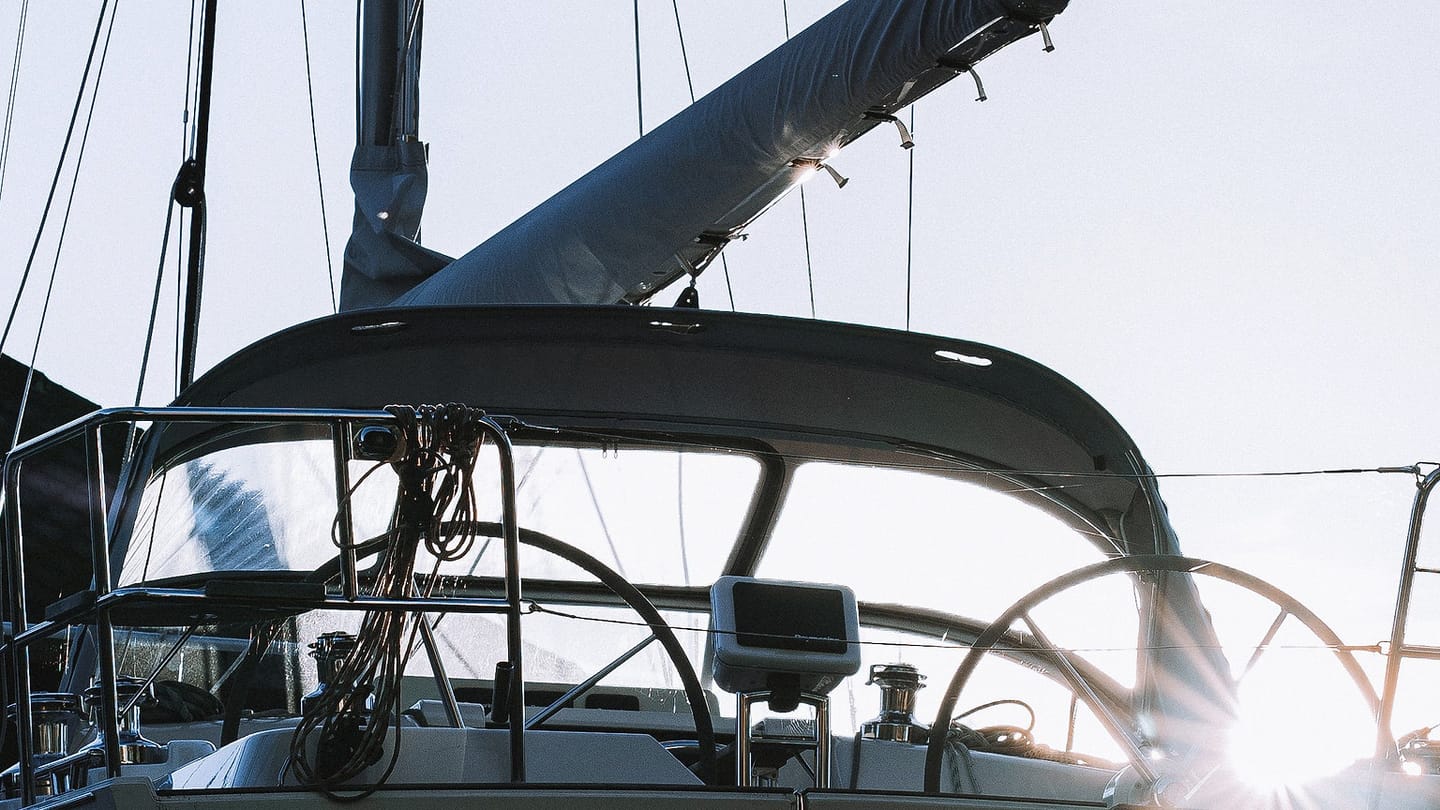
An inboard occupies machinery space inside the hull. Access may be through companionway panels, cabin joinery, or a dedicated space. It needs a drive connection, exhaust, cooling, fuel, ventilation, controls, electrical supply, and mounts appropriate to the model. Inspect whether routine items can actually be reached. An engine with excellent theoretical longevity is a poor fit when basic service requires dismantling the cabin.
Test handling on the particular boat
Propeller immersion matters in waves and when the boat pitches. A stern-mounted outboard may lift or ventilate on some hulls, reducing thrust when it is most wanted. A well can improve immersion but creates its own drainage, fumes, and access questions. Some outboards turn with the tiller or separately, which can direct thrust at low speed.
An inboard propeller usually remains immersed and sends thrust along a fixed drive line. The rudder’s position in that flow can improve steering ahead, while reverse behavior and prop walk depend on the installation. Test forward engagement, reverse, stopping, turning, and control reach in safe open water and near a dock with a competent operator. Rated power alone cannot describe low-speed control.
How do maintenance and service access compare?
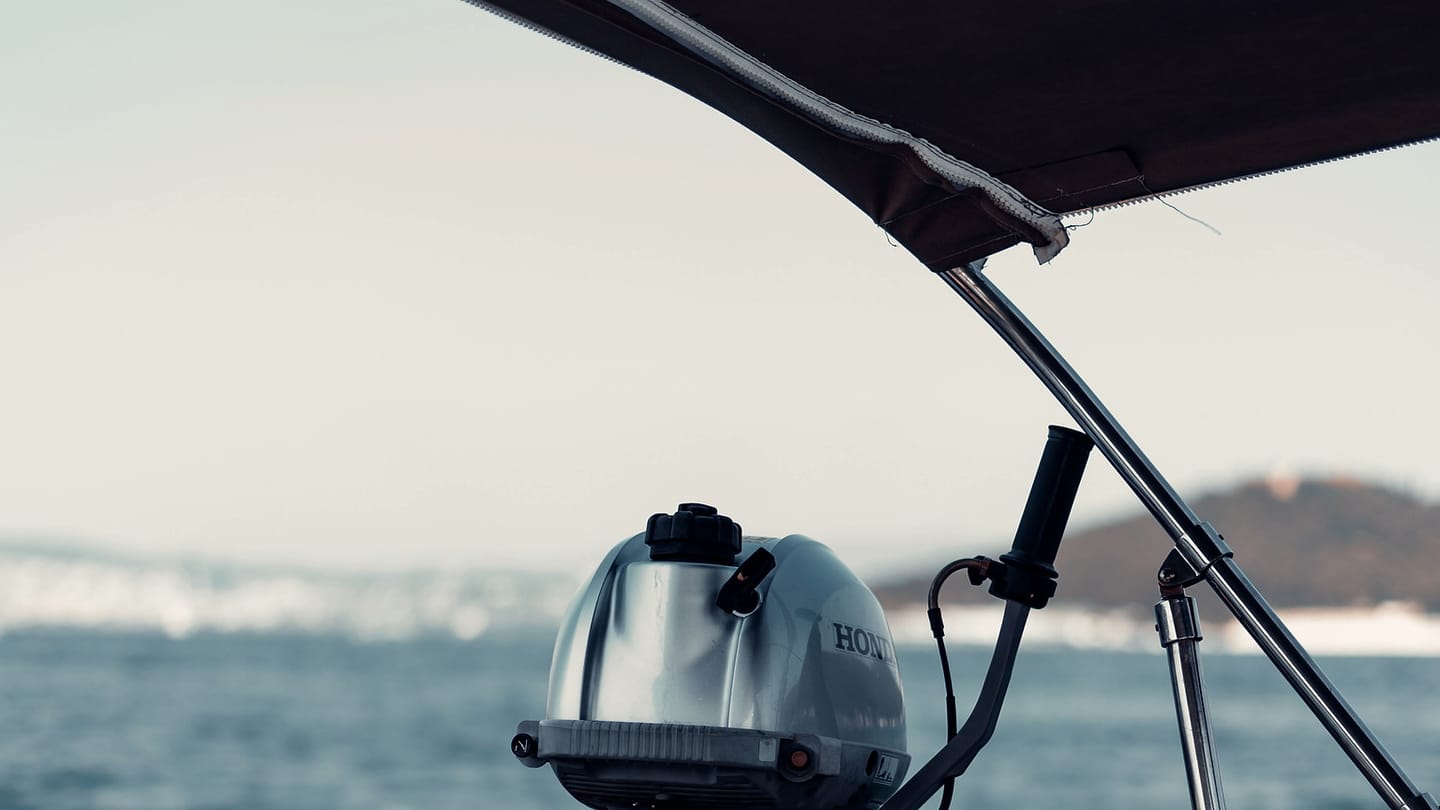
Outboards place much of the engine in one unit and may be taken to a service shop. They still need model-specific fuel, oil, cooling, gearcase, anode, propeller, electrical, and storage care. Saltwater flushing or winter procedures vary. Lifting a heavy unit or reaching a bracket over the stern can be difficult, and parts or trained service may be limited locally.
Inboards keep service aboard. Owners need access to filters, belts, pumps, impellers, fluids, mounts, exhaust, shaft seal or saildrive, and batteries as fitted. Haulout can be required for some drive work. Look for records and identify the exact model before pricing service. Engine condition and installation quality can outweigh the general advantages associated with either category.
Match propulsion to the sailing job
Compare the whole boat, not engine labels
Begin with the manoeuvres and trips the boat must support. A harbor day-sailer may value simple removal and service access. A heavier cruising boat may place more weight on propeller immersion, charging, fuel storage, long running periods, and protection of the installation. Neither “inboard” nor “outboard” answers those questions alone.
Inspect the actual installation. For an inboard, look at access to filters, belts, impeller, cooling system, exhaust, shaft or saildrive, controls, fuel system, and isolation points. For an outboard, look at bracket strength, lifting effort, ventilation, fuel hose and tank placement, charging connection, steering clearance, and whether the propeller remains immersed when the boat pitches or heels.
Measure usable space, not brochure volume. An inboard occupies internal space and adds systems below deck. An outboard can free that area but may take transom or locker space and can affect boarding or steering arrangements. Check service positions with the normal cabin and cockpit setup in place.
Test handling in the conditions that matter
Use the exact boat to test starting, shifting, low-speed steering, reverse control, stopping, and the transition between sail and power. An inboard propeller and rudder interaction differs from a steerable outboard. Prop walk may affect reverse. An outboard's thrust can sometimes be directed with the engine, but its propeller may ventilate if lifted by waves or heel.
Try the controls from the normal helm position. Confirm that crew can reach stop controls and isolation points. Test noise, vibration, cooling-water indication, charging, and the view astern. The prop-walk guide covers one inboard handling effect, and leaving a dock under power shows why low-speed control matters.
Price ownership, service, and failure
List routine tasks and intervals from the engine and installation manuals. Add haul-out needs, specialist access, corrosion protection, fuel-system work, winterization where applicable, and replacement of installation parts. Ask who can service that exact model where the boat is kept.
Then plan for failure. Can the outboard be lifted or removed safely? Can the inboard be reached in a seaway? What charging, hot water, or other systems are lost with the engine? Which spares and tools match the manual? Choose the propulsion arrangement whose handling, access, and support fit the boat's real sailing job.
Questions for a viewing or sea trial
Ask for the engine model, serial number, manuals, installation drawings, service history, recent invoices, and known faults. Start it from cold using the normal procedure. Watch controls, cooling-water indication, instruments, exhaust, charging, leaks, noise, and vibration. Test forward, neutral, reverse, stopping, and low-speed turns with the owner's permission and a competent operator.
For an inboard, inspect the engine beds, mounts, access panels, exhaust hose, cooling route, fuel tank and filters, shaft seal or saildrive, propeller, and steering interaction. Ask which jobs require haul-out. Check whether routine service can be completed without removing cabin furniture or working blindly.
For an outboard, inspect bracket, locks, tilt and lift, control cables, steering link, fuel tank and hose, charging lead, cooling inlets, anodes, propeller, and ventilation. Lift and lower it only by the proper method. Confirm that the propeller remains submerged in the sea state and heel expected for motoring.
Include the installation in the price
An inexpensive engine can sit in a costly weak installation. Budget for fuel-system renewal, controls, wiring, charging, exhaust, mounts, bracket, shaft or saildrive work, propeller, access improvements, and required haul-out. Obtain model-specific service quotes rather than comparing engine purchase prices alone.
Also value lost space and crew effort. If lifting an outboard is unsafe for the normal crew, removability brings little benefit. If an inboard's service points cannot be reached, its protected location may not translate into practical maintenance. Choose the complete system you can operate and care for.
A light daysailer used on sheltered water may benefit from a portable or modest fixed outboard. A heavier cruising boat, high electrical demand, exposed pitching, or frequent motoring may point toward a suitable inboard installation. These are tendencies, not rules. Noise, fuel availability, theft risk, charging output, cabin space, draft, and environmental restrictions also shape the decision.
Write the tasks first: expected motoring hours, distance from help, crew strength, service location, storage, charging needs, and sea conditions. Then compare starting, access, thrust, controls, manuals, records, spares, and trial results. Verify local fuel and operating requirements. If converting a boat, use a qualified designer or yard because engine beds, transom structure, ventilation, fuel, electrics, exhaust, weight, and propeller geometry are connected.

Use SailStarter’s first-boat lesson to define what auxiliary power must do on your normal day. At a viewing, identify the exact engine and drive, find its manual, and trace fuel, cooling, exhaust, controls, charging, and service access. Ask for a cold start and an on-water trial within safe conditions. Record temperature, cooling discharge where visible, charging, vibration, noise, leaks, ahead and astern response, and access to routine items. Get a marine mechanic when condition or installation lies outside the general survey. Choose the whole propulsion system you can operate and maintain, not an abstract contest between engines.
Try it from the lesson
Can you spot the next move?
A wide sailboat glides past on two side-by-side hulls, barely leaning at all. What type is it?
Why you can trust this guide
. We build each guide from public seamanship and safety sources, then teach the universal principle before any local difference.