Chart your course
Roller Furling vs Hank-On Jib

Quick answer
The short version
Roller furling stores a headsail by rolling it around a foil or stay, usually from the cockpit using a furling line. A hank-on jib attaches to the forestay with individual hanks and is lowered before another sail is fitted. Furling reduces routine foredeck sail changes and can make deployment convenient, but adds a drum, foil, swivel, line, bearings, and installation details to inspect. Hank-on sails keep attachment simple and let you select a sail designed for the conditions, but changing or stowing them requires foredeck work. Partly rolling a sail is not equally effective on every system. Choose by boat, sail plan, crew, and maker’s instructions.
The useful question is not which system belongs on a “proper” sailboat. It is how your crew will set, reduce, lower, inspect, and recover the headsail on the boat you use. A furler may make a short sail easier because the sail is ready to unroll. A hank-on inventory may give a small boat simple, distinct sails for different winds. Poor technique or neglected equipment can make either arrangement awkward. Learn the exact sequence before weather adds load.
Both systems trade foredeck work against hardware to inspect and shape held under reduction.
| Dimension | Roller furling | Hank-on |
|---|---|---|
| Storage and deployment | Rolls around a foil or stay, usually from the cockpit | Attaches with individual hanks, lowered to change |
| Foredeck work | Reduced for routine sets and douses | Required for every change |
| Shape when reduced | Partial roll changes draft; can become deep and inefficient | Each sail keeps its purpose-cut shape |
| Hardware to inspect | Drum, foil, swivel, furling line, bearings | Hanks, luff attachment, sail bag |
| Wind-range approach | One sail handled by partial rolling, within maker limits | Separate sails cut for different wind ranges |
Understand what each system changes
A furler carries the sail on a foil or suitable stay with a drum at deck level and a swivel or top fitting. Pulling the sheet unrolls the sail while the furling line pays out. Easing the sheet and pulling the furling line rolls it away. The halyard, lead angle, drum turns, line routing, and sail construction must match the system’s instructions.
Hank-on sails use separate clips along the luff. The crew attaches each hank in order, connects halyard and sheets, hoists, then lowers and removes the sail when changing. The forestay remains structurally separate from the sail attachment. Hanks, luff, halyard, sheets, and sail bag still need inspection and orderly handling. Simpler equipment does not mean no technique.
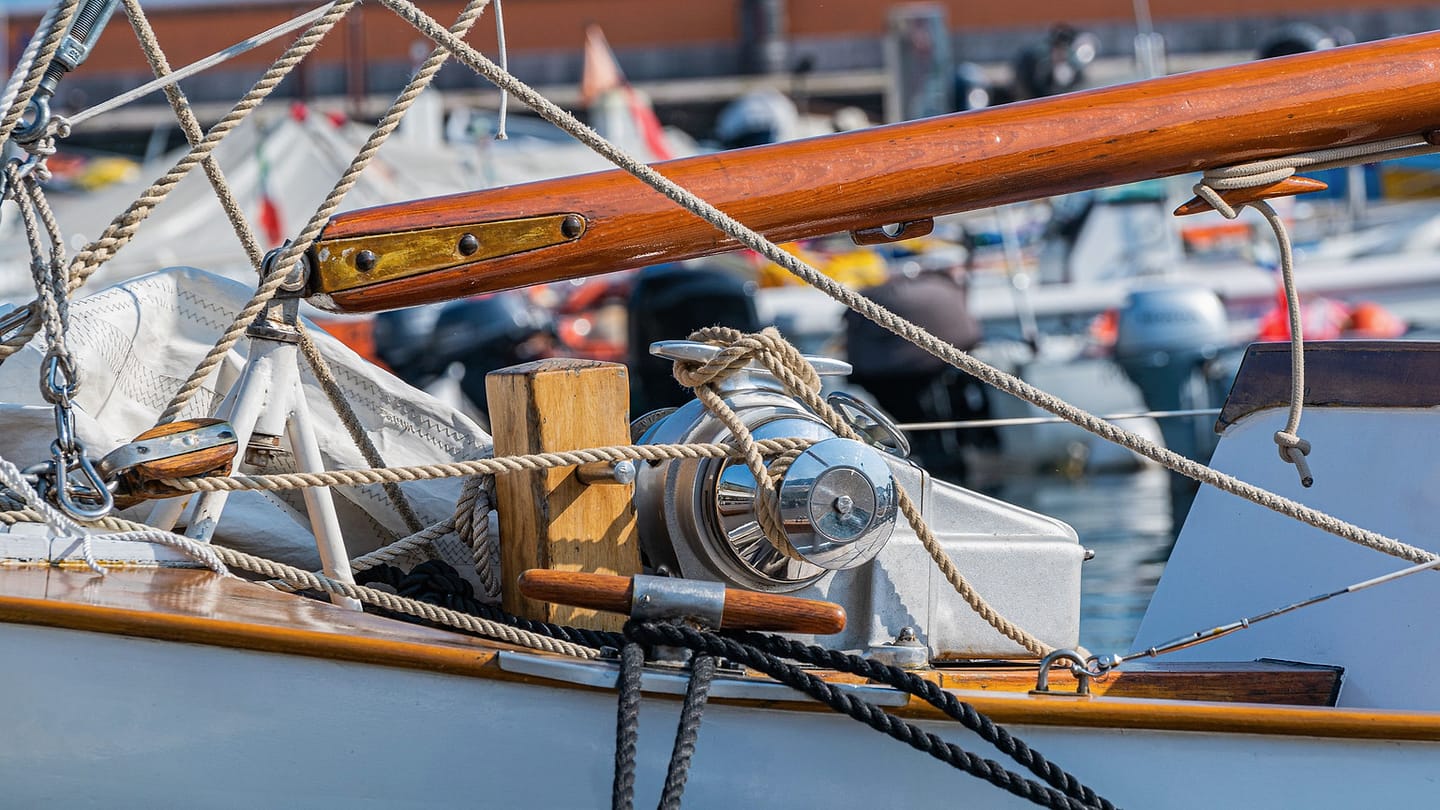
How do deck work and crew workload compare?
Furling can keep routine deployment and storage controls near the cockpit, which reduces how often a crew goes forward for a normal set or douse. It does not remove all foredeck work. The sail still needs fitting, removal, inspection, washing or repair, and a safe plan if the line jams or the sail will not roll in.
Hank-on changes put a crew member at the bow to lower, secure, detach, bag, and replace a sail. On a small stable boat in sheltered water, that can be straightforward and instructive. Offshore, in waves, or with a short-handed crew, it may be more demanding. Jacklines, clipping practices, lifejackets, and deck movement depend on boat and conditions; get practical instruction rather than improvising.
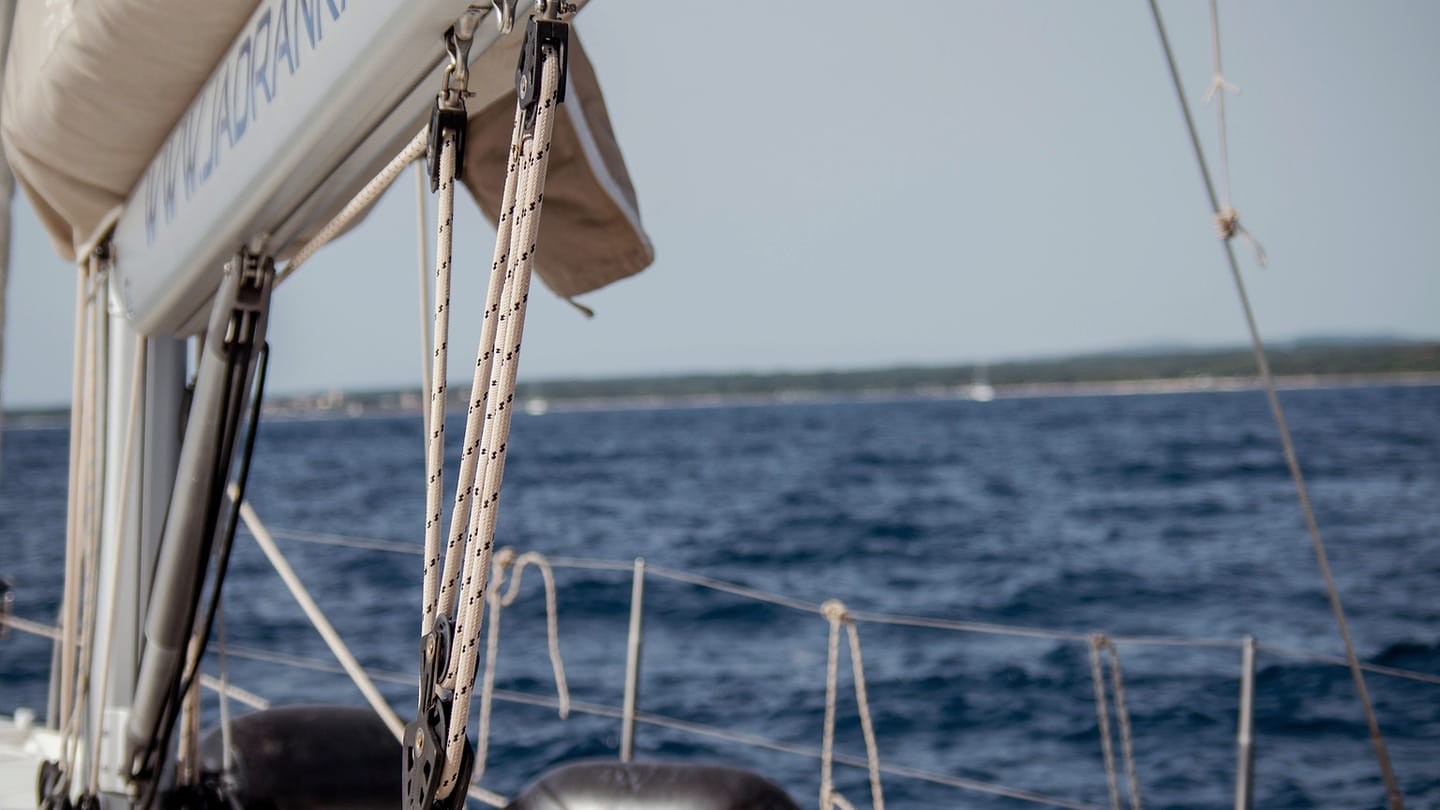
What happens to sail shape when reduced?
Some furling headsails are designed to reef as well as furl. Partly rolling reduces area, but it also changes draft, luff shape, and sheeting geometry. Foam or rope in the luff and adjustable lead positions can help on a compatible sail. Manufacturer and sailmaker limits control. A sail built mainly for full deployment may become deep and inefficient when heavily rolled.
Hank-on inventories can use separate jibs cut for different wind ranges. The selected sail retains its intended shape, but changing it takes time and handling. Carrying several sails uses storage space and adds decisions. Compare how much wind range you actually need, whether the crew can change safely, and how well the existing boat’s tracks and leads suit each sail.

Inspect the complete headsail system
Compare the jobs you will actually do
List the full sequence for hoisting, reefing or changing, lowering, and securing the headsail on the boat you are considering. Roller furling usually lets crew deploy and reduce sail from the cockpit, but the furling line, drum, swivel, foil, halyard lead, and sail all have to work together. Hank-on sails require foredeck work and sail changes, yet the attachment points are simple to see and a lowered sail can be removed or secured directly.
Compare crew number, mobility, foredeck protection, route, expected wind changes, sail inventory, and how often sail changes are acceptable. A solo coastal cruiser may value cockpit handling differently from a crewed training boat or racer. The system should fit the crew you normally have, not an ideal crew on a calm demonstration day.
Understand the compromise when reducing sail
A purpose-cut smaller hank-on jib keeps its designed shape when changed. A furling sail rolled partway around the forestay becomes smaller without becoming a different purpose-cut sail. Shape can become fuller or less efficient as more is rolled, though foam or rope luffs and sail design can improve the result within limits.
Ask the sailmaker how much reduction the sail is designed to carry effectively and where a separate heavy-weather sail belongs in the plan. Do not assume the furler can create every needed sail size. Reef before the line and sail are heavily loaded, follow the system instructions, and keep enough furling-line control to prevent an uncontrolled unroll.
Inspect and practise failure responses
Check furling line condition and lead, drum loading, fasteners, foil joints, halyard wrap risk, swivel movement, tack and head attachments, UV cover, stitching, and forestay condition using maker guidance. For hank-on sails, inspect hanks, luff tape or reinforcement, halyard attachment, sheets, sail bag, and safe securing arrangements on deck.
Practise what happens if the furling line jams, overrides, parts, or cannot roll the sail. Practise lowering and securing a hank-on sail without losing it overboard. Keep fingers clear of loaded drums, hanks, and foil entries.
The jib versus genoa guide explains headsail size and overlap, while sailing in squalls shows why an early sail-reduction plan matters. Choose the system whose normal and failed states the crew can manage safely.
Questions to ask on a trial sail
Can one person deploy, trim, reduce, and secure the sail from the normal working positions? Does the furling line remain fair on the drum? Does the halyard turn with the top swivel or show a tendency to wrap? Can the crew see how much sail remains rolled and whether the UV cover finishes outside?
For hank-on sails, can the crew reach the foredeck attachment points with suitable handholds and protection? Is there a safe way to contain the lowered sail? Can the correct smaller sail be found and rigged without emptying a wet locker in rising wind?
Try the reefing or change sequence before purchase with the owner's permission and suitable conditions. Observe sail shape, sheet-lead adjustment, visibility, foredeck movement, and communication. A system that works only because an expert quietly fixes each step is not yet easy for the intended crew.
Plan maintenance and spares
For furling, obtain the exact system manual and service history. Ask about bearings, lubrication where specified, foil joints, forestay inspection, line replacement, and safe dismantling. Keep the correct furling line and attachment parts available.
For hank-on sails, inspect every hank and its attachment, luff reinforcement, sail stitching, and bags. Keep the inventory labeled by wind range and attachment. Neither system is maintenance-free; the work is simply located in different parts of the sail-handling sequence.
On a furler, examine the drum, line, fairleads, foil joints, feeder, swivel, bearings, terminals, halyard path, forestay, and attachment points. Look for chafe, corrosion, cracks, loose fasteners, wraps, stiffness, and foil damage. Turn the unit by hand without sail load where the manual allows. Confirm the number and direction of drum turns before hoisting.
Watch the system through a complete roll at the dock in light conditions. The sail should enter the roll evenly while the furling line winds without riding over itself. Stop if resistance changes sharply. Pulling harder can hide a halyard wrap, crossed line, damaged foil joint, or another fault that needs inspection. Keep fingers, clothing, and loose line clear of the rotating drum.
On hank-on gear, inspect each hank for closure, wear, sharp edges, and corrosion. Check luff tape or grommets, stitching, head and tack fittings, forestay, turnbuckle, halyard, sheets, and deck leads. For either system, practise a complete controlled lowering. A sail that looks tidy at the dock can still hide a difficult drop, poor lead, or worn attachment.
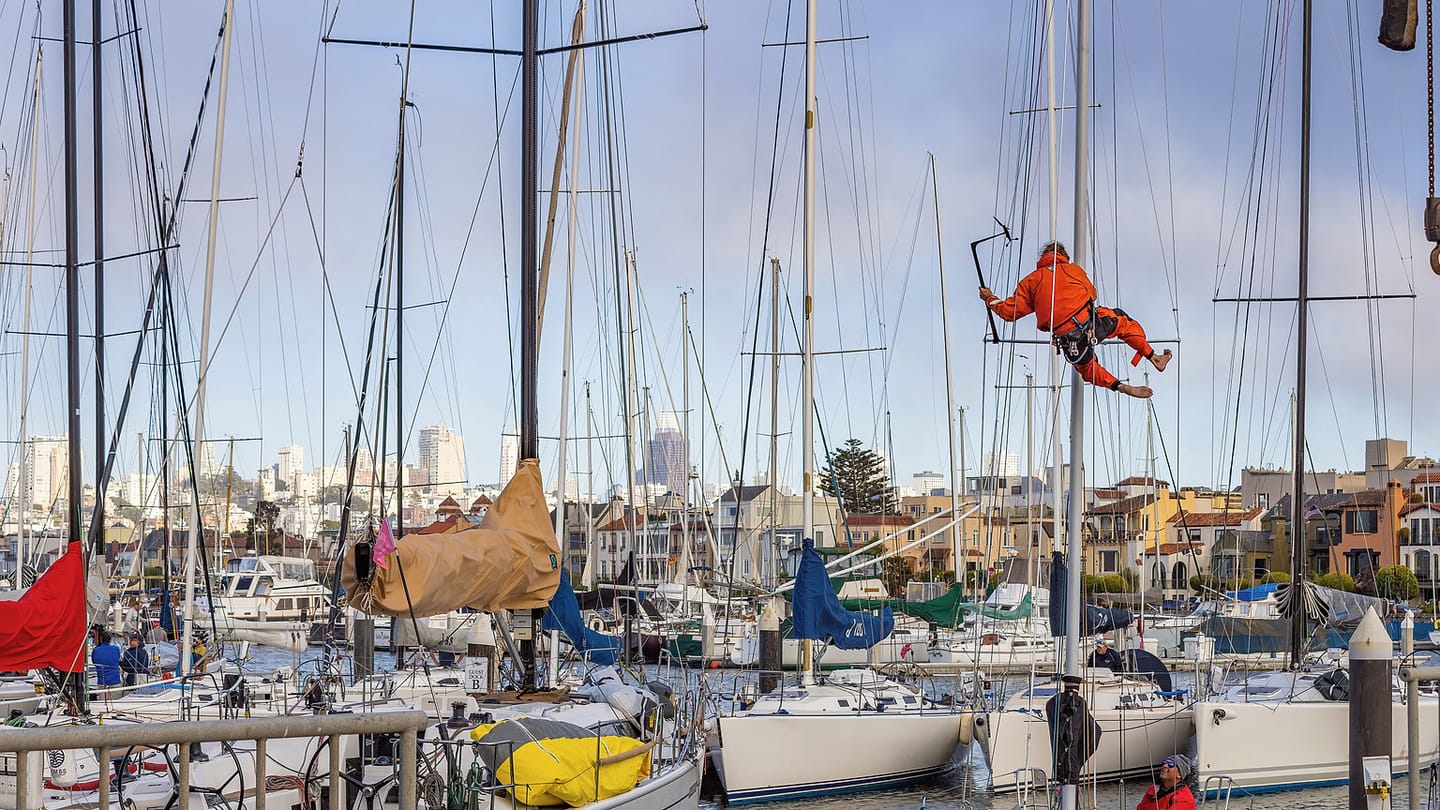
SailStarter’s sail lesson explains how a headsail creates drive and why shape matters. Use that foundation while trying both systems with an instructor. On a furler, practise a full set, clean roll, partial reduction only if the sail is designed for it, and a backup lowering plan. With hank-on sails, practise clipping on in order, hoisting, lowering, securing, changing, and stowing without tangles. Inspect the hardware after the drill. Your answer may depend on crew size, deck access, sailing range, and the sail inventory already aboard. Convenience helps when the system remains understandable and serviceable.
Try it from the lesson
Can you spot the next move?
A halyard raises a triangular sail. Which corner does it attach to?
Why you can trust this guide
. We build each guide from public seamanship and safety sources, then teach the universal principle before any local difference.