Chart your course
Sailboat Maintenance Costs by Boat Size
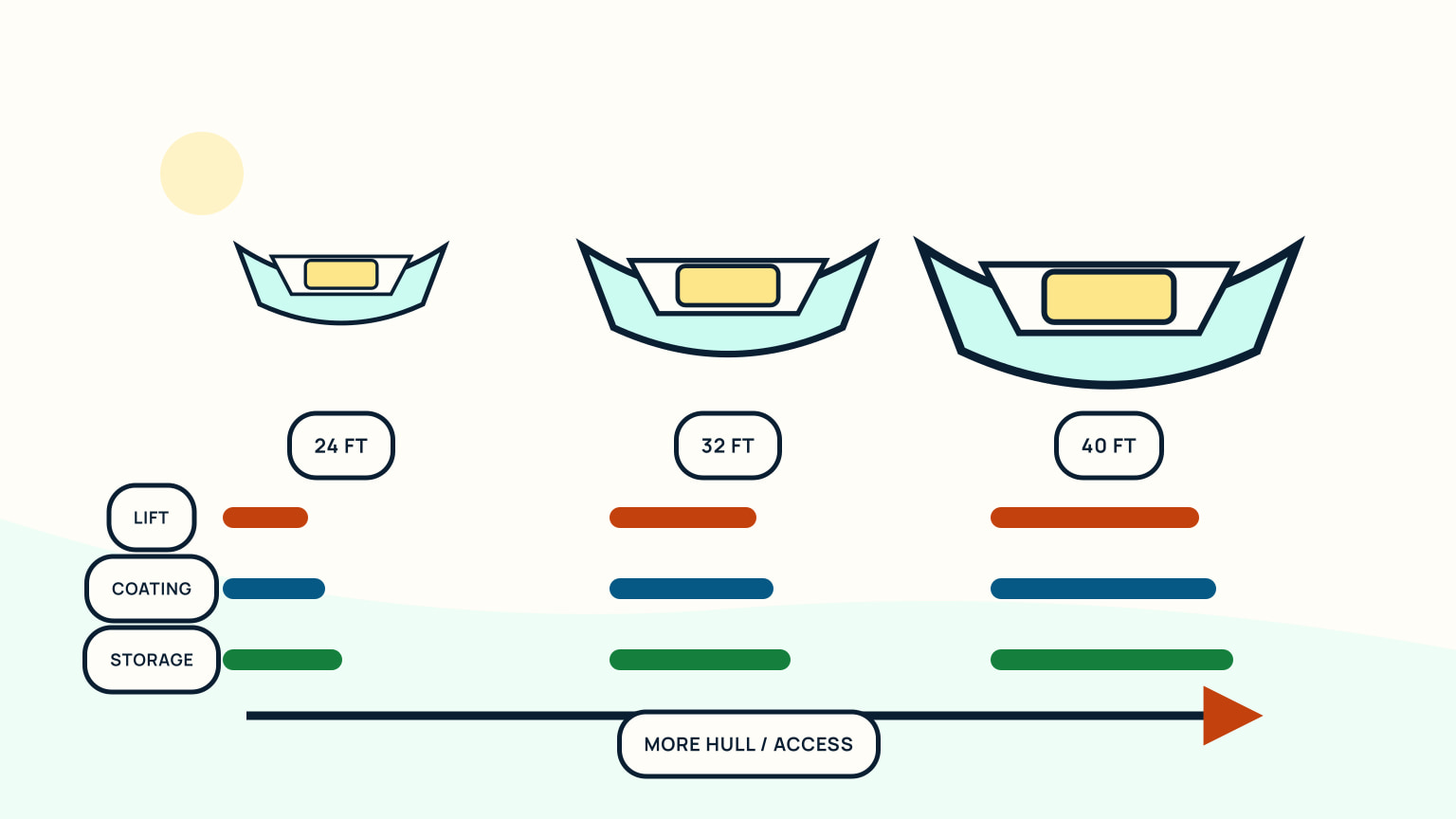
Quick answer
The short version
Boat length changes maintenance cost, but it does not produce a reliable universal price chart. A longer hull uses more coating and may need larger lifting, storage, rigging, and handling equipment. Yet condition, construction, location, access, and the number of installed systems can outweigh length alone. Compare boats by pricing the same work packages: berth or storage, haulout, insurance, routine consumables, manual-led engine and rig service, repairs already visible, and a contingency. Obtain local written quotes using the actual boat's dimensions and equipment. That gives you a budget you can defend instead of a percentage borrowed from someone else's boat.
The useful question is not “What does a 30-foot sailboat cost each year?” It is “What work will this particular boat need, and what controls the price of each item?” Two boats with the same length can have different engines, rigs, underwater gear, toilets, batteries, finishes, and access. One may have complete records; the other may need a baseline survey and overdue work. Start with a common scope, then let size and complexity adjust it. The true cost of a cheap sailboat uses the same method for a buying decision.
Compare work before prices
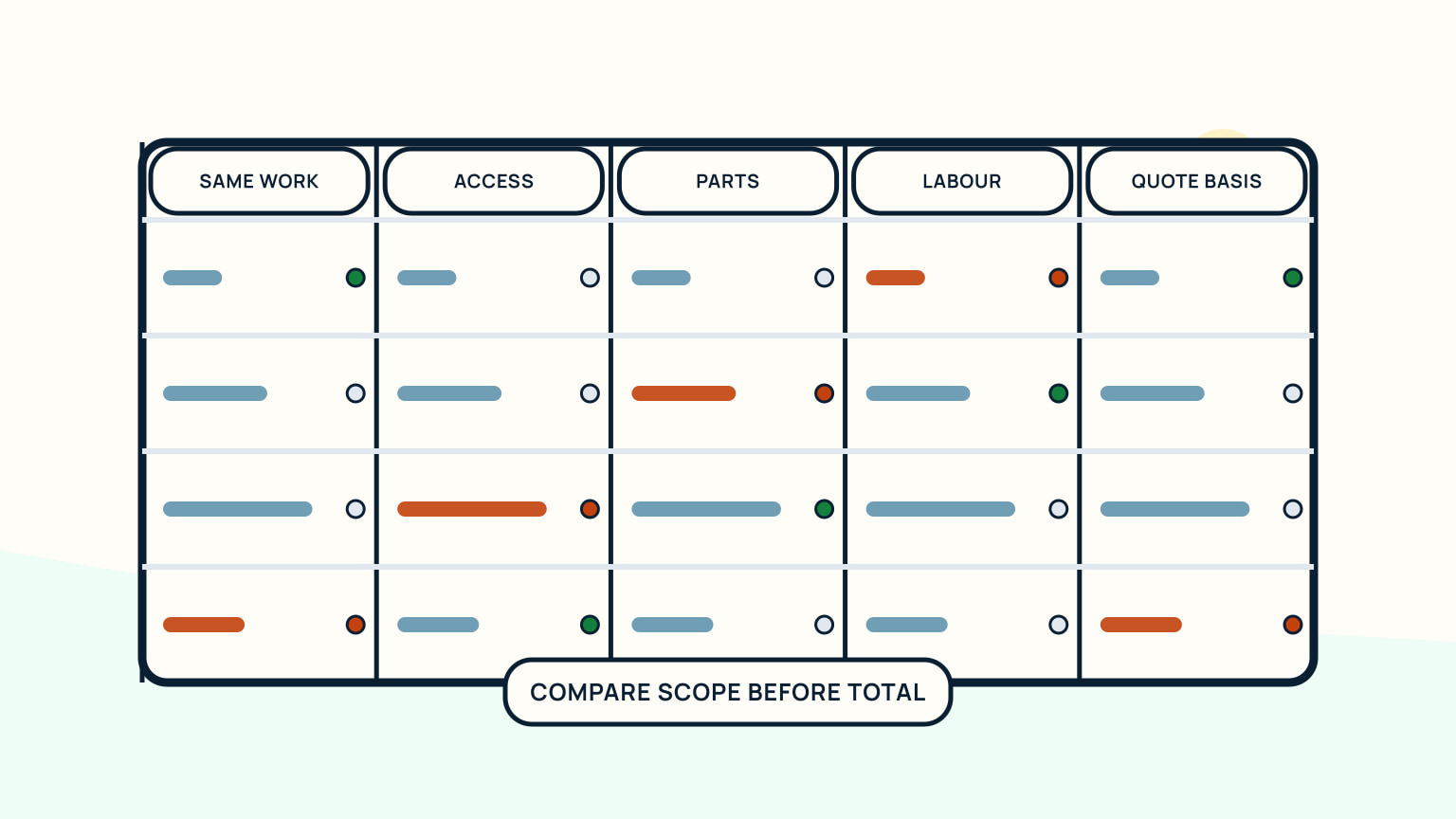
Build a list of work packages before collecting numbers. Include storage or berth, launch and haulout, hull and underwater gear, rig, sails, engine, fuel, batteries and charging, plumbing, steering, deck hardware, safety equipment, insurance, and local administration. Mark which packages apply to each candidate boat.
Describe the requested work consistently. “Bottom job” is too vague for comparison. Record hull length, beam, draft, displacement where the yard asks for it, coating condition, known repairs, number of coats, access, and whether waste disposal or pressure washing is included. For an engine quote, give maker, model, hours if known, service history, symptoms, and the manual-led work requested.
Separate inspection from repair. A survey, haulout, rig inspection, or engine diagnostic buys condition evidence. The repair budget comes after that evidence. Combining both into one guessed allowance hides the very uncertainty you need to manage.
Ask every quote to show inclusions and assumptions. One yard may include lift, blocking, launch, environmental fees, and tax; another may quote only labour at the boat. One rigger may inspect from deck level; another may include an aloft examination and written report. Put the scope beside the number before comparing totals. Note how long the quote remains valid and what happens if the inspection reveals extra work. A cheap line item with an undefined finish can be more uncertain than a higher complete quote. Keep prices in their original currency and date when comparing boats across regions.
See how size changes access
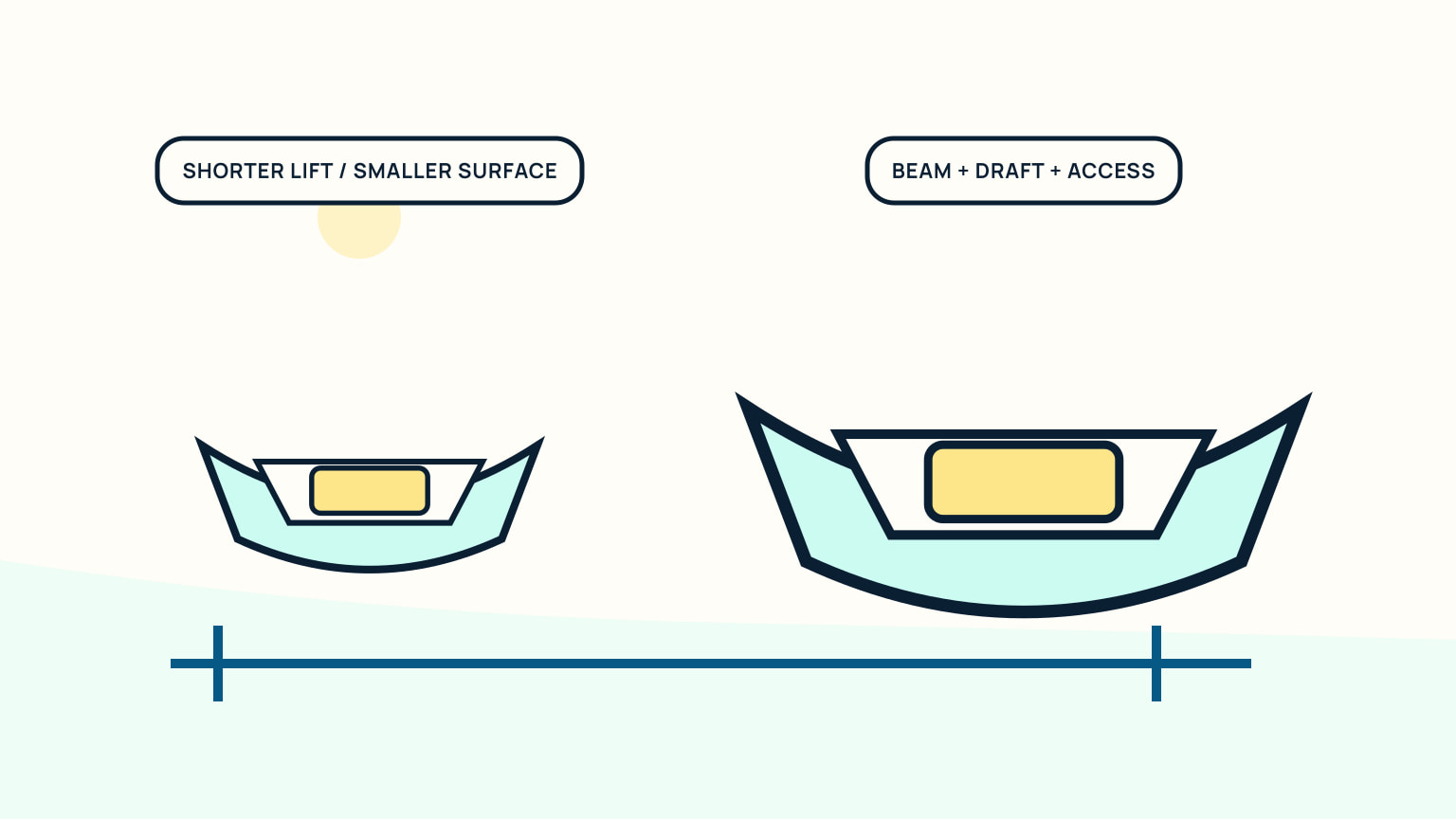
Length affects quantities, but yards often price access from more than length. Beam, draft, displacement, mast height, trailerability, and the capacity of lifts or stands can change where and how the boat is handled. Ask the yard for its measurement method and all related charges. Local quotes are more useful than a table that assumes different facilities.
Surface area increases paint, cleaning, polishing, cover, and sail quantities. Larger loads can mean larger lines, anchors, batteries, winches, steering parts, and rigging. Those are tendencies, not a parts list. Use the installed sizes and model numbers when pricing replacements.
Access inside the boat matters too. A compact boat with an engine behind removable panels may be faster to service than a larger boat with cabinetry blocking the same component. A tank that cannot leave without cutting structure changes a repair completely. During inspection, photograph the route from access hatch to service point and ask how tools, people, and replacement parts reach it.
Size also changes the number of people or machines needed to handle a job. A small sail can be carried and folded by two owners; a larger sail may need more crew, a loft pickup, or mechanical help. A mast, anchor, battery bank, or propeller that crosses a yard's equipment threshold can change the whole method. Ask which dimension triggers the price rather than assuming every charge rises smoothly by foot. Inside, count duplicated systems. Two heads, multiple tanks, extra pumps, and a larger charging installation can add more recurring work than a modest increase in hull length.
Separate fixed and variable work
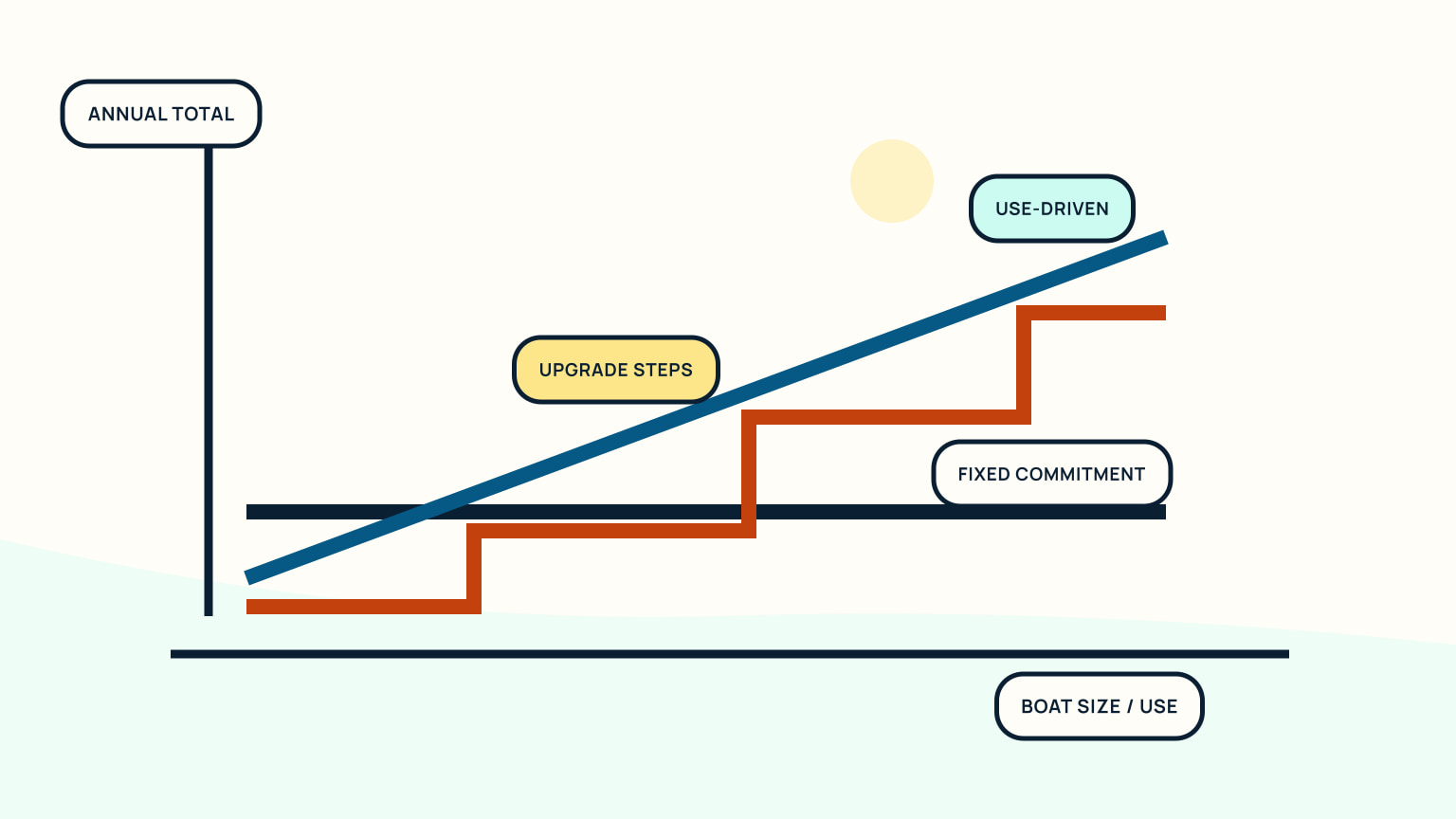
Some costs arrive whether the boat sails often or stays tied up: storage or berth, insurance, inspections required by a policy or yard, registration where applicable, and calendar-based service. Others rise with use, condition, or operating environment: fuel, filters, wear items, cleaning, coatings, repairs, and replacements. Keep these groups apart so an inexpensive season does not disguise a future obligation.
Manual intervals may use calendar time, operating hours, or both. Put each installed component on the maintenance calendar and note which trigger applies. Do not average unrelated intervals into one yearly amount. A job that falls every few years still needs a visible reserve.
Upgrades belong in a third group. New electronics, comfort equipment, or cosmetic work may improve the boat, but they are not routine maintenance. Keeping them separate protects the budget for watertightness, steering, propulsion, rigging, and required safety work.
Reserve separately for infrequent work. Rig replacement, sail replacement, major engine service, steering overhaul, tank access, and some drive or seal tasks may not appear in an ordinary year, but their absence from last year's spending does not make them free. Use service history, current inspection, and manufacturer guidance to place the next decision point on the calendar. Keep this reserve distinct from emergency cash and from the annual routine budget. When an inspection shows that an item can remain in service, record the basis and next review instead of silently releasing the money to upgrades.
Build a boat-specific budget
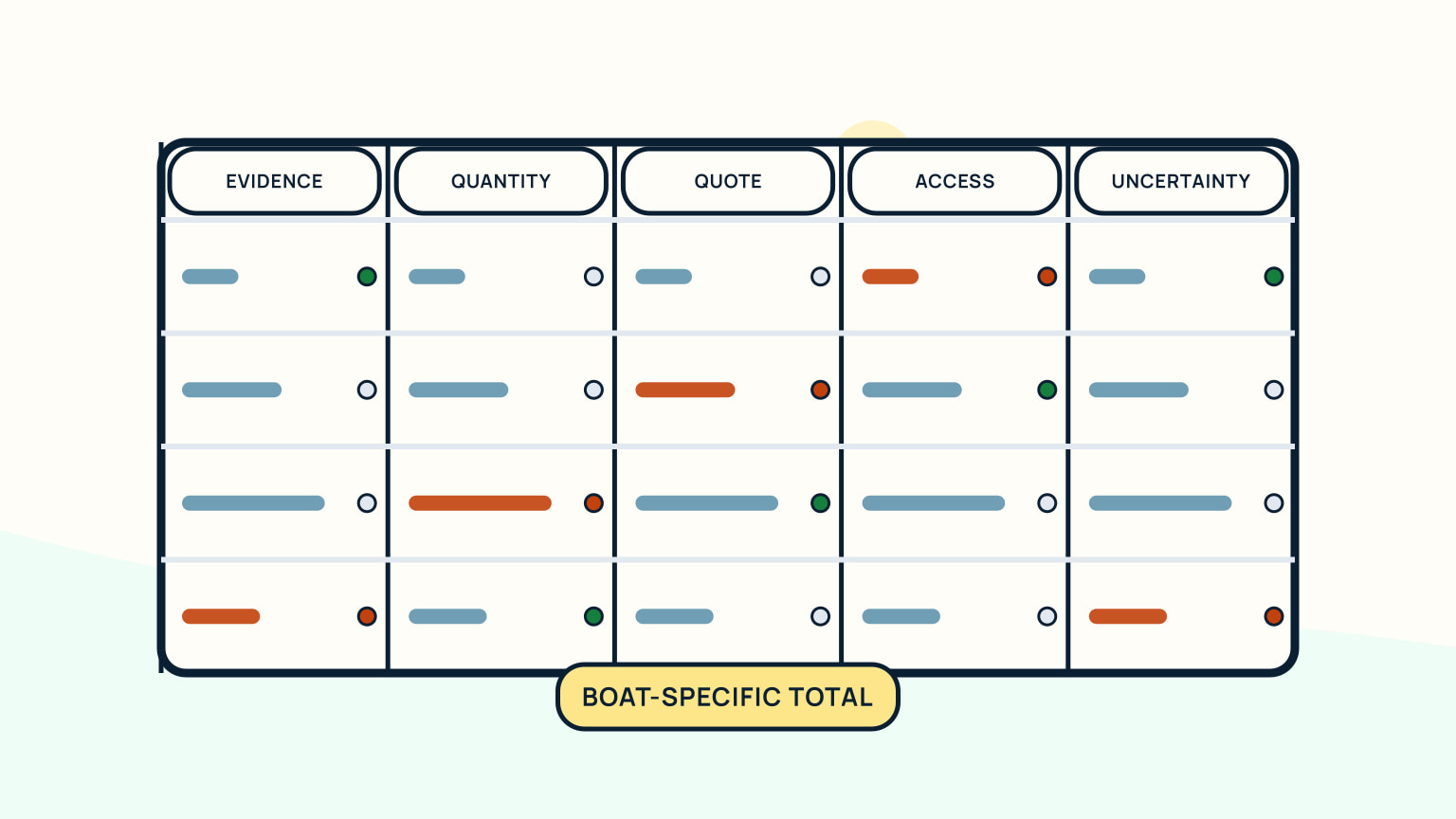
For every work package, record four numbers: confirmed quote, materials you can identify, access and logistics, and an uncertainty allowance. Add timing and the evidence behind the number. An old online forum estimate has little value beside a current quote from the yard that will lift this boat.
Price the first year separately from a settled year. A newly purchased boat may need a survey, haulout, overdue service, missing manuals, baseline fluids, rig or engine specialist checks, and correction of known deficiencies. Later years may be calmer once records and condition are established. Do not spread catch-up work across an annual average if the money is needed before safe use.
Compare the total with your available cash and time. Owner labour is still a resource: include tools, consumables, protective equipment, travel, storage, cleanup, and the chance that a finding will require a professional. The result is a decision model, not a promise that nothing else will appear.
Run the budget through two scenarios. The normal case uses confirmed work and current quotes. The stressed case brings one named uncertainty forward, adds a delayed launch or extra storage period, and assumes owner time is less available than planned. If either case leaves no reserve for essential operation, the boat or the planned scope may be too large for the budget. This is especially useful when comparing a simple longer boat with a shorter boat carrying more systems. The exercise exposes what drives cost instead of letting length serve as a misleading shortcut.
Protect the contingency
A contingency is reserved for uncertain work already identified, not a reason to accept an unknown boat blindly. Tie it to named gaps: inaccessible tank, incomplete rig history, old wiring, unclear deck moisture, uncertain saildrive service, or a survey recommendation awaiting a specialist quote. As evidence improves, replace the allowance with a real price.
Prioritize by consequence and timing. Fund structural integrity, water ingress, steering, propulsion, rigging, and required safety work before finish and convenience projects. Ask whether the boat can remain safely stored if a repair grows. A bargain that consumes the entire reserve at purchase leaves no room for the first significant finding.
Review actual spending after each season. Update quantities, yard rates, recurring access, and intervals. That history becomes the best guide to this boat's future costs and helps you read the next sailboat listing with better questions.
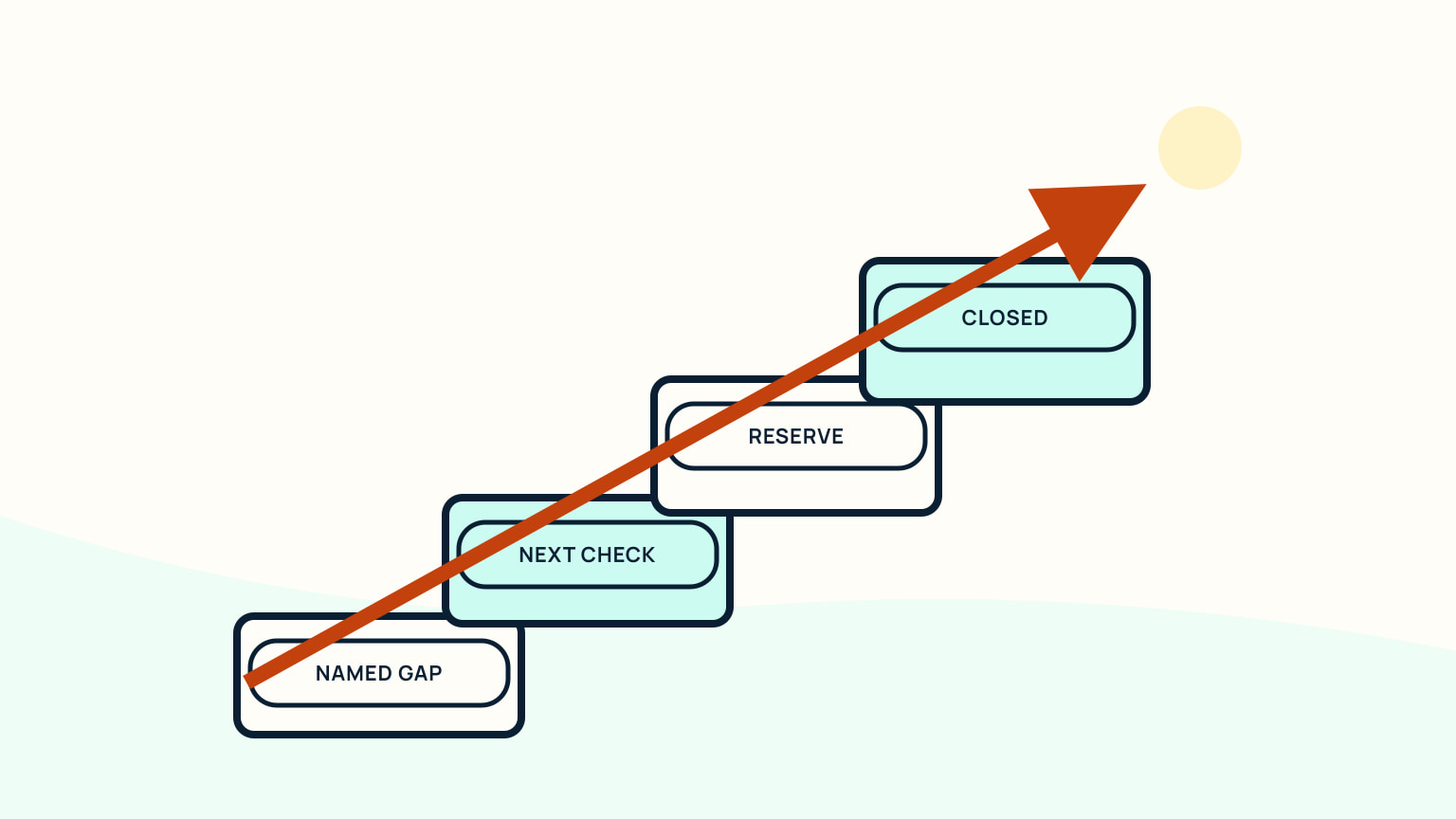
Keep each uncertainty visible until evidence closes it. “Engine reserve” is too broad. “No cold-start trial; mechanic inspection and oil sample not yet quoted” tells you what to arrange. “Rig unknown” becomes “deck-level survey only; masthead and chainplate access excluded.” As quotations arrive, update the line rather than hiding it inside a general percentage. If a seller or yard resolves the concern, preserve the report or invoice. A contingency shrinks because knowledge improved, not because the purchase price used more cash than expected.
For a first estimate, ignore broad size-based percentages. Gather the boat's dimensions, inventory, manuals, service history, survey findings, and local access quotes. Price one complete season and the first major access window, then test whether the remaining reserve still feels comfortable. SailStarter lessons can help you recognize systems before you request quotes, but the final numbers must come from the boat and the people who will inspect, store, lift, or service it.
Try it from the lesson
Can you spot the next move?
A wide sailboat glides past on two side-by-side hulls, barely leaning at all. What type is it?
Why you can trust this guide
. We build each guide from public seamanship and safety sources, then teach the universal principle before any local difference.