Chart your course
Sailboat Storage Costs Explained

Quick answer
The short version
Sailboat storage costs depend on the boat, place, season, access, and service, so a worldwide average is rarely useful. Get written local quotes using the boat's overall length, beam, draft, weight, keel, mast, cradle or trailer, and storage dates. Compare wet slip, swing mooring, dry stack, and yard storage as different products. Ask whether the price includes launch, haulout, stands, utilities, tender access, parking, security, storm work, and owner access. Record taxes, minimum term, deposits, cancellation, and measurement rules. Build one normal-year total and one first-year total with setup and immediate work. A price per unit of length is only the first line of the budget.
Storage is often one of the largest fixed ownership commitments because it continues when the boat does not sail. It also affects maintenance and how often you get afloat. A nearby slip may cost more while making evening sails realistic. A cheaper mooring may need a tender and weather-dependent access. Ashore space may look inexpensive until lifts, stands, mast work, and launch bookings are added. Start with marina slip versus mooring versus dry storage if you have not yet chosen the storage type. Then use this guide to compare its complete bill.
Identify the Boat the Provider Will Bill
Do not send only the model name. State overall length including fixed bow fittings, platforms, rudder or outboard arrangements that the provider counts, plus beam, draft, displacement or lift weight, keel type, and mast height. Add trailer or cradle dimensions. Ask the provider to confirm which measurement controls price and fit.
Length rules vary. One current municipal marina bills some longer stays using the greater of the boat's overall length and the slip size. Other providers may use a minimum billed length, whole units, allocated rack, floor area, or a combined length and beam calculation. Record the rule beside the quote. A low rate means little if the billed dimension is larger than the number you used.
Physical fit matters before cost. A wet berth needs suitable width, depth, fairway access, and line geometry. A swing mooring needs an approved boat range and enough swinging room. A dry rack needs machinery and supports that fit the hull, weight, and dimensions. BoatUS warns that racks designed for typical hulls cannot always support unusual shapes. A fixed-keel sailboat may need a travel lift and hardstanding rather than a common dry stack.
Give the same dates to every provider. Seasonal, monthly, annual, transient, and winter terms can include different services and minimums. Ask when access starts and ends, whether launch and recovery fit those dates, and what happens if weather delays movement. Do not compare one winter space with a twelve-month wet berth without separating the periods.
Finally, confirm availability. Waiting-list deposits, application fees, berth approval, and insurance documents can affect timing before the storage contract even begins. Keep refundable money separate from cost but visible in the cash plan.
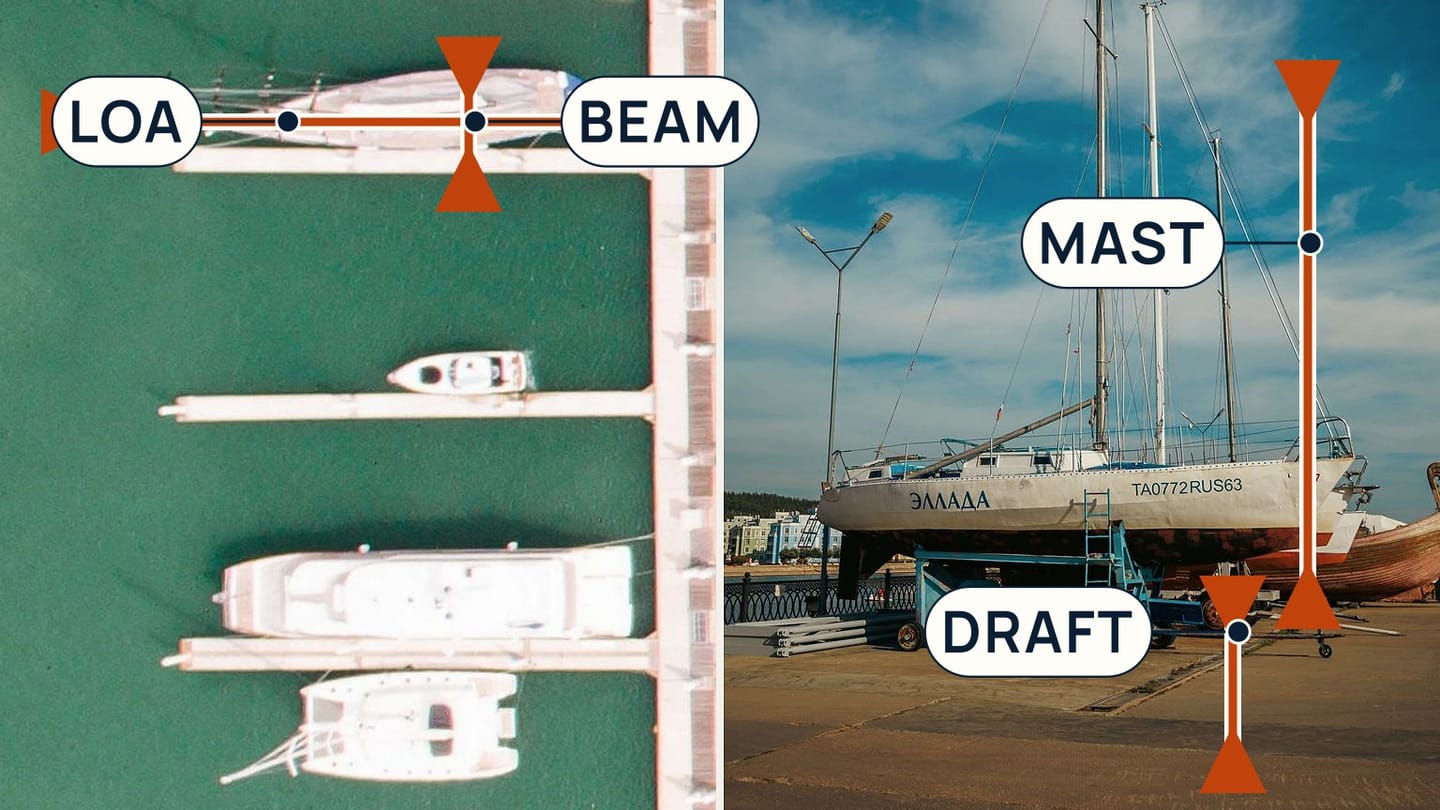
Separate the Storage Products
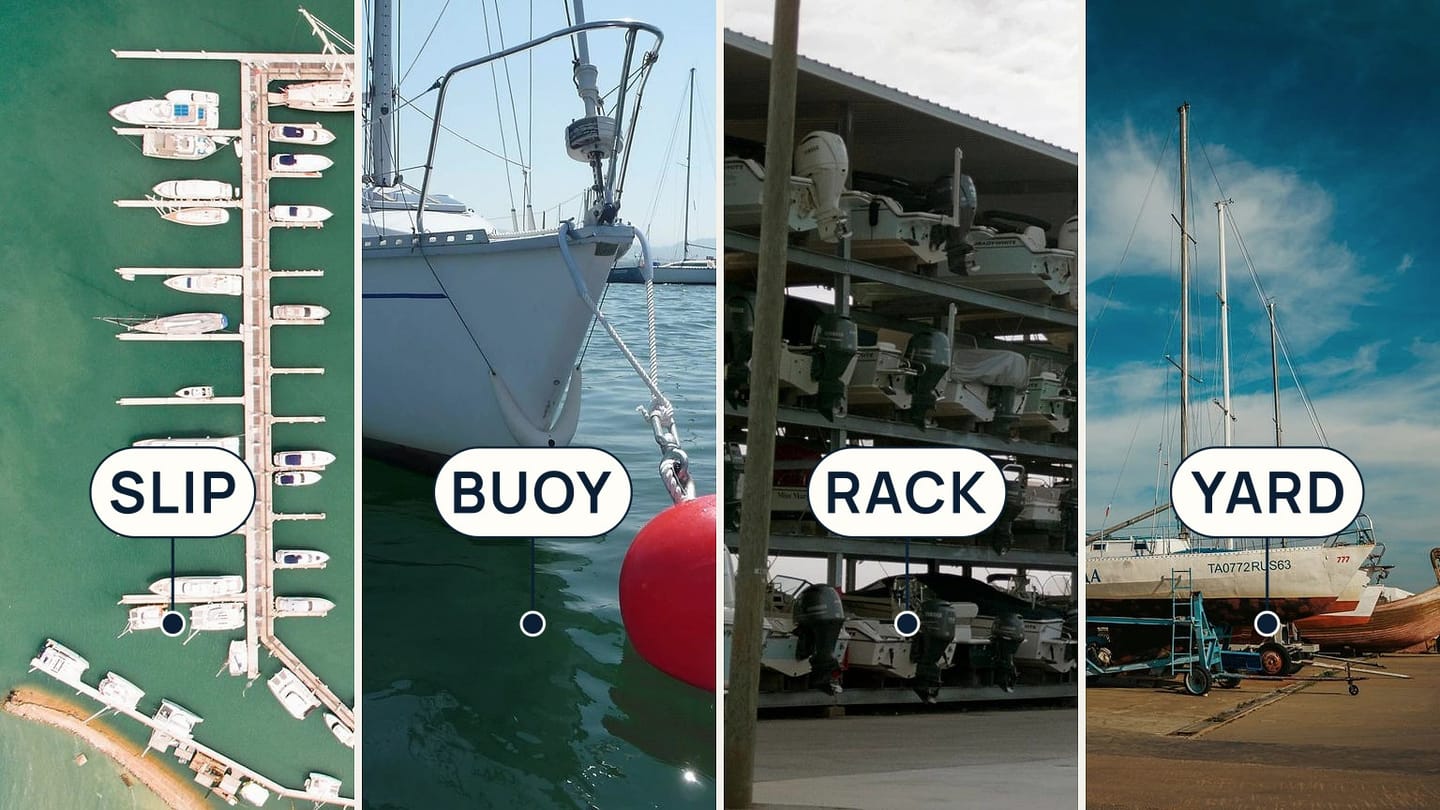
A wet slip pays for an afloat place beside a dock. The quote may include water, basic electricity, security, toilets, parking, or staff, but each can also be limited or metered. Ask about shore-power connection rules, liveaboard restrictions, contractor access, work hours, depth, and storm procedures. Add lines and fenders if the boat does not already have suitable ones.
A swing mooring pays for a buoy and its ground tackle under some inspection and use arrangement. It does not automatically include a way ashore. Price tender purchase or storage, launch service, parking, dinghy landing, and seasonal removal. Ask who inspects the mooring, what size it is approved for, and who responds after severe weather. A low buoy fee can still demand more owner time than a serviced slip.
Dry stack normally places suitable boats on multi-level racks and pairs storage with operator launch and recovery. Ask how many launches are included, how much notice is required, which hours apply, where the boat waits afloat, and what happens after a late return. A sailing boat with a keel, mast, rigging, or unusual hull may not fit the system even when its length appears acceptable.
Yard storage keeps the boat on a trailer, cradle, or stands on land. The space can be only one part of the invoice. Haulout, launch, pressure wash, stands, cradle movement, mast stepping, crane time, electricity, ladder access, cover rules, waste, and labour may be separate. Ask whether owner work and outside contractors are permitted. If winterizing is part of the plan, use how to winterize a sailboat to define the work before requesting service.
These products are not ranked from cheap to expensive. A complete local quote for a specific boat decides that. Compare access and workload as well as where the hull rests.
Find the Extra Lines on the Invoice
Ask the provider to mark every mandatory charge. Common quote headings include storage space, launch or haulout, pressure wash, blocking or stands, cradle rental, mast work, electricity, water, access card, parking, tender space, waste, security, administration, and taxes. The exact list varies. A blank answer is a follow-up question, not a zero.
Then ask about event-driven costs. What happens if the boat arrives early, leaves late, exceeds the booked dimensions, needs an emergency lift, or remains ashore after launch day? Does the storm plan include moving or hauling the boat? Is that service optional, mandatory, available only by queue, or billed separately? Which owner preparations are required before staff can act?
Read cancellation and renewal terms. Note deposit treatment, notice period, automatic renewal, price-change process, transfer rules, and whether a wait-listed berth can replace the reserved one. Ask how electricity is measured and whether shore power continues unattended. Confirm insurance requirements and whether the yard limits its responsibility for theft, weather, fire, stands, or customer work. Obtain advice for significant contract questions in the relevant location.
Storage also changes maintenance cost. Afloat boats need lines, fenders, bilge, through-hulls, shore power, and underwater condition monitored. Ashore boats need correct support, drainage, cover, ventilation, and rig security. Dry access can make bottom and through-hull inspection simpler while creating lift and support charges. The sailboat maintenance checklist helps you assign each recurring job to owner, marina, or yard.
Do not buy services only because they appear in a package. Ask what is required for your boat, what the manufacturer specifies, and what you can lawfully and competently do. Also do not remove a necessary lift or support item merely to make one quote look cheaper.

Build a Quote Table That Survives Comparison
Create one row per cost and one column per provider. At the top, record boat dimensions, dates, currency, tax status, measurement rule, and quote expiry. Convert every charge to the same comparison period, but keep the original amount beside it. Currency conversion can move; label the date and rate if you use one.
Split the table into four blocks. The first is recurring storage and access. The second is expected seasonal movement and service. The third is refundable security or credit capacity. The fourth is uncertain events and first-year setup. This stops a refundable deposit from appearing as ordinary spending and prevents a one-time cradle from distorting every later year.
Run two totals. The normal-year total uses the storage, access, and routine movement you expect after setup. The first-year total adds survey-related haulout if relevant, transport, cradle or tender, first launch, immediate maintenance, and any change needed to fit the facility. If you are still shopping for a boat, the buying your first sailboat guide explains why storage must be known before purchase.
Test expected use alongside the invoices. Estimate realistic sailing days and calculate how each arrangement affects them. Include travel, tender trips, launch notice, staff hours, mast setup, and after-hours return. Do not treat cost per sailing day as a promise. Use it to expose a storage plan that looks cheap because the boat is difficult to reach.
Finally, call or email each provider with the remaining blanks and ask for a revised written total. Local prices change, and available berths can matter more than published schedules. A careful table gives you a current decision for one boat. It does not create a universal storage price, which is exactly why it is useful.

Use SailStarter's beginner boat-choice lesson to make storage part of the boat specification. Write the maximum travel time you will accept, likely sailing hours, regular crew, boat dimensions, keel and mast, maintenance plan, and whether you need shore power or tender access. Collect complete local quotes before paying a deposit on the boat. Then model a normal year and a first year with one uncertain service item. If the first-year total leaves no room for survey findings or routine care, change the storage method, boat, or purchase timing. Base the budget on the written local cost of keeping your chosen boat accessible, supported, and ready for the sailing you intend to do, rather than on the lowest number copied from another marina.
Try it from the lesson
Can you spot the next move?
A wide sailboat glides past on two side-by-side hulls, barely leaning at all. What type is it?
Why you can trust this guide
. We build each guide from public seamanship and safety sources, then teach the universal principle before any local difference.