Chart your course
Sailing With Children: A Practical First-Trip Guide
Quick answer
The short version
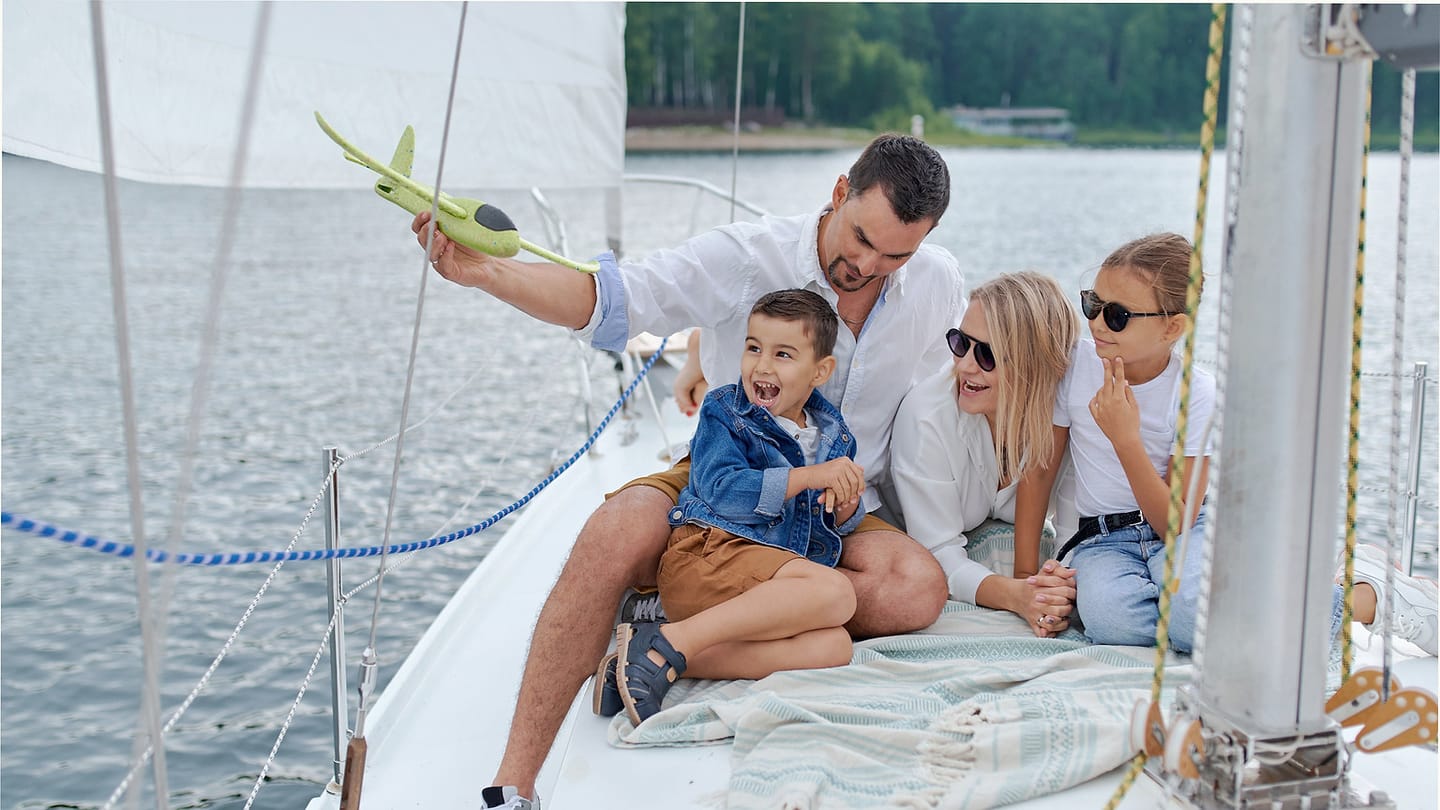
For a child's first sail, choose mild conditions, a familiar boat, and a short route with an easy return. Fit each child's flotation device before departure and follow its instructions. Give a simple safety brief in plain language: where to sit, what to hold, and when to ask an adult before moving. Keep an experienced adult responsible for the boat while another adult can focus on the child when possible. Bring water, sun or cold protection, food that is easy to manage, and spare dry layers. Check current local equipment and child-wear rules before you leave.
A successful first trip does not need distance or speed. It needs enough time for a child to become curious without becoming cold, tired, frightened, or bored. Build the plan around a quick return, then let the day end while it is still enjoyable.
Describe the outing in a few predictable stages: fit gear, board with an adult, sit in the agreed place, leave the dock, and return. Avoid promising a destination that conditions may remove from the plan. A simple sequence gives the child useful landmarks without making the skipper press on.
Choose a Short First Trip
Pick sheltered water and a forecast comfortably within the skipper's experience. Avoid a schedule that forces you to continue when the child has had enough. A loop near the harbour or a simple out-and-back route gives you several chances to turn around.
Explain what the boat may feel like before casting off. It can lean, make unfamiliar noises, and move underfoot. Calm explanations reduce surprises. Keep departure tasks unhurried, and decide in advance which adult remains fully available to steer and manage traffic.
Choose a return trigger before leaving. It might be a set time, a weather change, or the first clear sign that the child is uncomfortable. Agree that turning back is part of the plan. The skipper can then make an early decision without having to defend it to an excited crew.
Fit Safety Gear
Use a flotation device made for the child's current size and weight range. Fasten every closure and adjust it snugly on land. Follow the maker's fitting directions and test it in calm, supervised water before the trip. A device that rides up around the face needs adjustment or replacement.
Child designs often include a crotch strap and grab handle. Check that both are sound and correctly used. Adult clothing, inflatable toys, and an oversized vest do not replace fitted equipment. Local carriage and wear rules vary, so verify the current requirements where you sail.
Repeat the fit check when clothing changes. A thick layer beneath the device or a removed jacket can alter how it sits. Label each child's equipment and store it where it can be reached before boarding. Inspect straps, closures, fabric, and flotation material according to the maker's instructions.
Assign Simple Jobs
Participation makes the boat less mysterious. A child can watch for a coloured landmark, help count fenders, pass a light item while seated, or take a brief supervised turn at the helm. Choose one job with a clear beginning and end.
Keep safety-critical work with an experienced adult. Do not depend on a child to hold a line, balance the boat, keep lookout, or remember an emergency action. Praise careful attention instead of speed. If the child wants to stop, let the job finish without pressure.
Keep instructions concrete. “Stay seated and point to the red-roofed building” is easier to follow than a long explanation of lookout. One adult should give the instruction so the child is not sorting several voices. Afterward, explain briefly how the task helped the crew without overstating the child's responsibility.
Plan for Comfort
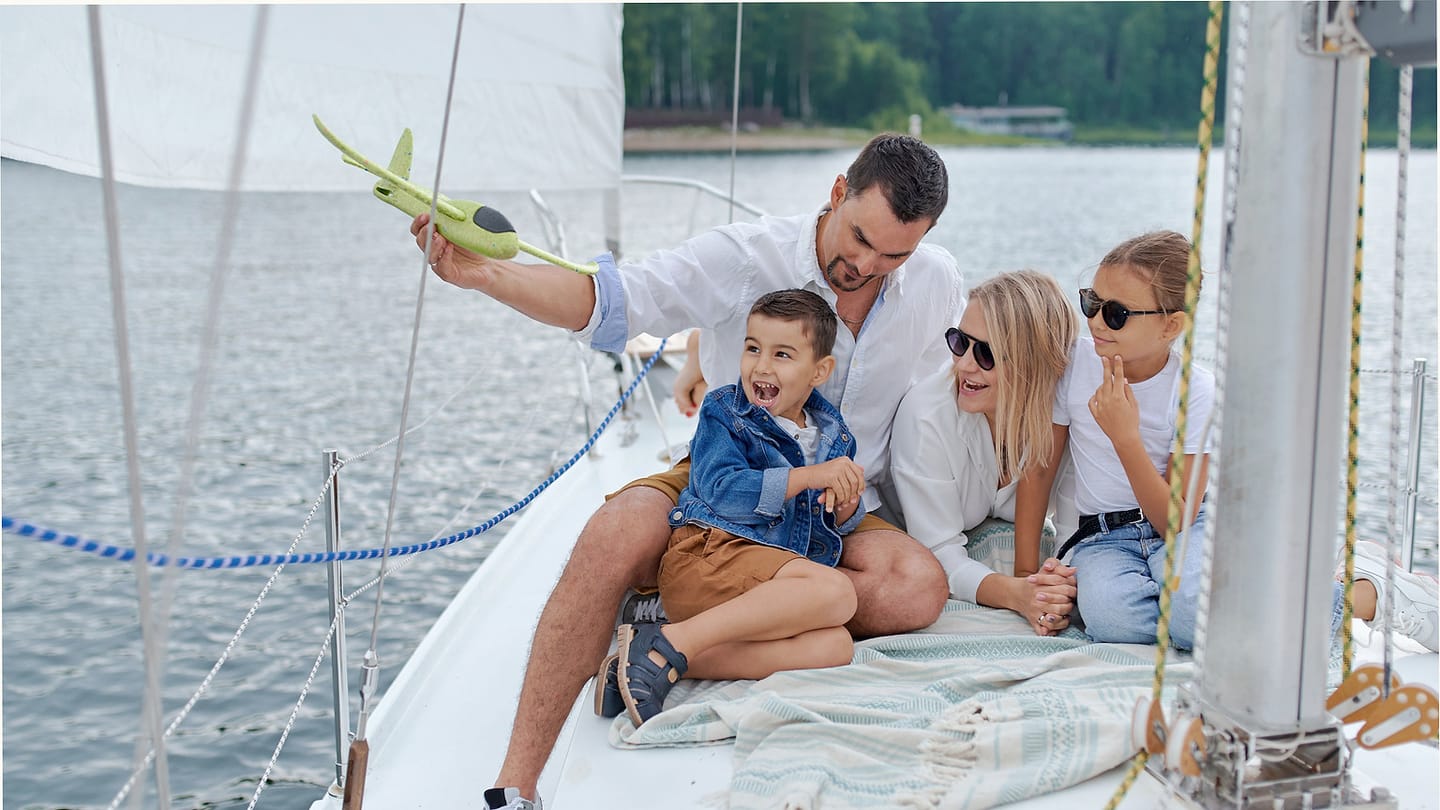
Cold, heat, hunger, seasickness, and toilet needs can end the outing quickly. Pack for conditions on the water, which may feel different from the dock. Provide shade or warm layers as needed, plus drinking water and simple snacks. Keep small loose objects contained.
Watch the child rather than waiting for a complaint. Quietness, pale skin, unusual irritability, or loss of interest can be an early cue to head back. A prompt return is good seamanship. It protects trust and gives the family a better starting point for the next sail.
Plan the toilet question before departure, especially on a small boat. Explain the available arrangement plainly and include a shore stop if needed. Secure spare dry clothes where spray cannot reach them. During arrival, keep the child's hands clear of loaded lines and the changing gap between boat and dock.
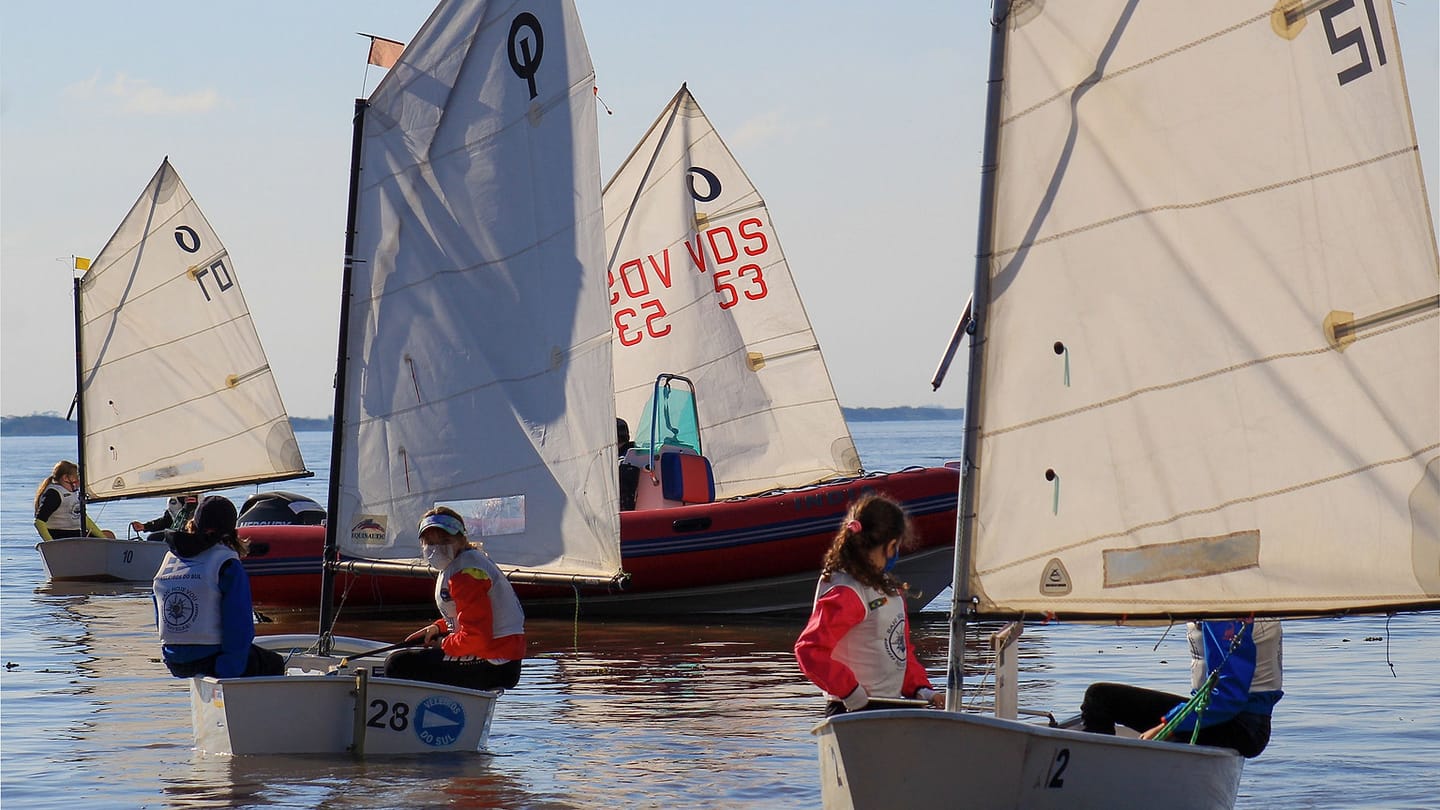
Give each child a clear boat rule
Keep the briefing short and specific to the boat. Show where the child may sit, which areas need an adult, what to hold, and what a stop command means. Explain flotation and other required equipment in plain language. Ask the child to show the rule back rather than only saying they understand.
Assign one adult to supervision. That adult should not also carry every navigation, docking, or sail-handling job. If the crew cannot maintain supervision during a manoeuvre, simplify the manoeuvre or the trip.
Make the first route easy to shorten
Choose familiar water, mild conditions, daylight, and a simple return. Set a short first goal and identify an earlier turn-back point. Check the whole forecast period and leave the route and return time with someone ashore. The weather and float-plan guide supports this preparation.
Avoid making the child responsible for whether the adults continue. Watch comfort, attention, temperature, hunger, thirst, and seasickness. Turn back while the return is still manageable. A short positive trip is more useful than completing an adult plan after the child has had enough.
Prepare clothing, food, and movement
Bring adaptable layers, sun protection, water, and simple food suited to the trip and child. Secure hats, bottles, toys, and loose gear. The beginner clothing guide explains layers, footwear, and sun protection for a general first sail.
Show the safe route between cockpit and cabin. Keep children away from the boom, traveller, winches, loaded sheets, anchor gear, and engine controls unless directly supervised for a planned task. Nobody should stand in a line loop or between a moving boat and the dock.
Offer real but bounded jobs
Give a child one task that fits their age, attention, and the conditions: looking for a buoy, naming port and starboard, holding an unloaded item, or steering briefly with an adult ready. State when the job begins and ends. Do not use participation as a reason to relax supervision.
Explain what the boat is doing and allow questions. If the child does not want a job, provide a safe place to watch. Sailing can be unfamiliar enough without turning every moment into a lesson.
Review the family system
After the sail, ask what felt fun, confusing, cold, loud, or uncomfortable. Adults should also review supervision, movement, food, toilet access, and the moments when everyone became busy. Change one part of the next plan.
Verify current local rules for child flotation, carriage equipment, and operation. Requirements differ by place and activity. Practical preparation sits beside those rules: a suitable boat, direct adult supervision, conservative route, and a return plan the crew is willing to use early.
Before the trip, use SailStarter's onboard safety lesson to make a one-page family plan. Mark the child's normal seat, the safest route between cockpit and cabin, and the adult responsible for close supervision. Rehearse fitting the flotation device and boarding while the boat is secured. Choose one child-sized job and one unmistakable signal that means “sit still and listen.” Keep the first route short enough that returning early feels ordinary. These preparations leave more room for the part children remember: wind in the sail, water beside the hull, and being trusted with a real task.
After returning, ask what felt good, strange, or uncomfortable. Use the answer to change the next plan. A child who disliked engine noise may need another quiet dock visit. One who became cold may need a shorter route or better layers. Progressive outings let confidence grow from experience instead of adult optimism.
Prepare the adult handover too. If the supervising adult needs a break, name the replacement and brief them before responsibility changes. Avoid a gap where each adult assumes someone else is watching.
Keep emergency contact and relevant medical information accessible to the responsible adults while protecting privacy. Tell the skipper about allergies, medication, swimming ability, fear, or mobility needs that change the plan. Do this before the boat leaves, not during a busy manoeuvre.
Try it from the lesson
Can you spot the next move?
You sailed with this skipper last month and know the boat well. Does today still get a full briefing?
Why you can trust this guide
. We build each guide from public seamanship and safety sources, then teach the universal principle before any local difference.