Chart your course
Spring Sailboat Commissioning Checklist

Quick answer
The short version
Spring commissioning reverses the work done at lay-up and confirms that the boat is ready to float, run, and sail. Begin with the vessel manuals, winterization notes, and last season's open defects. While the boat is ashore, inspect the hull, appendages, through-hulls, steering, propeller, rig, hoses, and deck openings. Restore batteries, plumbing, fuel, engine, electronics, and safety equipment according to their own instructions. After launch, check every opening for leaks before leaving the dock, then verify steering, propulsion, cooling water, pumps, alarms, radio, and navigation lights. Finish with a short trial close to support. Commissioning is complete only when defects are resolved or clearly limit how the boat may be used.
The first warm weekend invites a rush to launch. A deliberate sequence is faster in the end because access changes once the boat is in the water and the mast or sails are aboard. Make three lists: work that must happen ashore, work that needs shore power or water, and tests that can happen only afloat. Put model-specific values, fluids, parts, and procedures beside each item. A general checklist can remind you where to look, but the installed manuals decide how the equipment is returned to service.
Start With Records, Manuals, and a Walkaround
Read the winterization record before touching a valve or switch. Note drained tanks, disconnected hoses, removed drain plugs, covered vents, loosened belts, stored batteries, and any antifreeze or preservation product used. Then find unresolved leaks, damaged gear, or parts that were deferred at haulout. Turning on a system before its winter changes are reversed can create the first repair of spring.
Walk around the boat slowly. Look for changed support points, impact marks, cracks, loose covers, animal nests, staining below fittings, and water trapped where it should drain. Open lockers and machinery spaces before energizing them. Smell for fuel, overheated wiring, mildew, or other changes. Photograph anything uncertain and compare it with lay-up images. The goal of this first pass is to establish condition and plan the order of work, not to declare the boat ready.
Inspect What Is Easier to Reach Before Launch
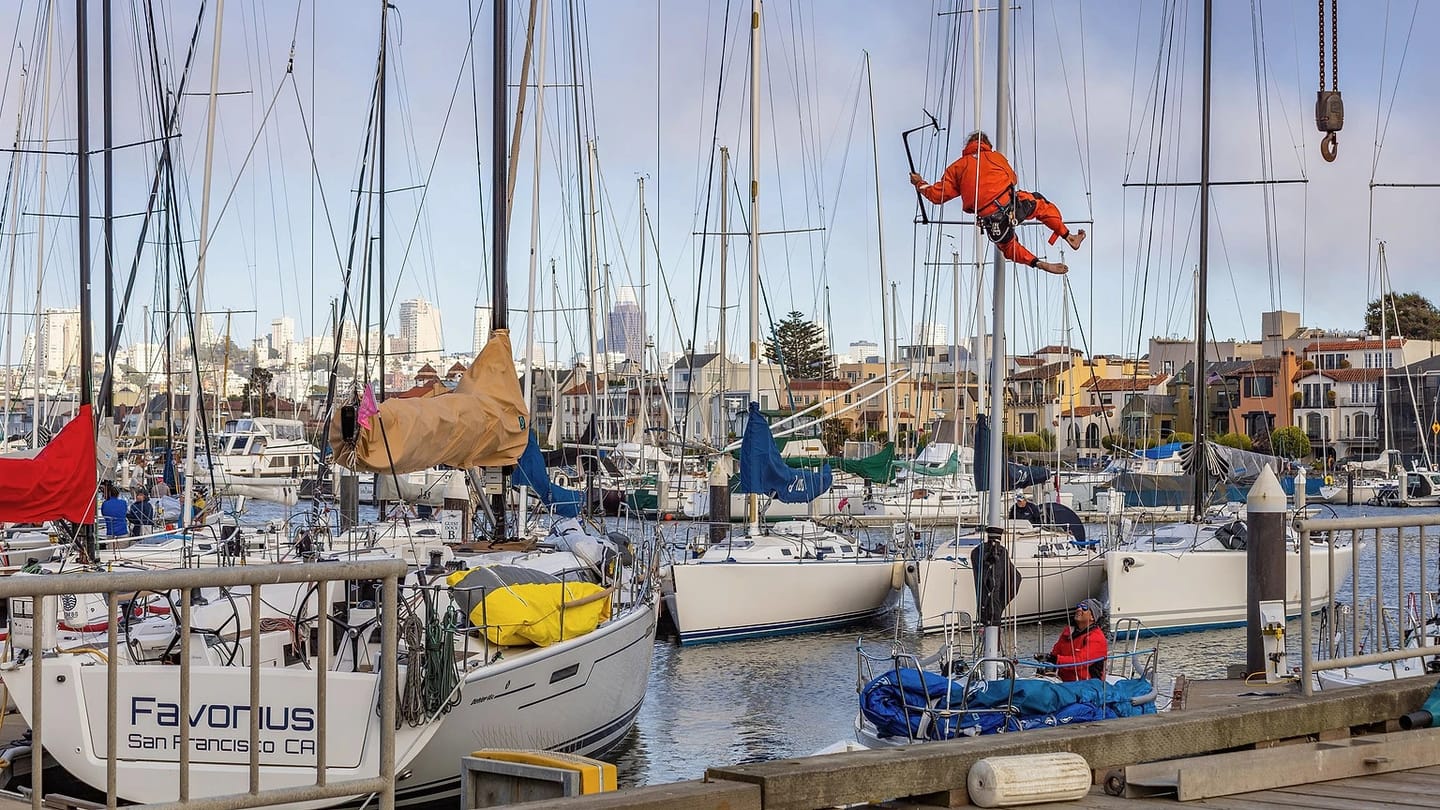
Clean enough of the hull to see it. Inspect gelcoat or coating, keel-to-hull area, rudder, shaft or saildrive, propeller, anodes, transducers, drains, and every through-hull. Exercise seacocks only as their design and manual allow. Hoses should be supported and free of cracking, stiffness, chafe, leaks, or suspect clamps. Steering should move through its range without binding or unexplained play. Anything structural, loose, badly corroded, or unfamiliar belongs with the yard or a qualified technician.
At deck level, inspect chainplates, visible standing rigging terminals, turnbuckles, lifelines, stanchions, cleats, winches, blocks, running rigging, and anchor gear. Check ports, hatches, and deck hardware for damaged seals or old leak trails. If the mast is down, use that access for a closer inspection by someone competent to work on the rig. Confirm that any underwater work has the required cure and launch window before the travel lift arrives.

Recommission Plumbing, Machinery, and Electrics
Restore one system at a time. Reconnect hoses and replace drain plugs according to the winterization notes. Flush and sanitize potable-water equipment with products and procedures approved for that system. Test pumps, heads, drains, and tanks where leaks remain visible. Keep seacocks closed until the correct point in the launch sequence. LPG and other fuel-gas work deserves a qualified technician if connections, regulators, alarms, or testing are outside your training.
Inspect batteries before connection. Battery chemistry determines charging, ventilation, electrolyte, and storage requirements. Check cases, restraints, protected terminals, cables, and the charger configuration. Restore the engine exactly as its manual directs, including cooling, fuel, lubricants, belts, filters, controls, and alarms. Never assume a generic spring list supplies the right fluid or service interval. Once power is available, test bilge pumps and float switches, navigation lights, radio, instruments, alarms, and shore-power protection that applies to the boat.
Verify the Boat Immediately After Launch
Use hold points between systems
Do not recommission every system and discover all faults during the first sail. Create hold points. Finish hull, appendage, through-hull, and underwater fitting work before launch. After launch, inspect for water entry before leaving the berth. Test machinery and electrical systems while the boat remains secured and help is accessible. Test sails and steering in suitable open water.
For each system, restore it from storage state, inspect, operate, and record the result. If antifreeze, plugs, disconnected cables, closed valves, removed impellers, loosened belts, or winter covers were used, maintain a restoration list. One unchecked storage action can disable an otherwise healthy system.
Prioritize consequences
Work first on items that can cause flooding, fire, loss of steering, rig failure, propulsion failure, or inability to call for help. Appearance and comfort follow. This order keeps a polished deck from disguising an untested seacock, weak battery connection, damaged hose, or expired safety item.
The battery maintenance guide, diesel checklist, and safety-equipment checklist provide deeper system checks. Use the exact maker manuals for intervals, fluids, settings, and tests.
Plan the first underway test
Choose mild conditions, a short route, and enough crew to observe systems. Before departure, recheck bilges, through-hulls, steering, engine controls, cooling-water flow, charging, navigation lights and electronics, rig, sails, anchor, and emergency equipment. Keep tools and spares secured.
During the run, watch temperature, charging, vibration, sound, leaks, steering feel, rig movement, and sail controls. Test one function at a time. After return, inspect bilges, hose connections, shaft or saildrive area, engine space, battery connections, deck leaks, and rigging again.
Record every defect with priority and owner. Do not turn the first sail into a long passage because the first ten minutes looked normal. Commissioning is complete when the boat has passed controlled checks and the remaining work is understood.
Close the storage loop
Compare the spring list with the previous lay-up record. Every item disconnected, drained, removed, loosened, covered, or treated for storage needs a matching recommission action. Update both lists when you find a step that was missed. Next autumn's lay-up will then create a cleaner spring handover.
Inspect stored sails, ropes, flotation, extinguishers, electronics, batteries, cushions, tools, and spares before returning them aboard. Moisture, rodents, corrosion, expired dates, and damaged packaging can affect gear that looked fine when stored.
Check documents and permissions
Confirm registration, insurance, berth or mooring arrangements, radio documents where applicable, charts, manuals, emergency contacts, and current local requirements before departure. Keep required documents accessible without exposing personal information unnecessarily.
Review planned cruising areas against insurance and equipment limits. A boat recommissioned for local day sailing may need more preparation before offshore, night, cold-water, or cross-border use.
Finish with a crew handover
Show regular crew what changed over winter. New switches, batteries, lines, safety equipment, plumbing valves, electronics, or engine controls need a demonstration. Update labels and the safety brief.
Ask another person to verify critical valve positions, isolation restoration, tools removed, and emergency-equipment access. A second check is especially useful after several people worked on different systems.
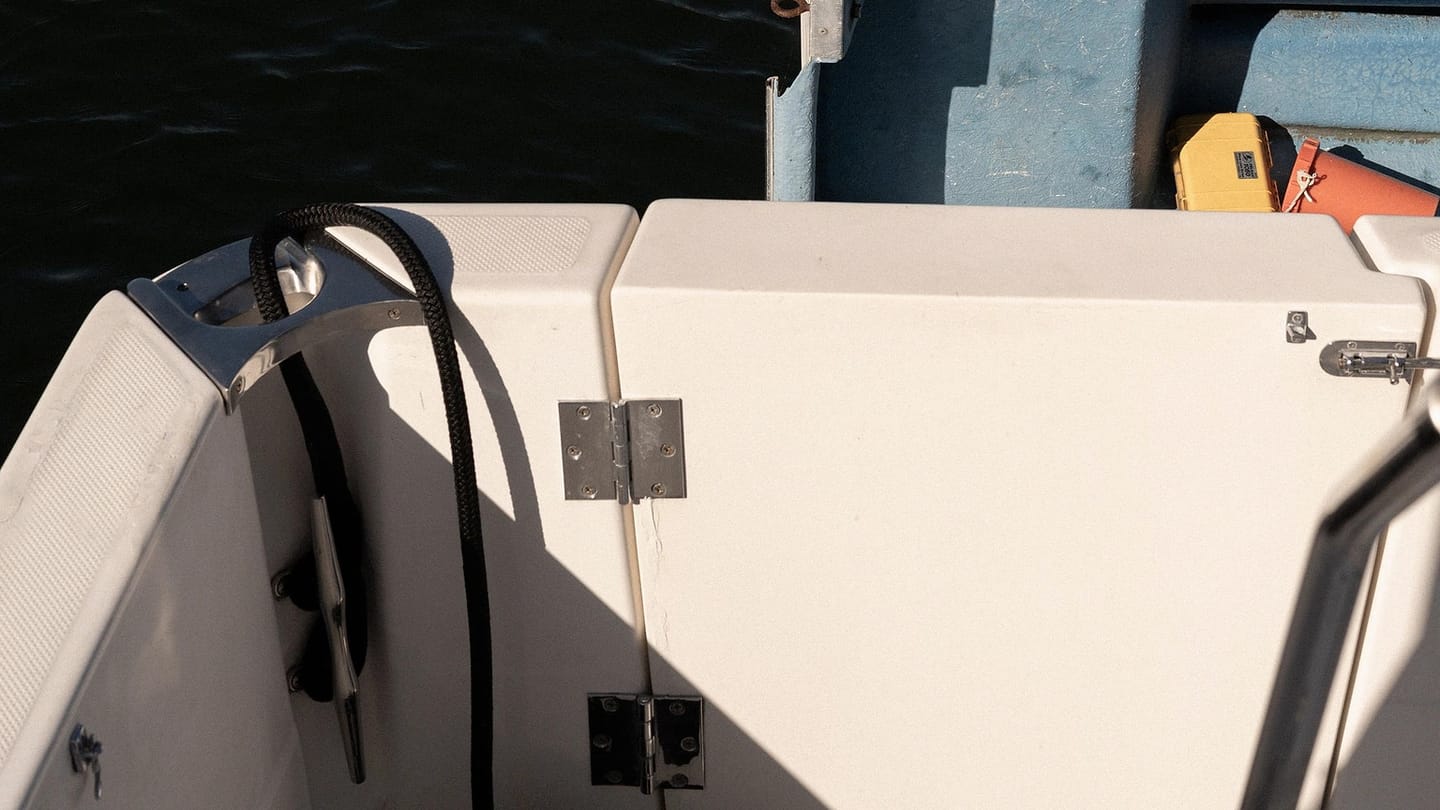
Have lights, tools, absorbent material, and a way to summon the yard ready before the hull enters the water. As soon as the boat floats, inspect through-hulls, transducers, shaft or drive seals, rudder area, cockpit drains, and other penetrations. Watch them again after the boat settles. A leak that is increasing, unexplained, or beyond immediate safe control is a reason to haul, not a reason to begin the delivery trip.
Start propulsion according to the manual. Confirm cooling-water discharge where applicable, normal alarms and gauges, clean shifting, and steering response while still secured. Test essential pumps, radio, lights, and instruments. Hoist sails in suitable conditions to inspect attachment, reefing, furling, and control lines without creating a rushed departure. Make the first trip short, close to help, and focused on observation. Recheck the bilge, engine space, batteries, and rig afterward because heat, vibration, and load often reveal what a dockside check cannot.

Use SailStarter's engine pre-start lesson to turn the machinery checks into a routine you can repeat, not a spring-only event. Copy this article into a boat-specific list and add a manual reference beside every system. Mark each item as ashore, dockside, or afloat, then give unresolved work an owner and a limit on use. Keep the completed checklist, photos, parts, fluids, and test results with the maintenance log. Next season, that record will show what was removed, what was restored, and what tends to change over winter. A careful commissioning does more than get the boat launched. It creates a clean baseline for noticing small changes throughout the season.
Try it from the lesson
Can you spot the next move?
The engine is idling, the boat is safely secured and the propeller area is clear. What should you confirm before departure?
Why you can trust this guide
. We build each guide from public seamanship and safety sources, then teach the universal principle before any local difference.