Chart your course
What Sailing Course Should a Beginner Take?
Quick answer
The short version
A complete beginner should take a practical, on-water introductory course on the type of boat they expect to sail. Choose dinghy instruction for direct, small-boat handling; keelboat instruction for a steadier crewed day-sailing setting; or a cruising-yacht crew course if your goal is yacht trips. The course should require no previous experience, use a recognized or clearly qualified instructor, give every student repeated turns steering and handling sails, and explain what you can do afterward. Compare actual skills, group size, water time, weather policy, and total cost. A course name or certificate matters less than relevant practice and a safe route back onto the water.
You do not need to solve your whole sailing future before booking. You only need a first course that matches your next likely season. A short taster can help if you are uncertain about motion, boat size, or venue. Once you know the setting feels right, use the questions below to avoid paying for a course that looks complete but gives little practical experience.
Pick the Boat Before the Course Acronym
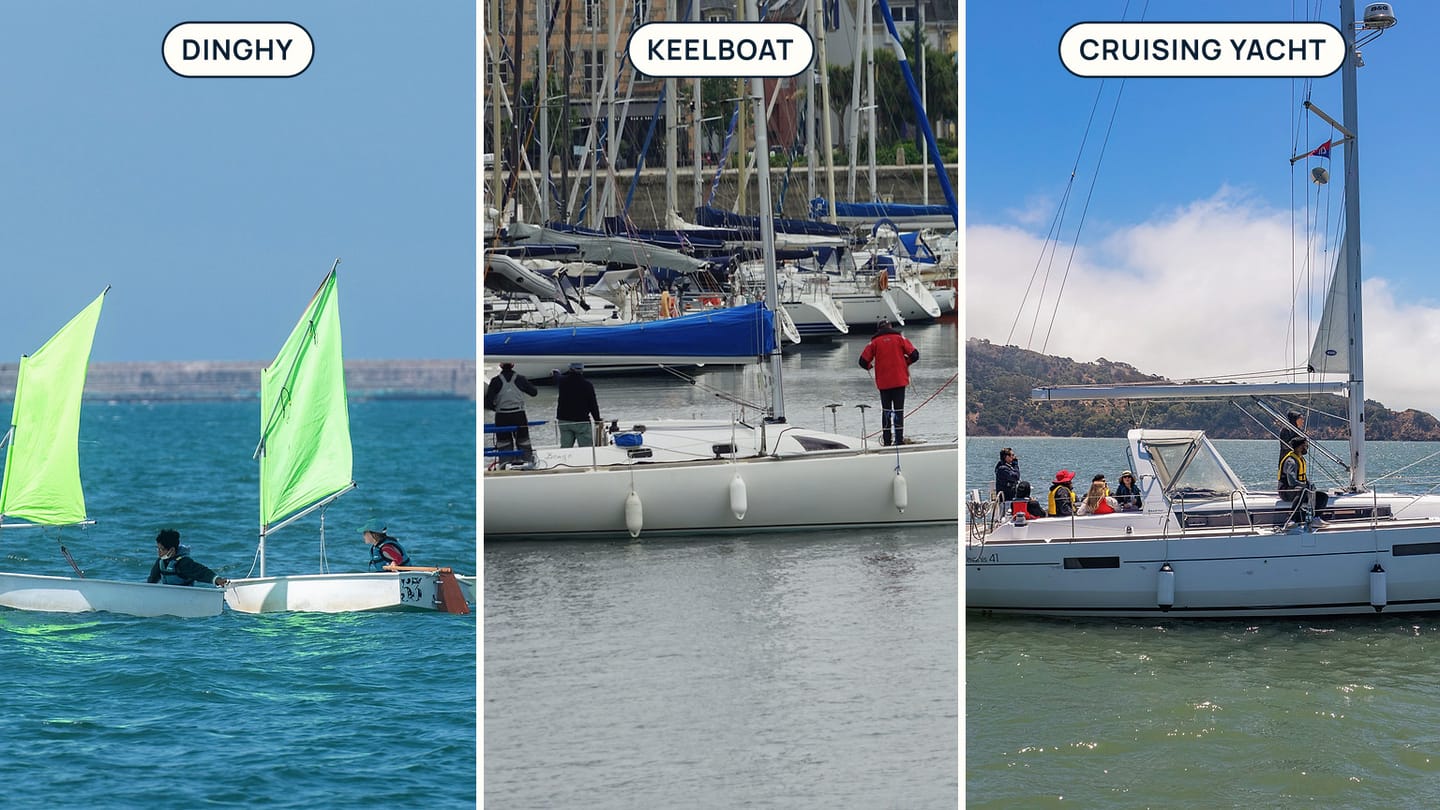
Dinghies are small and responsive. The connection between steering, sail trim, crew weight, and speed is easy to feel. Some are sailed alone and others by two people. The experience can be wet and physical, and capsize recovery may be part of local training. Ask what flotation, wetsuit, or other clothing the centre supplies and what mobility the boat requires.
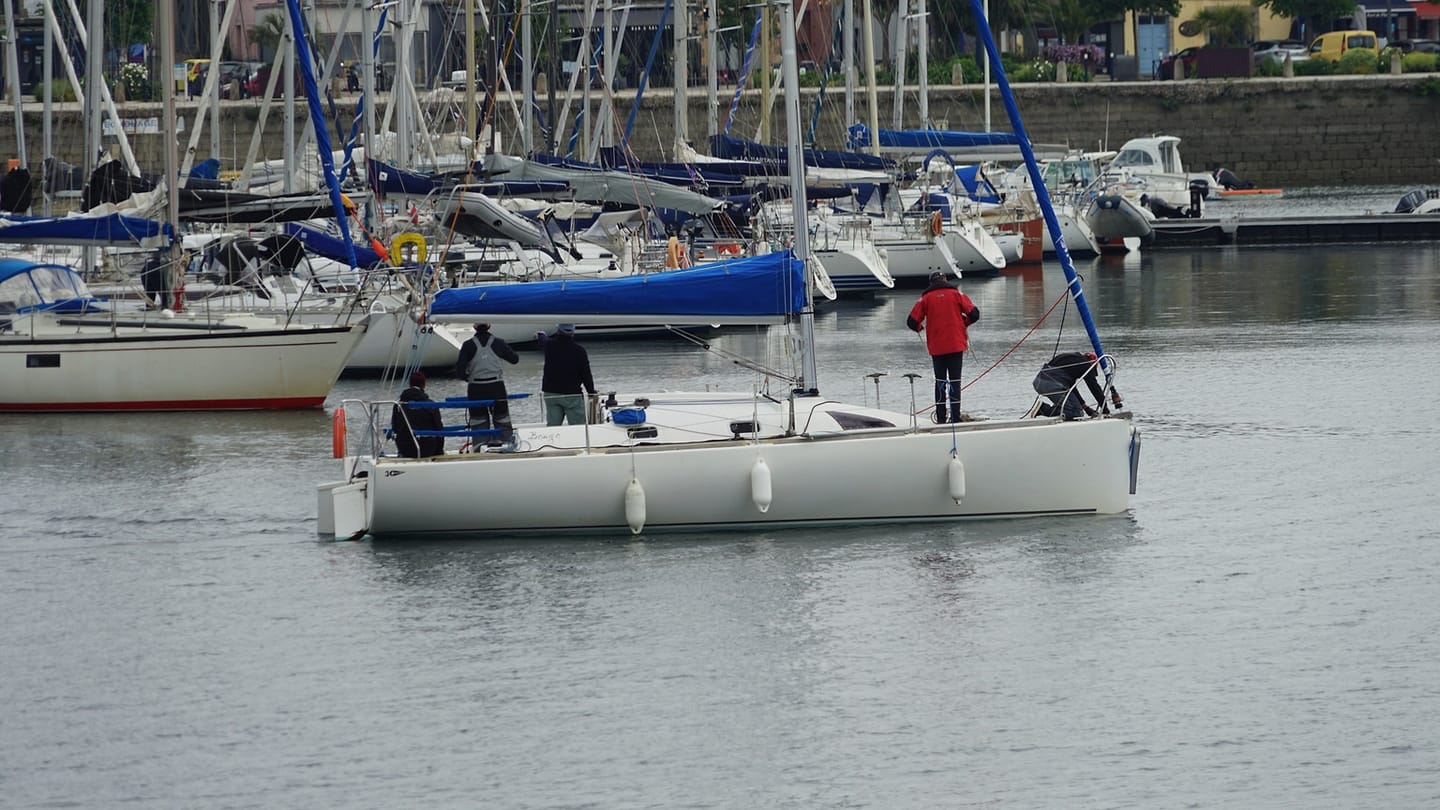
Keelboats bridge small-boat sailing and larger yachts. A fixed keel gives a different feel, while a crew shares the jobs. This path suits day sailing, local racing, and people who want practical teamwork without immediately living aboard. Confirm whether the boat has a tiller or wheel and whether auxiliary-engine handling is included.
A cruising-yacht crew course places you aboard a larger boat with more systems and routines. It fits someone who hopes to crew on passages or eventually skipper a charter yacht. You may learn steering, sail changes, reefing, ropework, lookout, and general duties as part of a team. It is not automatically a skipper qualification. Beginner crew training and later command training are different stages.
Choose based on likely use and access. If a good dinghy centre is ten minutes away and runs weekly practice, it can build a strong foundation even if cruising is a later goal. If local owners seek yacht crew, a cruising course may connect more directly. Read the adult starting guide for a broader comparison of entry routes.
Check How the Course Teaches
Ask what happens when you struggle
Beginners rarely progress at the same pace in every task. Ask whether the instructor can change roles, repeat a demonstration, or offer another supervised session when a manoeuvre is not yet reliable. Find out how the centre protects the learning of the whole group without pushing one person beyond useful conditions. The answer shows more about teaching quality than a gallery of smiling graduates.
Also ask how instructors communicate aboard. Standard commands, a briefing before the manoeuvre, and a short review afterward reduce confusion. You should know when it is safe to ask a question and when everybody needs to listen. A noisy or fast-moving boat is not the place for a long lecture, so the shore brief and debrief should carry part of the explanation.
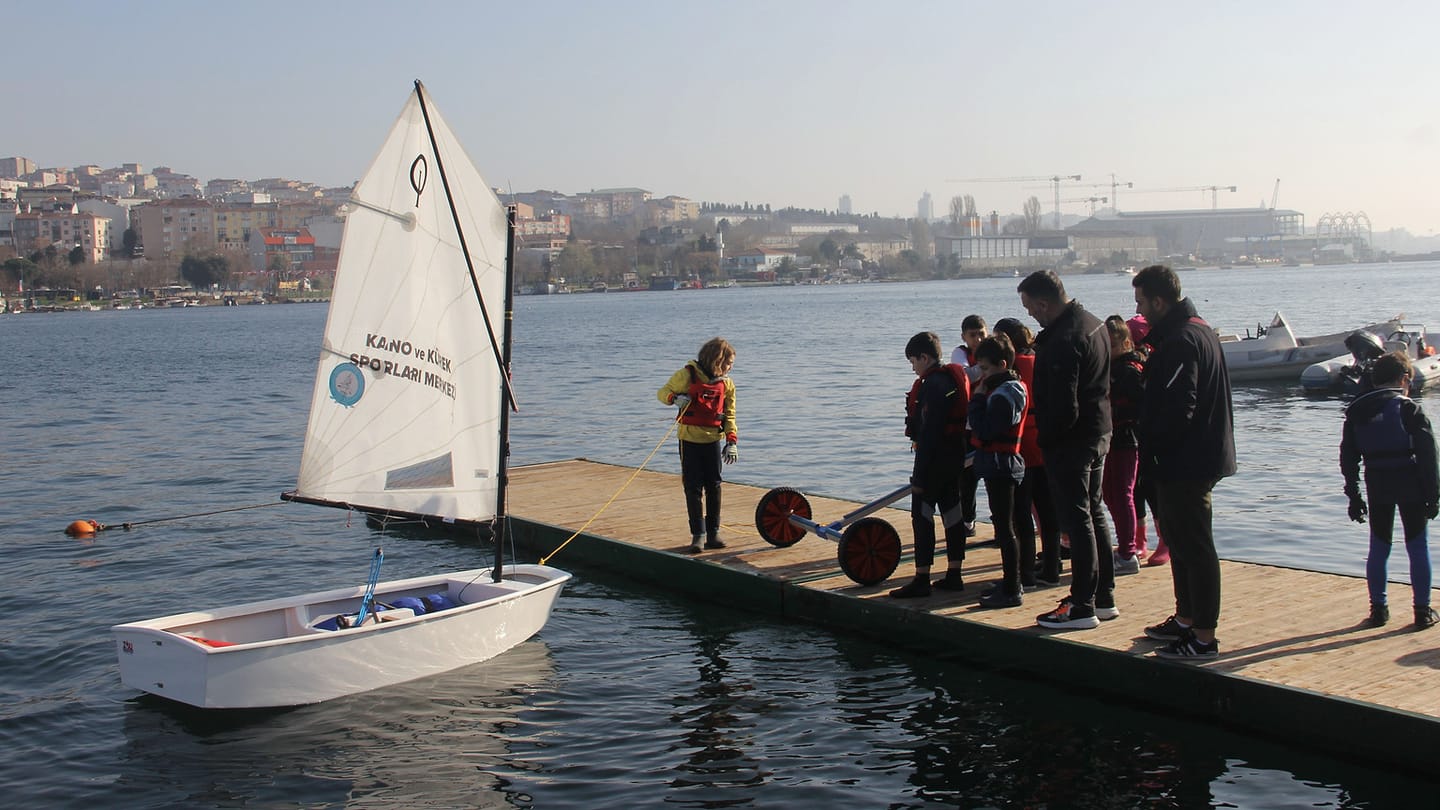
Ask for a typical day. How much time is ashore, rigging, motoring, and sailing? How many students share one instructor and boat? Which tasks does each student repeat? “Hands-on” should mean more than holding one line while the instructor performs every decision.
Useful first-course tasks include preparing to go afloat, personal safety, steering, recognizing basic wind direction, trimming, tacking, gybing under instruction, controlling speed, stopping, returning, and putting the boat away. The exact syllabus varies with boat and system. What matters is a coherent practical sequence with demonstrations, learner attempts, corrections, and another attempt.
Ask how progress is assessed. Some courses use continuous practical assessment; others add a written test. Find out whether an unsuccessful task can be repeated and what a completion certificate actually records. Avoid any provider that turns a short exposure into a promise of independent competence in all conditions.
Instructor recognition gives you a baseline within a training system. Also ask about current teaching experience, first aid or safety arrangements, and how the centre handles learners who need more time. Tell the provider about access, language, anxiety, or medical needs that materially affect participation. A good answer will be practical rather than dismissive.
Online study can prepare terms and theory, but it cannot supply the movement, timing, feedback, or shared decisions of sailing. Treat a theory-only product as preparation, not a substitute for an afloat beginner course.
Compare the Full Offer and Cost
Avoid buying the whole ladder at once
A discounted bundle can look efficient before you know whether the venue, boat, or schedule suits you. Book the first honest level and identify the likely next step, but keep room to practise or change route. You may discover that dinghies suit you better than yachts, that regular club sailing matters more than another certificate, or that you need more time before skipper training. Paying stage by stage keeps the learning plan responsive to evidence.
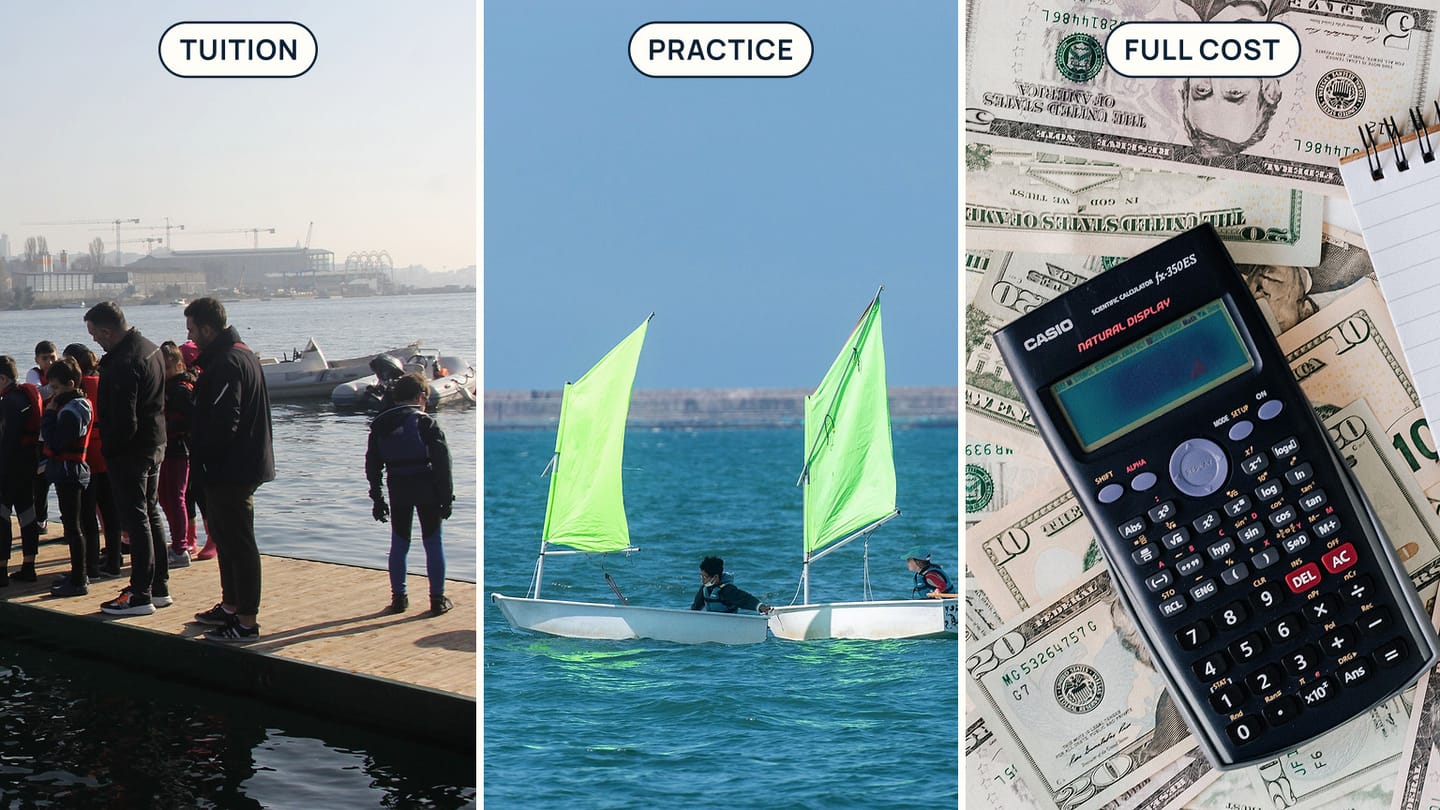
Request the full price in writing. Ask whether it includes the boat, flotation, waterproof clothing, course book, certificate or assessment fee, membership, food, accommodation, tax, and practice after the course. Travel and time off work can outweigh a small difference in tuition.
Read the weather policy before booking. Sailing depends on conditions, and responsible centres sometimes change or stop sessions. The important question is how they handle that possibility. Will the day move, use an appropriate alternative boat, include relevant shore teaching, or be credited? Vague promises create disputes when the forecast changes.
Inspect the route to more sailing. Does the venue offer coached practice, club membership, boat rental after checkout, social sailing, racing, or introductions to owners? A certificate without access fades quickly. A slightly more expensive course may be better value if it includes two supervised practice evenings.
Compare schedules honestly. A concentrated weekend suits some people, while shorter repeated sessions give others more time to absorb and revisit skills. Your choice must fit seasonal daylight, transport, work, and family commitments. Attendance is part of course quality because missed sessions cannot teach you.
If possible, take a taster or visit while training is running. Notice whether students are active, flotation is used appropriately, questions are welcomed, and boats appear cared for. The club-versus-school guide can help you decide whether one venue can supply both instruction and recurring access.
Turn the Course Into Usable Skill
At the end, ask the instructor to name two tasks you performed consistently and two that still need supervision. Record the conditions in which that judgment was made. “Steered a close reach in light water” is useful; “can helm” is too broad. This language helps you select the next session without overstating what a course completion means.
Before the first day, learn only the terms that reduce confusion: bow, stern, port, starboard, windward, leeward, halyard, and sheet. Check what to wear and pack dry spare clothes. Arrive rested and early enough to disclose any new concern. You are not expected to impress the instructor with untested knowledge.
During the course, ask for correction in specific terms. If steering wanders, ask where to look and how small the helm movement should be. If a tack feels rushed, ask which call or action you missed. One clear correction followed by another attempt is more useful than collecting general encouragement.
Keep a short log: date, boat, conditions, tasks, one correction, and the next practice target. Do not turn it into a claim of competence. It is evidence for your own planning and useful context for the next instructor. The learning-time article explains why repeatable tasks are a better measure than elapsed weeks.
Book the next two outings before the course glow fades. Repeat the same boat and basic manoeuvres first. Variation becomes useful after you can recognize what changed. If you cannot access a boat, crew for an experienced local sailor or join supervised club sessions rather than rushing into ownership.
Your first course has succeeded when it gives you safe, accurate foundations and a clear description of your current limits. Confidence may follow, but it is not the assessment. Choose the course that creates good habits, invites questions, and leads to another suitable sail.
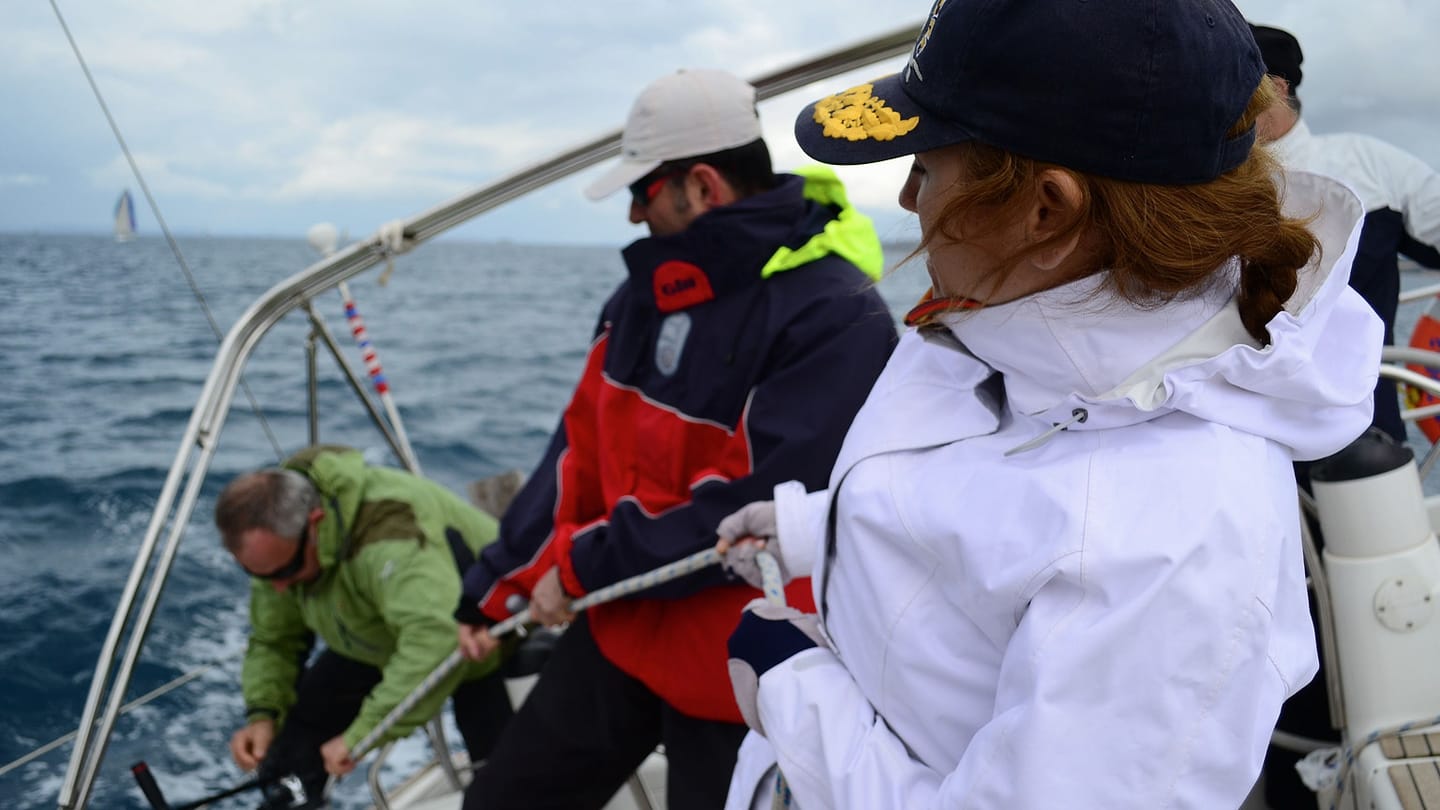
SailStarter's opening lessons can make your practical course easier to use. Review boat orientation, the wind, points of sail, and crew communication before you arrive. After each water session, revisit only the ideas connected to what you did, then write one question for next time. This keeps study tied to observed sailing instead of turning it into a separate badge. Let a qualified instructor make the practical corrections, and let regular water time test whether the skill is becoming reliable.
Try it from the lesson
Can you spot the next move?
You turn to face the stern. A crewmate points at your right hand. Which side of the boat is that?
Why you can trust this guide
. We build each guide from public seamanship and safety sources, then teach the universal principle before any local difference.