Chart your course
Beginner to Coastal Cruiser Roadmap
Quick answer
The short version
A beginner sailor moves toward coastal cruising by demonstrating a series of concrete skills rather than by counting weeks. The path runs from basic boat handling in sheltered water, to short outings with a written plan, to trips that add navigation and weather judgment under real pressure, to a crew that can run lookout and rest routines without one person carrying the whole passage. Sailing federations describe this differently: the RYA moves crew through Competent Crew, Day Skipper, and Coastal Skipper, while US Sailing and the American Sailing Association use their own certification sequences. All of them measure the same thing: whether a sailor can handle the boat, crew, and conditions actually in front of them, on the day.
If you've read about how long it takes to learn to sail, you already know there's no single number that fits every learner, boat, or coastline. Coastal-cruising readiness works the same way. It builds through a sequence of stages, each adding one specific new demand, rather than through a fixed count of outings. This article lays out five of those stages in the order most sailors actually meet them: basic boat handling, short planned trips, navigation and weather judgment, crew routines for longer days, and the honest check that decides whether the next passage is a reasonable step. Judge each stage by what a crew can actually do on the boat and route you plan to use. A stage passed once, in ideal conditions, is not the same as a stage the crew can repeat.
Where does coastal-cruising readiness actually start?
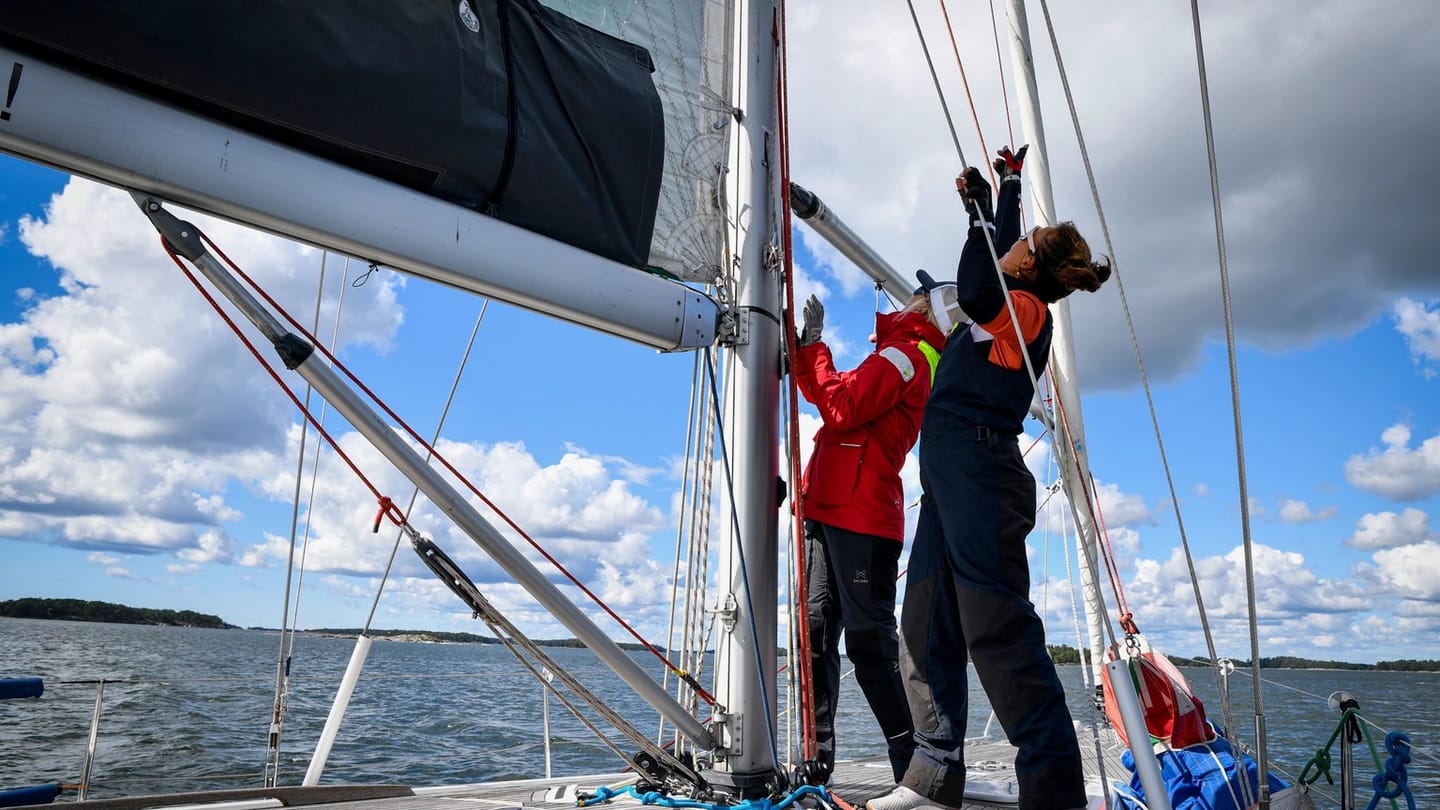
It starts on the water, in conditions mild enough that mistakes cost time rather than safety margin. A beginner crew learns to steer a straight course, tack and gybe under instruction, handle sheets and halyards without tangling them, keep a lookout, and use plain, short words the rest of the crew can act on immediately. None of this needs open water or long distance: a sheltered bay or estuary with an experienced sailor aboard is enough, and it is the setting most training frameworks start from. The RYA's Competent Crew course, for example, assumes no prior sailing experience at all and builds this exact set of skills before any talk of skippering.
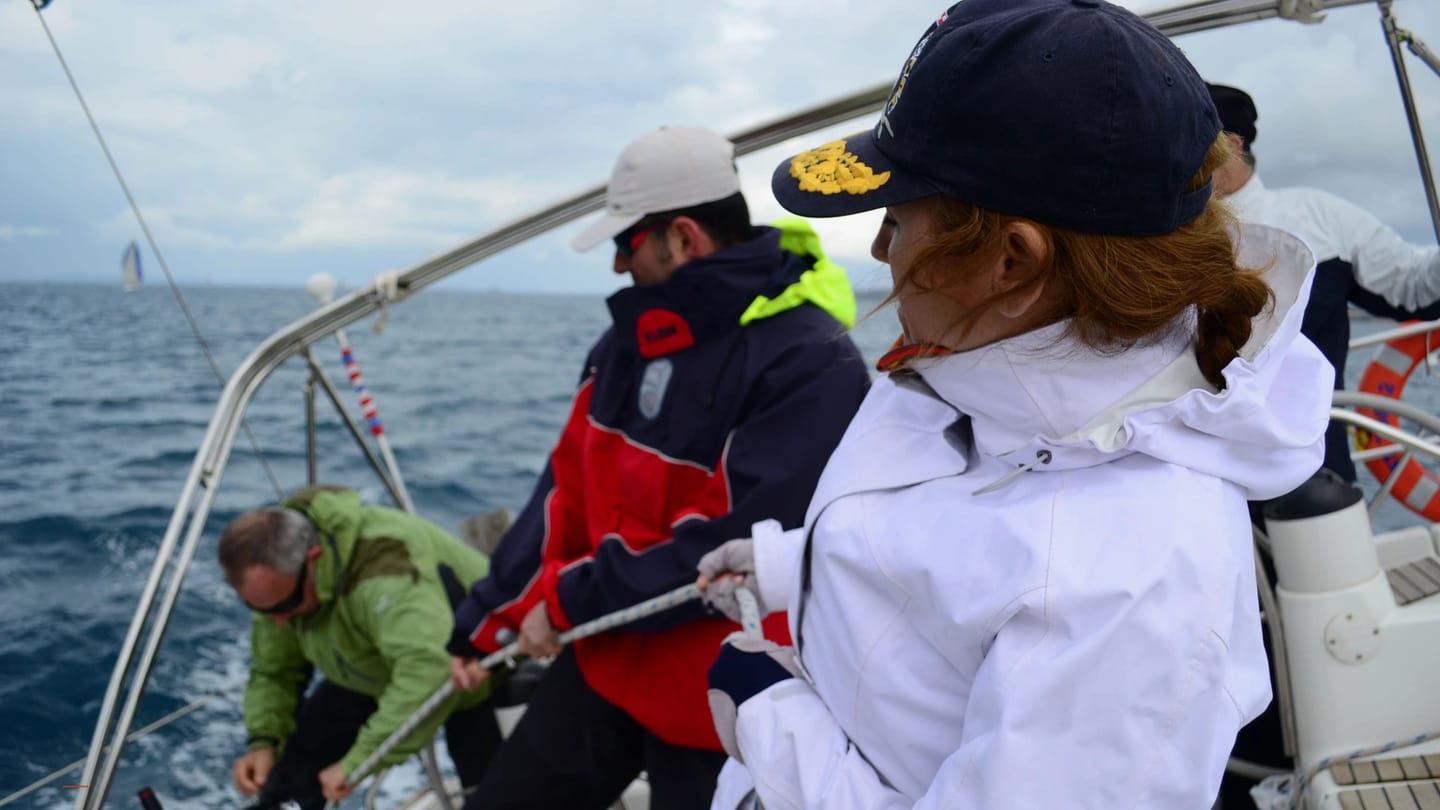
The real test is whether a crew can repeat a manoeuvre under mild pressure (tacking through a gust, clearing a jammed line) without losing track of where the boat is heading. Completing it once with someone talking them through it is a fine start, but repeating it independently is what shows the skill has actually landed. A crew that still needs constant prompting for basic sail handling isn't ready to add navigation, weather judgment, or an overnight schedule on top of it: those demands stack, and skipping ahead usually means the earlier gap resurfaces at the worst moment.
This is also where day sailing and cruising start to pull apart. A confident day sailor can be excellent at boat handling in a familiar bay and still have no experience planning a passage, provisioning for a longer day, or deciding on a return time well before conditions demand it. Coastal cruising asks for both: the boat-handling reflexes built here, plus the planning judgment the next stages add on top.
Turning single skills into a complete short passage
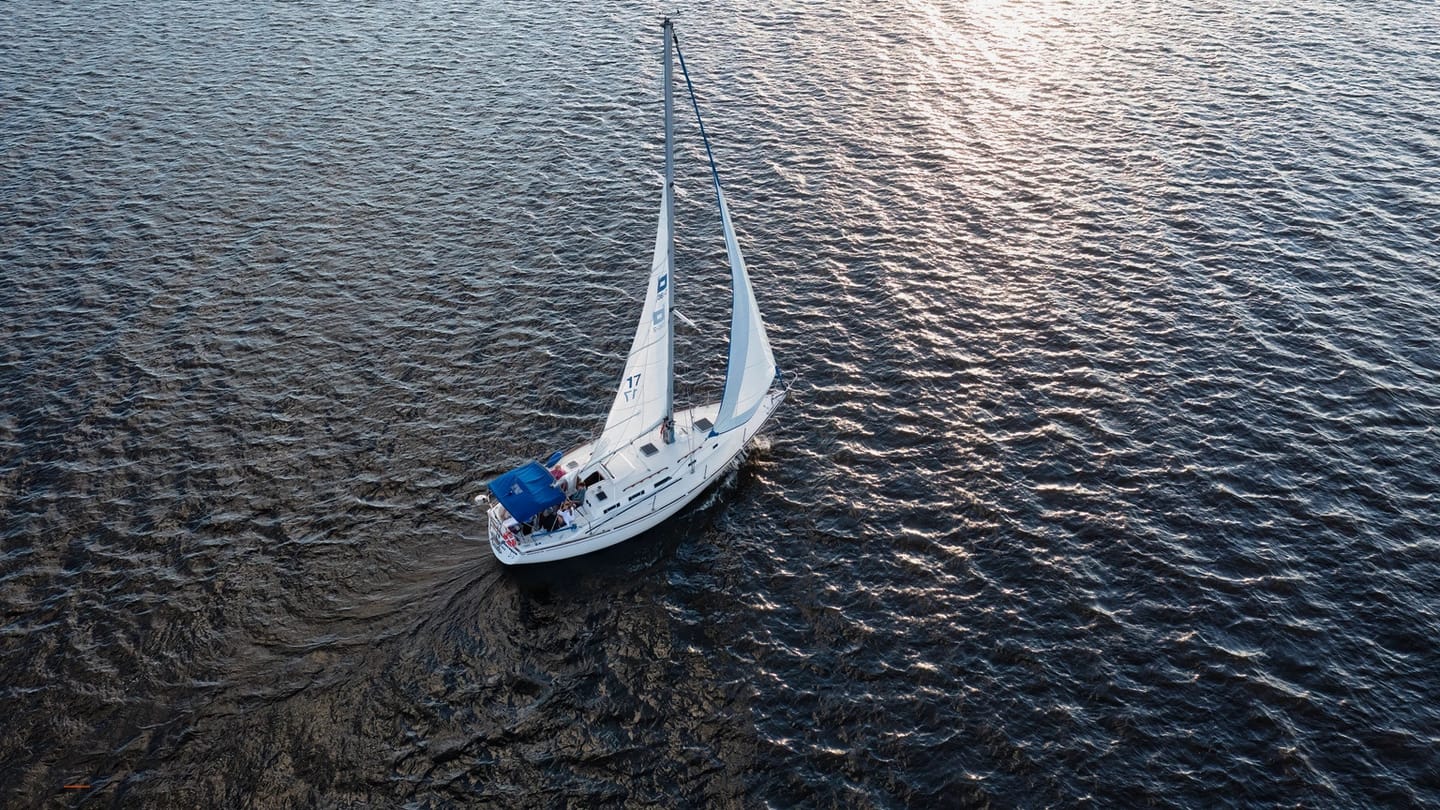
Once a crew can handle the boat, the next stage links those skills into one complete, planned outing. That means picking a destination close enough to reach and return from in daylight, checking the current forecast before leaving the dock, and choosing one easy alternative in case the wind (or your own energy) doesn't cooperate. Write the plan down: who does what, when you expect to arrive, and the point at which you'll turn back or duck into a closer harbour instead of pressing on.
Both the US National Weather Service and the UK Met Office are clear that a forecast checked the night before can be out of date by the time you cast off; each recommends pulling the latest forecast immediately before departure and continuing to check updates once underway, since coastal wind and sea state can shift from what was first predicted. Building that habit on short trips, where a mistake costs an hour rather than a difficult night, is far cheaper than learning it for the first time on a longer passage.
The discipline of writing departure checks and turn-back points down is the same discipline behind learning to build a coastal pilotage plan for a longer trip; the scale changes, but the habit doesn't. Repeat the same short route more than once, in different ordinary conditions, before assuming a slightly longer or less familiar route will feel the same. A crew that has only sailed one route on one calm afternoon hasn't tested judgment yet, only memory.
How do navigation and weather judgment grow into overnight readiness?
They grow by connecting what's read ashore to decisions made while actually sailing. Reading a forecast or a chart at a table is a different skill from using that information while steering, keeping a lookout, and managing a crew at the same time; someone who reasons calmly at a desk can still lose the thread once wind, spray, and fatigue enter the same problem. This stage is complete when someone aboard can hold a running position and weather picture without it costing basic boat control.
Practically, that means comparing the forecast checked before leaving with what actually arrives, and saying out loud which cue (a wind shift, a line of cloud, a change in the swell) told you conditions were changing before the instruments confirmed it. Practise that on short trips first. Carrying the same habits into a first overnight sailing trip adds darkness, fatigue, and a longer stretch without an easy retreat, so the navigation and weather picture has to hold up longer with less margin for a missed cue.
A written plan and a shared plan are two different things. If only the person who wrote the passage plan can explain why a particular course or timing was chosen, the crew hasn't built the shared judgment a longer coastal trip demands from the whole crew, skipper included.

Crew routines that carry a passage past a single day
A day trip can run on enthusiasm. A trip that stretches past one day runs on routine instead, because small frictions, an unclear rest schedule, no set lookout rotation, gear left where someone will trip over it, get magnified once sleep is short. Building this stage means giving every recurring job a name and a time before departure: who briefs the crew before getting underway, who takes the next lookout watch, who cooks, and who checks the bilge, batteries, and rig before dark.
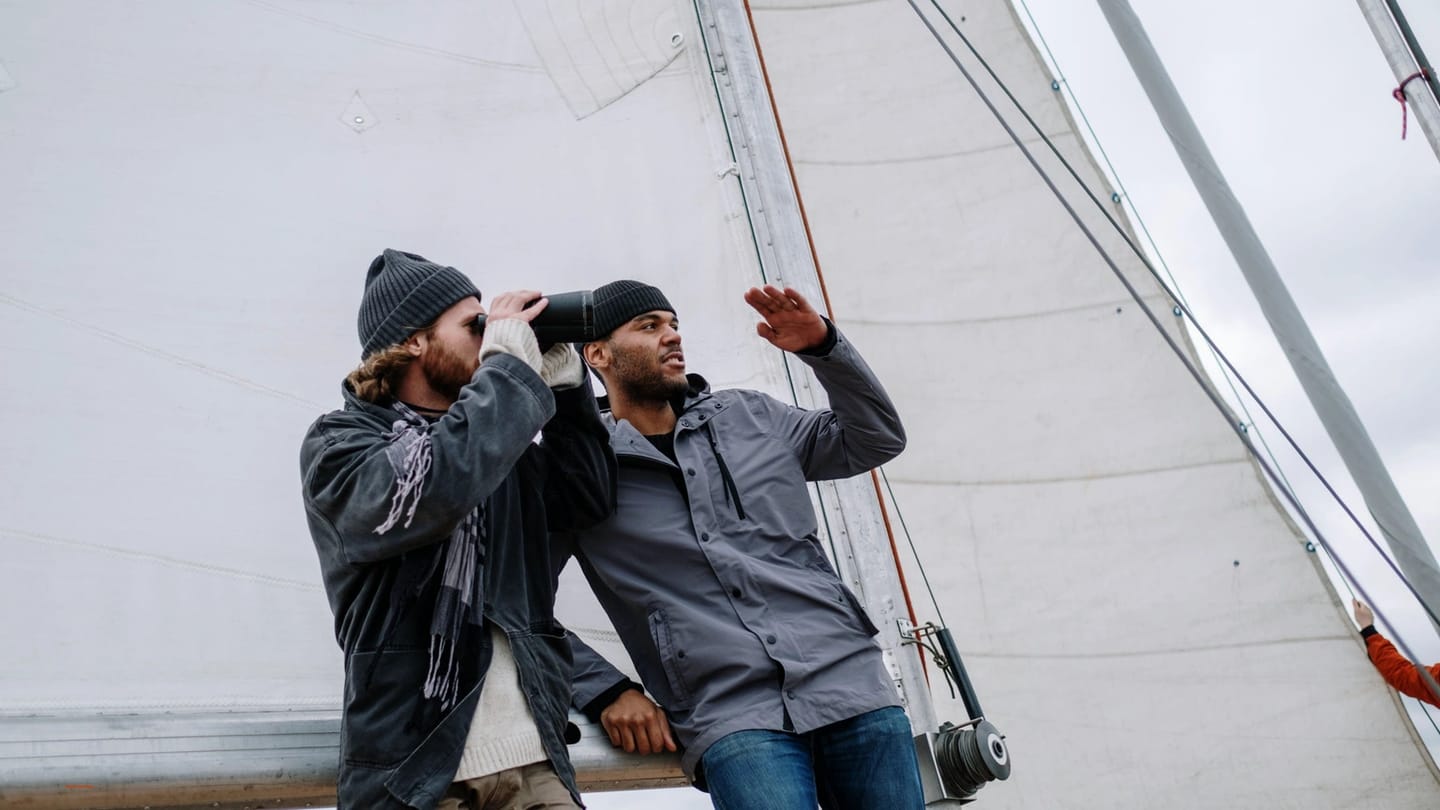
Lookout is a good example of a routine worth practising on purpose. Two crew scanning ahead and calling out what they see (a converging boat, a mark, a colour change in the water that might mean shallower ground) only works if the habit is set before it's needed at night or in poor visibility. Rotate these jobs across the crew instead of letting the most confident person default into all of them; a passage shouldn't depend on one person staying sharp for its entire length.
You'll know this stage is working when routine tasks keep happening after the first few hours of novelty wear off. A crew still running careful handovers and checks on day two of a trip, without being reminded, has built something a single day sail never tests. That habit is exactly what preparing for a multi-day coastal passage depends on once fatigue starts to matter.
How do you know when to attempt the next passage?
You know by listing what the proposed trip actually demands (distance, weather window, harbours to duck into if needed, night hours) and checking that against what the crew has already done successfully rather than what they hope they can do. A calm, familiar coastal weekend doesn't automatically answer whether the same crew is ready for real overnight hours or more open water; those add risks a good weekend never tested.
Consider a common way beginners misjudge this. A crew completes two or three enjoyable day trips in settled summer weather, feels confident, and books an overnight passage assuming the ease they've built during daylight will simply carry over into darkness, fatigue, and a forecast they haven't personally sat through before. It often doesn't. Night sailing adds reduced visibility and tired decision-making on top of the same skills the crew only ever practised in good light, so the gap shows up exactly when it's hardest to manage.
The safer approach is to pick the next outing to test one gap at a time (an added few hours, one night at anchor, a slightly less familiar stretch of coast), while keeping an easy way to shorten or cancel the trip if conditions or the crew aren't holding up. Readiness, in the end, is what a specific crew can demonstrate on a specific boat and route, not a badge that carries over automatically from one trip to the next.
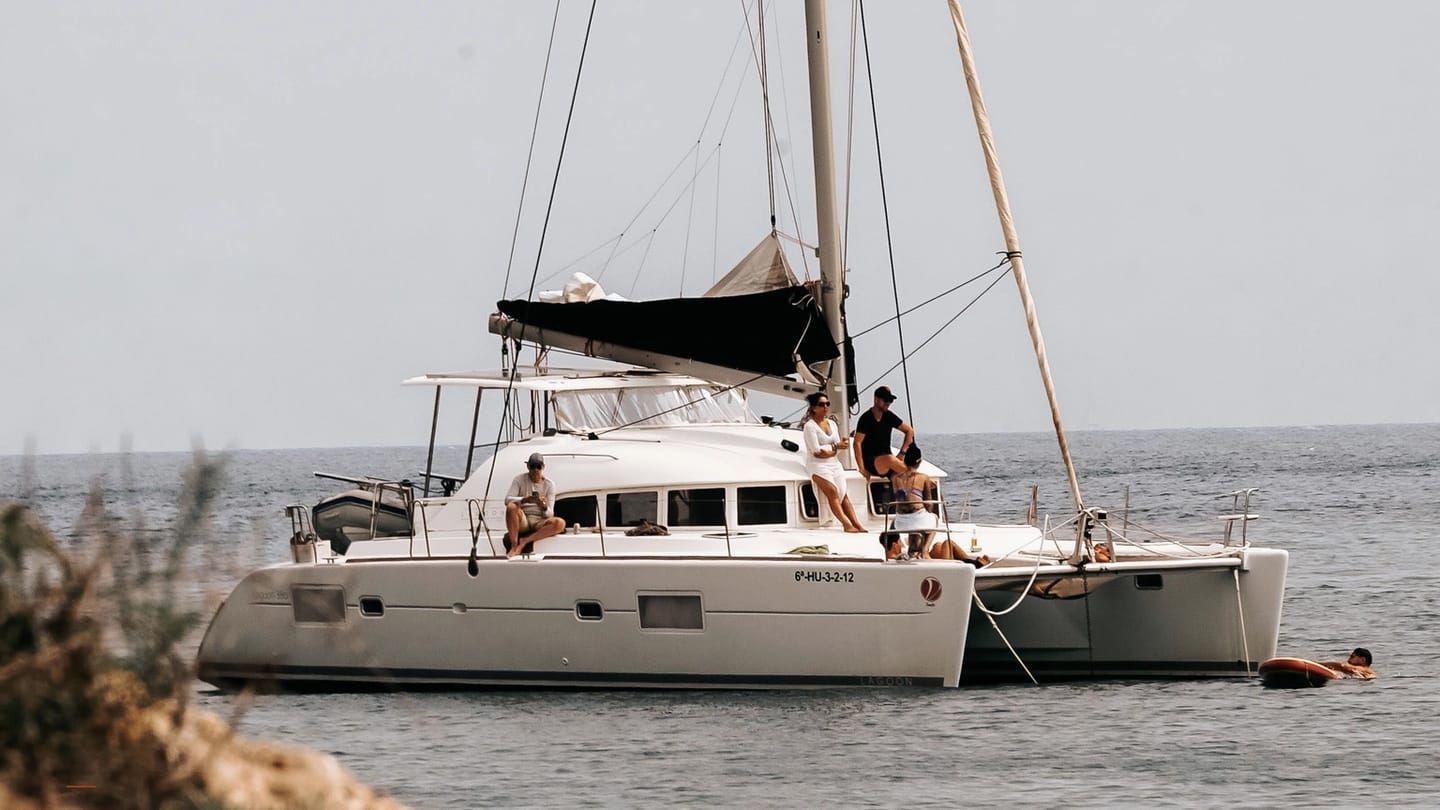
These stages don't need to fit inside a single season, and finishing a course, including this one, doesn't guarantee any of them. What actually moves a beginner toward coastal cruising is the combination of structured learning and real time on the water: lessons that explain why a manoeuvre or a weather call works the way it does, paired with an instructor or experienced sailor who can watch you do it and say honestly what still needs work. SailStarter's lessons are built to support that second half, walking through the boat handling, navigation, and passage-planning ideas each stage above depends on, so the practice you log on the water has something solid behind it. If you're working through the early stages now, our lessons are a reasonable place to build that foundation. They aren't a substitute for logged time aboard a real boat with people who can see what you're actually doing.
Try it from the lesson
Can you spot the next move?
You turn to face the stern. A crewmate points at your right hand. Which side of the boat is that?
Why you can trust this guide
. We build each guide from public seamanship and safety sources, then teach the universal principle before any local difference.