Chart your course
Boat Horn Signals: What the Blasts Mean
Quick answer
The short version
A boat's horn or whistle communicates through two things: how long each blast lasts and how many you hear. A short blast is about a second; a prolonged blast runs four to six seconds. When vessels are in sight, a power-driven vessel underway uses one short blast for altering course to starboard, two for port, and three for operating astern. Five or more short, rapid blasts mean doubt or danger. In restricted visibility, a power-driven vessel making way sounds one prolonged blast at intervals of no more than two minutes; a sailing vessel adds two short blasts. An anchored vessel required to carry a bell rings it, while smaller vessels may use an efficient alternative signal. On US inland waters, one and two short blasts work differently: verify which rule set applies.
You can't always see another boat's next move, and a headsail or a hull in the way can block a hand signal from ever reaching you. Sound travels around all of that. But a blast only means something if both boats agree on what it means, and on some waters, they don't quite agree the way you'd expect. This guide walks through the blast vocabulary, what the counts mean while boats are maneuvering in sight of each other, the one signal everyone treats the same way everywhere, and what changes once visibility drops.
The Vocabulary: Short and Prolonged Blasts
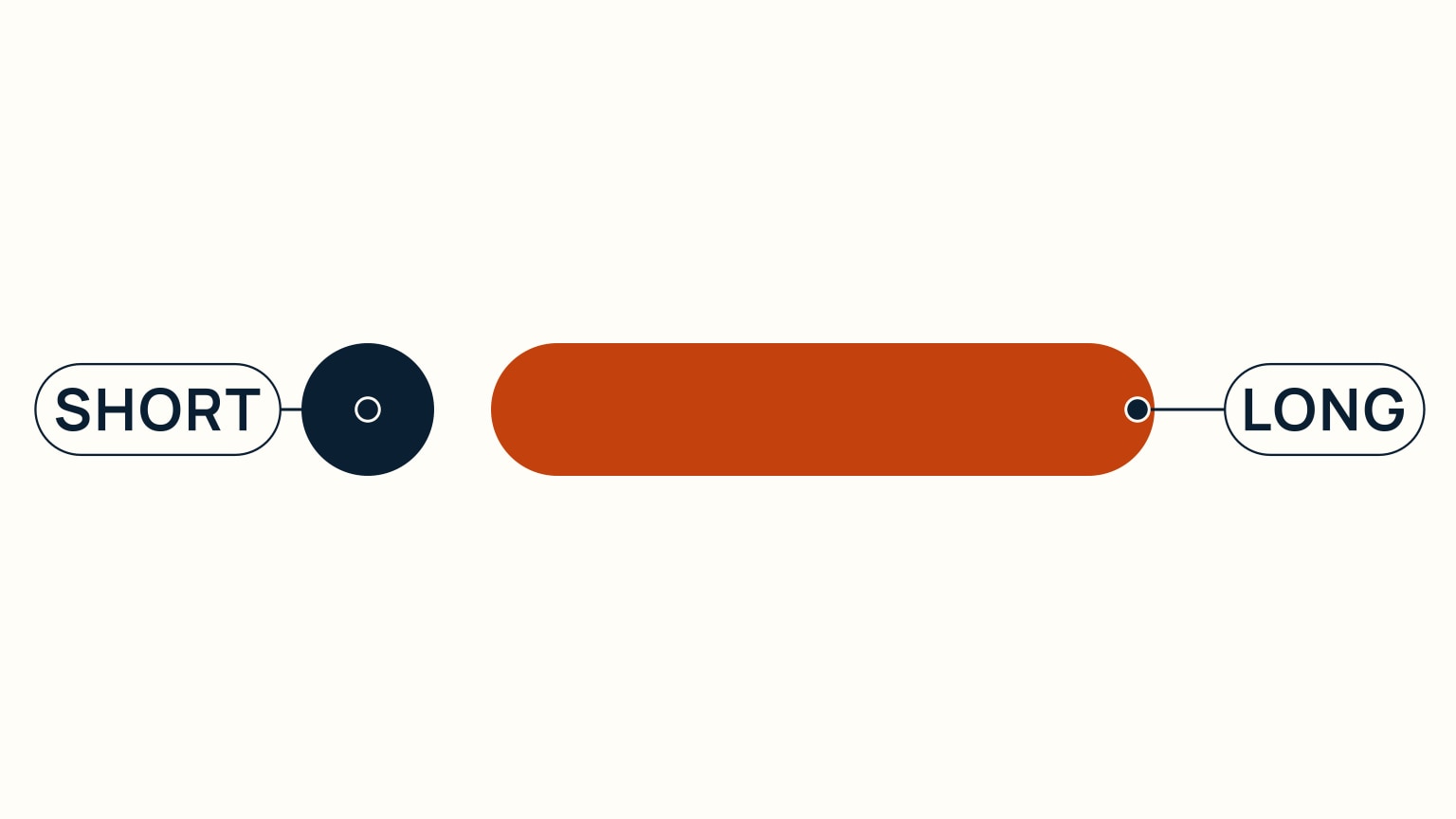
Every sound signal is built from two building blocks: a short blast, lasting about a second, and a prolonged blast, lasting four to six seconds. That's several times longer, so the two are never mistaken for each other. In practice, a short blast is a quick, abrupt toot; a prolonged one is long enough that you could count it out, roughly "one-thousand-one" through "one-thousand-four" or beyond, before it stops. Everything else in this guide is just different combinations and counts of those two blasts.
None of it works without a way to make the sound in the first place. The carriage rule scales with vessel length: 12 meters or more calls for a whistle, 20 meters or more adds a bell, and 100 meters or more adds a gong on top of both. A boat under 12 meters isn't required to carry those specific appliances, but it still has to be provided with some other efficient means of making a sound signal: the vocabulary below only matters once you can actually produce it.
What the Blasts Mean When You're Maneuvering
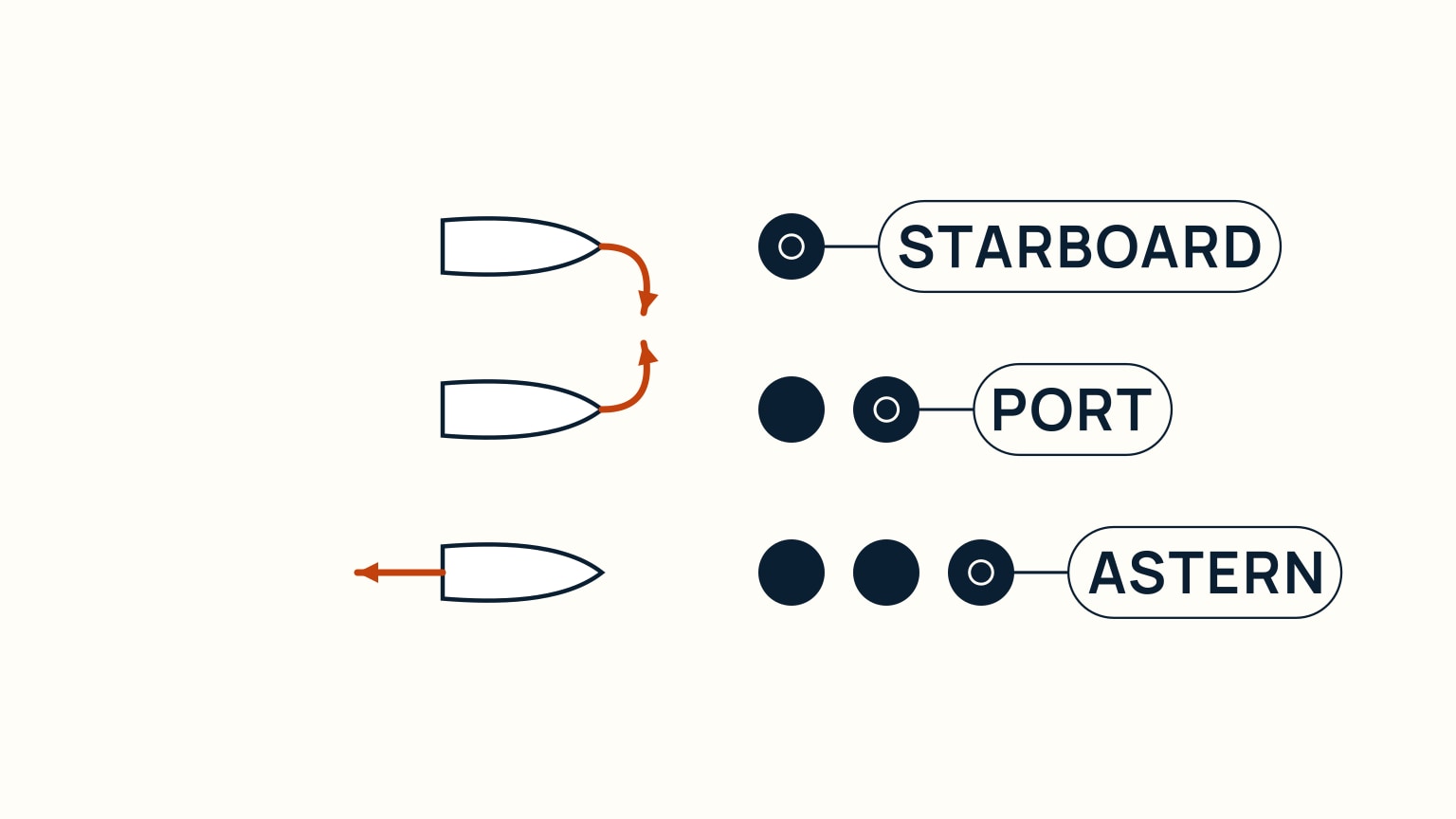
When vessels are in sight of one another, a power-driven vessel underway uses the blast counts to announce what's already happening: one short blast means "I am altering my course to starboard," two short means "I am altering my course to port," three short means "I am operating astern propulsion." Each is a statement about action already under way, not a request; the other vessel isn't expected to answer back. Picture two power-driven boats approaching in open, clear water: if you put the helm over to pass behind the other vessel, one short blast simply tells them what you're already doing, so they can read your course change instead of guessing at it from your wake.
US inland waters work differently. There, one and two short blasts aren't a statement: they're a proposal. One short means "I intend to leave you on my port side," two short means "I intend to leave you on my starboard side," and the other vessel has to answer: the same signal back if she agrees, or the five-short danger signal if she doubts the maneuver is safe. Both vessels then take precautionary action until they actually reach agreement, rather than assuming a proposal is settled the moment it's sounded. Three short blasts mean the same thing in both systems. If you're on US inland waters, verify which rule set is in force before you rely on it. Waiting for a reply that the international rule never asks for is exactly the mistake this difference sets up, and so is sounding a proposal on US inland waters and proceeding before the other vessel has actually echoed it back.
Five or More Blasts: The One Everyone Must Act On
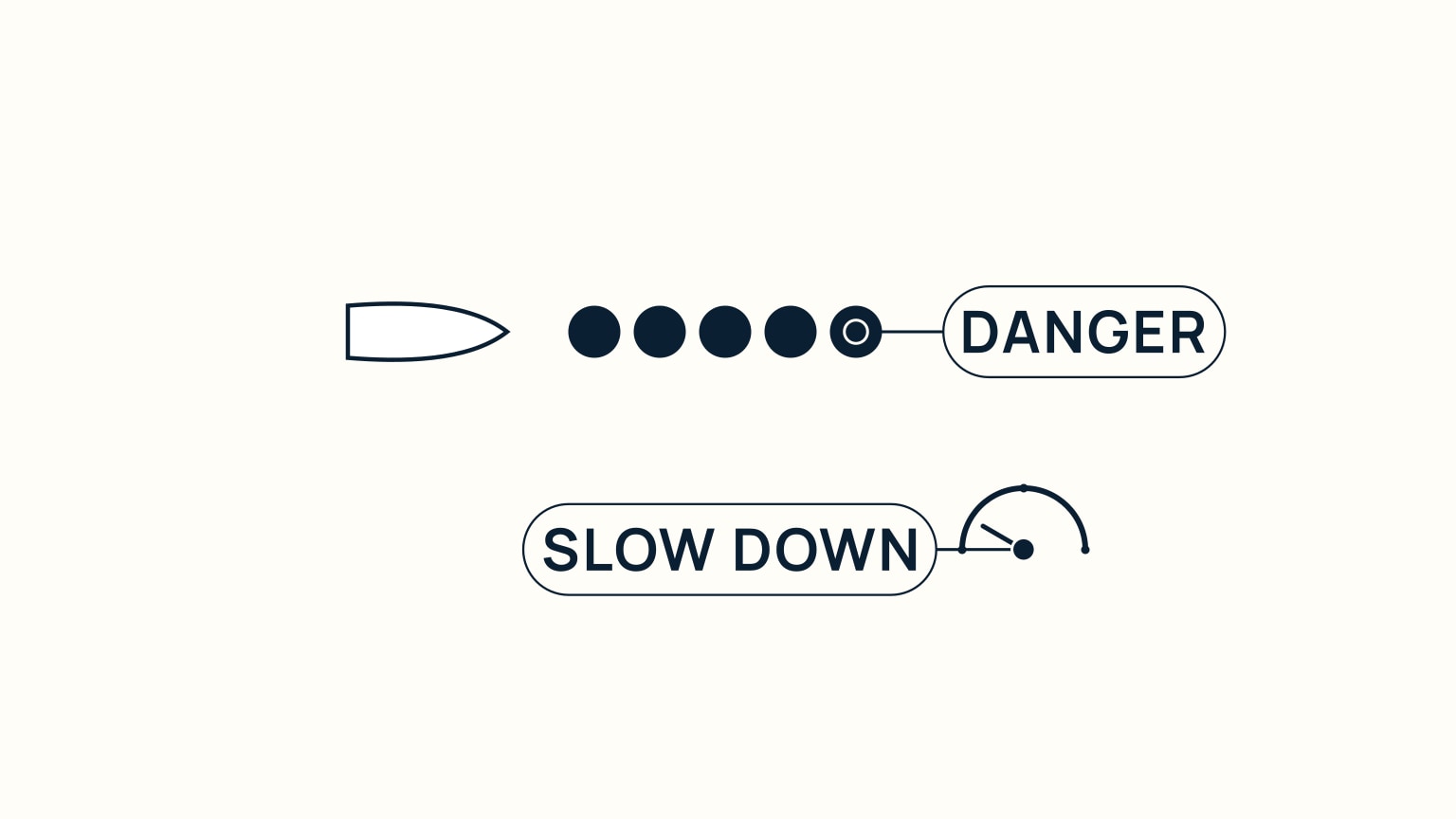
However the one- and two-blast signals are worded where you're sailing, five or more short, rapid blasts always mean the same thing: the sounding vessel doesn't understand what you're doing, or doesn't think you're doing enough to avoid a collision. It's the one signal in this guide that reads identically in every system.
The response doesn't depend on who sounded it or why. Back off the throttle, take stock of both vessels' positions, and get clear on the situation before you commit to anything else. This isn't the moment to work out who was technically right; it's the moment to remove the doubt. Say you've just signaled one short blast for a turn to starboard, and the other vessel keeps closing on a course that still looks set to cross yours. Either boat can sound five short blasts right then, and neither one needs to wait for the other to agree first: the whole point of the signal is to interrupt whatever's about to go wrong before it does.
Signals for Fog and Restricted Visibility
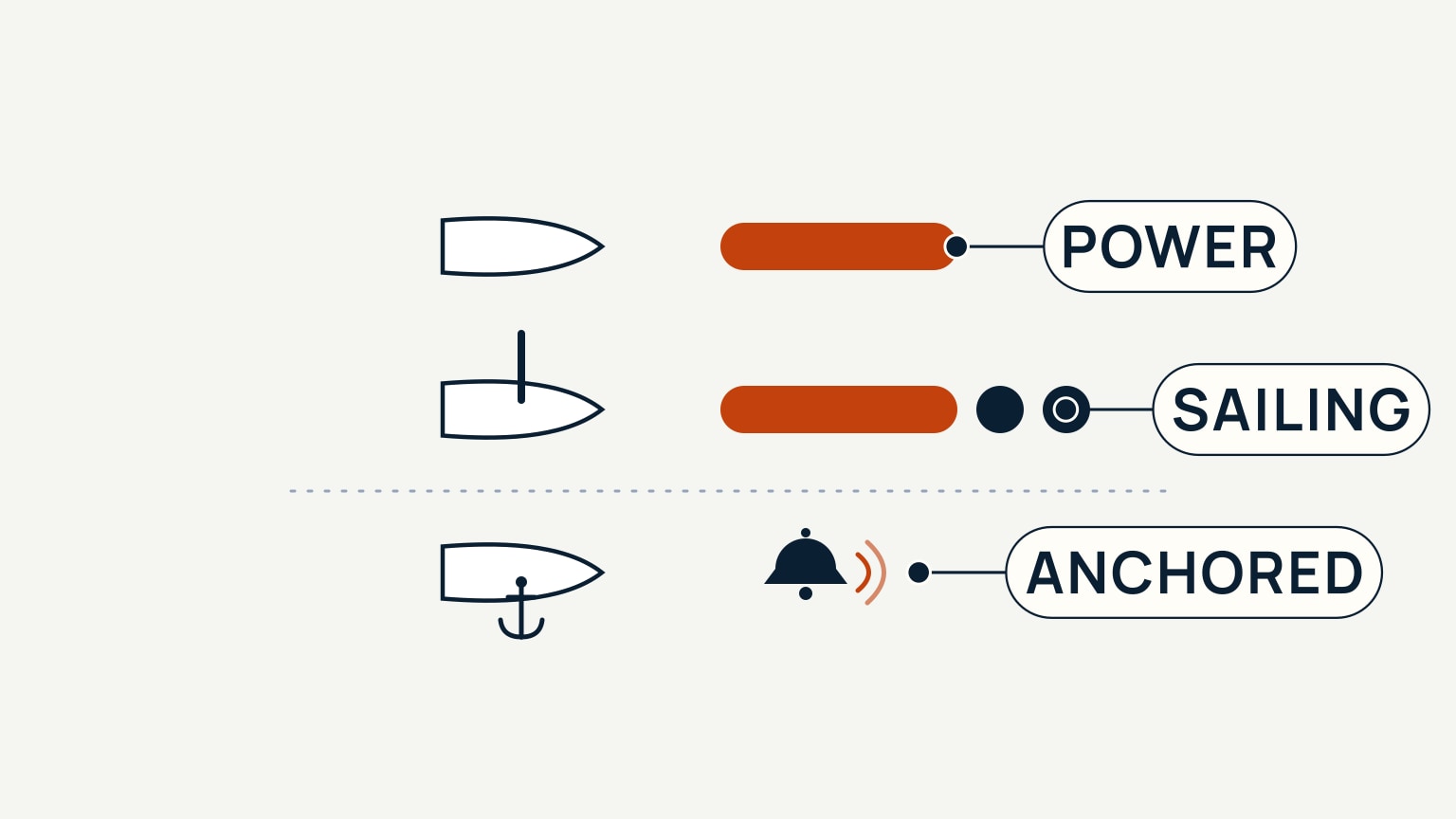
Once visibility drops, the maneuvering signals above stop applying: they're only sounded when vessels are in sight of one another. Restricted visibility has its own set, repeated on a clock rather than tied to a specific maneuver. A power-driven vessel making way through the water sounds one prolonged blast at intervals of no more than two minutes. A sailing vessel (grouped with a vessel not under command, restricted in her ability to maneuver, constrained by her draft, fishing, or towing another vessel) sounds one prolonged blast plus two short, at the same interval. These vessels share that longer, three-part signal because they're all less able to maneuver freely to avoid you, the same limitation that shapes who gives way to whom once boats are close enough to see each other. If you're sailing in fog and hear that pattern repeat every couple of minutes, you know a boat with limited maneuvering room is out there even though you can't see it yet.
An anchored vessel required to carry a bell rings it rapidly for about five seconds at intervals of no more than a minute; a vessel of 100 meters or more follows that forward bell with a gong sounded aft, matching the same carriage scale that adds a gong at 100 meters in the vocabulary above. Vessels under 20 meters are not obliged to give that prescribed bell signal; if they do not, they make another efficient sound signal at intervals of no more than two minutes. An anchored vessel may also sound one short, one prolonged, one short blast to warn an approaching vessel, so “at anchor” never means “no whistle at all.”
A couple of questions cover most of the confusion beginners run into. Do you need to sound a blast every time you turn? No: the maneuvering signals only apply when another vessel is in sight and your action is the kind these rules govern, not for routine helm adjustments with nobody nearby. Do you ever need to reply to a one- or two-blast signal? Only under US Inland Rules, where those counts are a proposal that genuinely needs an answer; internationally, the same blasts are just an announcement of what's already happening, and no reply is expected. Mixing up those two systems, replying where none is expected or staying silent where an answer is required, is the single most common way this topic trips up beginners moving between charter fleets, training boats, and different home waters over a season.
None of these signals require memorizing a rulebook cover to cover: they require knowing the vocabulary, recognizing which situation you're in, and never letting a five-blast signal go unanswered. This same in-sight-of-one-another framing shapes the right-of-way rules horn signals back up. Do sailboats have the right of way? and boat navigation lights cover the other two ways vessels read each other's intentions when a blast alone isn't enough. SailStarter's lesson on sound signals walks through this same chart as an interactive diagram, tied back to the collision-avoidance and fog-response skills it builds on. If the water you sail includes a rule set with its own local wording, this is exactly the kind of thing worth confirming before you need it mid-maneuver rather than after.
Try it from the lesson
Can you spot the next move?
How long is a short blast, and how long is a prolonged blast?
Why you can trust this guide
. We build each guide from public seamanship and safety sources, then teach the universal principle before any local difference.