Chart your course
Bottom Painting Cost for a Sailboat: Quote Scope
Quick answer
The short version
Bottom painting cost is rarely one line item. The final scope can include haulout, blocking or storage, inspection, washing, preparation, compatible antifouling, application, cure time, launch, and yard access. A price becomes useful only when it tells you which of those jobs it covers. Begin by identifying the coating already on the hull and the product system proposed for the next coat.
Antifouling is a coating system, not simply a colour applied beneath the waterline. Product technical data controls preparation, application, overcoating and launch timing for that product. Existing-coating compatibility matters as well. Comparing quotes without those details can make a careful proposal look expensive beside one that has left important work unnamed.
Price the Haulout Separately
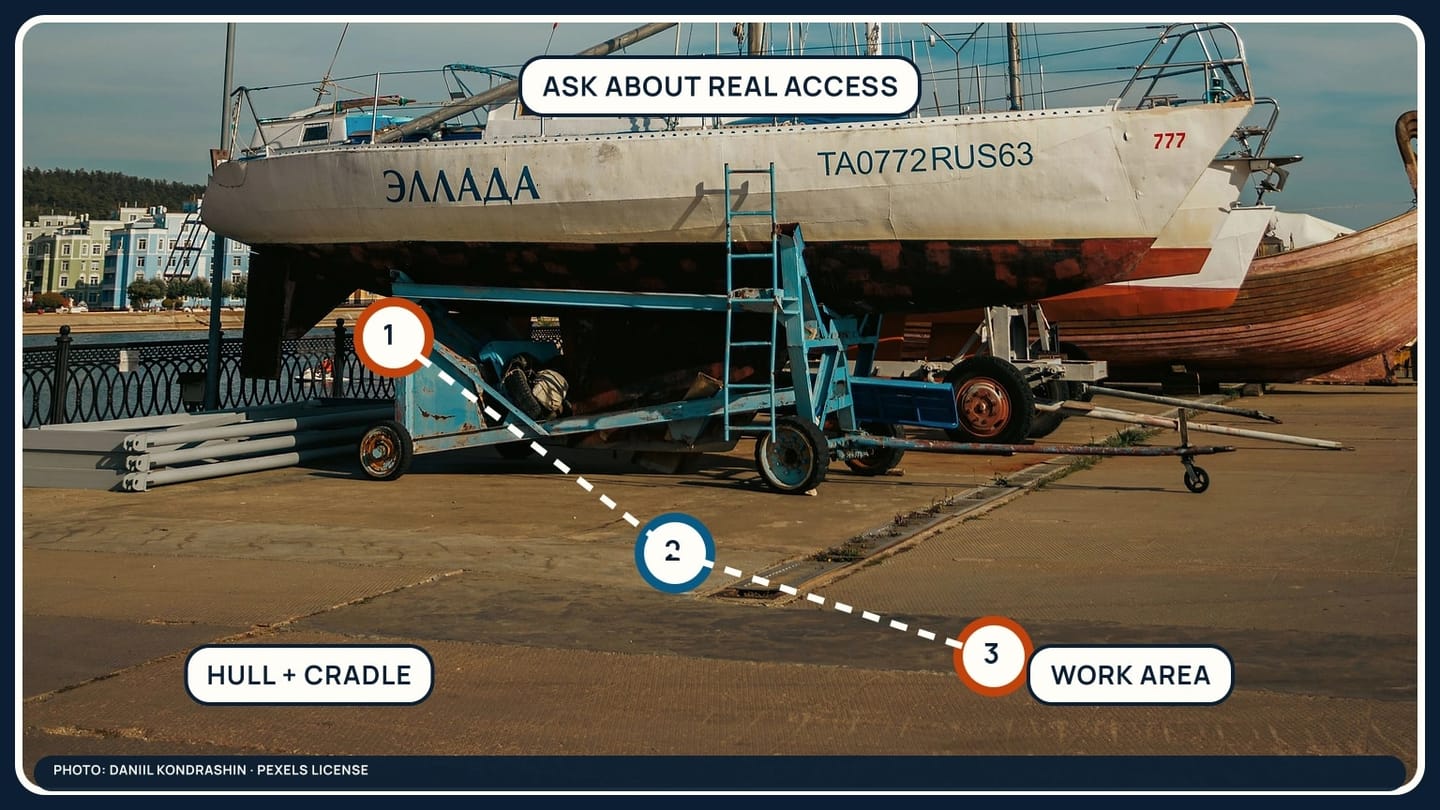
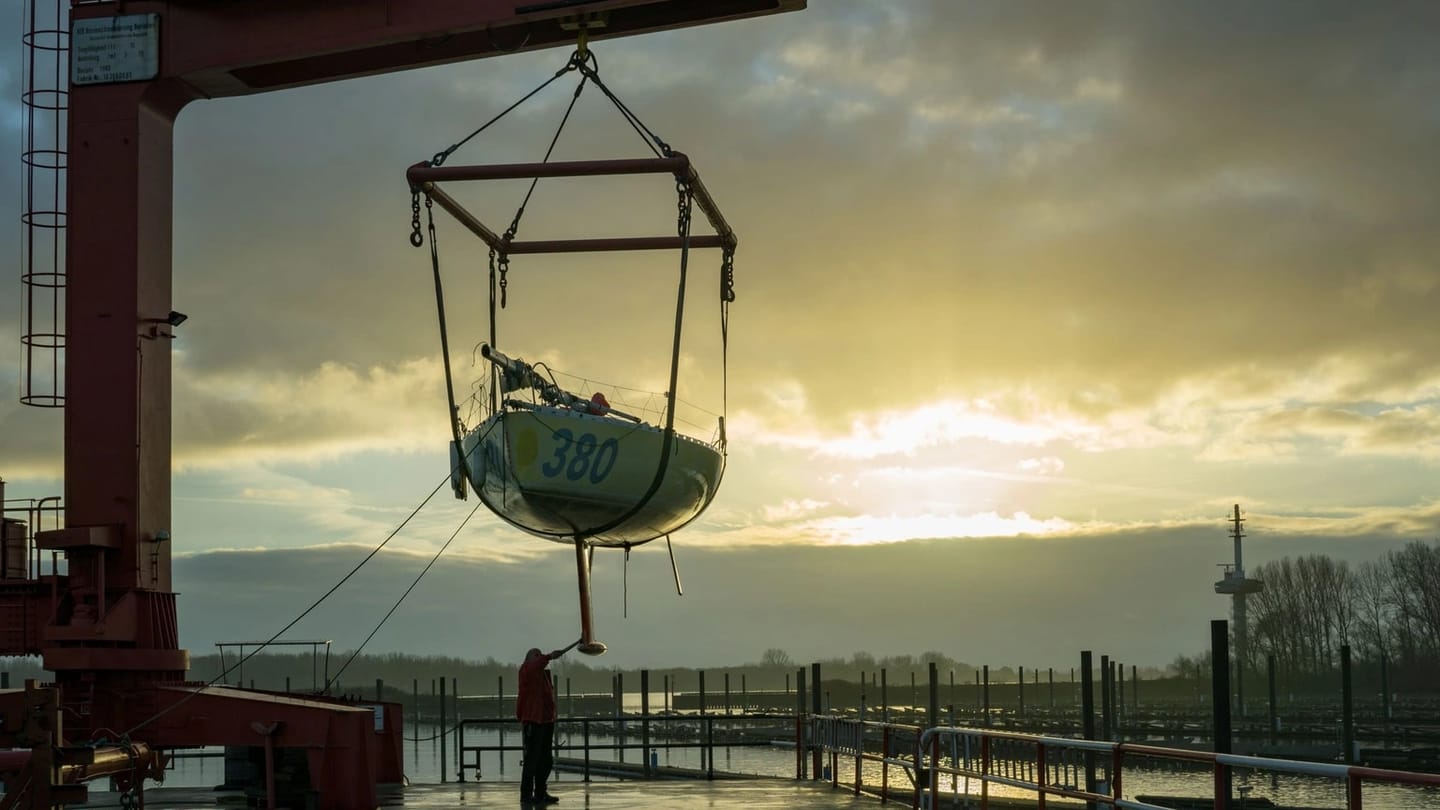
A short haul gives access to the underwater hull and gear. It can permit an inspection, yet lifting and yard services are distinct from coating application. Ask the yard to list haulout, pressure washing, blocking, storage, launch and any timing limits as separate entries. That makes it clear whether a painting price assumes the boat is already ashore or includes the whole yard visit.
The schedule matters. A boat cannot always be launched immediately after application, and a yard may charge differently when a boat occupies space beyond the planned window. Ask which party controls the lift date and what happens if weather, preparation findings, or product timing changes the plan. Write down the expected sequence from arrival to launch.
Access can change the labour boundary. Confirm whether the quoted work includes moving equipment, reaching the keel, supporting the boat safely, or working around stands. Do not assume another boat’s haulout price applies to yours. Yard equipment, boat dimensions and local procedures vary.
Before booking, ask for the exact boat details the yard needs. Its handling plan may depend on the boat’s dimensions and arrangement. Give the provider enough time to check its own capability instead of presenting an arrival date as settled. A careful plan is useful even for a routine lift because it places the inspection, coating work and launch in one workable sequence.
Identify the Existing Coating
The proposed antifouling has to be compatible with the existing coating or the manufacturer’s specified preparation must bridge the difference. Tell the painter what product is on the boat if you know it. Provide old invoices, tin labels, maintenance records and clear photographs. If you do not know, say so early rather than guessing from colour or wear.
The quote should explain how compatibility will be established and what preparation follows if the existing system is uncertain. That is a real cost decision, not a detail to resolve after a low headline price has been accepted. A coating maker’s guidance is specific to its system, so a product name belongs in the written scope.
Keep the answer factual. The goal is not to choose a product based on a generic claim about all waters or all hulls. Local fouling conditions and provider practice can affect the practical recommendation. Ask the chosen yard and product supplier for the current information that applies to your boat and location.
When you have no coating record, resist the urge to make the job look simpler than it is. The uncertainty itself belongs in the quote request. It tells the provider why the surface may need identification or extra preparation before application. A written conditional step is easier to budget for than a disagreement once the boat is already ashore.

Make Preparation Visible
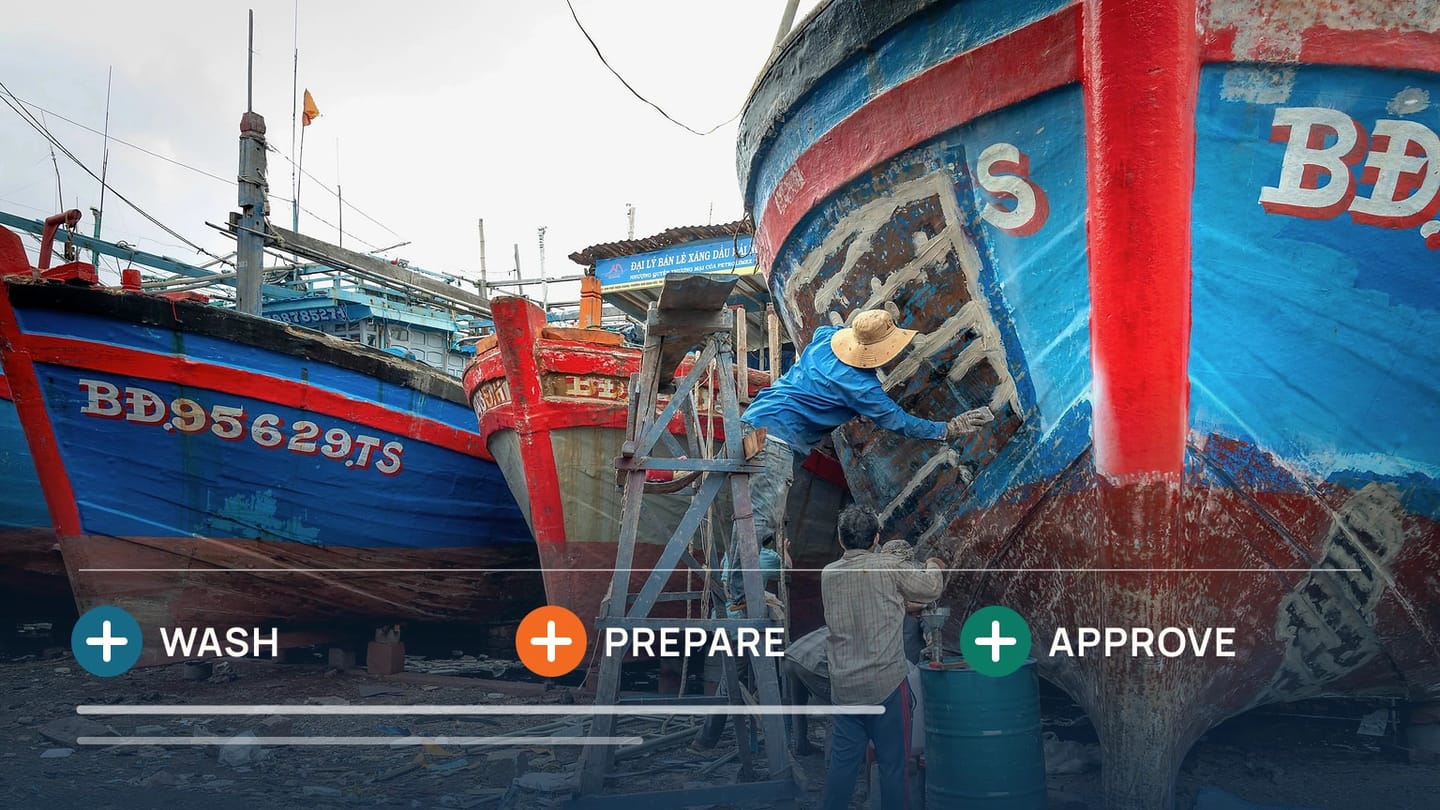
Preparation is where quotes often stop being comparable. Ask what surface work is included before paint is opened. The product technical data sets the preparation and application requirements for its coating system. A proposal should identify the condition it expects to receive and the actions included if the hull differs from that expectation.
Separate routine preparation from discoveries. A painter may price normal cleaning and a stated preparation method while excluding repairs, unexpected coating removal, or underwater defects that need a different trade. That is useful information. It tells you where an inspection decision could create additional work instead of implying a fixed all-inclusive result.
Ask when the painter will inspect the hull and how a changed scope will be approved. Keep photos and notes from that inspection with the quote. They create a record of what was visible during the haul rather than relying on recollection at the end of the season.
The same record can help separate coating work from any other finding. A short haul is an opportunity to observe the underwater hull and gear, but it is not automatically a full condition assessment. If you want specialist advice, arrange its scope separately. That protects the painting plan from absorbing unrelated inspection expectations.
Follow the Product Window
A product data sheet controls preparation, application, overcoating and launch timing. Ask the provider to name the selected product and state the conditions and timing it plans to follow. This is especially important when a yard schedule is tight. The desired launch date is not a substitute for the coating system’s stated window.
Include the number of coats and the proposed application boundary in the quote. If the work includes particular underwater areas or excludes them, write that down. Clear language gives you a way to compare one proposal with another without assuming that “bottom paint” means the same thing everywhere.
Do not add extra work casually once the product sequence has begun. Ask the painter how a change affects the application plan and launch date. A written answer protects the schedule and helps you understand whether the change belongs in the present haulout or should be planned separately.
Read the product documentation alongside the quote instead of relying on a remembered rule of thumb. The relevant preparation, application, overcoating and launch instructions belong to that specific coating system. If the yard proposes a substitute product, ask for the revised plan and timing before approving it. Product names and stated windows make a later conversation much clearer.
Compare the Whole Yard Visit
Create a single comparison page for each quote. Include lift, wash, storage, inspection, preparation, product and coat count, application labour, cure or launch window, launch, travel, access, waste handling, exclusions, tax treatment and validity date. Then check whether each proposal describes the same visit to the yard.
The cheapest line can be the narrowest scope. A more complete quote may be easier to plan because it states the likely sequence and decisions. Ask which items are fixed, which are allowances, and which require inspection before a price can be confirmed. Those distinctions matter more than a false sense of precision.
Save the final product name, application record and invoice with the boat’s maintenance file. It gives the next painter a starting point for compatibility and lets you answer basic questions with evidence. For a practical companion, see bottom paint for sailboats.
If two proposals differ sharply, return to the scope rather than trying to average the totals. One may include a haulout and product system while another assumes the boat arrives prepared and ashore. Ask both providers to clarify the same missing line. You do not need a universal price to make a sound choice; you need a documented plan for the actual boat and yard.
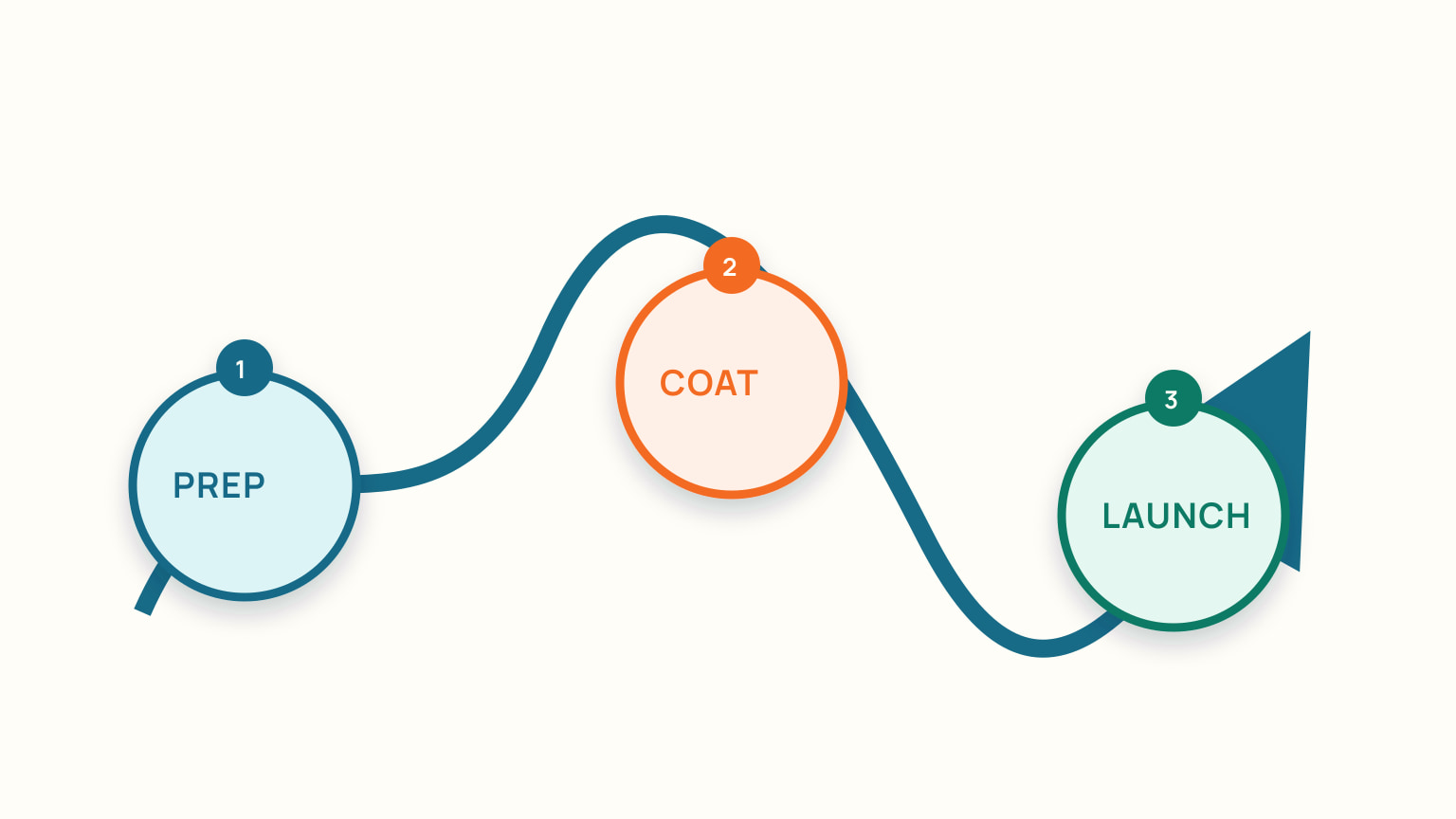
Use the yard visit as a sequence of decisions, not a single maintenance purchase. Before arrival, you need a confirmed handling plan and the history of the existing coating. Once the boat is out, the hull condition and preparation finding can confirm or alter the expected work. Before application, the product and its timing window need to be clear. Before launch, confirm that the stated cure or launch conditions have been met. Recording each handoff makes it less likely that a timing or access assumption gets lost between the yard, painter and owner.
At completion, check the written record while the details are fresh. It should show the product used, the work completed, the planned launch timing, and any condition item deliberately left for another job. This is not an invitation to diagnose the hull yourself. It is a way to preserve what the provider did and what remains outside the coating scope. That distinction becomes valuable when the next maintenance decision begins.

SailStarter’s ownership lessons can help you ask better questions about maintenance planning. Bring a clear history of the existing coating, make each stage of the haulout visible in writing, and follow the selected product’s current data. That turns a bottom-painting number into a quote you can genuinely compare.
Try it from the lesson
Can you spot the next move?
What cushions the gap between the boat and dock before they touch?
Why you can trust this guide
. We build each guide from public seamanship and safety sources, then teach the universal principle before any local difference.