Chart your course
Centerboard vs Daggerboard: The Difference

Quick answer
The short version
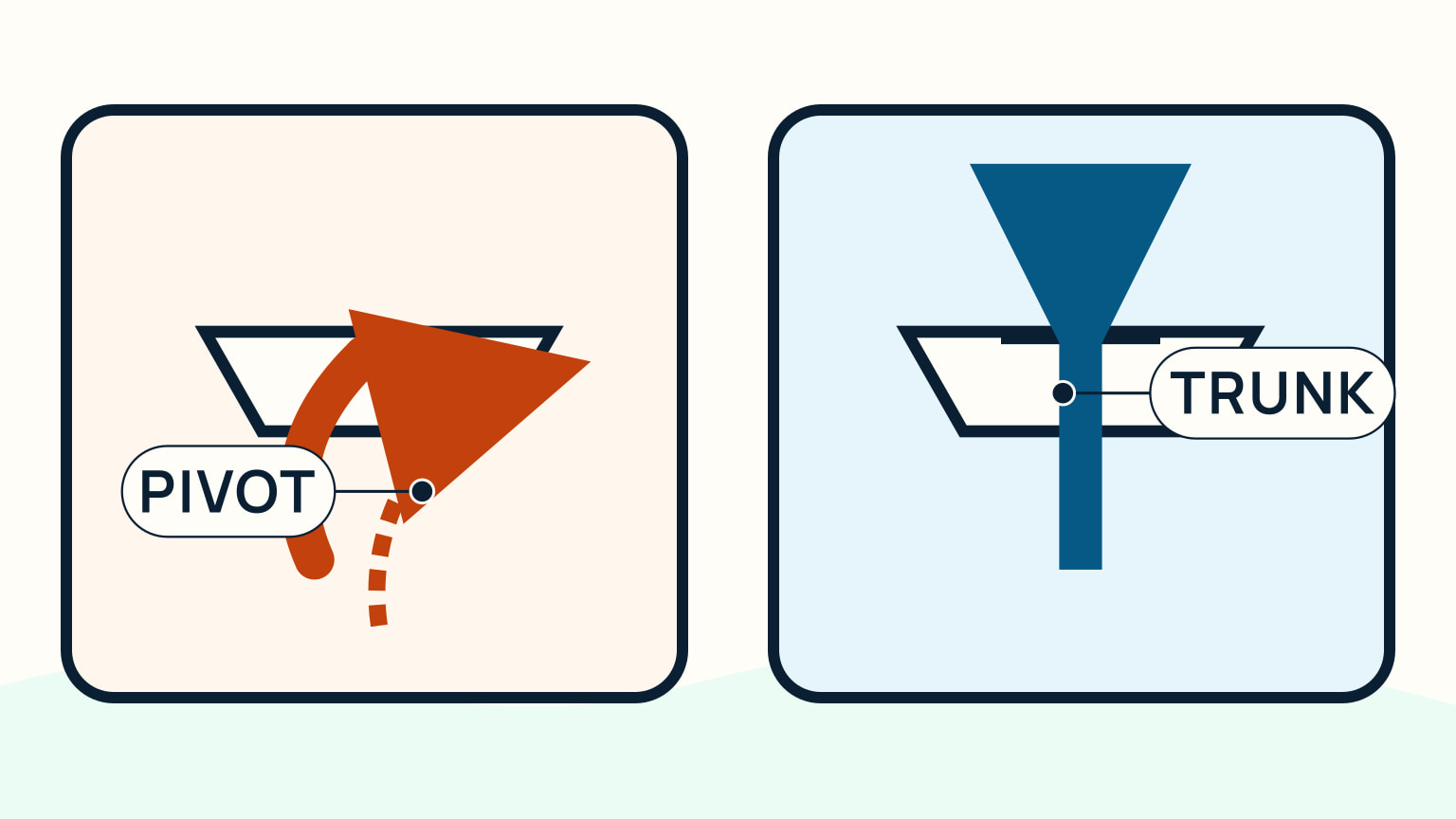
A centreboard pivots around a pin. A daggerboard slides substantially vertically through a trunk. Both are underwater foils, yet their movement changes what you need to watch near shallow water, what clearance they need aboard, and which parts deserve attention. Neither word tells you how fast a boat is, how stable it feels, or what happens after a collision. For that, use the boat's own manual and design information. Start by learning the motion, then inspect the system that produces it.
The distinction matters most when you are close to shore, launching, retrieving, or trying to understand unfamiliar controls. A centreboard has an arc. A daggerboard needs an unobstructed vertical path. That gives each system different space requirements and different ways to get damaged if it is operated carelessly. You do not need to turn either into a mystery. You need to see the trunk, control, stop, and travel before you depend on them.
Watch how each board moves
The easiest picture is a door compared with a sliding panel. A centreboard rotates around its pivot pin. When it is raised, the board moves aft and upward through an arc. A daggerboard does not do that. It travels vertically through its trunk, so the board and the space above it need room for the whole movement. That is the physical difference behind the names.
Look for the evidence on the actual boat. Find the centreboard's pivot area and its line or lever. On a daggerboard boat, find the trunk and see where the board rises when it is brought up. Do this alongside the owner's guide. A small detail such as an interior lid, a control lead, or a stop can matter to how the system is used and maintained. The useful result is a clear mental picture, not a general claim about which arrangement is superior.
Plan for clearance before water gets shallow
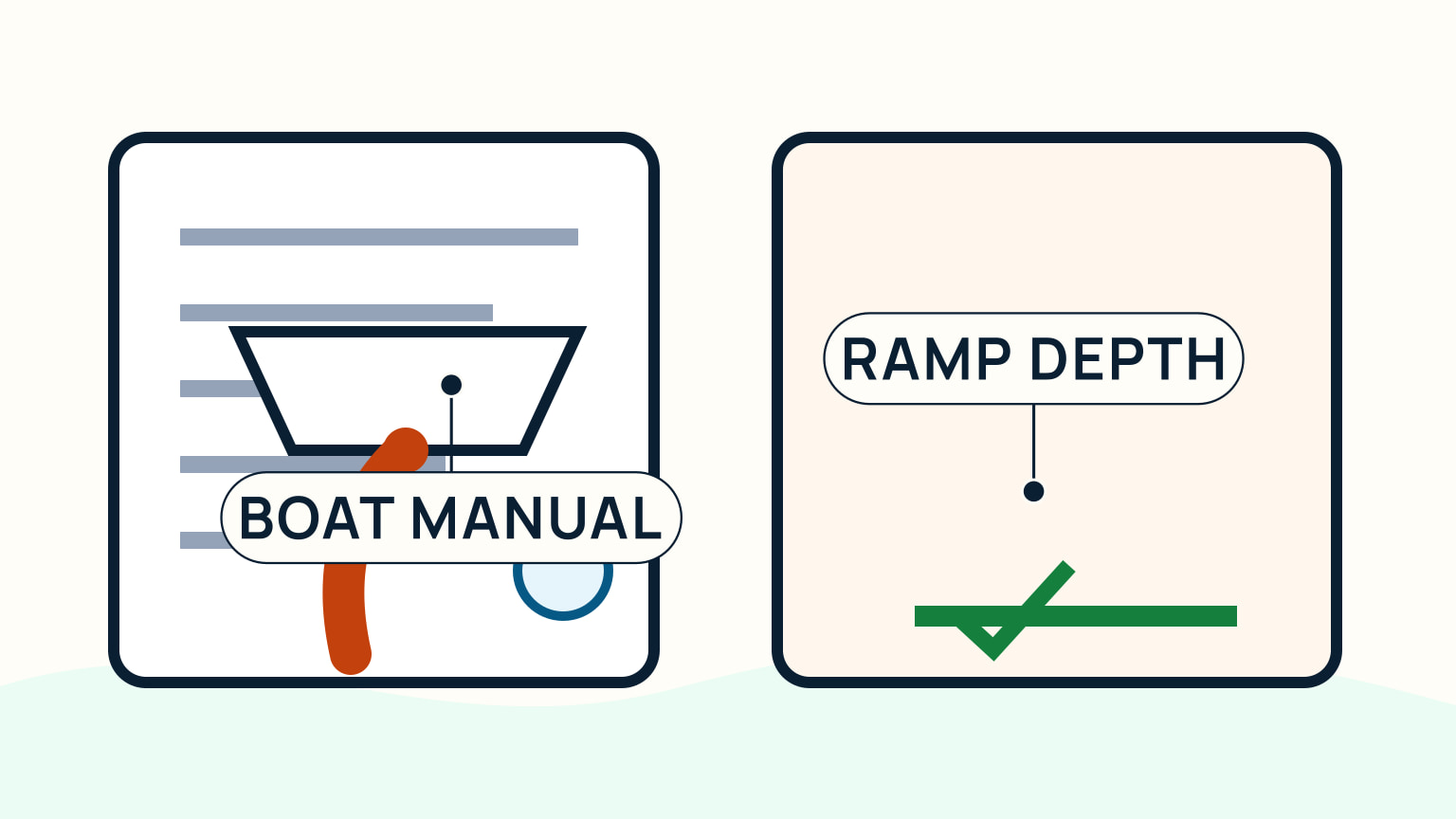
Because the centreboard swings, it has a different raised shape from a daggerboard. Because the daggerboard travels vertically, it needs clearance above the trunk as well as water below the hull. Those facts make a boat-specific pre-launch check worthwhile. Confirm the board's normal travel, the marked or described positions, and the amount of board still below the hull in each position.
Use the chart and local depth information for planning, then leave a margin appropriate to the actual boat and conditions. Do not wait for a scrape to learn whether a board is up. If you are new to thinking about depth, this guide to draft and under-keel clearance gives the broader planning frame. What to do if you run aground covers the calm, safety-first response when a boat does touch bottom.

Find the controls and their stopping points
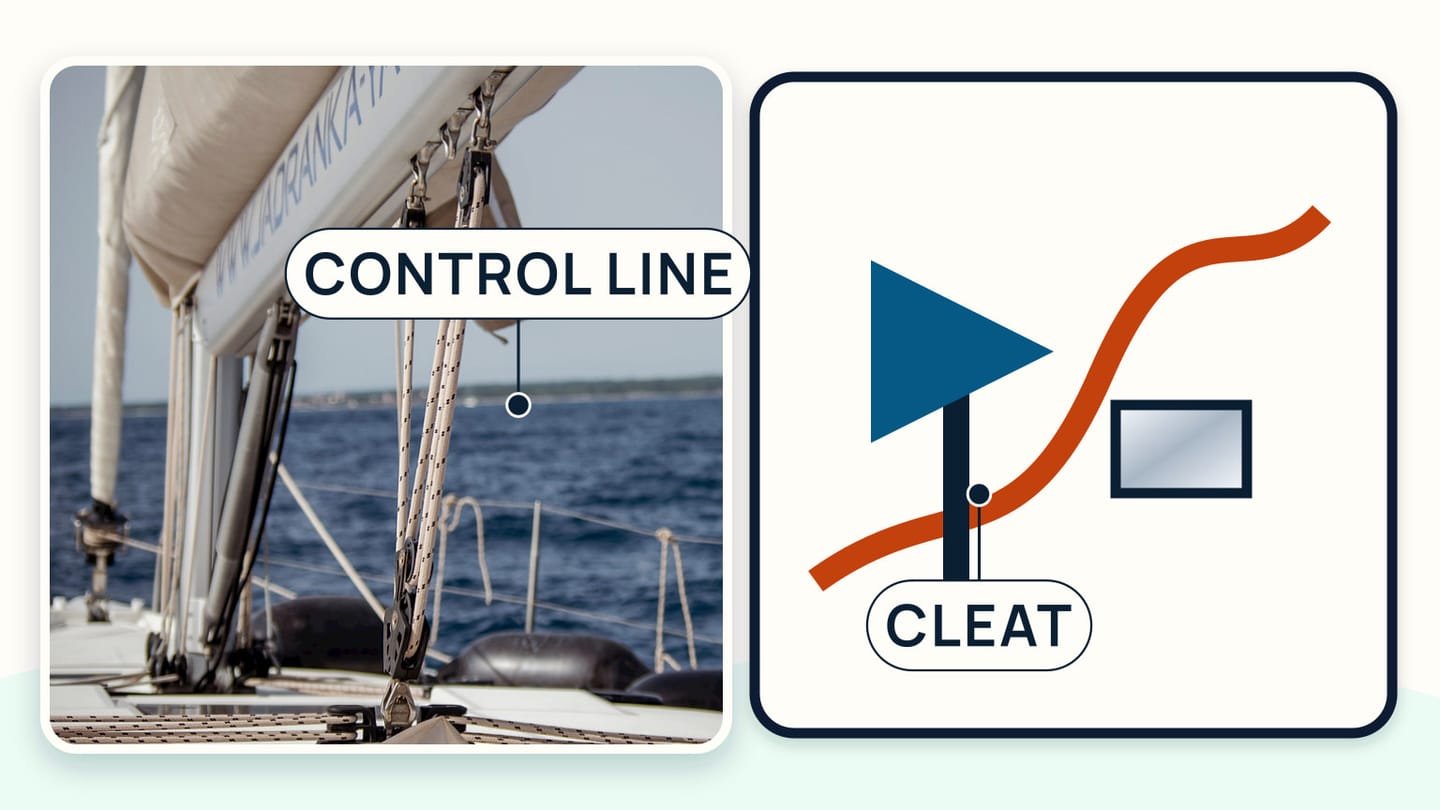
Boards should not be operated from imagination. Trace the control from the cockpit or deck to the board. Identify what stops travel, what keeps the line or lever in its intended position, and what keeps moving parts clear. On a pivoting arrangement, the pin and case are part of that system. On a vertical arrangement, the trunk, guide surfaces, control, and top clearance are part of it.
The RYA lists centreboards and daggerboards among the parts that should be in good condition, and asks that an owner's manual or rigging guide be available. Treat that as a useful way to prepare for a viewing or first sail. Make a note of anything you cannot identify. A manual can explain the intended control sequence and show what the maker calls normal. It can also prevent you from pulling a line that belongs to another system.
Inspect the board, trunk, and hardware together
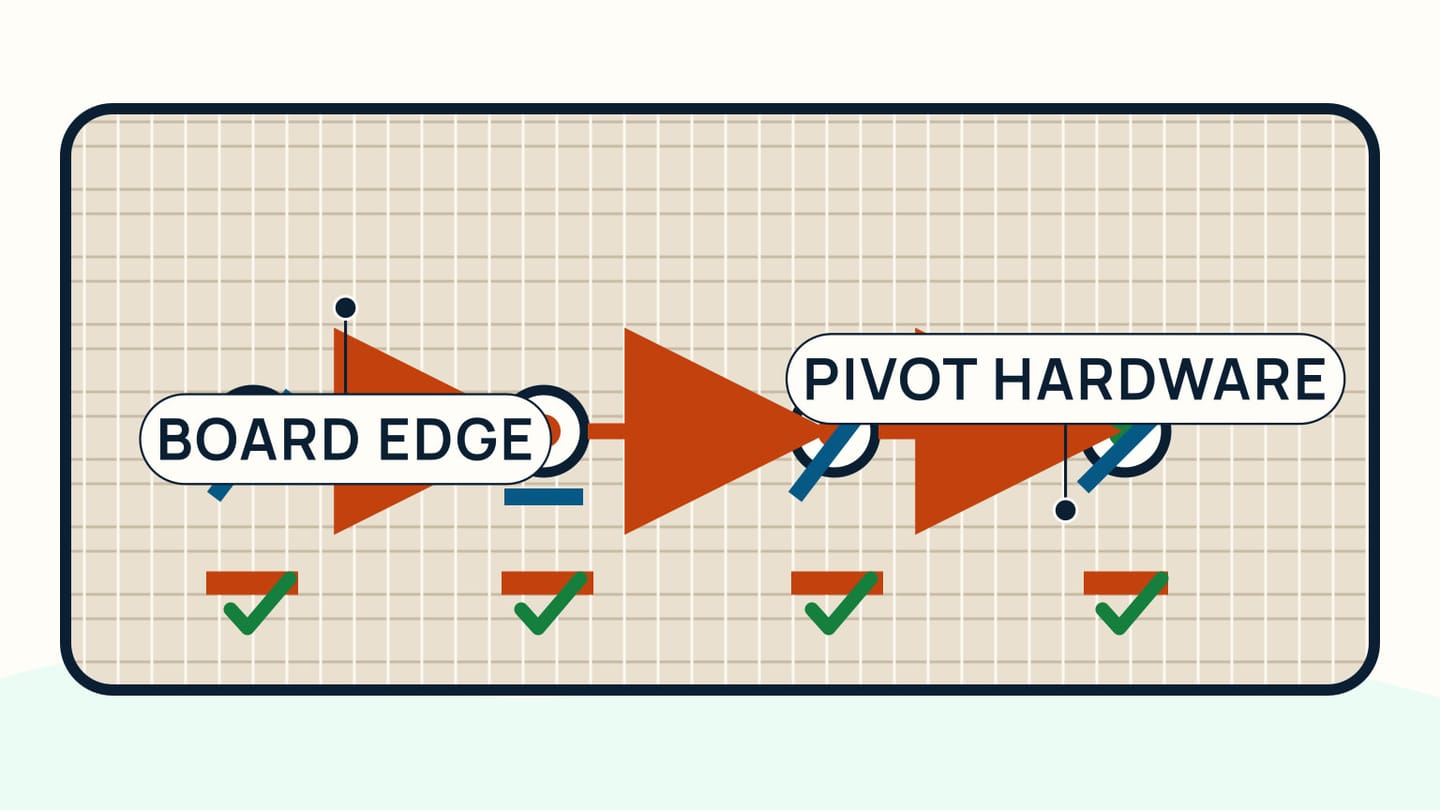
An underwater foil is only one part of the job. Look at the board you can see, but also inspect the trunk or case, controls, pivot area where fitted, stops, and securing arrangement. The RYA guidance does not reduce this to a cosmetic check. It asks whether the equipment is in good condition. A crack, damaged line, worn fitting, or unexplained binding is therefore a reason to stop and learn more before use.
Do not invent a repair method from a generic article. The materials, loads, and access differ by boat. Ask for the guide, maintenance records, and a demonstration. If the board has been struck, is difficult to move, or cannot be secured as the maker describes, get an appropriate professional opinion. A used-sailboat inspection checklist can help you record concerns before you forget them.
Do not turn a board name into a safety verdict
A centreboard or daggerboard label says how the foil moves. It does not settle stability, windward ability, capsize behaviour, or impact response. The RYA's safety guidance makes the larger point: each vessel has its own stability and righting characteristics. That is why a comparison has to return to the whole boat, including hull, ballast where present, rig, intended use, and the condition of the appendage system.
Ask a narrower question when you need an answer. What position does this board need for this manoeuvre? What does the manual say about securing it? What needs inspection before launch? What does the builder say about the boat's stability and righting characteristics? Those are questions someone responsible for that boat can answer from its documents and condition. The answer is more useful than a claim that either word guarantees a particular outcome.
For a broader beginner comparison, dinghy versus keelboat shows why the rest of the boat matters too. SailStarter's boat-parts lesson is a practical place to learn the terms before you visit a club, yard, or charter base.
SailStarter's visual lessons help you recognize the parts and ask better questions. They cannot tell you how an unfamiliar board system has been maintained or what its builder permits. Use the course for the foundation, then use the boat's own guide and a qualified inspection for the decision in front of you.
Before a first launch, invite someone familiar with the boat to show the board system through its normal range while the boat is safely supported. You are looking for an understandable sequence, not trying to become a repairer in one session. Take a photo of the model label and the control layout for the manual you will use later. If the board needs force, makes an unfamiliar noise, or will not reach the position described in the guide, pause the plan and get the right advice.
The same restraint applies after any contact with the bottom. A board may be hidden from view, so a quick look from the cockpit cannot settle its condition. Record what happened and inspect within the limits of the boat's documents and your competence.
For a club boat, put the normal board routine in the handover conversation. A visitor should know which control is which, when to leave it alone, and whom to ask if the system does not behave normally. Clear shared language is a practical part of keeping appendage gear in good order.
The name becomes useful once you can connect it to the movement you see. Until then, treat unfamiliar controls with patience and ask before moving them.
When you join a new crew, ask who normally operates the board and how the boat signals its position. A two-minute explanation at the dock can prevent a much longer misunderstanding near shallow water. If the crew has no shared answer, make that a reason to pause rather than an invitation to experiment underway.
Make the first operating conversation concrete. Ask the owner, instructor, or base to point out the control, the visible board position, the stopping point, and the securing arrangement. Then ask what a normal pre-launch check looks like and what condition should stop the crew from operating the system. Those questions are useful for either a rotating board or a vertical one because they focus on the mechanism in front of you rather than on a category name.
Keep the answer with the boat. A photo of the model label, a note of the control route, and the location of the relevant manual give the next crew member a starting point. If the explanation and the hardware do not match, or if the board cannot be moved and secured as documented, treat that as an unresolved maintenance or operating question. It is better to delay a launch than to create a new problem while approaching shallow water.
If the boat is shared, put the normal control sequence where the next crew can find it. A plain note that identifies the board control, its normal positions, and the document to consult is more useful than relying on a name for the foil.
Try it from the lesson
Can you spot the next move?
What cushions the gap between the boat and dock before they touch?
Why you can trust this guide
. We build each guide from public seamanship and safety sources, then teach the universal principle before any local difference.