Chart your course
Sailboat Keel Types Explained
Quick answer
The short version
A sailboat's keel or underwater board resists sideways movement. A fixed keel may also carry ballast that helps the boat resist heel. Common families include fin keels, full or long keels, lifting keels, centreboards or daggerboards, and twin bilge keels. A label predicts broad tendencies, not the whole boat's behaviour. Draft, ballast, rudder, hull shape, weight, rig, and construction all matter. When comparing boats, ask how the underwater arrangement affects the waters you can enter, how the boat sits ashore, how it manoeuvres, and how it must be inspected or maintained.
The keel is easy to ignore because it lives underwater. It becomes very visible when choosing a berth, approaching shallow water, hauling out, or comparing two boats with similar accommodation.
Start with the waters and storage arrangement rather than a favourite shape. Record controlling depths, berth limits, lifting facilities, and whether the boat must take the ground. Then compare actual designs. This prevents a broad reputation for one keel family from replacing the dimensions and instructions of the boat in front of you. Once you have the keel family in mind, sailboat draft and under-keel clearance covers how to turn a published draft figure into a safe margin on an actual chart and tide.
Why Keel Shape Matters
Wind on the sails pushes the boat both forward and sideways. The underwater surfaces oppose much of that sideways motion. Ballast placed low can also increase the boat's resistance to heeling. Dinghies commonly separate these jobs: a board resists sideways movement while crew weight helps provide stability.
That split between sideways resistance and stability is a useful lens for comparing any two boats, not only a dinghy and a keelboat. A boat that leans on crew weight for stability needs the crew actively sailing it; a boat that leans on low, fixed ballast keeps most of its stability even when nobody moves. Neither approach is more correct. If you are weighing which style of boat to learn on first, dinghy vs keelboat goes further into how that difference in stability shows up in the actual experience of sailing and capsizing risk.
Draft is the depth the boat needs below the waterline. Use the actual published and measured draft for planning. Never infer safe depth from a keel-family name.
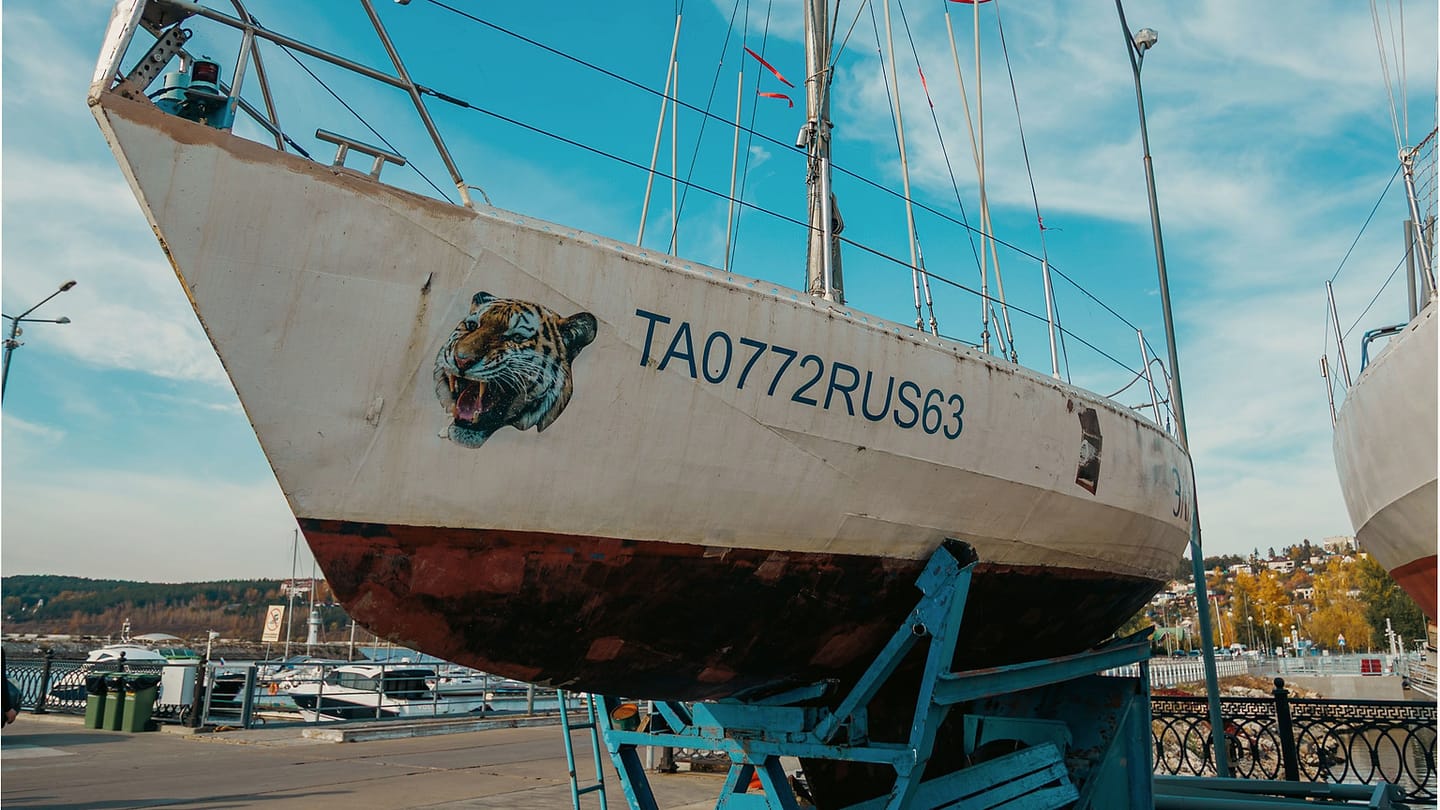
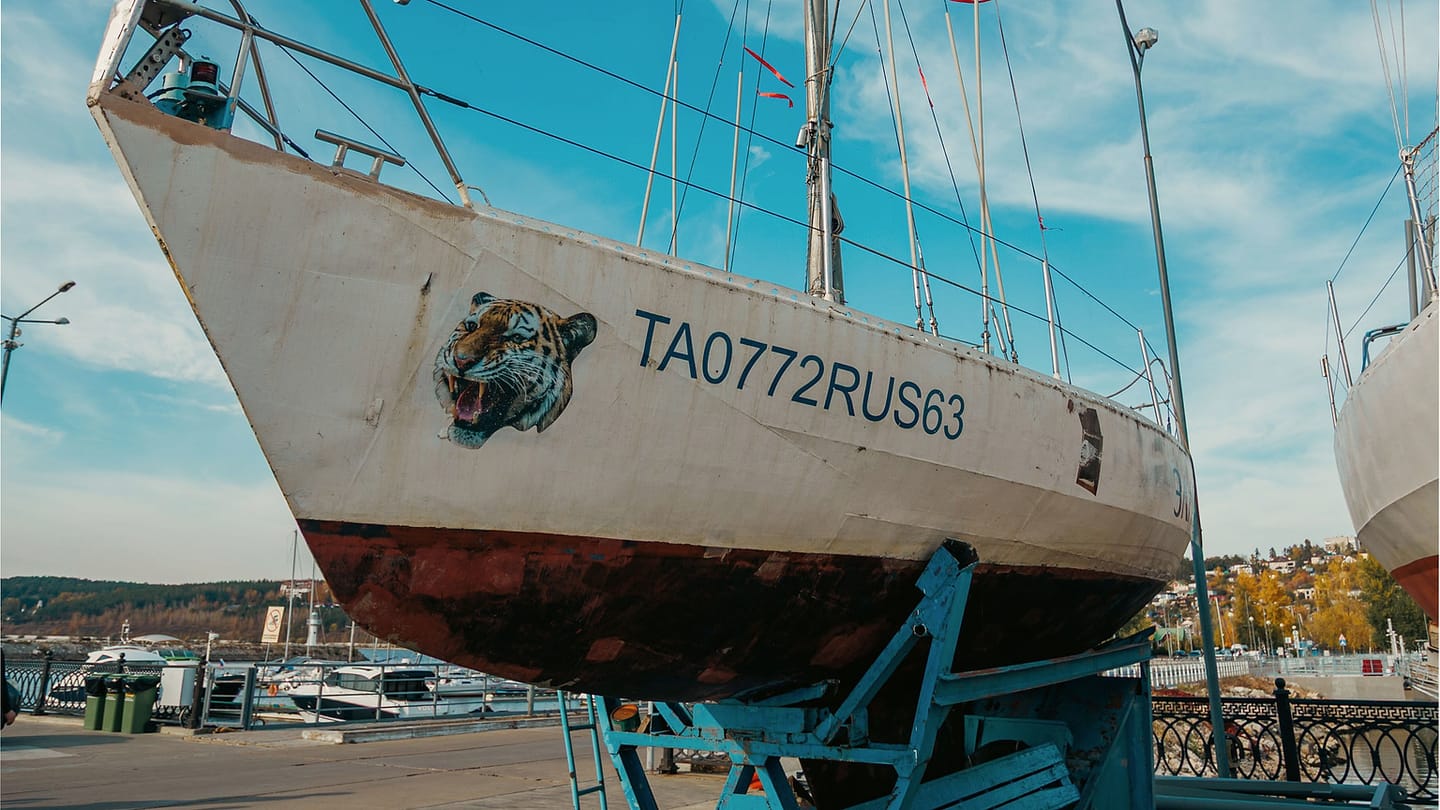
Grounding loads and lifting points also depend on structure. A photograph of the underwater profile cannot show every internal attachment. When condition matters, use the builder's information and an appropriate inspection. Look for repair history and damage around the keel area rather than assuming a familiar shape is sound.
A common mistake is treating "it's a fin keel" or "it's a full keel" as if the label alone answered a condition question. Two boats can wear the same keel-family name and carry very different histories underneath the waterline: one lightly used, one repaired after a hard grounding years ago. The label only describes a shape. Ask for the service record directly, and treat a gap in it as a question for the surveyor rather than an assumption in either direction.

Fin Keels
A fin keel is relatively short fore-and-aft and projects below the hull. Many modern monohulls use one, sometimes with a bulb or wing near the bottom. The concentrated underwater area commonly supports responsive turning and efficient sailing.
The practical tradeoff is draft and a concentrated connection to the hull. Inspect the keel, joint, and nearby structure according to the design and surveyor's advice. A wing or bulb changes shape, but does not remove the need to know exact draft.
That concentrated joint is the kind of detail a casual walk-around misses and a proper inspection is built to catch. Because a fin keel carries its ballast in one relatively small attachment area rather than spread along the hull, any past grounding tends to load that single joint hard, and repairs there are structural rather than cosmetic. The used sailboat inspection checklist explains how a first look on your own differs from the out-of-water survey a serious keel question deserves, and why a clean-looking hull paint job is not evidence about what happened at the joint underneath it.
Fin keels also vary greatly. Some are shallow, while others are deep and narrow. Ballast may be distributed differently, and the rudder may be separate and exposed. Compare the exact profile and support requirements. Yard staff need to know where blocks and stands belong for that boat.
Full and Long Keels
A full or long keel extends along more of the hull. This arrangement commonly favours directional steadiness and protects some underwater gear within a longer profile. It can also make tight turning or reversing feel different from a fin-keel boat.
Do not turn that tendency into a promise that every long-keel boat is slow or every fin-keel boat is agile. Compare the complete design and try the actual boat in the manoeuvres you expect to use.
The longer underwater profile can influence how the boat tracks through a turn and responds under power astern. Learn those characteristics in open space before a tight berth. Use the same propeller, wind, and current awareness you would on any boat. The keel name does not provide a docking technique by itself.
A practical way to learn a full-keel boat's tendencies is to spend an unhurried session in open water first: motor slow ahead and note how much rudder it takes to hold a straight line, then try astern and note how readily the bow answers compared with how a fin-keel boat you may have sailed before responded. Neither pattern is a fault. It is information about that hull, and it is far cheaper to gather in open water than to discover at the fuel dock.
Lifting, Bilge, and Multihull Options
A lifting keel, centreboard, or daggerboard can reduce draft when raised. Some carry ballast; some primarily resist sideways motion. Operating limits differ, so learn whether the board may be partly raised under sail and how it is secured.
Twin bilge keels can let a monohull stand more readily when the water recedes, where local ground and tidal conditions suit. Multihulls use hull shape and boards or small keels in different combinations. Verify handling and grounding advice for the exact design. If a multihull is genuinely on your shortlist rather than only a curiosity, catamaran vs monohull for beginners compares how that different underwater arrangement changes the everyday feel of sailing, not only the keel question on its own.
Retracting gear adds an operating and maintenance system. Find the control, lifting mechanism, inspection points, and the indication that shows its position. For bilge keels, confirm the approved support and the surface on which the boat may settle. A capability on paper still needs a suitable local berth and ground.
A lifting keel or centreboard is worth treating as a system you learn deliberately rather than a lever you discover by trial. Before you rely on it, confirm in writing whether it may be partly raised while sailing to reduce draft, or whether the design expects it fully up or fully down with nothing in between. Ask what the boat does if the mechanism jams partly raised, and where the position indicator actually is, since a board's position is not otherwise visible from the cockpit. These are exactly the questions a broad keel-family label cannot answer for you.
Use SailStarter's boat-parts lesson to connect the underwater profile with the rest of the boat. On a real boat or reliable drawing, locate the keel or board, ballast if fitted, rudder, and hull. Record draft from the boat's documents, then confirm what that figure includes. Ask how the boat is lifted, supported ashore, and handled in reverse. Those specific answers are more useful than deciding that one keel family is universally best.
Build a comparison with five rows: actual draft, ballast arrangement, retracting mechanism if any, haulout support, and observed handling. Fill it from reliable documents, inspection, and a trial rather than a sales label. Add the intended sailing area beside it. The resulting match is more useful than a generic ranking of keel types.
A question worth asking yourself before you finish that comparison: could you explain, in one sentence, why this specific boat's underwater arrangement suits the waters and berth you actually plan to use? If the honest answer leans on the keel family's reputation rather than this boat's documented draft, ballast, and support requirements, the comparison still has a gap worth closing before you commit to a boat, a berth, or a purchase.
Try it from the lesson
Can you spot the next move?
What cushions the gap between the boat and dock before they touch?
Why you can trust this guide
. We build each guide from public seamanship and safety sources, then teach the universal principle before any local difference.