Chart your course
Can Sailboats Capsize? Dinghies, Keelboats, and Recovery
Quick answer
The short version
Yes, sailboats can capsize, although the word covers several different events. A centerboard dinghy may roll onto its side during an ordinary training session and be righted by its crew. A ballasted keelboat normally has much more righting ability, so a gust may heel it or knock it down before it comes upright again. That does not make a keelboat impossible to capsize in severe conditions.
The useful question is how your particular boat behaves, what keeps it stable, and which recovery method its maker or sailing school teaches. Beginners should practise dinghy recovery under supervision, wear suitable flotation, and know the crew-accounting plan before leaving the dock.
Watching a sailboat lean can feel alarming when you do not yet know what the hull is designed to do. Heel, knockdown, capsize, and inversion describe different positions. They do not all call for the same response.
Start with the design. A light dinghy relies heavily on hull shape and crew weight. A keelboat carries ballast low down. A multihull uses beam between its hulls for stability, but may not right itself after going over. No single label tells the whole story. The owner's information, instructor briefing, weather, sail plan, and crew experience all matter. Understanding those pieces turns a vague fear into a practical question you can answer before sailing.
Heel, knockdown, capsize, and inversion are different
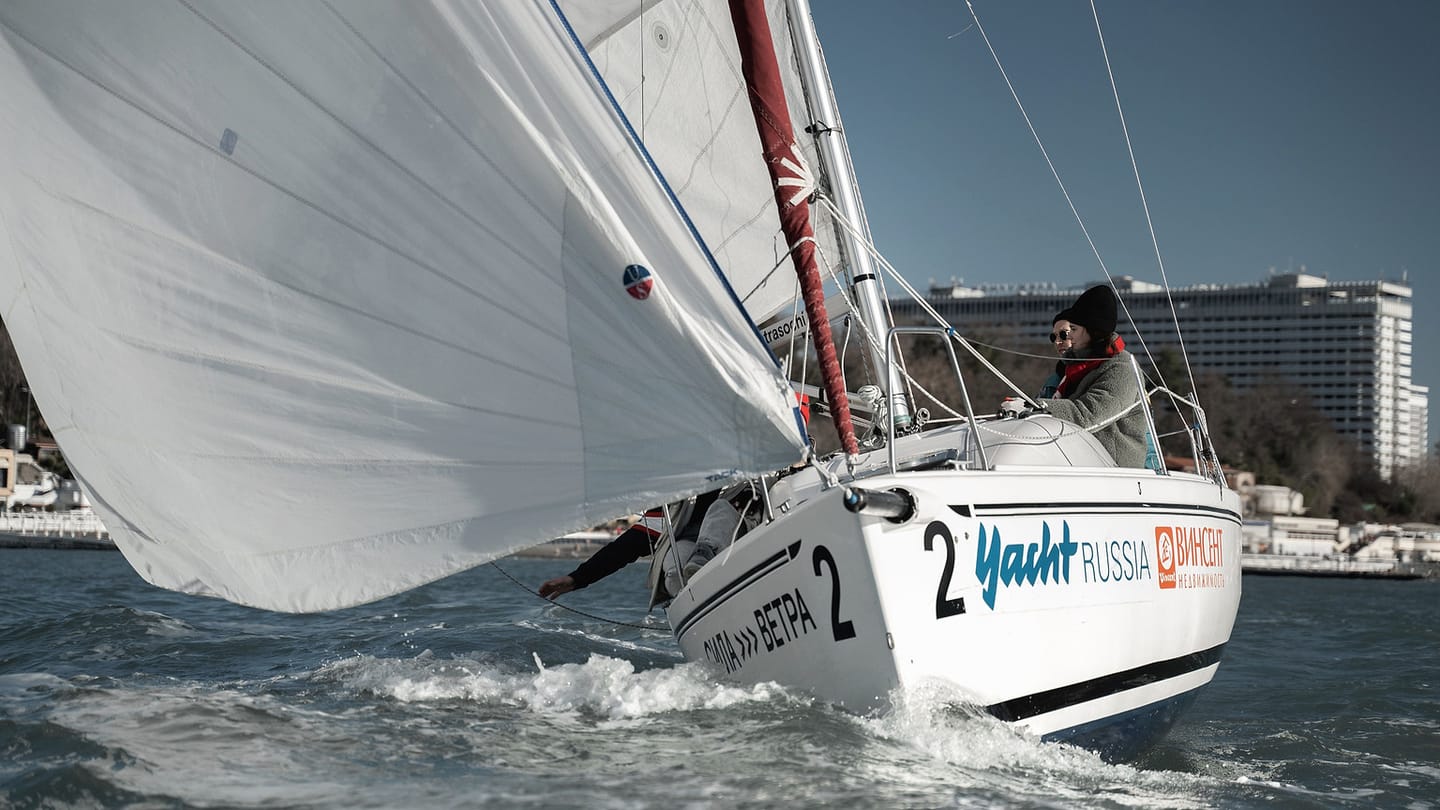
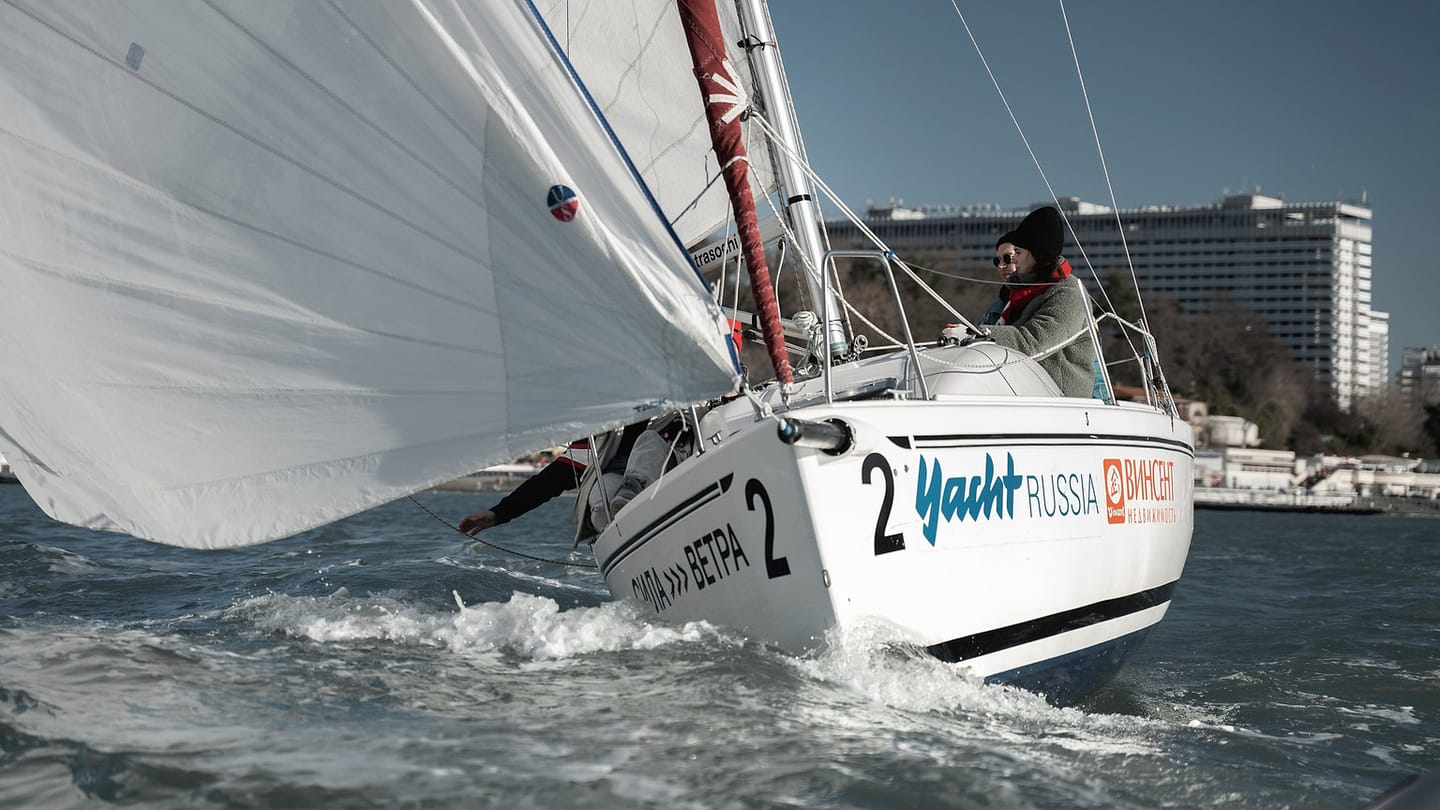
Heel is the normal lean created by wind pressure on the sails. As the boat settles into a steady angle, hull form, ballast, and crew position resist that pressure. A knockdown is more severe: the mast and sails may approach the water before a ballasted boat's righting force brings it back.
A capsize usually means the boat has gone onto its side far enough that normal sailing cannot continue. A dinghy may rest with its mast near the water and centerboard exposed. If it rolls fully upside down, sailors often call that inversion or “turtling.” The recovery now begins from a different position.
These are useful descriptions, not promises. Conditions can overwhelm any design. Ask how your exact boat behaves and which position its recovery drill assumes.
The words also help a crew report what happened. “The mast touched the water and the boat came back” describes a knockdown more clearly than saying only that the boat went over. Clear language helps an instructor choose the next drill and helps a skipper check the right parts afterward.
Dinghies are commonly designed for crew recovery
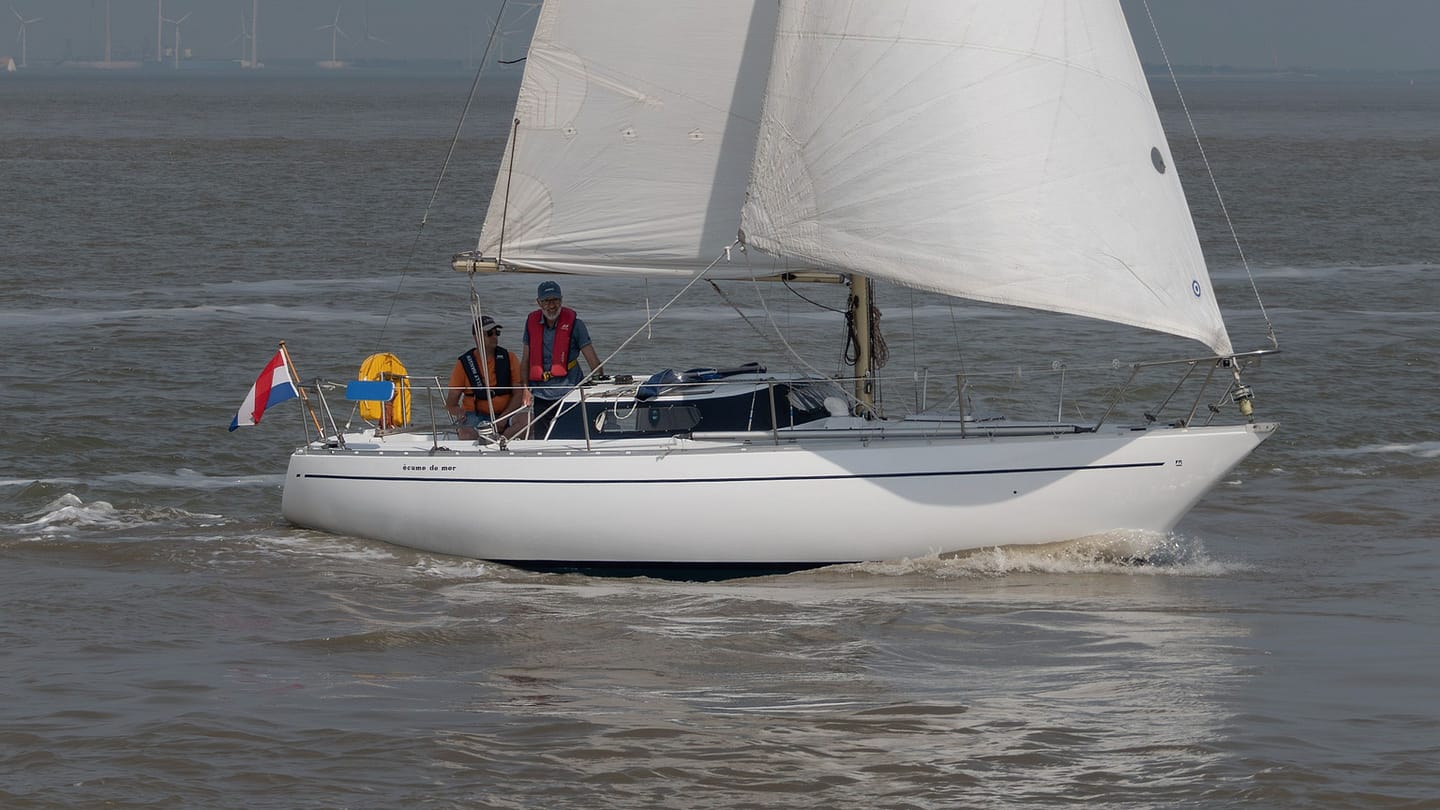
Many training dinghies can be righted by their sailors. The exposed centerboard provides a lever. Before applying weight, the crew normally confirms everyone is present, keeps contact with the boat, and releases sheets that could make the sails refill as soon as the mast rises.
This is a learned procedure rather than an improvised stunt. Centerboard strength, mast buoyancy, self-bailing arrangements, and the best way to re-enter vary between classes. Some boats use a scoop method that brings one crew member aboard as the hull rises. Others require both sailors to climb in after the boat is stable.
Practise in controlled water with an instructor or safety boat. The goal is to make each calm step familiar before an unexpected capsize adds wind, waves, or cold.
Ask what not to hold as well. A loose sheet can tighten without warning, and standing at the end of a centerboard increases leverage on the board itself. Class-specific coaching protects both the sailors and the boat.
Ballasted keelboats have a different stability pattern
A keelboat's ballast acts through a long lever as the boat heels, producing a strong tendency to return upright through its normal operating range. That is why a gust often produces heel and helm load rather than a routine capsize. It is also why dinghy righting instructions do not apply to an ordinary cruising keelboat.
Righting ability is still finite. Extreme waves, flooding, lost ballast, or severe weather can take a vessel outside the range in which it recovers normally. Boat design, loading, watertight integrity, and downflooding openings all affect the real outcome.
For a beginner, the practical lesson is modest: do not treat ordinary heel as proof that the boat is about to fall over, and do not treat a keel as a guarantee. Reefing, sound weather decisions, and secure hatches still matter.
Prepare for the boat you will actually sail
Ask design-specific questions before launch
“Can it capsize?” is less useful than “What does recovery look like on this boat?” Ask the owner, school, or charter operator what type of stability the boat relies on and which recovery procedure its design requires. A centerboard dinghy commonly uses the exposed board as a lever after loaded sheets are released. A ballasted keelboat has a different righting pattern and should not be treated like a large dinghy. Multihulls have their own procedures again.
Find the points that matter before anyone is in the water: how to release sheets, where to hold the hull, whether the centerboard can retract, how a righted dinghy is drained, and how the crew reboards. Learn what prevents inversion on that model and what changes if the mast sticks in mud or shallow bottom. These are questions for the boat's instructions and supervised training, not guesses made during an incident.
Crew preparation matters as much as design. Everyone should wear suitable flotation and know that the first jobs after a capsize are to account for people and stay with the boat when safe. The hull is easier to see than a swimmer and provides flotation. A crew member should not leave it to chase loose gear unless the situation and trained procedure clearly support that choice.
Practise in controlled conditions
For a dinghy, supervised capsize practice turns a frightening unknown into a sequence the crew has already performed. Start with the exact boat, light conditions, suitable water, rescue cover, and an instructor or experienced supervisor. Practise releasing loaded controls, moving around the hull without climbing over another person, using the board, avoiding the descending mast and boom, and helping each other aboard after the boat comes upright.
The goal is not to prove that capsize is harmless. Cold water, waves, entanglement, injury, separation, and an inverted hull can make recovery much harder. The goal is to learn the normal procedure while support is close, then choose conditions that keep the risk suitable for the crew. A beginner who wants more context can pair this with why sailboats heel and whether you can sail without being a strong swimmer.
For keelboats, preparation shifts toward avoiding knockdown and knowing the vessel's heavy-weather and emergency procedures. Reduce sail early, secure loose equipment, keep people attached or contained as the boat's plan requires, and use the stability information supplied for that design. Ballast adds righting ability, but it never turns severe conditions into a guarantee.
Use accurate words when discussing an incident. Heel is the normal lean under sail. A knockdown puts the mast near or in the water. Capsize leaves the vessel on its side or beyond, while inversion means the hull is upside down. The distinction helps you choose the correct training and recovery plan instead of treating every strong heel as the same event.
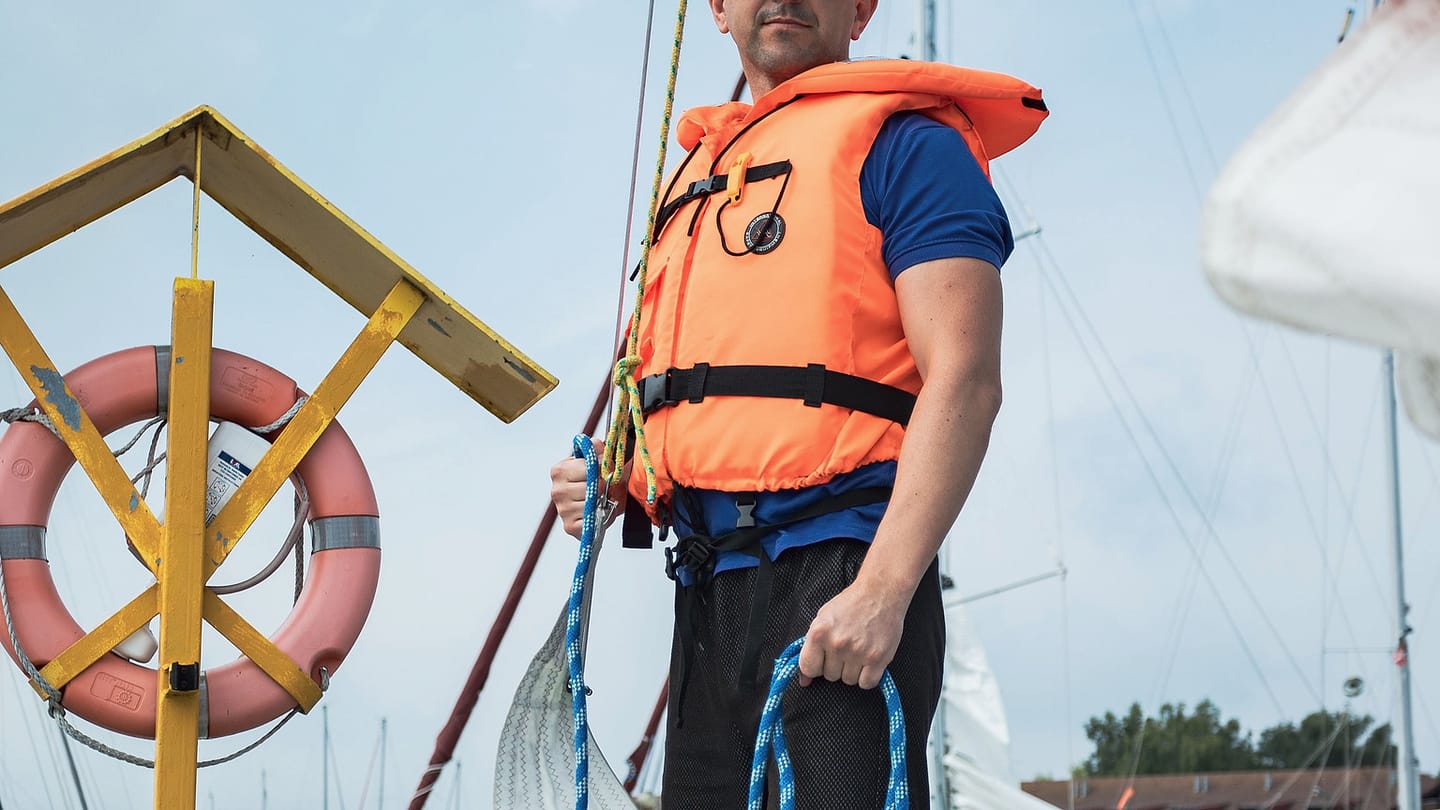
Before departure, identify the boat type, its flotation, and the recovery plan. Wear a correctly fitted lifejacket or buoyancy aid suited to the activity. Keep loose lines and equipment under control, and brief everyone on staying with the boat and accounting for the crew.
If a capsize happens, check people first. Remain with the hull when it is safe to do so because it provides flotation and is easier for rescuers to see than a person alone in the water. Follow the class-specific recovery method you were taught. If the boat cannot be recovered, someone is injured, or conditions are worsening, signal for assistance early.
Local training practices and equipment rules vary. Verify current local rules, then use supervised practice to connect them to your boat.
Capsize knowledge is most useful when it makes you calmer, not bolder. SailStarter's emergency lesson explains the priorities around capsize, flooding, and fire so you can recognize the right first move. Pair that lesson with practical instruction on the exact dinghy or keelboat you will use. Once you know what normal heel feels like and have rehearsed recovery in controlled conditions, the subject stops being a mystery. You still respect the weather and the boat's limits, but you can focus on a clear sequence: people, flotation, contact with the boat, then the trained recovery or a call for help.
Try it from the lesson
Can you spot the next move?
Water is rising and several crew can act. How should the first jobs be shared?
Why you can trust this guide
. We build each guide from public seamanship and safety sources, then teach the universal principle before any local difference.