Chart your course
Co-owning a Sailboat: Agreements and Costs

Quick answer
The short version
Co-owning can make a sailboat more affordable and more active, but it turns ordinary boat decisions into shared decisions. Write the agreement before the purchase closes, while everyone still agrees about money, access, and standards. Identify each owner's share, how contributions are paid, who may operate the boat, who can approve work, and what happens when someone wants out. A conversation is useful; a written agreement is what you can return to when the first unexpected bill or popular summer weekend appears.
Ownership law and registry rules vary. The agreement should be reviewed for the jurisdiction and ownership form that apply to the boat. It is a practical operating document, not a substitute for the vessel record, insurance policy, or professional legal advice.
Put the shared ownership in writing
Name every owner and the agreed ownership share. State whether the boat is held personally, through a company, or in another structure. Describe the boat precisely enough to avoid confusion: hull identifier, make, model, and major included equipment. Then state the purpose of the arrangement. Is it private day sailing, cruising, racing, or a combination? A vague agreement makes every later disagreement sound new.
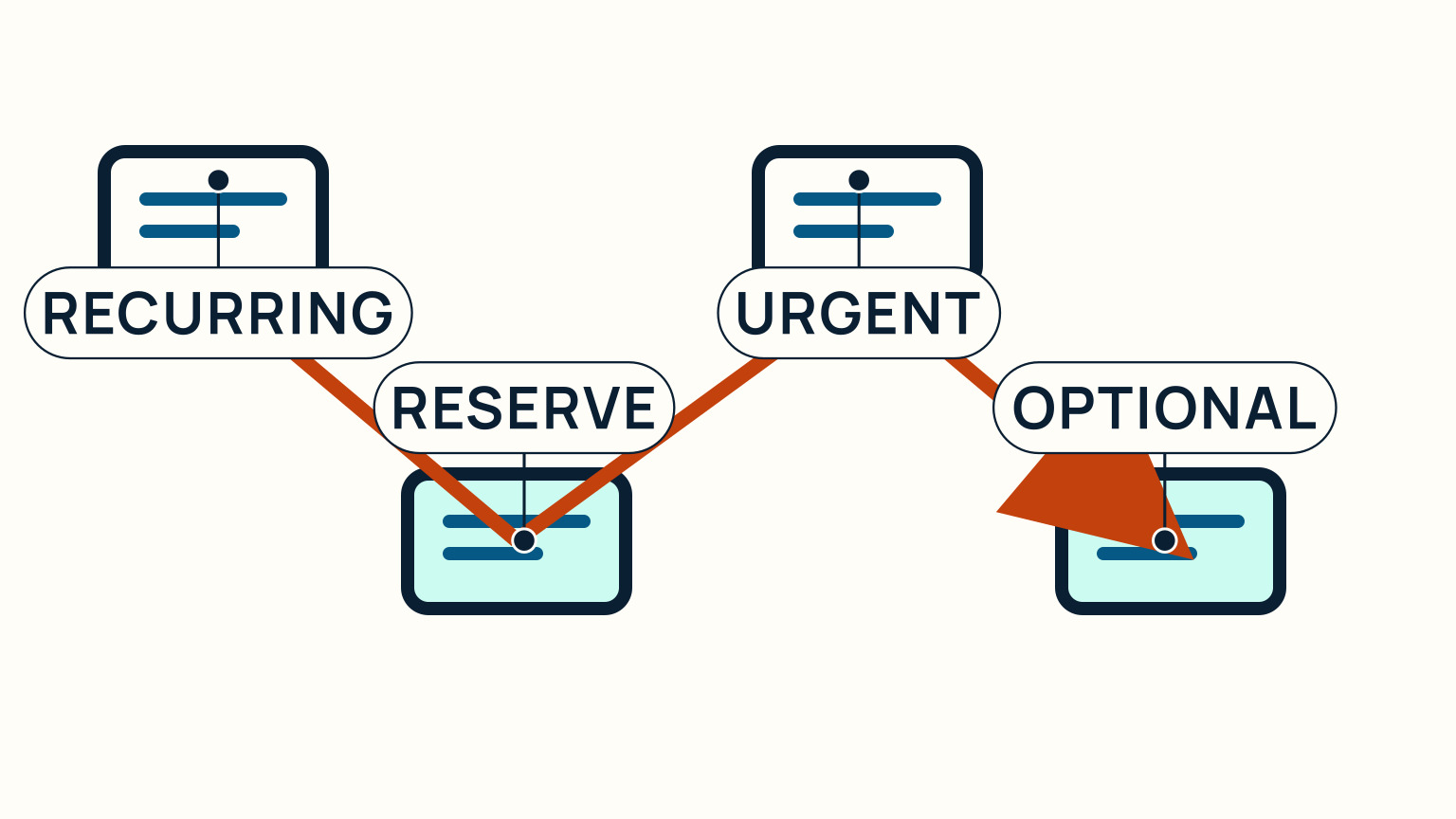
Set the decision rule before a decision is needed. Routine spending might have a small limit that one owner can approve; larger work may need all owners or a defined majority. Decide who can instruct a yard, who holds keys, who receives bills, and who is allowed to make an urgent safety decision when the others cannot be reached. Urgent authority should protect the boat and people, then be reported promptly with receipts and a clear account of what happened.
Canada's vessel-registration guidance distinguishes individual and joint ownership for registered vessels. That is a registry concept with transfer consequences; it does not write the working agreement for co-owners. Confirm the applicable record with the registry, then keep the operating rules in a separate signed document.

What costs need a rule before purchase?
List predictable costs first: berth or storage, insurance, maintenance, haul-out, seasonal work, safety equipment, fuel, cleaning, and eventual disposal. Decide whether each is divided by ownership share, use, or another agreed formula. A boat used far more by one person may justify a different consumables rule than annual insurance. There is no universally fair split; there is only a split everyone understood before the invoice arrived.
Create a shared account or a documented payment process. State the contribution date, who can pay bills, where invoices are stored, and what happens when a contribution is late. Keep a reserve for routine surprises, but define what happens when a repair exceeds it. A reserve is not a promise that every expense will be accepted without discussion.
Decide how the group sees the numbers. A shared folder can hold invoices and account statements, but the agreement should state who reconciles it and how often every owner receives the same summary. Include paid bills, money still owed, the reserve balance, and work that has been approved but not yet invoiced. That last category matters because a boat can look financially comfortable until a haul-out or repair quote becomes due. A regular record gives each owner a chance to question an error before it becomes a personal dispute.
Separate improvement spending from necessary preservation. Replacing a failed bilge pump is different from installing a preferred new instrument. The agreement should say how upgrades are proposed, approved, paid for, and reflected when someone exits. Otherwise one owner may feel they financed a personal preference for the others.
Make time on the water predictable
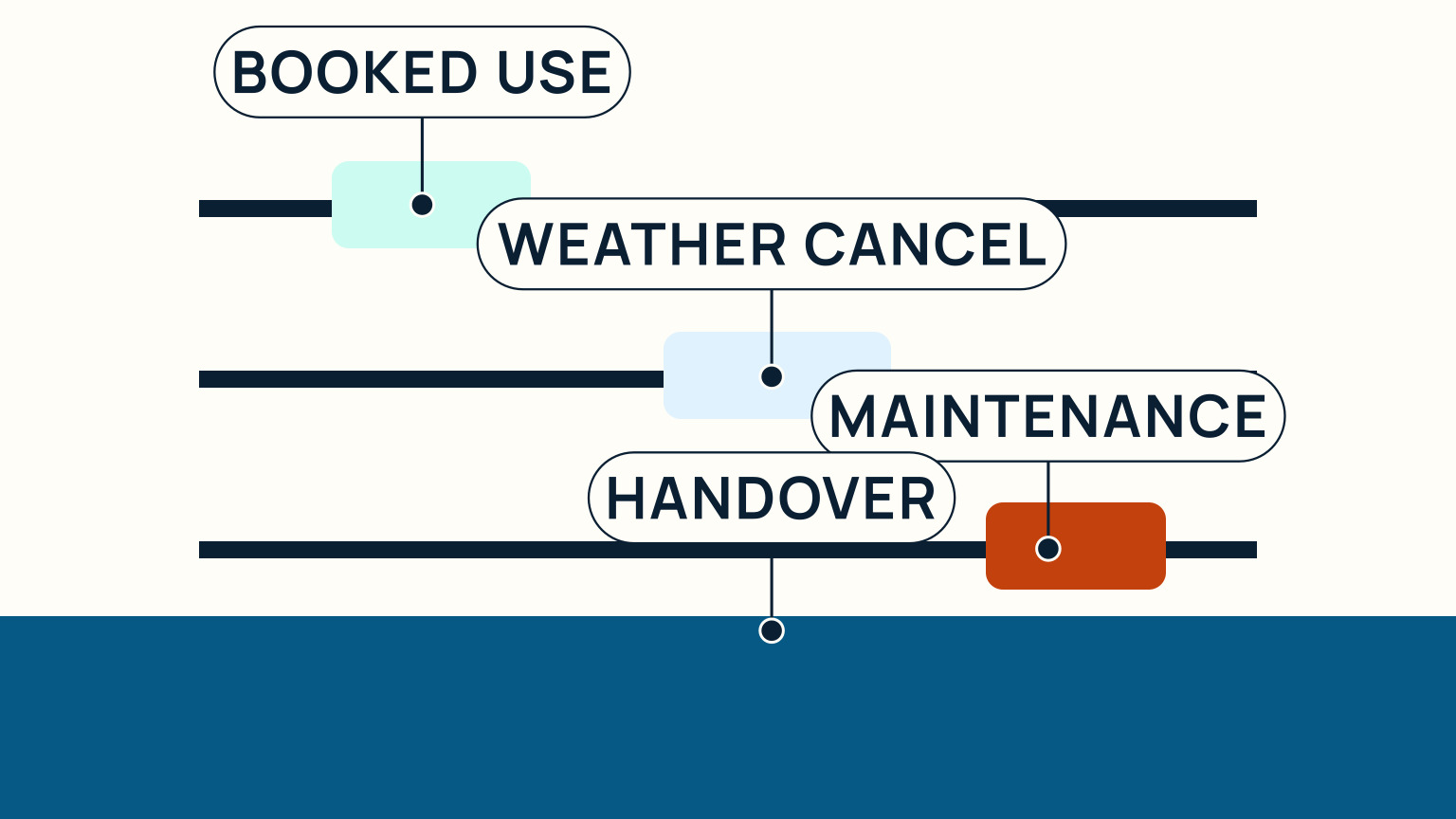
Use a shared calendar with rules that fit the owners. Decide how far ahead someone may book, whether weekends rotate, how holidays are handled, whether a booking includes preparation and cleaning time, and how cancellations work. A calendar needs a fallback for weather too. A person who cancels because conditions are unsuitable should not be pressured to take the boat out merely to protect a booking.
Set operator standards. Name who may take the boat out alone, who may bring guests, what training or familiarisation is expected, and how a new skipper gets introduced to the systems. Keep this practical and consistent with the insurer's terms. A co-owner agreement cannot override an insurance requirement or local operating rule.
After every trip, record fuel, damage, equipment concerns, and work still needed. This is not bureaucracy for its own sake. It gives the next owner a truthful handover and stops one person from finding a broken fitting only after leaving the berth.
How should owners handle repairs and emergencies?
Agree on a maintenance standard and an inspection routine. Specify who checks critical systems, who arranges professional work, and where service records live. If an owner notices a safety concern, they should have a clear way to take the boat out of service pending inspection. That is safer than an informal culture in which each person assumes somebody else has decided.
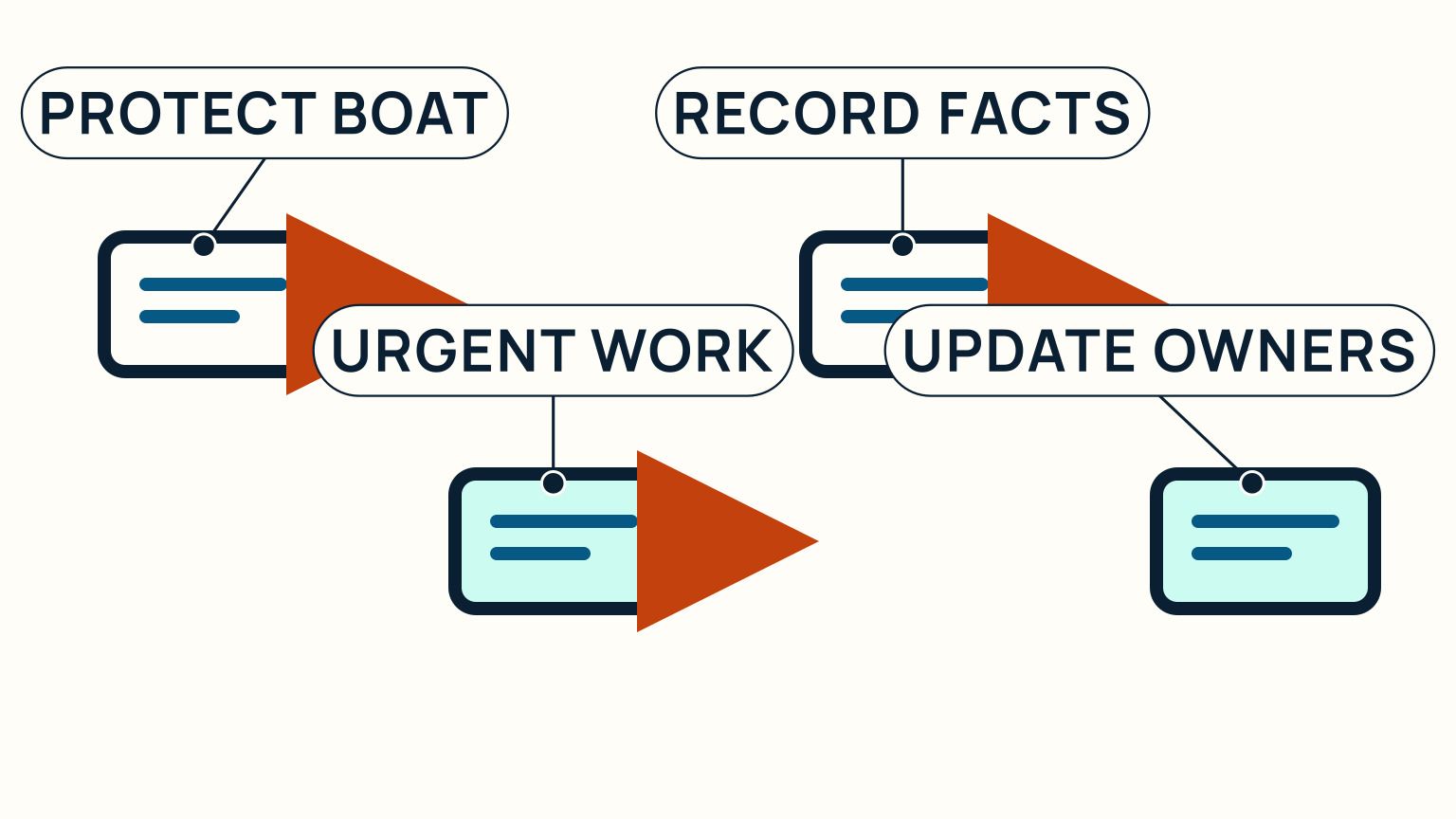
For emergencies, put immediate protection first. The person aboard may need to call for help, move the boat, authorise urgent work, or notify an insurer. The agreement can set a spending threshold and notification method, but it should not make a crew wait for a group vote while the boat is taking on water or dragging onto a hazard.
After an urgent action, provide the others with the facts: time, place, observed condition, action, authority contacted, and expense. Review whether the standing rules worked. A clear record helps the group learn without turning a stressful event into an argument about memory.
Plan the exit while everyone agrees
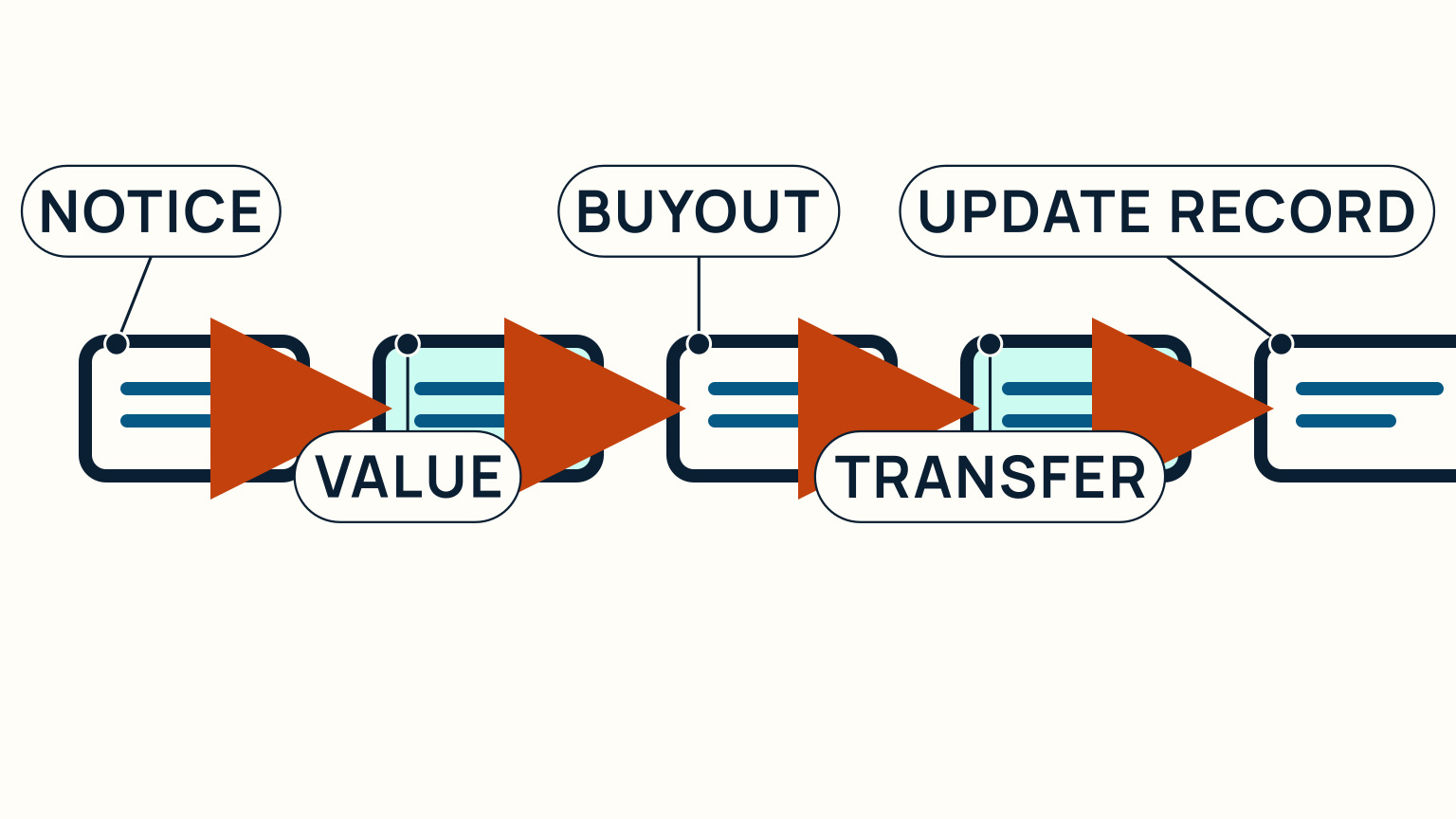
An exit clause is a kindness to the future group. Say what happens if someone wants to sell, cannot pay, dies, becomes incapacitated, moves away, or repeatedly fails to meet the agreement. Define how value is estimated, whether the remaining owners have a first opportunity to buy, how a buyer is approved, and how a deadlock is resolved.
Do not assume that an informal estimate will be enough when money is at stake. The agreement can name a valuation method, a survey condition, a broker process, or a professional appraisal appropriate to the boat and jurisdiction. It should also say who pays for that process. The goal is not to predict every life change. It is to avoid trapping an owner in a boat arrangement they can no longer use.
Review the agreement at least annually and whenever the boat's location, insurer, equipment, or ownership changes. Update contact details, cost assumptions, and operator list. Keep signed versions with the boat's ownership and insurance records so the group can find the current rules when they need them.
Make a simple annual statement for the group: money received, bills paid, reserve balance, work completed, open defects, and expected next-season spending. It gives each owner the same picture before booking time or approving a major repair. A shared boat fails socially when information is held by one person, even when the accounting itself is accurate.
If the group disagrees about a non-urgent decision, use the agreed process rather than trying to settle it dockside after a frustrating day. Record the options, cost, safety effect, and deadline. A pause for proper information is often cheaper than a rushed repair, upgrade, or sale.
Make the handover a real operating step, especially when several owners use the boat in one week. The returning skipper should say what was used, what was damaged or uncertain, what fuel or charge state remains, and what work is booked. The next skipper should be able to see whether a line was removed, a hatch leaked, a warning light appeared, or a service person has been asked to attend. This is where a calendar, cost rule, and maintenance standard meet. Without a truthful handover, an owner can unknowingly leave with a defect that another person noticed but did not record.
Keep the agreement readable. A new partner, executor, insurer, or prospective buyer should be able to see who owns what, who can act, and how an exit works without reconstructing a decade of messages.
Review the working rules after the first season, when they have met real invoices, weather cancellations, and handovers. Keep what helped the group act clearly, and amend the signed agreement when experience exposes a gap. A quiet correction made while everyone is still participating is far easier to manage than an unwritten exception discovered during a sale or emergency.
Connect this plan with the cost to own a sailboat, the first 30 days as an owner, and sailboat insurance for beginners. SailStarter can help with onboard skills. A local lawyer, registry, insurer, and tax adviser are the right people to confirm the agreement and records for the owners' actual arrangement.
Try it from the lesson
Can you spot the next move?
A wide sailboat glides past on two side-by-side hulls, barely leaning at all. What type is it?
Why you can trust this guide
. We build each guide from public seamanship and safety sources, then teach the universal principle before any local difference.