Chart your course
How Much Does It Cost to Learn Sailing?
Quick answer
The short version
The cost to learn sailing ranges from a free or low-cost taster to several hundred units of local currency for a practical course. There is no honest worldwide average. Boat type, teaching hours, group size, location, membership, books, and accommodation all change the price. Published 2026 beginner examples include CAD 440 for 15 hours in Canada, USD 495 for three days in the United States, GBP 240 for a UK non-member two-day course, and AUD 380 for 12 hours over four sessions in Australia. These are individual provider examples rather than regional averages. Compare total practical hours and inclusions, then verify current prices and local requirements directly.
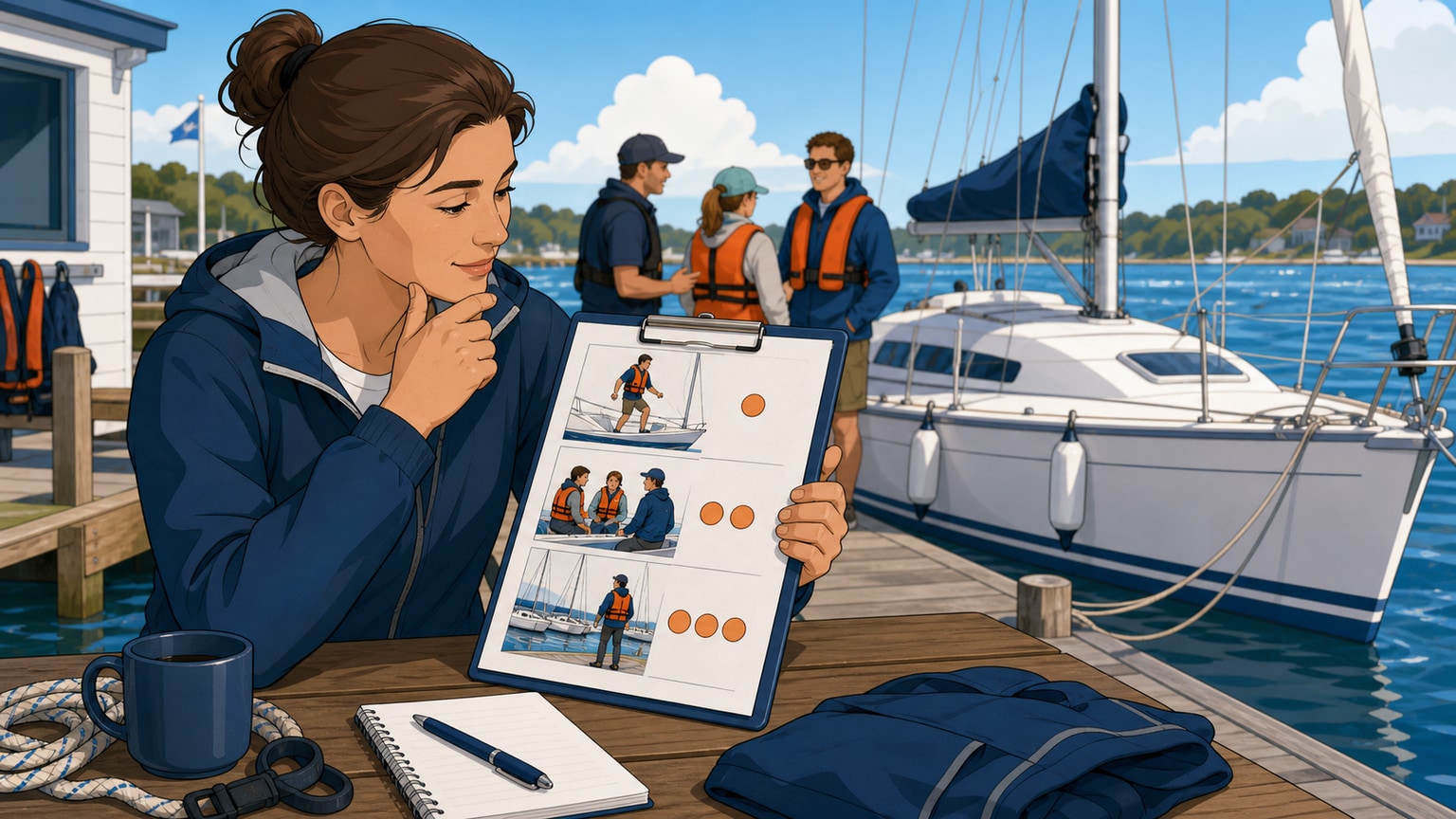
Your first purchase should usually be access to good instruction, not a boat or a specialized wardrobe. Clubs and training centres commonly provide the training boat and lifejacket, while other inclusions vary. A lower advertised price may require membership, books, a course levy, or another compulsory charge. A higher price may include more time afloat, smaller groups, waterproof clothing, meals, or accommodation. Put each offer into the same categories before deciding. Record the date of every quote because schedules and fees change. A short taster is useful when you are still choosing between dinghy sailing, keelboat crewing, and a cruising-yacht course.
Start With the Lowest-Commitment Option
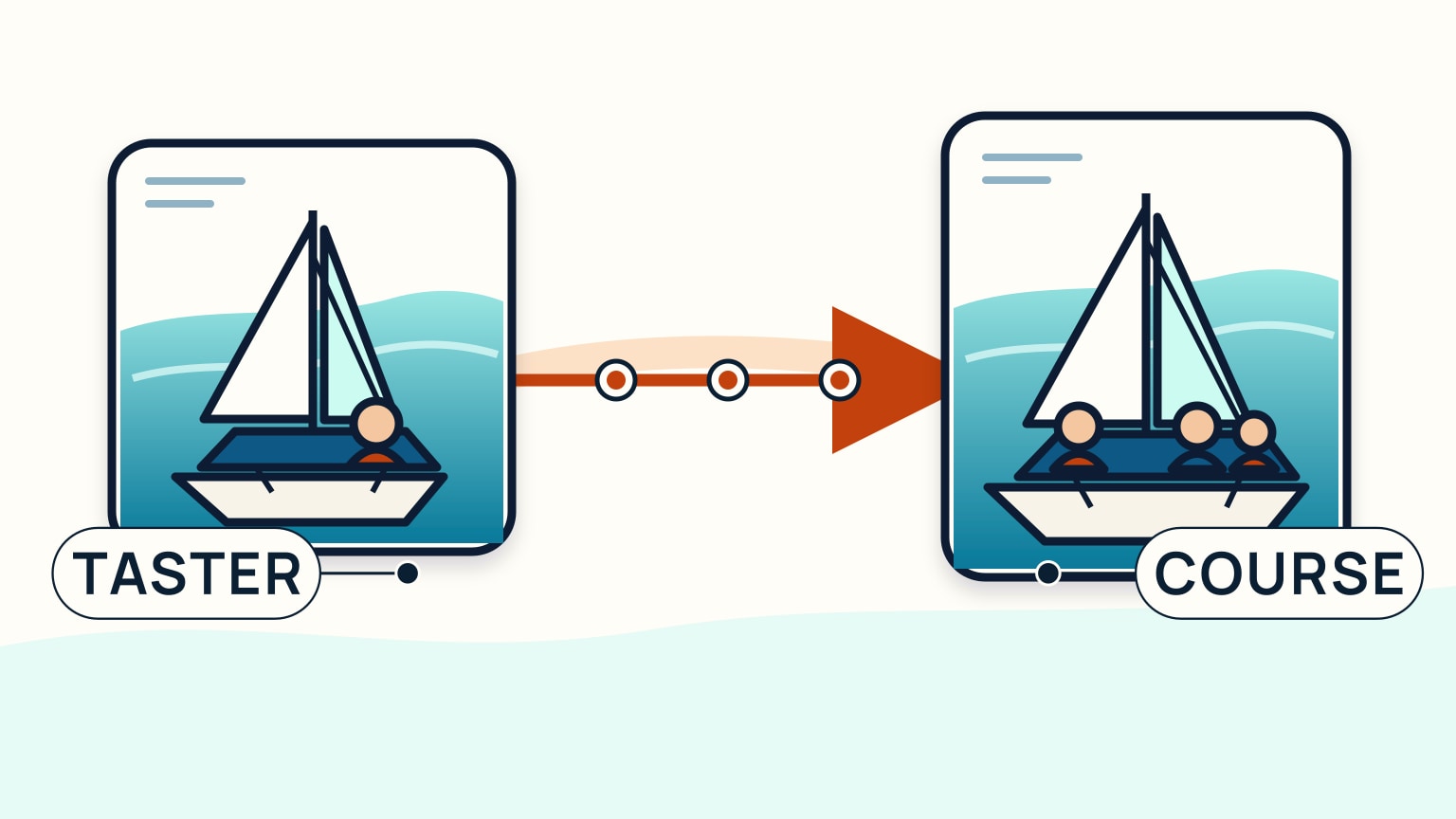
A taster session lets you try the boat, instructor, and venue before paying for a full course. Some clubs offer these sessions free or at very low cost. One 2026 example reviewed for this article is a GBP 45 UK taster. Prices and formats change, so treat it only as an example and check the current local offer.
Ask what the taster includes. The boat and lifejacket are commonly provided. You may still need secure footwear, layers, sun protection, travel, and food. A short session should give you active time rather than only a passenger ride, and it should end with a clear explanation of the next course or practice route.
If no formal taster exists near you, ask a club directly whether it runs an open day, a crewing evening, or a discover-sailing event. Clubs and training centres run these low-cost introductions for exactly this reason, to let beginners test the activity and the venue before committing to a course fee. Treat the answer to that one question as the start of your comparison, not a separate search.
Do not buy personal sailing gear before receiving the joining instructions. Ordinary functional clothing is enough for many first keelboat sessions, while a dinghy centre may provide or require different wet-weather equipment. Confirm the boat type first. Ask whether missed water time is rescheduled when weather changes the plan. A modest taster plus clear advice can prevent a much larger mismatched purchase.
A common mistake is treating a taster's price as a preview of the full course price. A GBP 45 taster and a GBP 240 two-day course are different products with different lengths, group sizes, and goals, so multiplying one by a guessed number of sessions tells you little. Use the taster to judge the instructor, the venue, and whether you enjoyed being on the water, then request the full course quote separately with its own list of inclusions.
Compare Like With Like
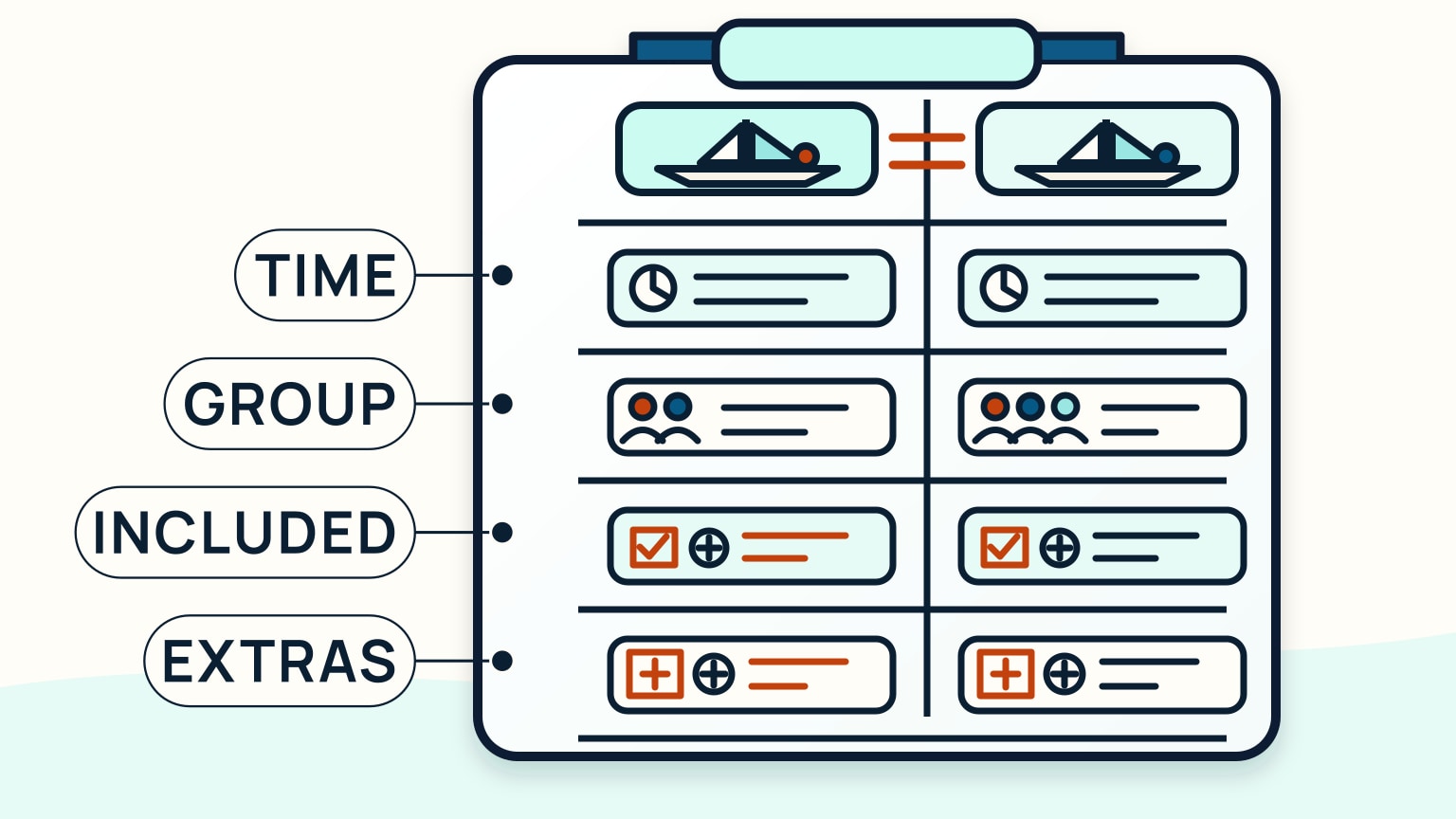
Use four questions: How many practical hours are included? How many students share the boat? What equipment and materials are supplied? What extra payment is required before you can attend or practise afterward?
For Canada (CA), Glenmore Sailing Club lists a 2026 start-keelboat course at CAD 440 for 15 hours over two days and notes an optional book plus a course levy. In the United States (US), Annapolis Naval Sailing Association lists USD 495 for a three-day ASA 101 course, with membership and a textbook also required. In the United Kingdom (UK), Hayling Island Sailing Club lists GBP 240 for a non-member two-day RYA sailing course. In Australia (AU), Royal Geelong Yacht Club lists AUD 380 for its 12-hour Adult Keelboat Level 1 course, delivered over four sessions.
These prices come from individual providers, not national surveys. They demonstrate why the headline number alone is weak. Convert each offer into cost per practical hour only after adding compulsory extras, then compare teaching format, student-to-boat numbers, boat access, and the skills actually covered. A cheaper hour with little chance to steer may offer less practical value. Verify current prices and local requirements before booking.
Work the two examples that state their hours to see why this matters. CAD 440 for 15 hours at Glenmore Sailing Club works out to roughly CAD 29 per practical hour before the optional book and course levy are added. AUD 380 for 12 hours at Royal Geelong Yacht Club works out to roughly AUD 32 per practical hour. Neither figure alone tells you whether the course is a good fit, because group size, coaching quality, and what you are actually allowed to do on the boat still vary. The Annapolis and Hayling Island listings do not state total practical hours in the same way, which is itself a useful prompt: ask any provider that quotes only a day count, rather than an hour count, to confirm how much time you will actually spend at the helm.
Budget for Practice After the Course
The first course is only part of learning. Ask what happens after it. A club may offer shared boats, coached practice, social sailing, or introductions to owners who need crew. Those options can provide regular time afloat without buying a boat. Membership may add cost, yet it may also include the access that lets you use what you learned.
Plan a small separate budget for transport, simple clothing, and repeat sessions. Include any club membership or boat-use fee required for that practice. Avoid assuming that a completion document alone makes you ready for every boat or condition. Practical familiarity grows through supervised repetition and gradually broader experience, so access after the course belongs in the original comparison.
A membership fee looks like an extra cost until you weigh it against what it unlocks. A club that charges an annual fee but then gives you free access to shared boats for a season is usually cheaper than paying an hourly rental rate every time you want to practise. Ask what the membership actually includes: boat access, coached sessions, social sails, or only a discount on further courses. Two clubs charging a similar joining fee can offer very different amounts of real time afloat, so this is worth comparing with the same rigor as the course price itself.
Online lessons can reduce the time you spend decoding vocabulary during paid afloat instruction. They are inexpensive preparation. They cannot supply the steering, line handling, motion, and feedback of a real boat. Treat them as a way to arrive at your first course already understanding the vocabulary, then let the practical hours teach the physical skill. See can you learn to sail online for how far that kind of preparation can honestly take you. The strongest value usually comes from combining focused study with a practical provider that gives you enough time to act and a realistic way to return. If you are also unsure how long the practical side takes, how long it takes to learn to sail sets expectations for the hours and repetition ahead, and is sailing hard to learn covers the learning curve itself.
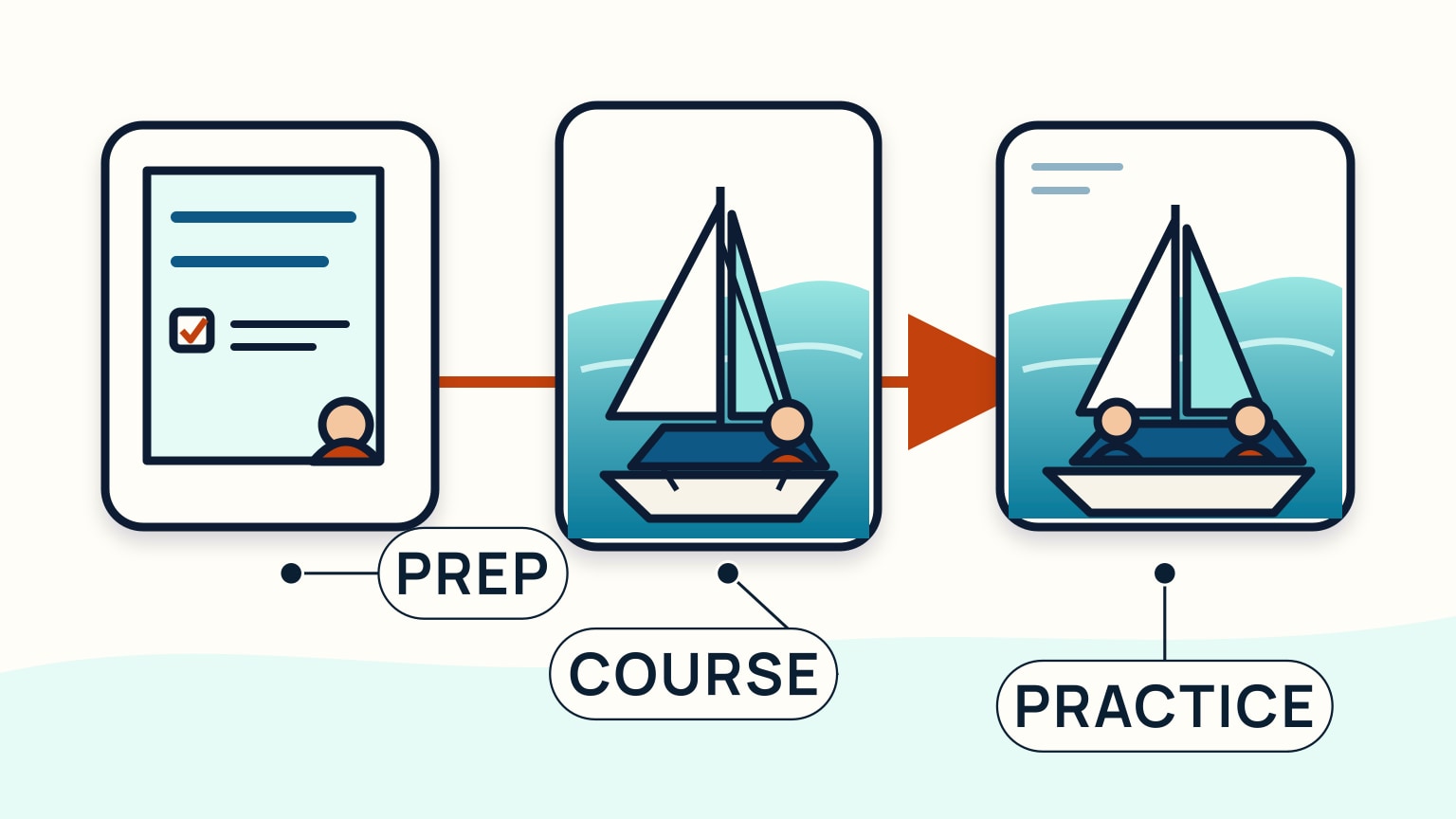
Begin with SailStarter's first visual lesson before comparing courses. It teaches the basic map of a sailboat and checks what you remember, so you can ask providers better questions about their practical program. Then use the checklist from this article: total afloat hours, group size, included equipment, compulsory extras, weather policy, and post-course access. SailStarter does not certify you and does not replace local instruction. It helps you prepare so the money you spend afloat can focus on handling the boat. Keep the provider's written inclusions beside its advertised price. Prices, course names, and requirements change, so verify current details directly with the school or club in your region. Ask each provider for the full payable total and record what happens if weather changes the schedule. Keep that answer with the practical hours, group size, and route to repeat practice. A useful budget covers the next time afloat, not only the first course.
If two quotes still look close once you have added every compulsory extra, let the smaller details decide. Ask which one gives you more actual time steering rather than watching, which group size means more turns at the helm, and which provider has a clearer plan for what happens after the course ends. Those answers matter more over a full season than a small difference in the headline price.
Try it from the lesson
Can you spot the next move?
You turn to face the stern. A crewmate points at your right hand. Which side of the boat is that?
Why you can trust this guide
. We build each guide from public seamanship and safety sources, then teach the universal principle before any local difference.