Chart your course
Sailing Club vs Sailing School
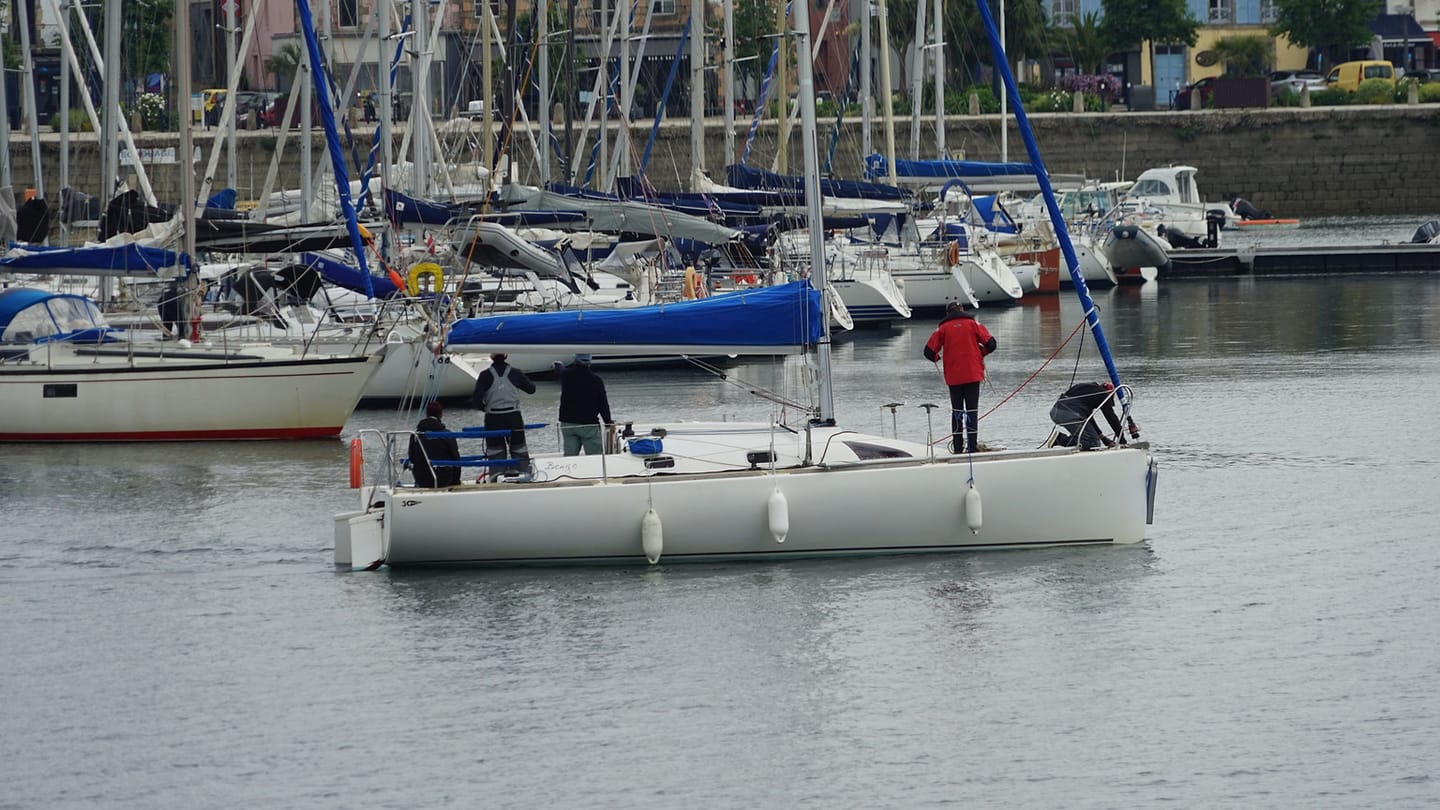
Quick answer
The short version
A sailing school is usually the clearer choice when you need a defined beginner course, an instructor, and an assessment. A sailing club is often better for regular access, crewing contacts, social sailing, and practice after the basics. You may not need to choose only one. Many clubs run recognized training, and some schools connect graduates with clubs or boat access. Compare what the local venue actually provides: boat type, teaching quality, supervised water time, membership terms, safety arrangements, and a realistic way to sail again after your first course.
The label on the gate can mislead. A volunteer club may deliver excellent structured training. A commercial school may run a welcoming graduate community. Your task is to find the route that supplies two things in the right order: sound instruction and enough repetition to keep the skills alive.
A school and a club solve different problems — defined instruction against regular access.
| Dimension | Sailing school | Sailing club |
|---|---|---|
| Best for | A defined beginner course, instructor, and assessment | Regular access, crewing contacts, and practice after the basics |
| Structure | Published entry level, content, duration, format, assessment | Varies by venue — racing, cruising, shared boats, social sailing |
| Cost pattern | One course fee, may include books, certification, clothing | Membership plus separate boat-use, storage, race, and guest fees |
| Continuity after joining | May end without a next step unless coached sessions or club partners exist | Ongoing access if volunteers and boats are available |
| Schedule | Fixed course dates | Regular sailing, but depends on volunteers and weather |
When should you choose a school?
A school works well when you can state the job plainly: “I need a complete-beginner keelboat course,” or “I can crew and now need supervised skipper practice.” A course should publish its entry level, practical content, duration, group format, and assessment. That structure reduces guesswork for someone who does not yet know which skills belong together.
Ask how much of the course is afloat and what every student will do. Steering once during a crowded day is different from repeated helm, sail-handling, stopping, and manoeuvring practice. Ask how many people share the boat, who teaches, and which body recognizes the centre or instructor. Recognition can provide standards and inspection within that system, though you should still assess the individual provider.
Discuss weather before paying. What conditions stop sailing? Does the school reschedule, use a different boat, teach useful shore content, or refund part of the fee? Also confirm the complete price: books, certification, clothing, meals, accommodation, and equipment may be included or separate.
A school is less useful if the course ends without another practical opportunity. Ask about coached sessions, rentals, higher courses, club partners, or a graduate crew list. If those are absent, identify your follow-on venue before booking. The beginner course guide gives a detailed set of course questions, while the first-time sailing guide helps you prepare for day one.
When should you choose a club?
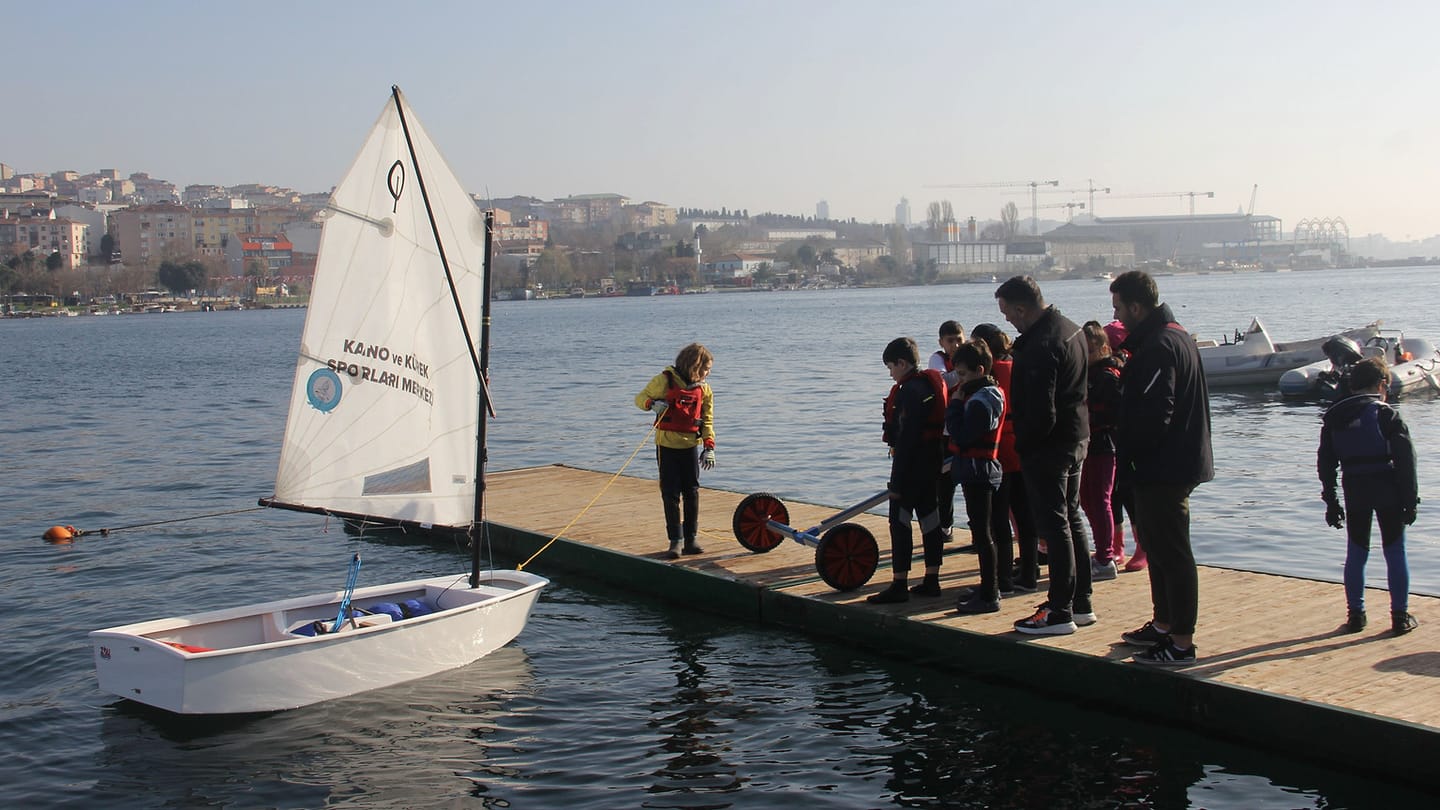
A club can turn sailing from an occasional purchase into a regular part of your week. Depending on the venue, membership may include social sailing, racing, cruising, shared boats, maintenance days, talks, or a noticeboard where owners seek crew. These contacts help because beginners often need people and boat access more than new theory.
Every club differs. Some revolve around dinghy racing. Others focus on cruising yachts, family sailing, or a small local fleet. Some own boats that members may use after a checkout; others expect members to own boats or crew for owners. Visit during the activity you want instead of relying on an open evening. A quiet clubhouse tells you little about a Saturday launch or race night.
Ask how a new adult without a boat gets afloat during the first month. Request concrete examples: a taster, beginner course, supervised session, crew coordinator, or named event. Find out whether volunteers teach informally or through a recognized program, and whether you need a course before using club boats. Ask about membership, boat-use, storage, race, and guest fees separately.
Club culture matters because you will be learning around these people. Notice whether someone explains procedures without making you feel foolish, introduces you to likely sailing partners, and answers safety questions directly. A healthy club can still expect members to volunteer. Ask what duties exist and whether their timing fits your life.
Compare the Whole First Season
Two learners may need opposite answers
A person with no experience and an irregular work schedule may benefit from a fixed school course followed by occasional coached sessions. A person who has completed a course but lacks a boat may gain more from a club with weekly crew calls. Someone interested in racing should watch the local fleet in action; someone planning cruising should ask about owners who make day passages. These are not rankings of club against school. They show why the next missing resource, instruction or access, should drive the choice.
Consider travel friction as part of access. A venue across town that sails every Wednesday may produce less practice than a modest club you can reach in ten minutes. Conversely, a convenient club without suitable teaching boats may delay a beginner who needs close supervision. Mark the dates you could genuinely attend over the next eight weeks. A plausible calendar is stronger evidence than a long activity list.
Do not compare one course fee with one annual membership fee and call the cheaper figure the winner. Map the first season. Include instruction, membership, boat hire, equipment, travel, assessments, and the number of realistic sailing days. Then calculate which route gives you suitable, supported time rather than the lowest advertised price.
Suppose a school offers a focused weekend but no boat access afterward. It may still be the best instructor choice if a nearby club accepts graduates. Suppose a club has inexpensive membership and boats but only informal help. It may be ideal after a course, yet frustrating as the sole starting point. The combined route often solves both weaknesses.
Compare boat type with your aim. Dinghy club sailing gives direct feedback and frequent manoeuvres. A cruising school teaches teamwork and routines aboard a yacht. If you hope to crew locally, find out what local owners sail. If you hope to charter, work toward relevant skipper practice rather than collecting unrelated short courses.
Also compare schedule reliability. A course has fixed dates; a club may sail weekly but depend on volunteers and weather. Work, family care, transport, accessibility, and seasonal daylight all affect which theoretical opportunity becomes real. Choose the venue you can attend consistently.
Keep your first plan modest: one sound course or induction, then six to ten repeat sessions. Read how long learning takes before setting a deadline. Progress is better measured by tasks you can repeat than by weeks since joining.
Visit, Ask, and Test the Fit
After the trial session
Within a day, write what you actually did, how instructions were delivered, whether you knew who was in charge, and how the venue responded when somebody made a mistake. Note whether the session began with a useful brief and ended with a clear next step. Feelings matter too: sustained learning is difficult in a place where you felt ignored or pressured. Separate ordinary first-day nerves from specific problems, then ask the venue to clarify anything unresolved before joining.
Contact two schools and two clubs if your area allows it. Send the same short message: your experience, preferred boat or activity, availability, access needs, and goal for the next season. Ask what first session they recommend and how a learner sails again afterward. Clear, specific replies are useful evidence.
On a visit, look at the route from changing area to boat. Ask who makes the weather decision, what flotation is supplied, how incidents are reported, and who a learner speaks to about a concern. If you need physical adaptations or extra support, discuss them before the course day so the venue can answer honestly.
Watch for a poor fit: pressure to buy an advanced package before a taster, vague claims that everyone becomes confident quickly, no explanation of group size, hidden costs, or no route for beginners to join activity. At a club, beware of an unwritten system where newcomers are told simply to “ask around” but nobody makes introductions.
Once you choose, write a three-step plan. First, complete the course, induction, or taster. Second, book the next two sailing dates immediately. Third, name the skill you will repeat, such as steering a steady course or handling a jib sheet through a tack. A plan this specific survives the gap after early enthusiasm.
You can change venues. A school can supply a strong foundation without becoming your long-term home. A club can become your regular community even if it was not the best place for first instruction. Judge each by the job it does for you now.
SailStarter gives you a useful bridge between sessions. Review the words and diagrams before practical training, then revisit the relevant lesson after you have felt the manoeuvre aboard. Bring one question from that review to your instructor or experienced club sailor. The app cannot supply the correction, conditions, or shared judgment of real sailing, but it can make each precious hour on the water easier to use. Build the partnership deliberately: instruction for a sound start, a club or other access route for repetition, and short study to keep the ideas connected.
Try it from the lesson
Can you spot the next move?
You turn to face the stern. A crewmate points at your right hand. Which side of the boat is that?
Why you can trust this guide
. We build each guide from public seamanship and safety sources, then teach the universal principle before any local difference.