Chart your course
Croatia Sailing Charter Guide for Beginners

Quick answer
The short version
A first Croatia charter works best when you choose one manageable sailing area, book a boat your crew can actually handle, and keep the first days short. Treat the base briefing and handover as working sessions, not formalities. Build a route with nearby alternatives, then check current forecasts, harbour information, operator instructions, and local requirements before each move. Croatia has many possible bases and islands, but a beginner does not need to collect them all. A smaller plan leaves time for the unfamiliar boat, mooring practice, swimming stops, meals, and an early return when the crew has had enough. Make the final choice with the people who will share the boat.
Croatia is a destination, not a single sailing condition. The base you choose changes the opening and closing legs of the holiday, while the exact boat and crew determine what feels reasonable. Use official visitor information to understand the area, then get boat-specific and base-specific details from the charter company. Any entry, permit, marina, tax, or weather information can change. Verify current local rules for your dates instead of relying on an old itinerary or a forum post. Write the crew’s priorities next to the route before comparing bases. That simple note separates a holiday built around swimming and short days from one built around sailing distance. It also gives the operator a clearer question to answer.
Choose a base that reduces the hard parts
Start with logistics. Look at where the crew arrives, when the base expects check-in, and how much margin remains before the first sensible departure. A cheap flight that lands late may cost you the first evening and push the handover into a tired rush. A base near the airport may be worth more than a longer wish list of islands. Ask the operator when the boat will be ready and whether an overnight at the base is normal for your booking.
Next, choose a compact cruising area rather than a famous point at the far end of the chart. Mark three or four possible stops around the base. Check whether each has an alternative nearby and whether the return leg still works if the crew spends an extra night somewhere. This is where the bareboat itinerary guide helps: it turns a string of attractive places into a route with limits and fallbacks.
Do not choose a base from a map alone. Ask about the usual check-in traffic, fuel arrangements, provisioning options, and the operator's return procedure. Those details shape the first and last day more than the distance between islands. The best base for beginners is often the one that removes a pressured transfer, an immediate long leg, or a difficult final morning.
Run this check first at a desk, then again once the crew can look at the actual boat, place, document, or system. On the second pass, compare each written assumption with current evidence and mark anything that has changed. Keep unanswered questions visible instead of turning them into convenient guesses, and decide which missing answer would pause the plan and who can supply it. A written limit here makes a later change easier to explain and keeps momentum from becoming the reason to carry on.

Use the handover to learn this boat
A charter yacht may resemble a boat you know while hiding important differences. Find every seacock the operator expects you to use, the battery switches, bilge controls, gas shutoff, water selector, shore-power connection, reefing arrangement, anchor control, and emergency equipment. Ask for the location first, then operate the item when the briefing permits. A pointed finger is not the same as knowing what the switch or valve feels like.
Test the engine controls, steering, instruments, navigation lights, heads, cooker, fridge, water system, and windlass before leaving. Photograph existing damage with the operator's process and make sure the inventory agrees with what is aboard. If an alarm, leak, stiff control, or missing item is unexplained, resolve it at the dock. The charter check-in and checkout guide gives you a fuller sequence for documenting the boat.
Finish by rehearsing the first departure. Decide who handles lines and fenders, who watches clearance, and which words stop the manoeuvre. Ask the base team about the berth, shallow spots, local traffic, and the fuel or pump-out procedure that applies to your booking. Current operator instructions take priority over habits carried from another boat.
Do this review once at a desk and once more when the crew can inspect the real boat, place, document, or system. On that second pass, weigh each written assumption against current evidence and flag anything that changed. Keep open questions visible rather than filling them with convenient guesses, and settle which missing answer would pause the plan and who can supply it. A written limit here makes a later change easier to explain, so momentum never becomes the reason to push on.
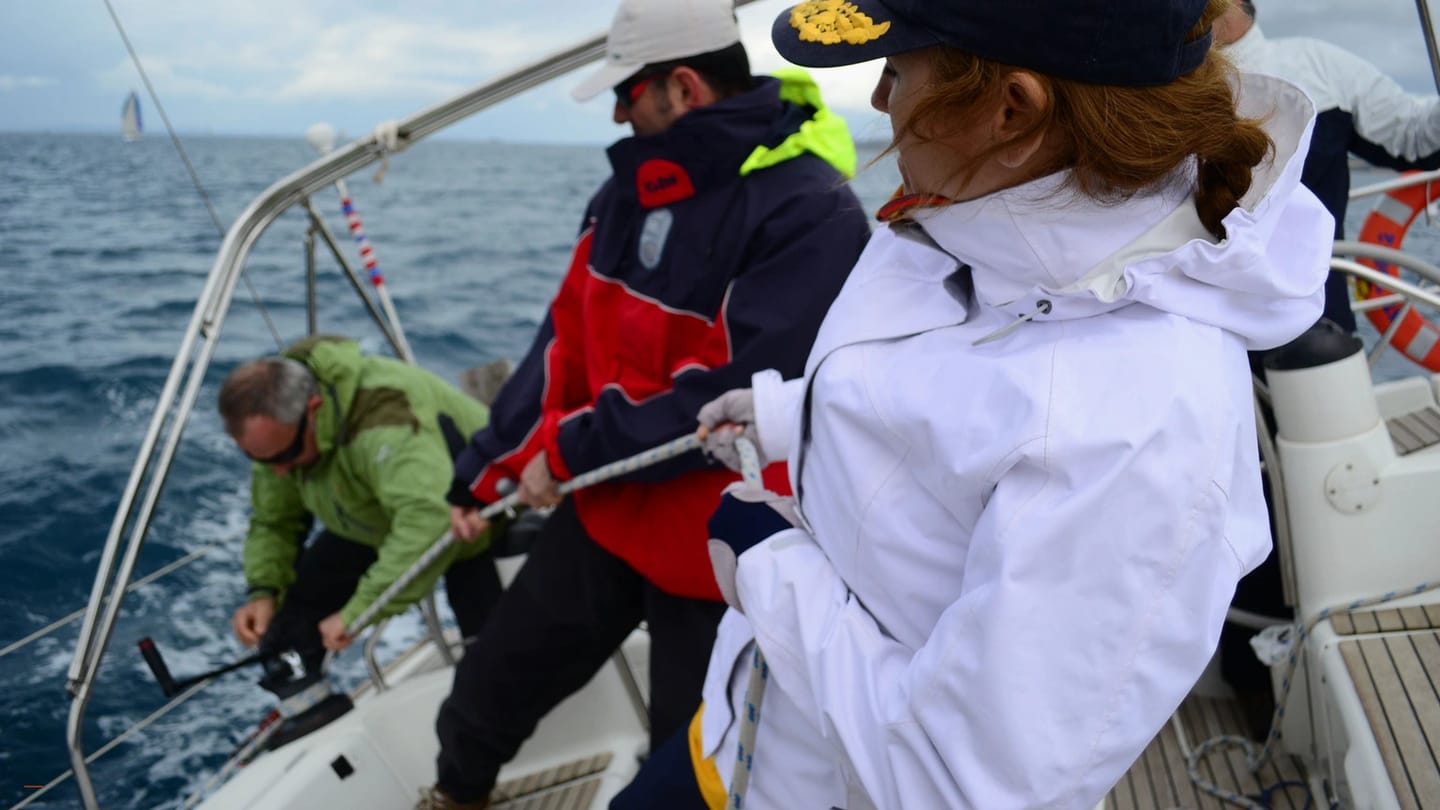
Build a short route with useful alternatives
Plan the first leg as a shakedown. It should be long enough to test the boat under sail and power, yet short enough to return or divert while the crew is fresh. Before casting off, identify one nearby alternative and the latest comfortable decision time for using it. That turns a vague backup into a choice you can actually make.
For later days, work backwards from the return requirement. Protect the final day from a long upwind delivery or an optimistic fuel stop. A route that looks elegant clockwise may be awkward after a forecast change, so keep both direction and stopping points open. Current charts, local notices, harbour information, and weather belong beside the itinerary. The printed week plan is only a proposal.
Give the crew a simple morning brief: intended stop, expected time under way, the main reason you might shorten the day, and the next safe option. Recheck the plan after lunch or a swim because fatigue and delay accumulate quietly. A modest route does not waste the holiday. It creates room to enjoy an anchorage instead of watching the clock while chasing the next pin on a map.
Work through this twice: once at a desk, and again once the crew can examine the actual boat, place, document, or system. During the second look, check each written assumption against current evidence and note anything that has changed. Keep the open questions visible instead of quietly guessing at them, and decide which missing answer would pause the plan and who can supply it. Writing the limit down makes a later change easier to explain and stops momentum from becoming an excuse to continue.

Shape each day around the crew
A group can agree on a destination and still want different holidays. One person may expect long sailing days; another may care most about swimming, sleep, or time ashore. Ask before booking. Record who wants to helm, who is comfortable with lines, who gets seasick, and who needs a private cabin. These answers affect boat size and route more than a brochure's maximum berth count.
On board, rotate useful jobs without pretending everyone has equal experience. A beginner can manage fenders, read back a depth, or keep a lookout after a clear explanation. The most experienced sailor should remain available rather than taking every task. The first charter checklist helps divide preparation before travel, when changes are still easy.
Keep the day humane. Provision for simple meals, allow time to clean up, and avoid making every departure an early alarm. If one person is consistently cold, worried, or exhausted, the route is already too ambitious for that crew. Shorten the next leg before resentment appears. A successful first charter leaves people interested in another one, not impressed by how much distance the skipper forced into seven days.
Give this a first pass at a desk, then a second once the crew can look over the real boat, place, document, or system. On that second look, test each written assumption against current evidence and mark whatever has changed. Keep unanswered questions visible rather than papering over them with guesses, and decide which missing answer should pause the plan, and who can supply it. A written limit makes a later change easier to explain, so momentum never substitutes for a real answer.

Recheck local information as the week changes
Destination knowledge ages quickly. Marina availability, harbour works, local procedures, forecasts, and operator instructions can change between booking and arrival. Start with Croatia's official nautical visitor information, then confirm details with the charter base and the current local sources they identify. Label screenshots and downloaded documents with a date so an old page does not masquerade as today's answer.
Repeat the check during the week. Ask whether the next harbour needs advance contact, whether the forecast still supports the leg, and whether the boat has enough fuel, water, and battery margin for the plan. When advice conflicts, pause and resolve it with the responsible local source. Do not average two incompatible answers.
The same discipline applies at checkout. Read the required return time, fuel state, cleaning expectations, and damage-reporting process before the last morning. Put enough space in the route to meet them without a rushed night passage. Current written booking terms control the handback, and current local rules control the water around you. Verify both for the actual trip.
Check this once at a desk and once more when the crew can inspect the actual boat, place, document, or system. On the second occasion, compare each written assumption with current evidence and mark what has changed. Keep unanswered questions visible instead of turning them into convenient guesses, and decide which missing answer will pause the plan and who can supply it. Writing the limit down makes a later change easier to explain, and keeps momentum from becoming the reason to keep going.

Before paying a deposit, write a one-page plan with the base, boat model, crew, arrival time, first-night option, likely route, and two reasons to shorten it. Send that page to everyone aboard. It will expose mismatched expectations while flights and bookings can still be changed.
Then use the first charter checklist to prepare the booking and the charter handover guide at the base. SailStarter lessons can help newer crew understand the sailing words and onboard roles they will meet. The course is preparation for better questions and practice, while the operator and current local authorities remain the sources for this Croatia trip.
Try it from the lesson
Can you spot the next move?
A wide sailboat glides past on two side-by-side hulls, barely leaning at all. What type is it?
Why you can trust this guide
. We build each guide from public seamanship and safety sources, then teach the universal principle before any local difference.