Chart your course
Common First-Time Charter Mistakes

Quick answer
The short version
The most common first-time sailboat charter mistakes begin before departure: booking more responsibility than the crew can carry, comparing only the base price, arriving without time for briefings, signing a weak condition record, and planning a long first day on an unfamiliar boat. During the trip, trouble grows when small faults go unreported or operating limits are treated as suggestions. At the end, a rushed return creates fuel, cleaning, inventory, and damage disputes. Prevent these errors with written confirmation, a careful handover, a modest route, prompt support calls, a useful log, and a shared checkout record. The operator's current contract and base instructions control every booking-specific detail.
A charter is not difficult because every system is new. It is difficult because several ordinary jobs happen at once: travel, paperwork, provisioning, learning the yacht, reading a new cruising area, briefing friends, and making weather decisions. A first crew often gives each job its ideal time and forgets that they compete for the same afternoon. Build margin into the plan. The first sailboat charter checklist covers what to bring and verify; this guide focuses on the decisions that keep those preparations from being wasted.
Mistake 1: Booking the Wrong Job
Bareboat charter means your accepted skipper takes operational responsibility for the yacht. If the crew's experience does not fit the boat or cruising area, adding confidence to an experience form does not close the gap. Ask the operator what evidence it accepts, for which boat and waters, and whether its insurer or local rules add conditions. Obtain the answer in writing. Recognition of a qualification is not automatic everywhere.
Choose a professional skipper, flotilla, course, or smaller boat when that is the honest fit. This changes the trip, but it can preserve the parts you wanted: time afloat, a new coast, and a crew that participates without pretending to command. Read bareboat versus skippered charter before asking only which option costs less.
Compare the whole contract. Identify the base rate, required fees, refundable security, damage waiver, fuel, berthing, cleaning, optional equipment, skipper or crew costs, travel, and cancellation terms. Keep a refundable deposit separate from expected spending while still allowing enough available credit or cash for it. The guide to charter insurance and deposits explains why owner insurance, waiver, and customer security are not the same promise.
Confirm the operating area, night-sailing policy, weather limits, support method, and return schedule. These are not details to discover after provisioning. A cheap boat with a contract that conflicts with your route, experience, or arrival time is the wrong booking even if the model looks ideal.
Run one realistic day through the contract before paying. Start with the crew's arrival time, add reception and briefing, then allow for food, stowage, and a short first passage. Check whether the base is still open when you arrive and whether a late arrival changes the handover. Do the same for the final day, working backward from the required return. This exposes a booking that offers seven calendar nights but far fewer practical sailing days for your travel schedule.
Ask who can replace the skipper if illness or travel disruption intervenes. Do not assume another confident crew member will be accepted automatically. The operator may need to approve that person's experience or qualification for the boat and area. A written answer lets the crew decide whether a second accepted skipper, hired skipper, or different travel plan is worthwhile before cancellation terms tighten.
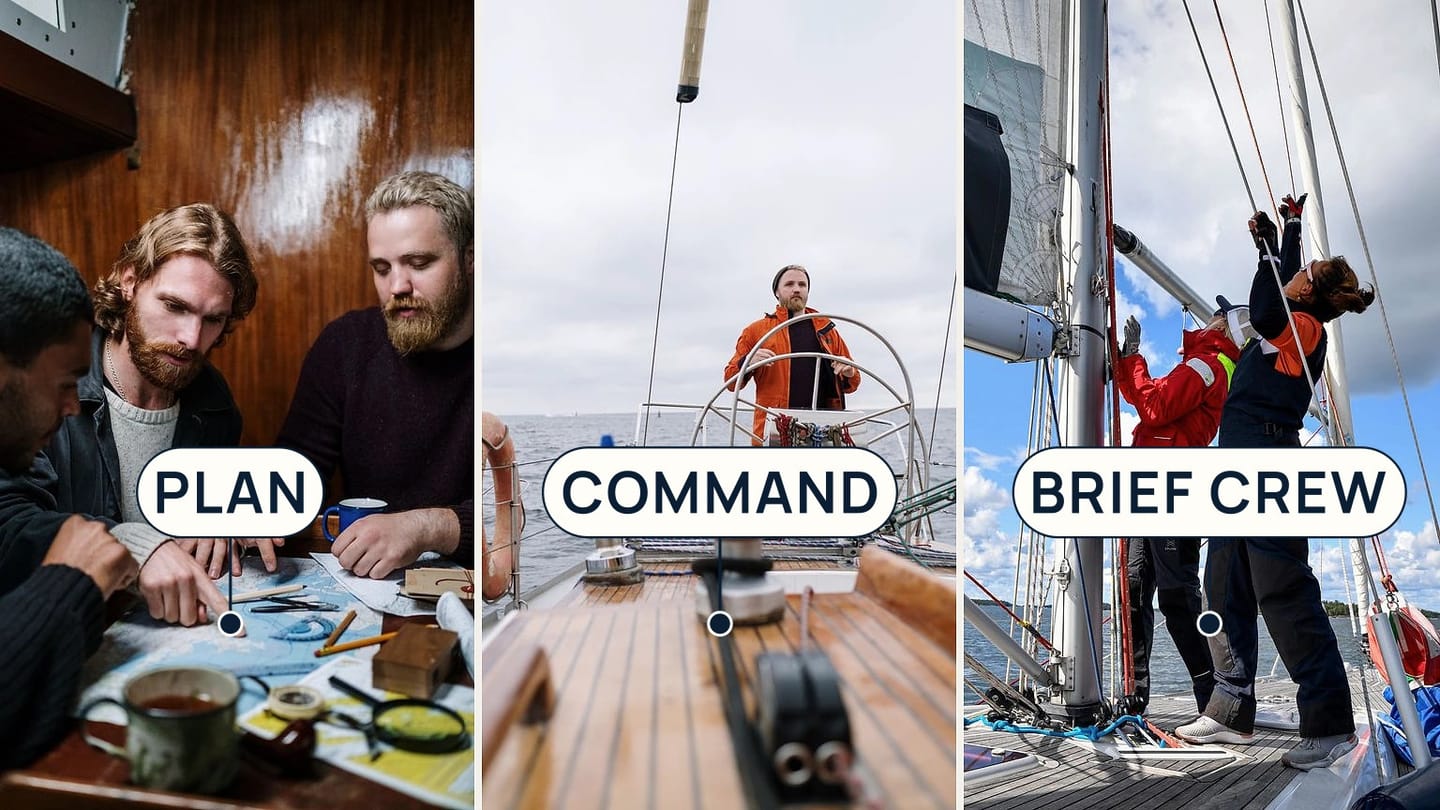
Mistake 2: Rushing the Handover
Some crews arrive expecting to load bags and leave. Current operator examples show why that fails: reception, an area briefing, a yacht briefing, provisioning, inventory, and acceptance can take meaningful time. Under one published contract, check-in starts when the charter period begins. The handover is part of the purchased time, so give it a realistic place in the itinerary.
Inspect before signing. Walk the hull, deck, rig, interior, tender, and equipment list with the representative. Photograph existing damage in wide and close views. Record missing inventory, failed lights, stains, leaks, warning indications, and uncertain tank readings. Test the systems the base permits. If something cannot be demonstrated, note that limitation and ask how to report a later failure.
Listen actively during the yacht briefing. Start and stop the engine. Locate the cooling-water discharge, fuel shutoff, electrical panel, battery switches, bilge controls, seacocks, fire extinguishers, lifejackets, first-aid kit, emergency steering, windlass breaker, tools, and support contacts. Trace the reefing and furling controls on the actual boat. Operate a toilet and show another adult. A nod is not evidence that the crew can repeat the action.
Do not sign an inaccurate departure inventory to avoid seeming difficult. One current operator contract treats that signature as acceptance of the recorded condition. Add observations first and save a copy. The full charter check-in and checkout guide gives a bow-to-stern sequence that is easier to follow in a busy marina.
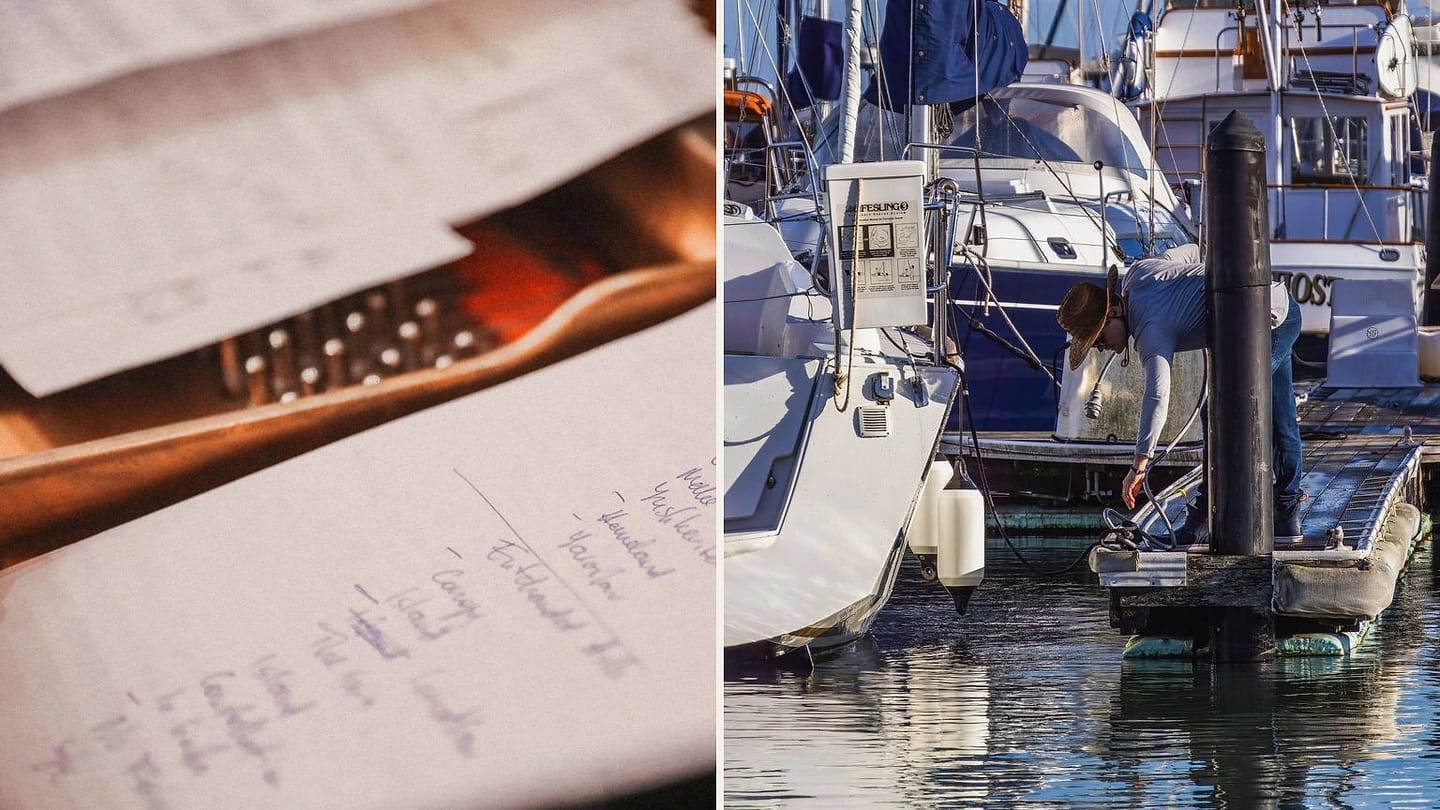
Mistake 3: Planning Beyond the Margin
The first route should begin after the briefings, not at the time your flight lands. Add time for bags, food, crew questions, and a fault that the technician needs to fix. If departure slips, shorten the passage instead of racing the light or the base's limit. A nearby berth or anchorage can be a sensible first night because it lets you learn steering, reefing, anchoring, and domestic systems before committing farther away.
Use the area briefing to challenge your plan. Mark hazards, prohibited or restricted areas, support coverage, fuel or water options, and any location the base advises against in the expected weather. Local instructions can change a route that looked simple on a small screen. Keep an alternate stop for every day and know which decision must be made before turning back becomes awkward.
Match distance to the least experienced essential crew member. A route that assumes one skipper will helm, navigate, dock, anchor, cook, and repair from dawn to dusk has no reserve. Give roles to a second adult and run the crew safety briefing before the first departure. Fatigue is not a badge earned by maximizing the itinerary.
Protect the final day even more. Return deadlines can sit a day or several hours before unloading. Plan a short last passage with enough margin for weather, traffic, fuel, and the assigned berth. Read the current return instructions rather than relying on what a friend remembers from another base. The best charter plan is one you can shorten without feeling that the trip has failed.
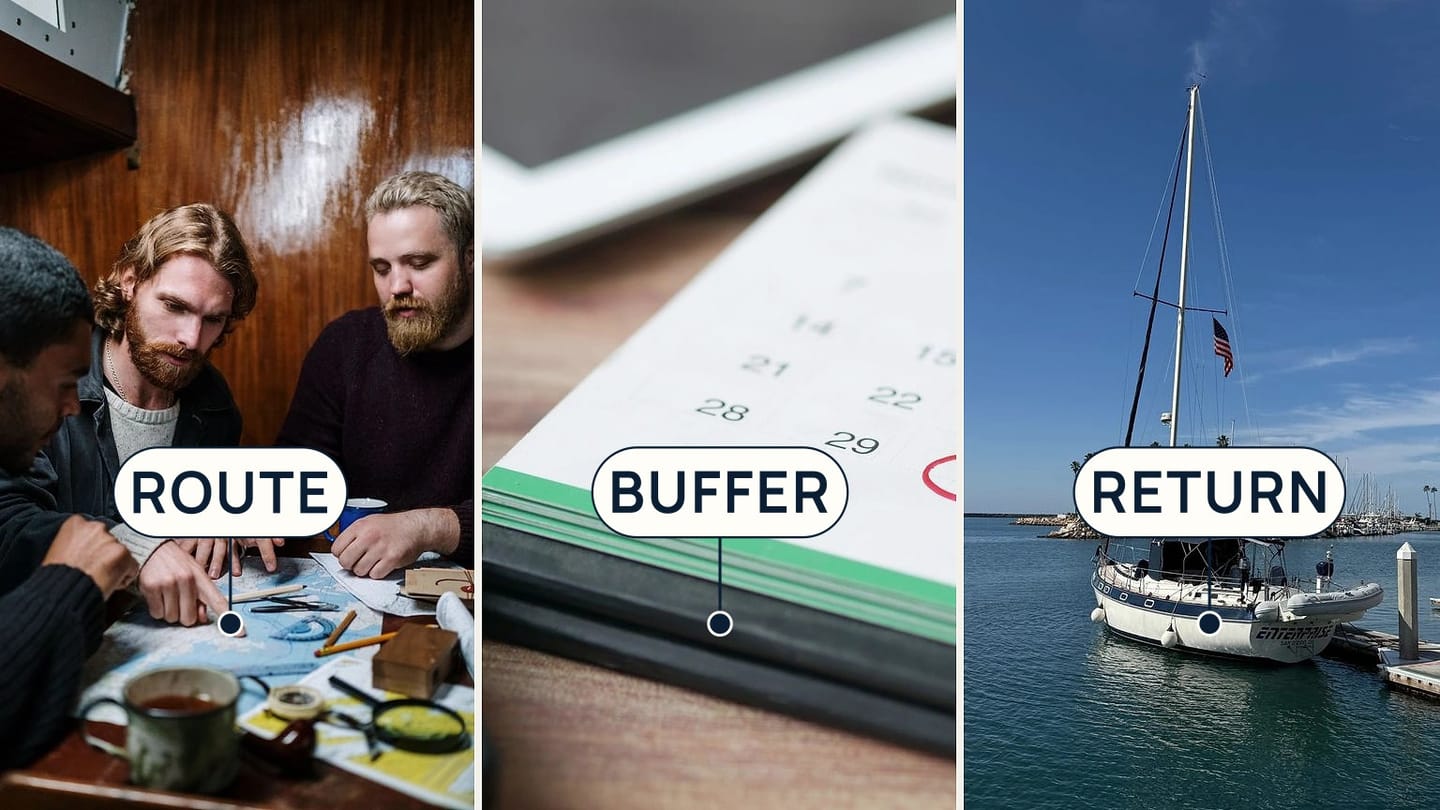
Mistake 4: Hiding Small Problems
A weak pump, uncertain noise, brief grounding, torn fitting, warning light, or suspected leak does not improve because it stays out of the log. One current operator contract requires prompt notice of equipment doubt and suspected damage. The practical reason is simple: the base can explain correct operation, authorize a workaround, send help, or tell you to stop. Waiting can turn a small diagnostic question into a larger failure and a poor evidence trail.
Use the support method named in the contract. Describe what you saw, when it began, which controls were used, and what the instruments show. Send photographs when asked. Do not dismantle equipment, buy a major repair, admit legal liability, or continue using a doubtful system without understanding the provider's direction. Save the reply.
Keep a compact daily log. Record route, stops, weather decisions, engine hours, fuel, incidents, support calls, and crew changes when relevant to the booking. This is useful at checkout because you can connect a final defect report to the time it appeared and the instruction you followed. It also helps another crew member answer questions if the skipper is busy unloading.
Return the boat through the written process. Complete the debrief or checkout form, reconcile inventory, and walk through condition with the representative. Report damage without disguising it as ordinary wear and identify every unresolved fault, including one the base already knows about. Keep the signed return record until the deposit or security is settled. A quiet checkout built on accurate records is far better than an early airport departure followed by uncertain emails.
Use SailStarter's beginner boat-choice lesson to make your first charter deliberately smaller than your maximum. Write down the crew's real experience, the boat systems that will be unfamiliar, the base schedule, and the route decision that can shorten each day. Then prepare four questions for the handover and four checks for return. This planning protects room for sailing when travel or equipment takes longer than expected. Before departure, review how to check weather before sailing. On the water, call the base early when evidence changes. Small changes are normal during a charter. Notice them, share them, and handle them before they steal the rest of the trip.
Try it from the lesson
Can you spot the next move?
A wide sailboat glides past on two side-by-side hulls, barely leaning at all. What type is it?
Why you can trust this guide
. We build each guide from public seamanship and safety sources, then teach the universal principle before any local difference.