Chart your course
What Experience Is Needed to Sail Offshore?
Quick answer
The short version
There is no single number of miles, nights, or certificates that makes a crew ready to sail offshore. Readiness is a match between one specific passage and several things: a crew with real watchkeeping depth and hands-on time on that particular boat, a hull and systems suited to the route's exposure, a route defined by duration, shelter, and traffic rather than a vague label, a working communications plan, and weather and routing information checked close to departure. A boat that only functions with one person awake and solving every problem does not yet have the crew depth for a passage where help is hours or days away. Build each factor on progressively longer trips, then reassess before every offshore leg on its own terms.
Offshore sailing multiplies the normal demands of a day sail rather than simply extending them. A fault that's an inconvenience five miles from a marina becomes a different kind of problem two days from the nearest port, out of cell range, with the next safe harbour a full day's sailing away. That gap is why offshore readiness gets assessed factor by factor instead of measured against a slogan like "enough experience." The sections below walk through the crew, the boat, the route, and the information a passage needs, then show how those same factors can demand different answers for a short coastal delivery than for a multi-day ocean passage. None of this replaces instructor-led offshore training, a proper handover from someone who already knows the boat, or the judgment of sailors who have made the specific passage you're planning. Treat it as the checklist to work through before you bring them your harder questions.
How far offshore, and for how long?
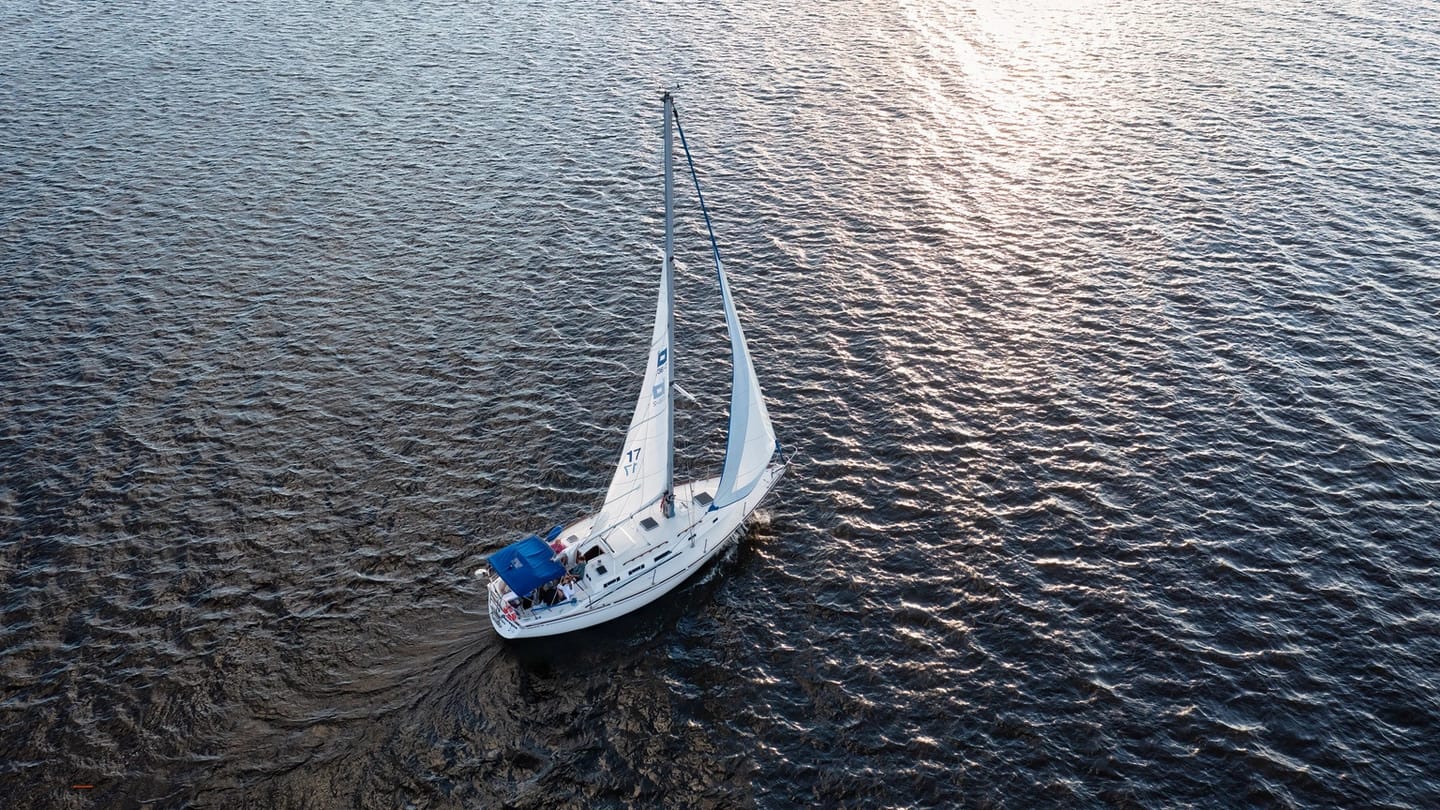
"Offshore" isn't one distance or one duration. A passage that stays within radio range of the coast, passes a harbour every few hours, and can be finished before dark asks less of a crew than one that spends two or three nights at sea, crosses shipping lanes, and has no realistic place to duck in for a day at a time. Define the actual route before asking whether the crew is ready for "it": total distance, expected duration including a slow day, how many hours will be sailed in darkness, how far the boat will ever be from a safe harbour, and how much shipping or fishing traffic the route crosses.
A weekend coastal delivery, sailed overnight between two harbours with land in sight most of the way, asks far less of stored water, fuel, and watch depth than a five-day crossing with no stops in between. The same two sailors and the same boat can be a solid match for the first passage and short-handed for the second, so treat the route's own numbers as the starting point rather than the word "offshore" itself.
Sailing federations that run offshore races formalise this same idea. World Sailing's Offshore Special Regulations grade races on a spectrum, from short daylight races close to shore up to trans-oceanic passages where the boat and crew are expected to be self-sufficient for extended periods without outside help, with equipment requirements that scale the same way. A cruising passage doesn't need a racing category number, but the principle carries over: write down what this specific route demands before comparing it to anyone's past experience. Practising the routines that stretch a passage beyond a single day, the way preparing for a multi-day coastal passage does, is a sound way to work toward the longer version.

Is the boat itself ready for this route?
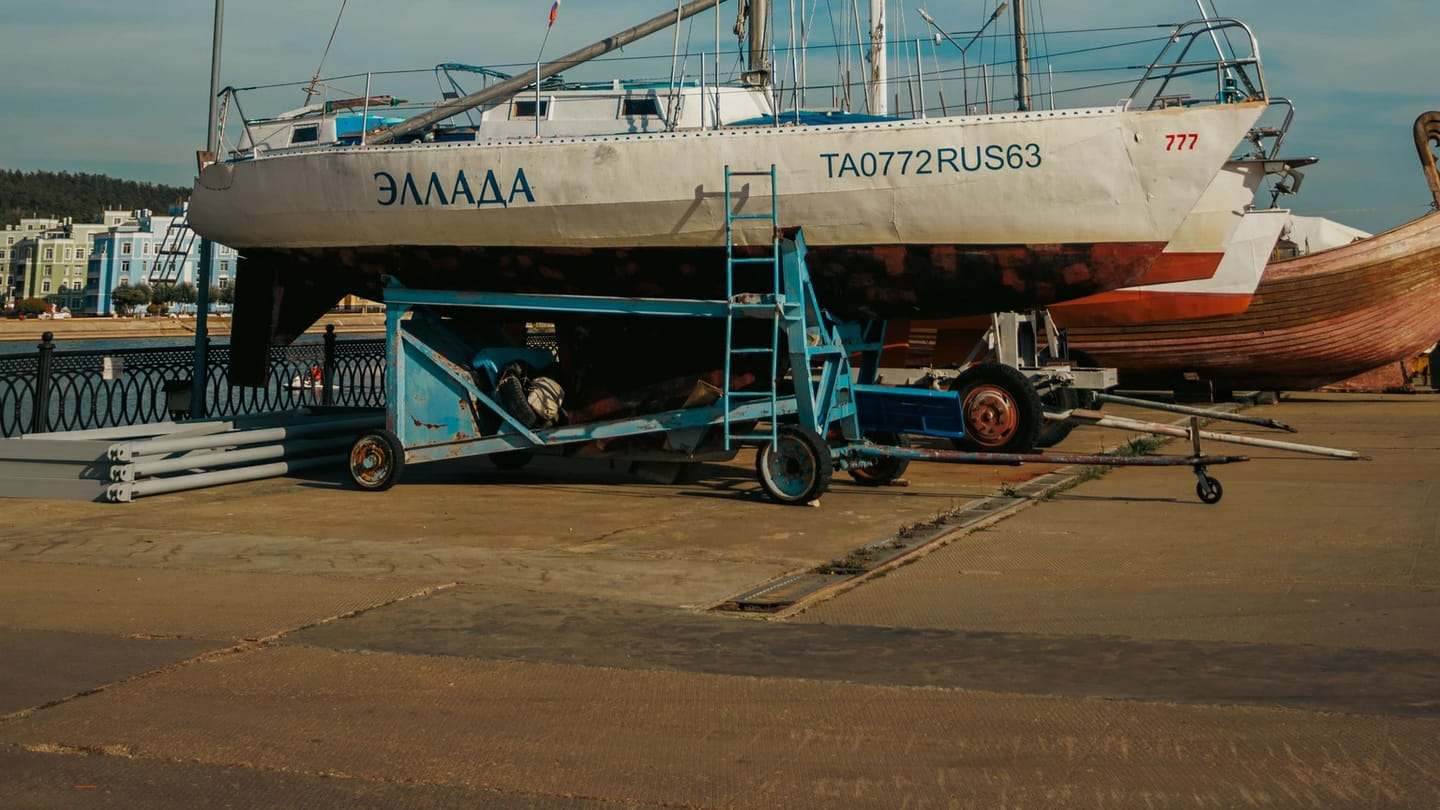
A boat that's fine for afternoon sails near a marina isn't automatically fit for days between safe harbours. Before an offshore passage, work through steering, standing and running rigging, sails (including a way to reef down hard or set a storm sail), the engine and fuel system, electrical supply and charging, bilge pumps, navigation lights and instruments, and safety equipment, checking each against the boat's own service records rather than memory. Test what you can under real load rather than at the dock: run the engine underway, pump real water through the bilge system, and confirm the crew can rig and clip into jacklines and tethers in the dark, not just read about them.
Carrying a piece of equipment is not the same as the crew being able to use it. A liferaft nobody has practised launching, or a storm jib nobody has hoisted, is a box ticked rather than a real capability. If a system turns up an unexplained fault or has no workable backup, that's a reason to fix it, replace it, or shorten the route, and not a risk worth carrying forward on the hope it holds.
None of this needs to happen the week before departure. Build a simple boat-specific checklist from the owner's manual and any past defect log, work through it on a moored day when there's no pressure to leave, and note anything that needs a professional's eyes rather than a guess. A boat you understand this well is also easier to fix underway, which matters more the farther you are from a chandlery or a mechanic.
Crew depth and watchkeeping capacity
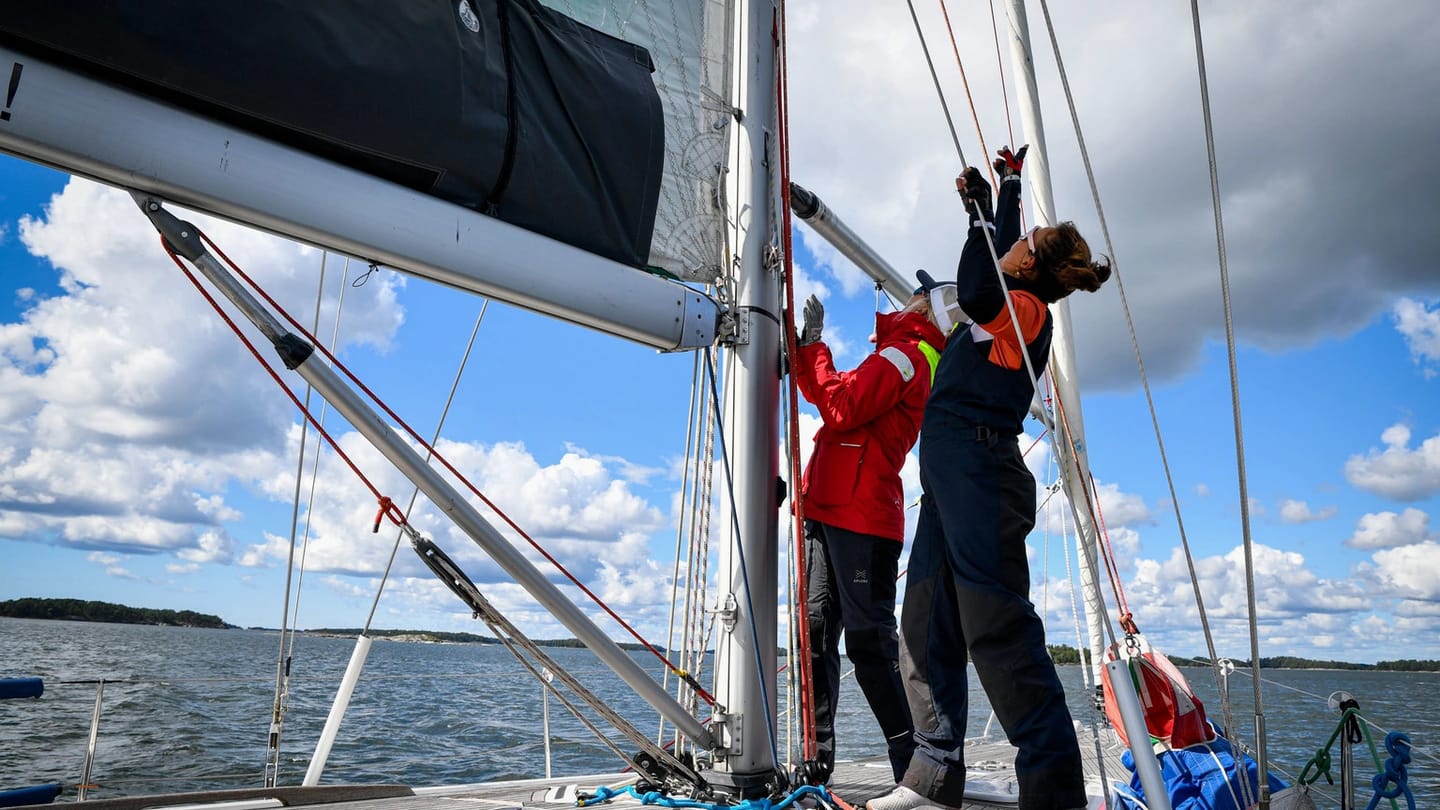
Offshore passages run around the clock, which shifts the real question away from whether the strongest sailor aboard can handle a squall in daylight. Can a tired second or third crew member reef, navigate, communicate, and make a sound call at three in the morning without waking the skipper for every decision? The International Regulations for Preventing Collisions at Sea require every vessel to keep a proper lookout by sight and hearing at all times underway, and on a short-handed boat that duty falls entirely on whoever is on watch, however tired they are. More than one competent watchkeeper is baseline crew depth for an extended passage.
Depth comes from time on the water, not from a certificate alone. National federations that certify offshore skippers build their qualifications the same way: the RYA's Yachtmaster Offshore, for example, asks candidates to log at least 50 days at sea, 2,500 miles, and five passages over 60 miles, including two overnight legs, before it certifies them. That figure isn't a universal requirement (other federations set their own scope), but it shows experience compounding through use rather than accumulating on paper. Build that depth on shorter overnight trips first: run a full watch rotation, walk the whole crew through a proper pre-departure safety briefing, and let every crew member log real hours sailing after dark before a passage with no morning arrival.
Communications and current weather information
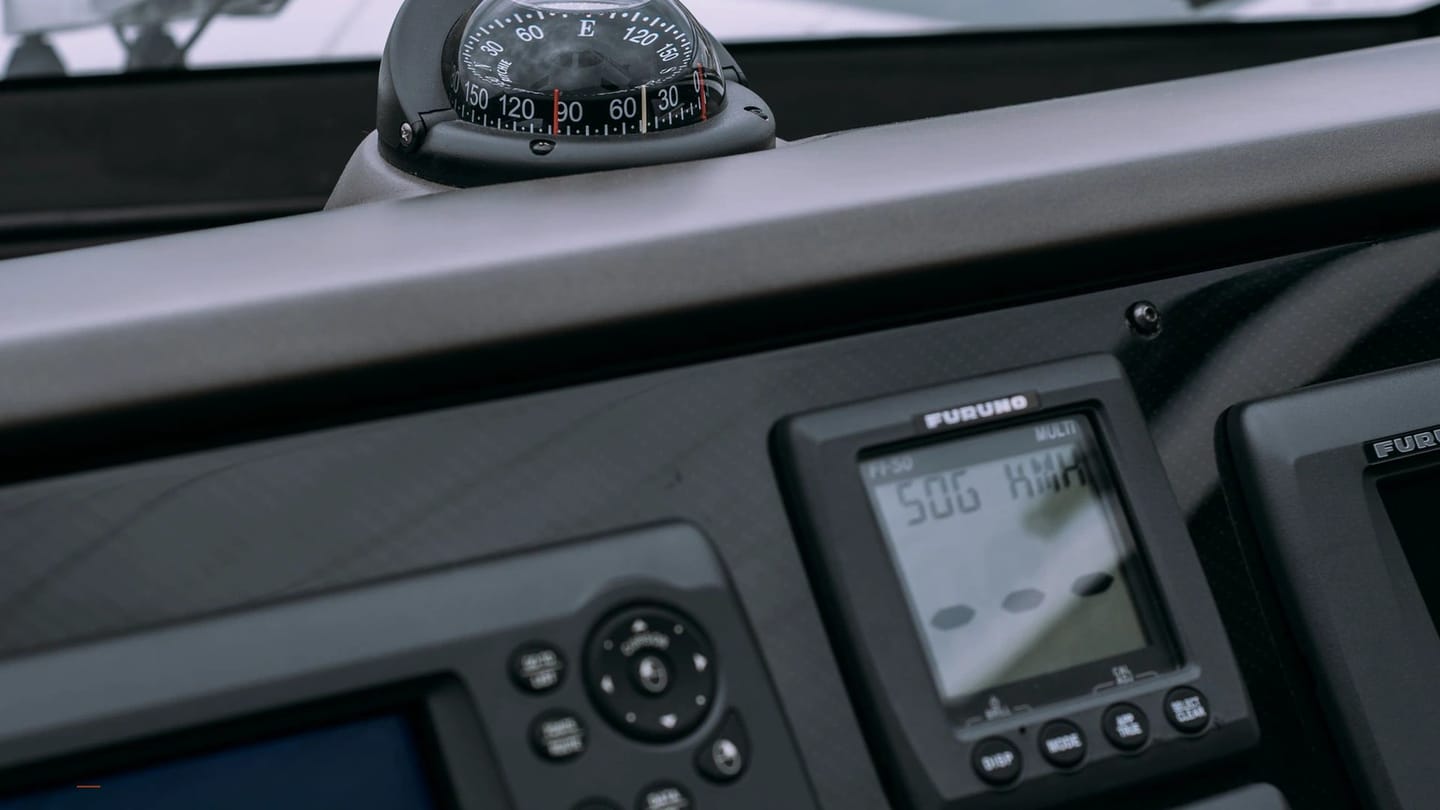
A communications plan for an offshore passage covers more than an emergency call. It sets out what radio or satellite equipment is aboard and its real range, who ashore expects a check-in and on what schedule, and what that person should do if a check-in is missed. Before you weigh anchor, agree as a crew who calls for help, on what channel or device, and what information they need to relay: position, people aboard, and the nature of the problem.
Weather and routing information also change scope once you're offshore. Coastal forecasts are built for waters close to land; a route that moves beyond that zone needs offshore or high-seas products instead. The US National Weather Service, for instance, issues separate coastal, offshore, and high-seas marine forecasts because the hazards and the information mariners need genuinely differ that far out, with a dedicated Ocean Prediction Center producing the offshore and high-seas versions for US ocean areas. Whichever service covers your own route, check it again close to departure rather than trusting a forecast pulled days earlier. Learning to read a marine forecast properly, well before you need one under pressure, makes that final check faster and more reliable.
Weighing the whole picture before you commit
None of the four factors above works alone. A capable crew on a boat with an unreliable engine, or a sound boat on a route nobody has properly defined, still adds up to a passage without enough margin. Before departure, walk through crew, boat, route, and information together as a conversation the whole crew has, not a judgment the skipper makes alone in their head. Ask directly what happens if the strongest sailor aboard is seasick for two days, if the forecast turns for the worse mid-passage, or if a system fails at the point the boat is farthest from land.
Go back to the coastal-delivery-versus-ocean-crossing comparison from earlier: the same two-person crew and the same boat can pass every check for the overnight hop and fall short on watch depth or stored water for the five-day crossing. That outcome is the assessment doing its job. When a factor comes up short, the usual fix is one of a few things: choose a shorter or more sheltered route, add an experienced hand who already knows the boat, get hands-on training in the specific gap that showed up (a dedicated offshore safety course, for example, teaches heavy-weather tactics, storm sails, damage control, and life-raft use that ordinary coastal sailing never calls for), or wait for a better weather window. Each of those narrows the distance between where the crew stands now and what the passage actually needs.
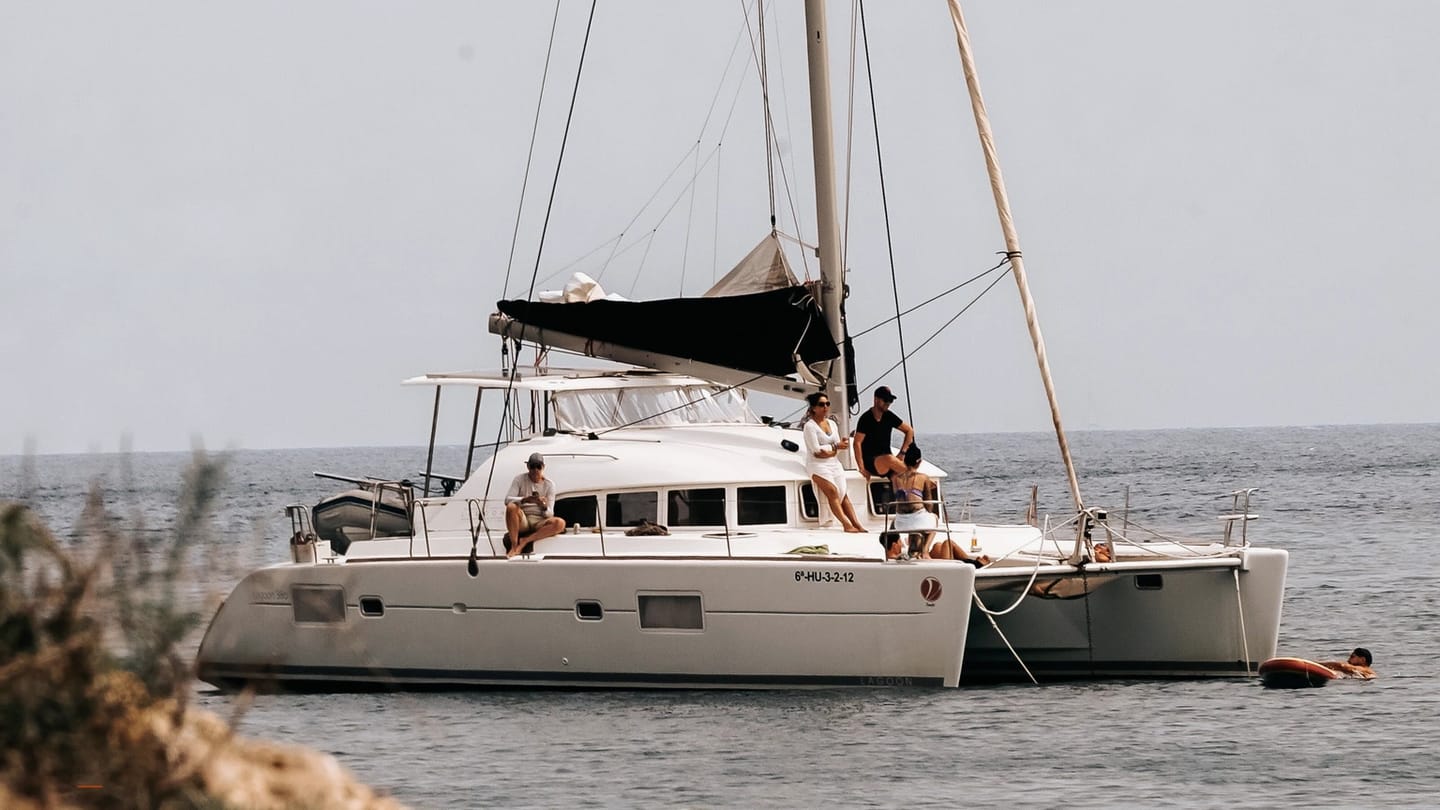
SailStarter's lessons build the foundations this checklist assumes: reading conditions, points of sail, safety routines, and the planning language that makes a crew conversation like the one above possible in the first place. Working through lesson 10.1 and the passage-planning lessons around it is a solid way to practise thinking in these terms before you plan a real offshore leg. What these lessons can't give you is a verdict on your actual crew, boat, and route. That comes from time on your specific vessel, from an instructor or experienced offshore sailor who can see your boat and your plan in person, and from checking official weather, chart, and safety information close to departure. Use SailStarter to learn the framework, then bring it to people who know your boat before committing to a passage that puts real distance between you and the nearest harbour.
Try it from the lesson
Can you spot the next move?
On a NOAA paper chart, you see buff, green, and blue close to shore. What does each colour mean?
Why you can trust this guide
. We build each guide from public seamanship and safety sources, then teach the universal principle before any local difference.